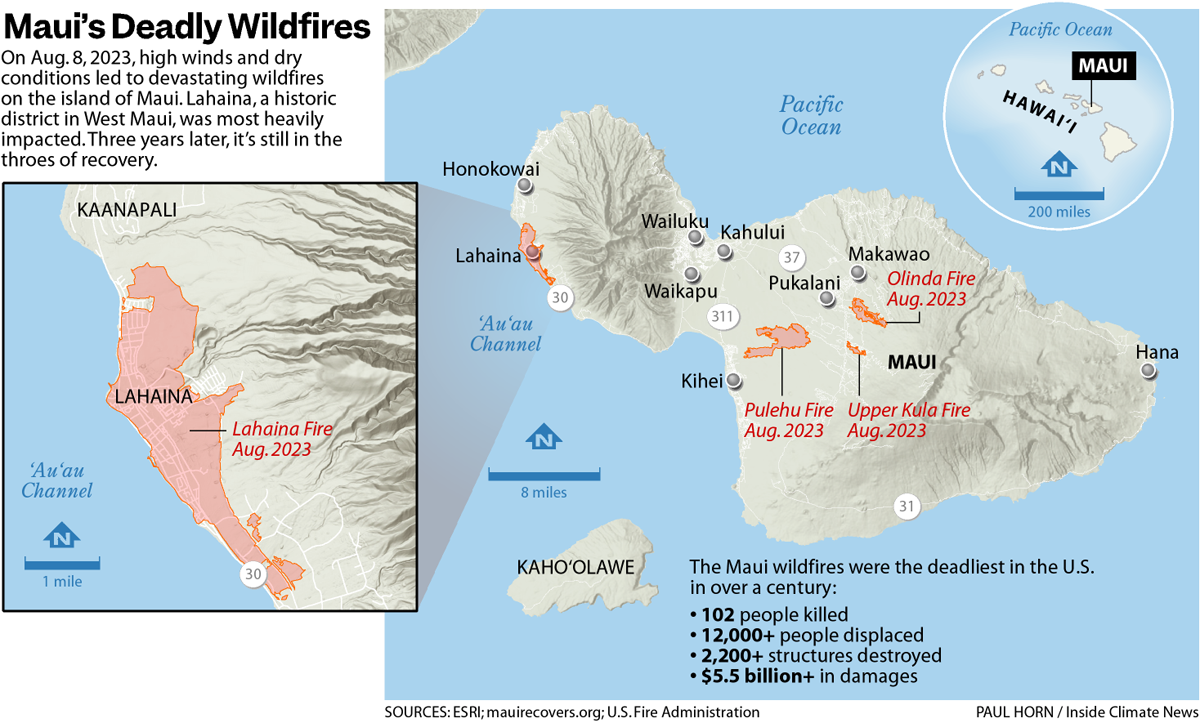
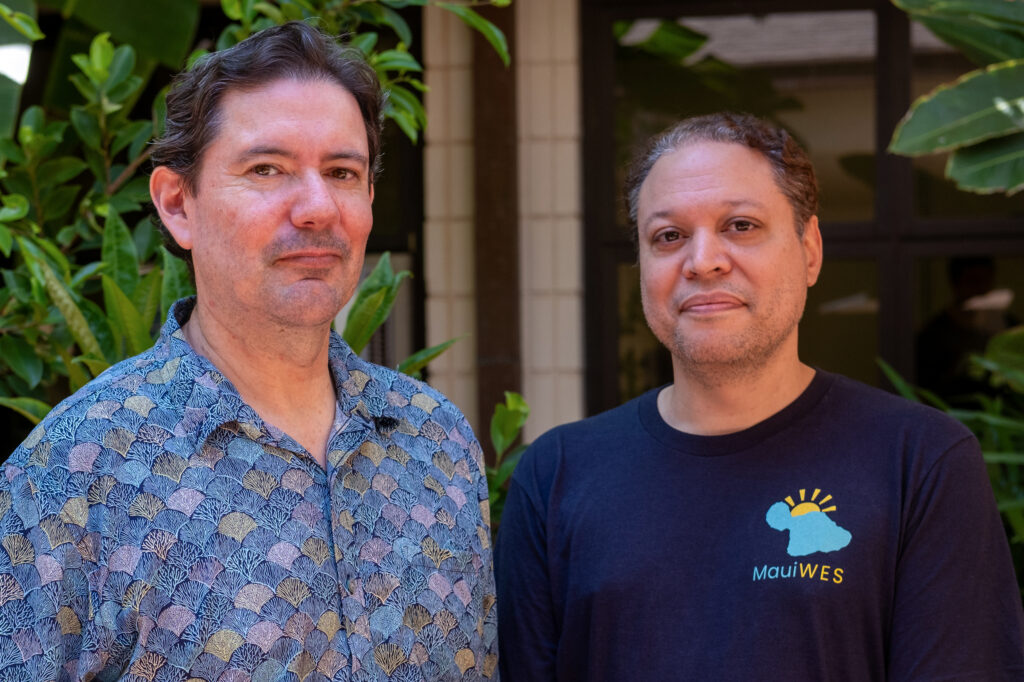
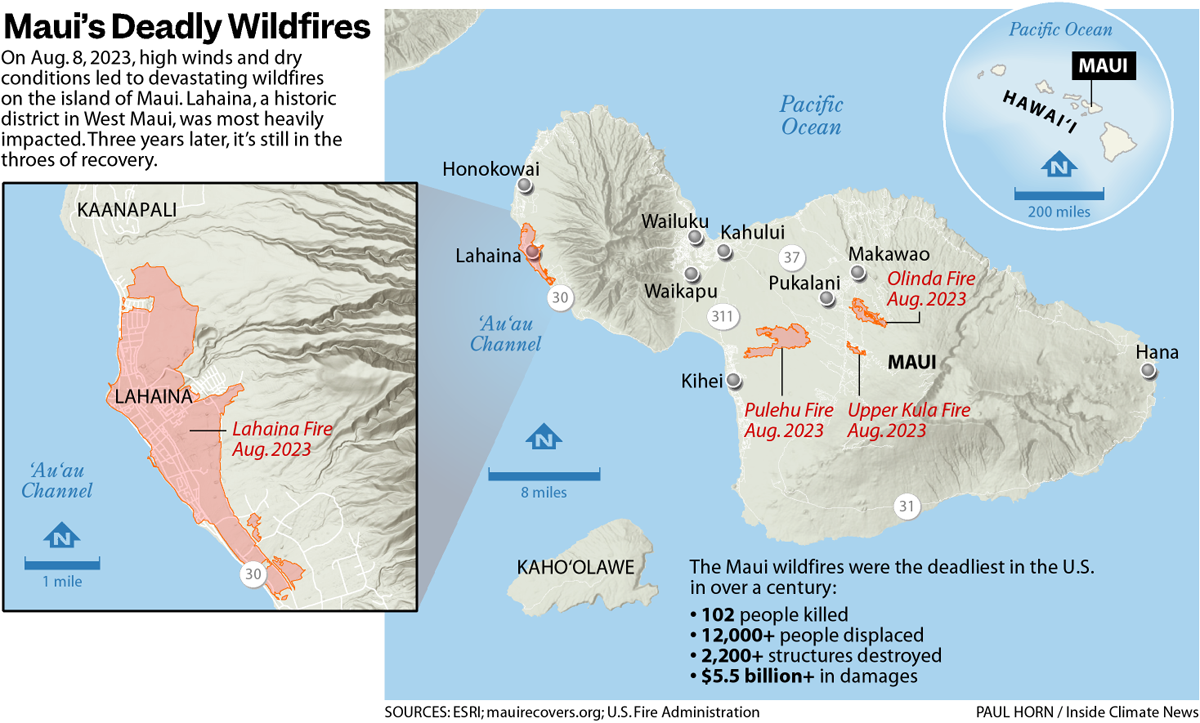
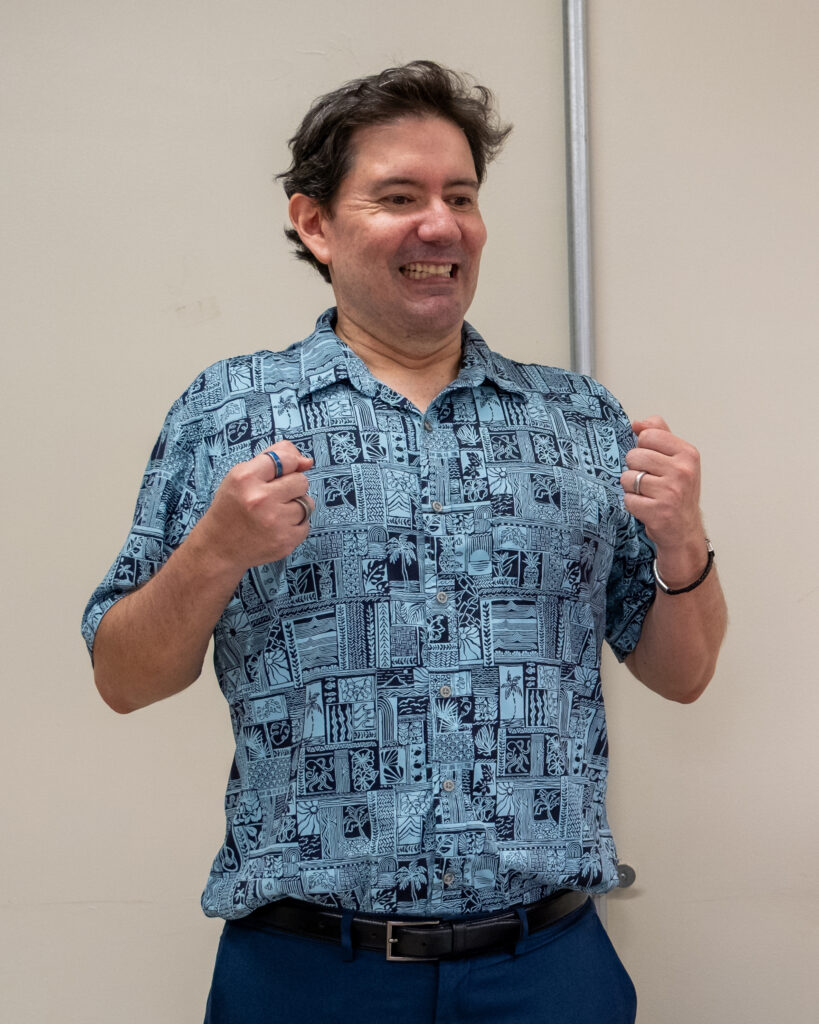
On a crisp Saturday morning in May, biomedical scientist Alika Maunakea and economist Ruben Juarez touched down at Kahului Airport, embarking on a familiar 45-minute journey from O‘ahu to Maui that they had repeated dozens of times over the preceding three years. Winding their way past the striking blue expanse of the Pacific Ocean, the two University of Hawai‘i professors arrived at the Lahaina Comprehensive Health Center to set up a mobile medical clinic. Less than half a mile below the foothills of the West Maui mountains, their multidisciplinary team of Ph.D. students and local healthcare providers unloaded stations for blood collection, lung function tests, and mental health evaluations. As the Pacific breeze drifted through the facility, they braced themselves for the arrival of local fire survivors—individuals whose lives were upended by the worst natural disaster in modern American history.
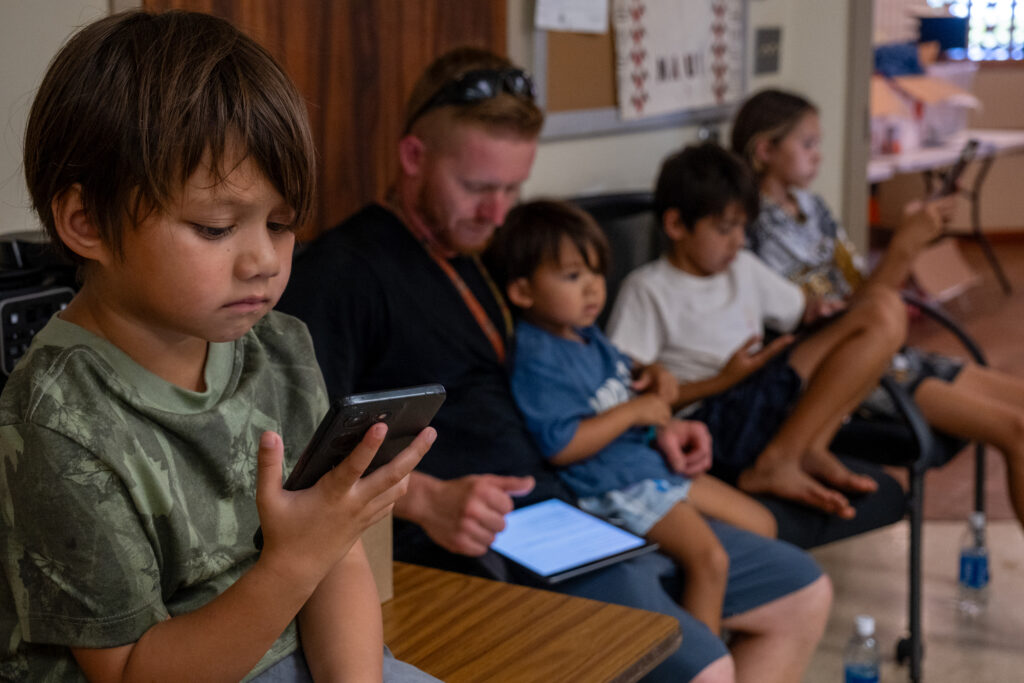
The unfolding scene captured the paradoxical reality of recovery in Lahaina: a community striving to heal physically and emotionally while operating under the mounting pressure of financial precarity and institutional friction. Three years after the catastrophic events of August 8, 2023—when fast-moving wildfires swept across Maui, killing at least 102 people, displacing nearly 13,000 residents, and reducing over 2,200 structures to ash—the path toward societal restoration remains painstakingly slow, with only 15 percent of destroyed buildings having been rebuilt. In response to this vacuum of traditional disaster relief, Juarez and Maunakea conceptualized the Maui Wildfire Exposure Study (MauiWES), an ambitious public health initiative designed to track, treat, and support survivors over the long term. Yet, despite successfully screening over 2,500 participants, the study now finds itself at a perilous crossroads, threatened by evaporating federal support, stalled legislative funding, and quiet pushback from state health authorities.
The Genesis of a Holistic Public Health Response
Neither Juarez nor Maunakea originally specialized in disaster recovery research. Juarez, whose academic focus centered on social networks and immigrant communities, and Maunakea, a biomedical scientist studying health disparities among Native Hawaiians, were drawn into the crisis by the sheer magnitude of need following the 2023 disaster. Realizing that conventional post-disaster interventions were failing to capture the full scope of community suffering, the pair launched MauiWES as a rapid-response health monitoring effort.
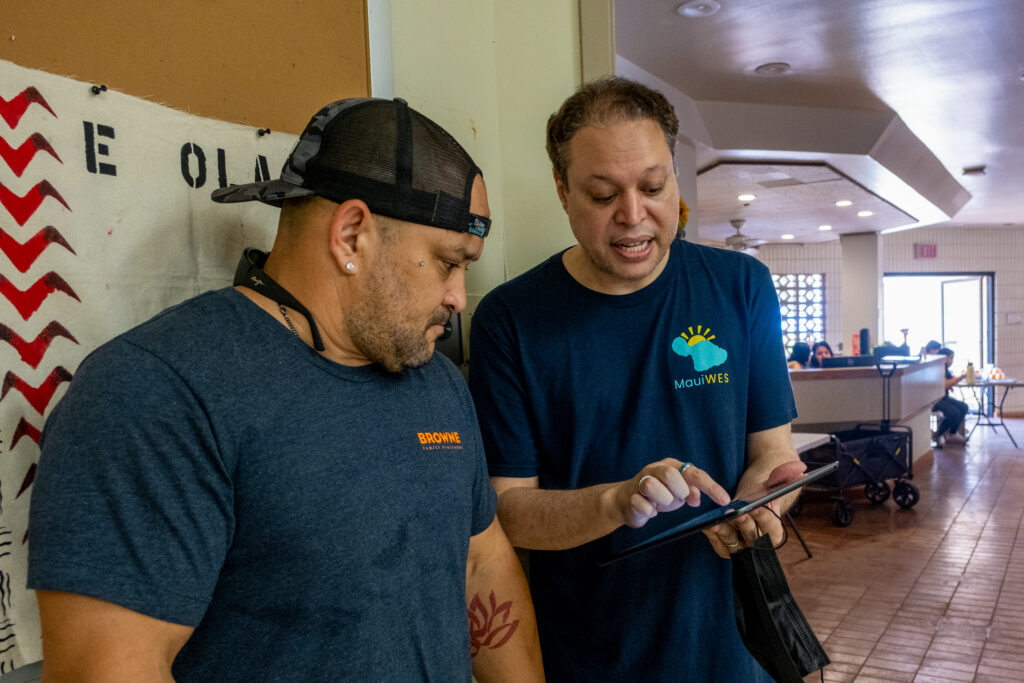
What began as a data-collection endeavor quickly blossomed into an integrated model of research and direct community intervention. MauiWES evolved into a collaborative safety net linking participants not just to medical diagnostics, but to essential social services: free therapy, nutritional support, cash assistance, and navigational aid for healthcare and insurance. National disaster researchers, such as David Eisenman of the University of California, Los Angeles, have praised the initiative’s holistic framework as a "singular" blueprint for post-disaster public health.
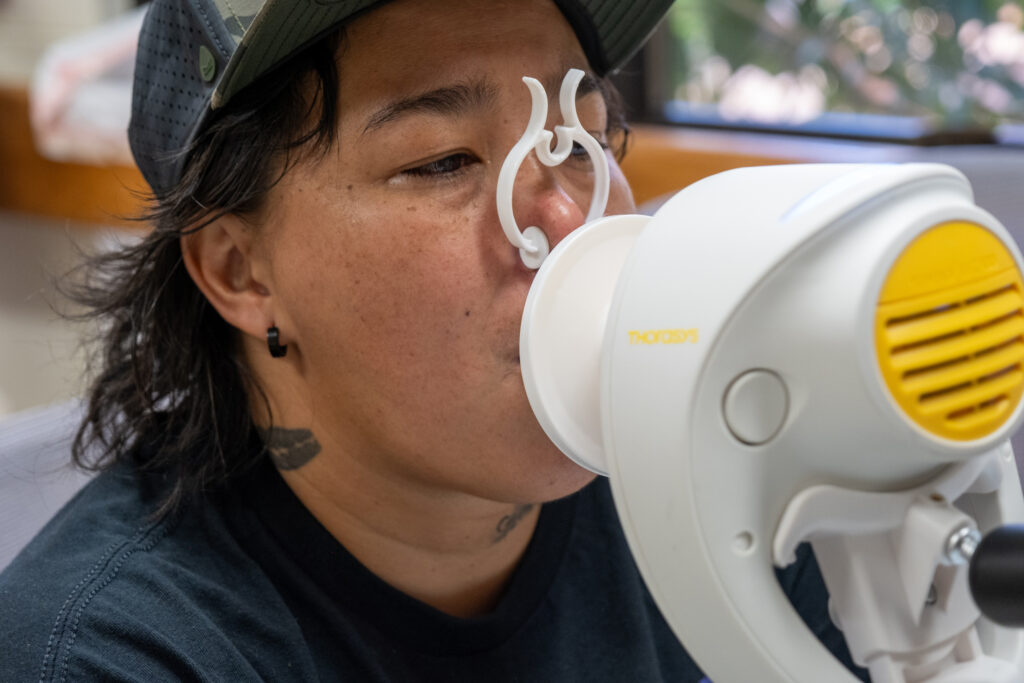
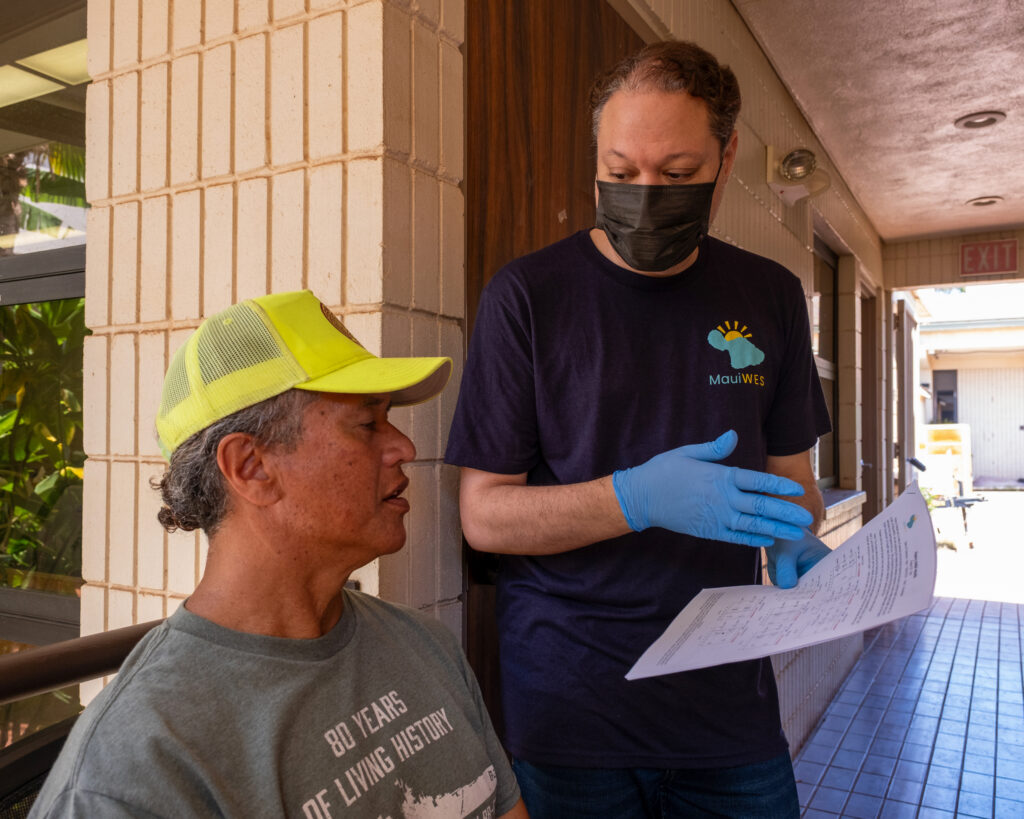
During the May collection event, the clinic functioned as a medical assembly line. Participants rotated through stations providing urine samples for environmental exposure tracking, saliva collections for stress and aging biomarkers, blood tests for metabolic function, and dual pulmonary assessments. Each participant concluded their visit by reviewing their diagnostic results with a volunteer physician and receiving a $100 stipend for their time.
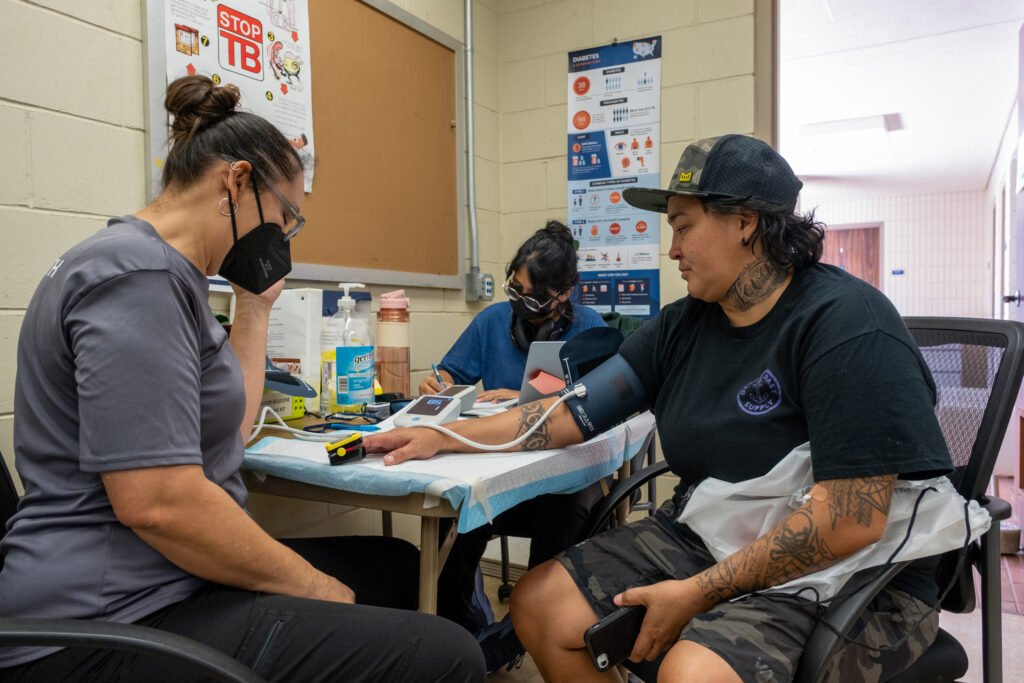
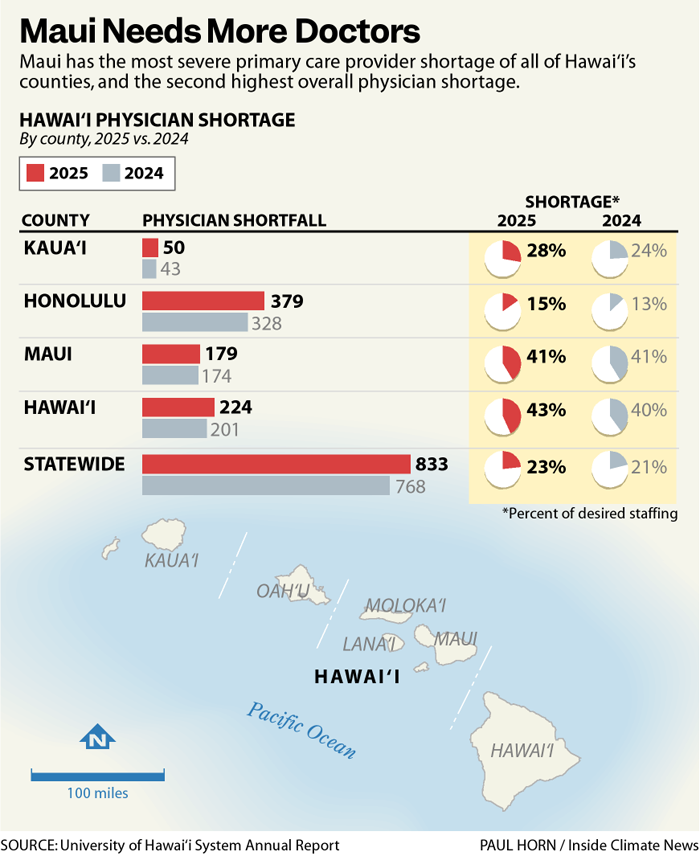
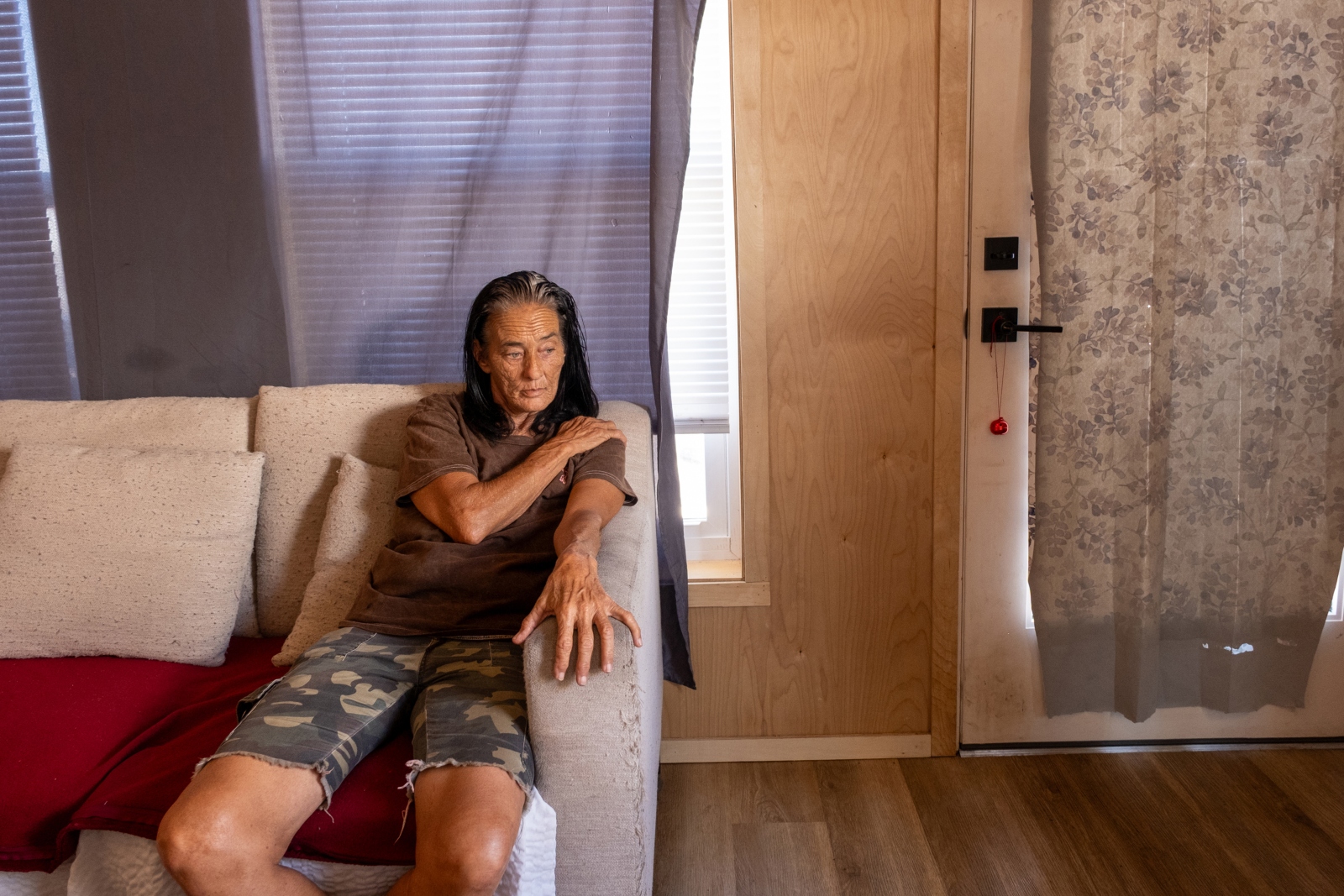
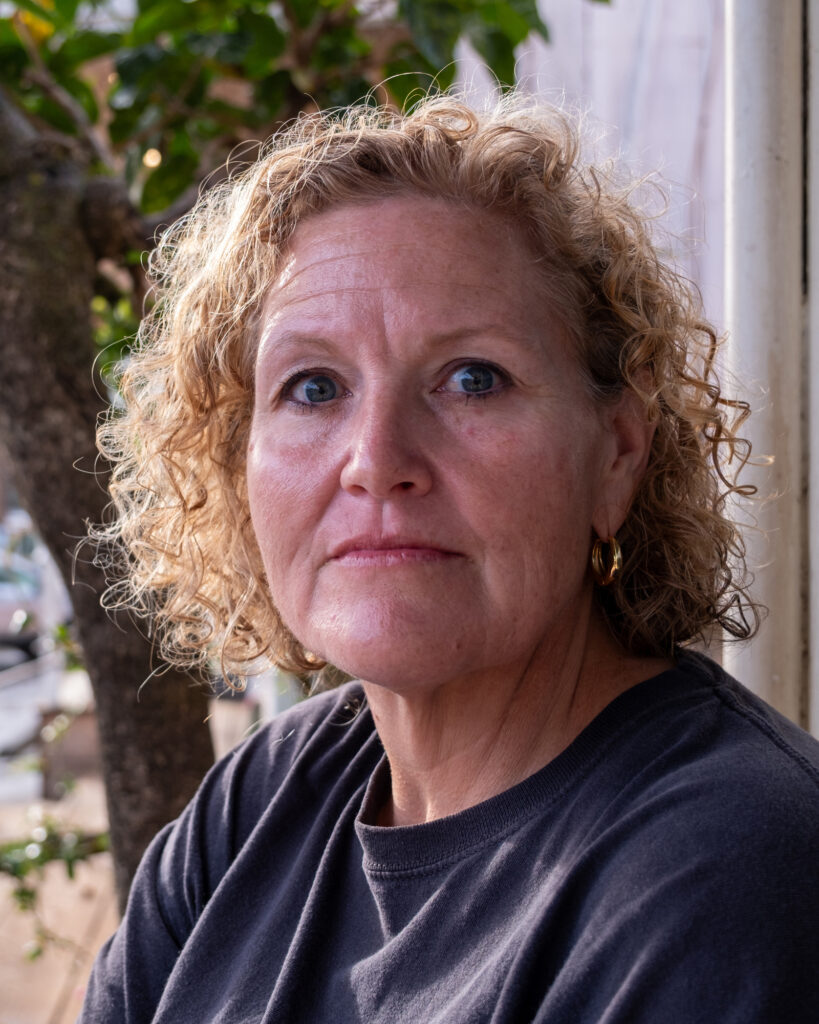
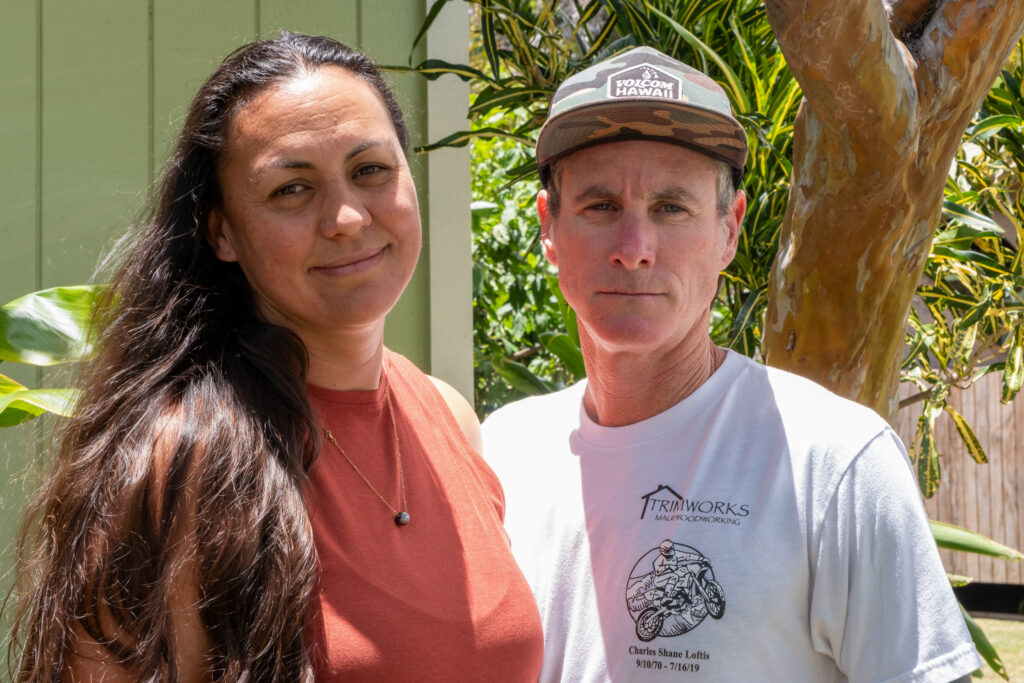
Among those seeking care were Lisa and Nilsson Panis, siblings whose family history in Lahaina dates back over a century to the era of indentured sugar plantation laborers. Nilsson, who spent grueling 12-hour days clearing toxic debris from the burn zone as a first responder, sought testing for chronic respiratory concerns after months of inhaling heavy ash. Meanwhile, Lisa navigated ongoing depression and physical ailments while her family remained confined to temporary FEMA housing. For families like the Panises, as well as Native Hawaiian households like Mikey and Rob Burke—whose twin sons were diagnosed with severe post-traumatic stress disorder through the study—MauiWES provided life-saving diagnoses and immediate psychological referrals that otherwise would have been inaccessible given the island’s severe shortage of permanent physicians.
Scientific Findings Versus Official State Narratives
As MauiWES matured, its empirical findings began to draw sharp scrutiny from government officials, creating tension between academic researchers and the Hawai‘i Department of Health (DOH). In initial cohorts evaluated months after the fires, researchers discovered that approximately half of study participants exhibited pulmonary impairment indicative of long-term smoke exposure. Subsequent biochemical analyses revealed elevated concentrations of heavy metals—including arsenic, cadmium, nickel, mercury, and lead—in the urine of more than 1,200 survivors, with certain metal distributions correlating directly with specific geographical neighborhoods.
These findings complicated the narrative advanced by state health officials. In May 2024, following a targeted blood-lead screening of 557 West Maui residents, DOH Director Kenneth Fink asserted that because elevated lead levels were rare, the agency did not anticipate widespread systemic health impacts from toxins in the wildfire ash. "On the basis of these results with lead as an indicator of exposure, we do not expect to find health impacts caused by toxins in the wildfire ash," Fink stated at the time.
Environmental health experts and academic peers quickly questioned the methodology of drawing broad toxicological conclusions from a single heavy metal that clears relatively rapidly from the bloodstream. Internal state documents and email correspondence obtained via public records requests by Inside Climate News revealed that DOH officials reacted to the university’s broader findings with alarm. Following press coverage of MauiWES’s preliminary data in August 2025, state toxicologist John Jacob wrote to colleagues, "I don’t want to affirm what UH is stating. The panic has begun!" Subsequent internal exchanges debated whether the agency should sever its collaborative ties with the university, culminating in an October formal letter criticizing the study’s non-randomized sampling methodology.
The University of Hawai‘i defended its work, clarifying that MauiWES never claimed a definitive causal link between the fires and every instance of heavy metal detection, but rather emphasized the urgent need to monitor and treat at-risk populations. While DOH leadership defended their internal debates as a normal aspect of scientific peer review, independent researchers characterized the state’s public dismissal of burn-zone toxicological risks as premature and potentially misleading to a vulnerable populace.
The Looming Funding Crisis and Federal Vulnerabilities
Compounding these institutional friction points is a severe fiscal shortfall that threatens to terminate MauiWES before it can achieve its decade-long monitoring goals. Initially sustained by philanthropic grants from the Hawai‘i Community Foundation and healthcare provider Kaiser Permanente, the study subsequently secured $2.3 million from the state legislature in the summer of 2024, followed by a $1.4 million grant from the National Institutes of Health (NIH) minority health disparities program.
However, the financial foundation eroded rapidly. Federal funding streams faced severe disruption following federal budget cuts and sweeping administrative reductions at the NIH under the incoming presidential administration—cuts that reportedly impacted agency staffing at nearly double the rate of the broader federal civil service. Concurrently, state-level efforts to secure long-term sustainability stalled. A legislative bill sponsored by West Maui State Senator Angus McKelvey, which proposed allocating $3 million to expand MauiWES and its pediatric services, failed to pass the state legislature in the final moments of the session. Although a DOH subagency ultimately submitted supportive testimony, the bill fell short, leaving the researchers without guaranteed backing.
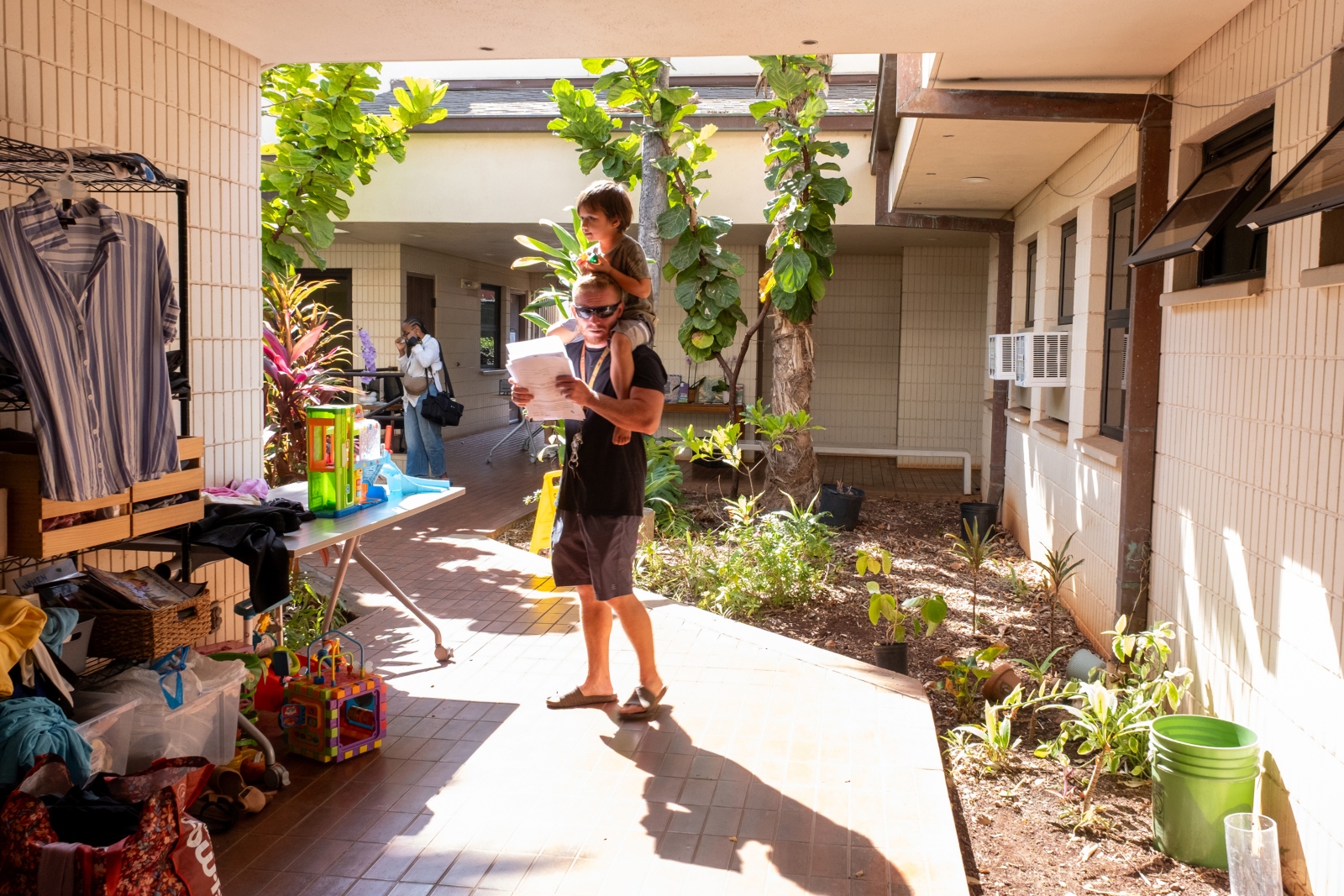
The financial instability leaves populations with the highest vulnerability—such as Lahaina’s substantial immigrant community, representing roughly one-third of the town’s pre-fire population—at acute risk of losing vital medical advocacy. Through partnerships with grassroots organizations like Roots Reborn, Juarez and his colleagues have successfully navigated emergency private insurance enrollments for more than 200 undocumented or uninsured participants diagnosed with serious infections or chronic conditions. Without the study’s infrastructural support, these safety-net mechanisms face collapse.
Implications for Future Climate Disasters
As climate change accelerates the frequency and intensity of extreme weather events across the globe, public health experts argue that the trajectory of MauiWES holds profound national implications. Traditional emergency responses typically focus on immediate search-and-rescue operations, short-term shelter logistics, and infrastructural reconstruction, frequently neglecting the latent epidemiological fallout that lingers for years.
The integration of biomonitoring, mental health intervention, social service navigation, and community-led trust demonstrated by MauiWES offers a prototype for how academic institutions can partner with grassroots organizations to bridge systemic healthcare gaps during recovery. Yet, the systemic barriers encountered by the Maui researchers—ranging from political sensitivities surrounding environmental contamination data to the vulnerability of public health grants to shifting political landscapes—highlight the precarious nature of long-term scientific inquiry in disaster zones.
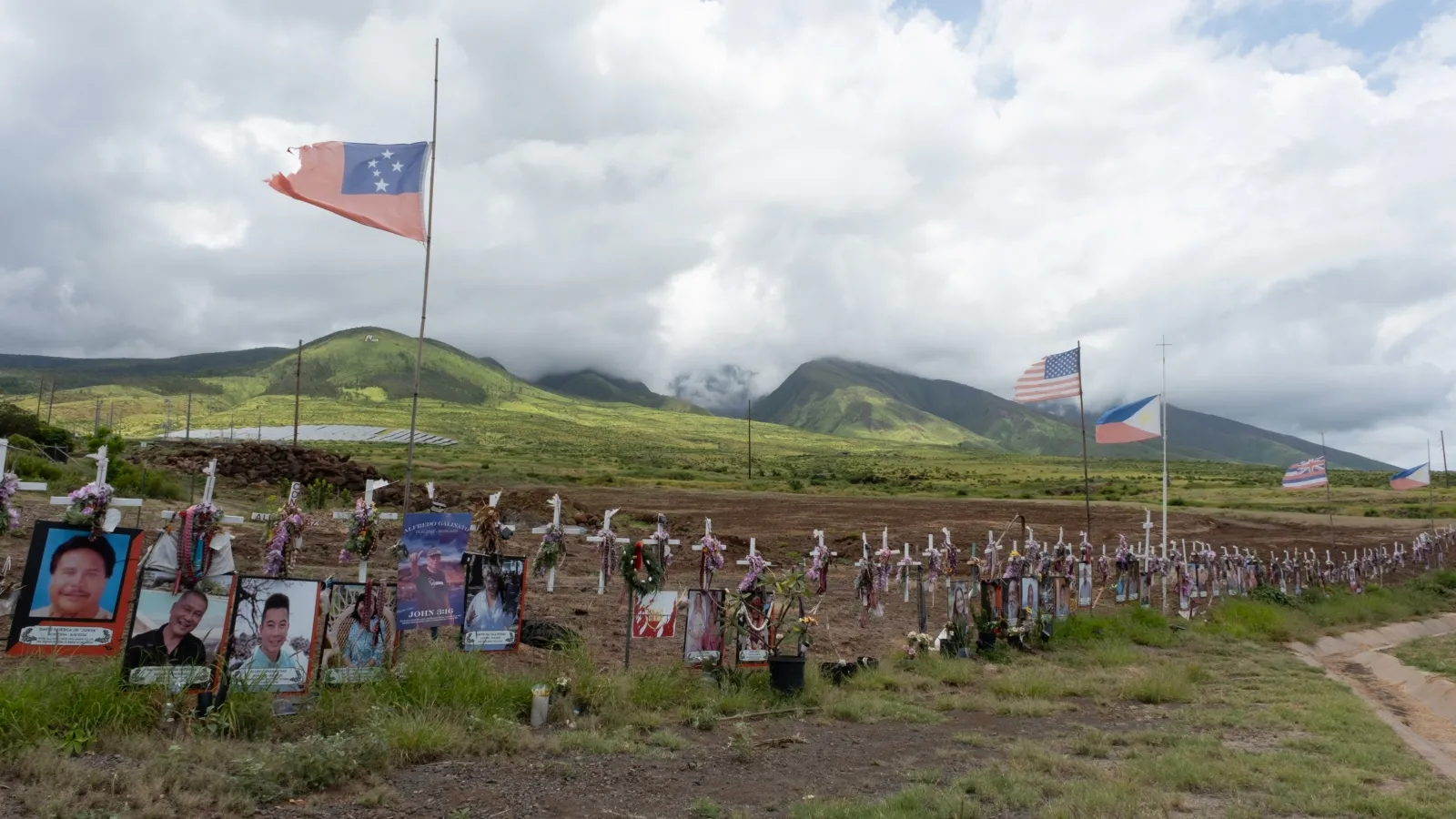
Despite the hurdles, Maunakea and Juarez remain resolute. As the weekend clinic drew to a close, with staff packing diagnostic kits for the return flight to O‘ahu, the researchers continued to compile names of new participants turned away due to capacity limits, hoping against hope that renewed funding materializes. For Maunakea, the imperative to continue is rooted not merely in academic obligation, but in a profound cultural duty to the community. Recalling the teachings of his ancestors, he remains confident that the work will endure: to do good until the obstacles are overcome, ensuring that the health and resilience of Maui’s survivors remain a priority long after the smoke has cleared.