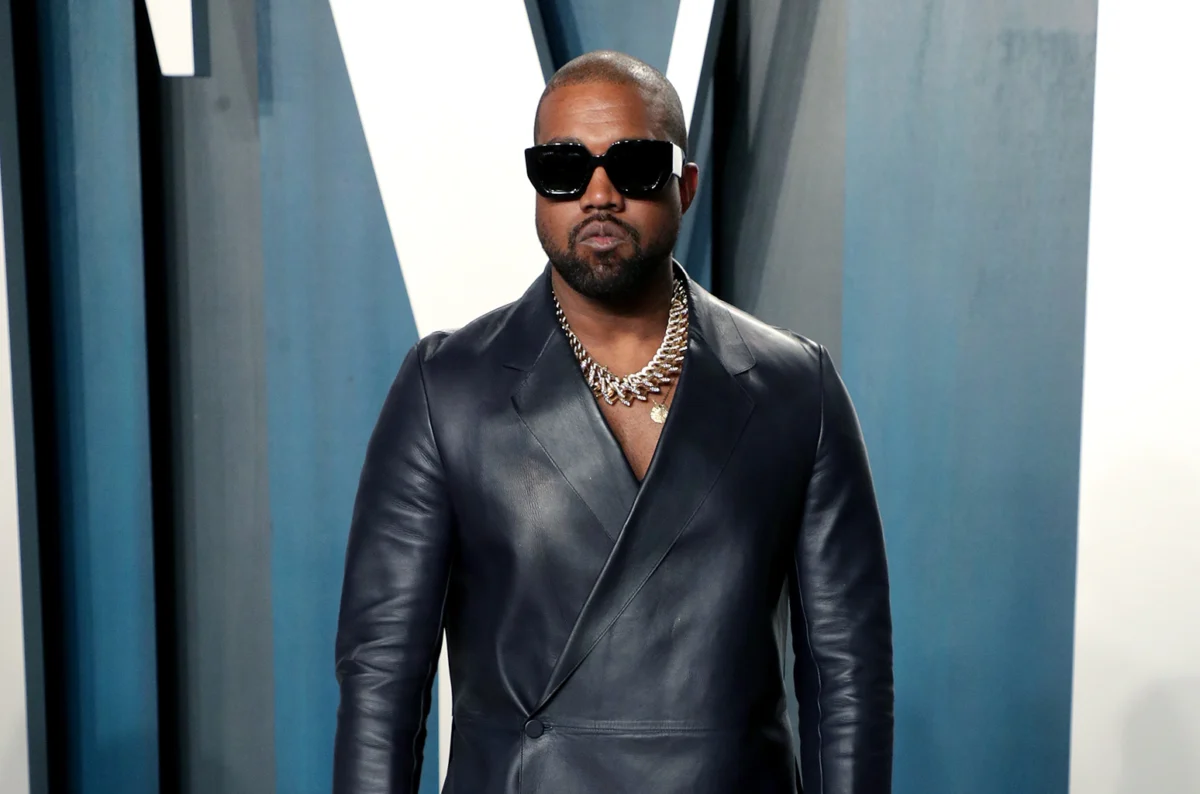
Ye, the artist formerly known as Kanye West, has navigated a career defined by both unprecedented creative influence and a persistent, often litigious relationship with the music industry’s complex copyright apparatus. Over the course of his multi-decade tenure in the recording industry, federal court dockets reveal that the rapper has been named as a defendant in at least 20 separate lawsuits concerning claims of unauthorized sampling or the unlicensed interpolation of copyrighted musical compositions. This pattern of litigation has intensified significantly in recent years, with 15 of these cases filed since 2019 alone, signaling a shift in how copyright holders, estate managers, and publishing entities monitor and enforce their intellectual property rights in the streaming era.
The Anatomy of Sampling Litigation
Sampling—the act of taking a portion of a sound recording and reusing it in a different song—is a foundational pillar of hip-hop. However, the legal threshold for what constitutes “fair use” versus “infringement” remains a subject of intense judicial scrutiny. In the context of Ye’s career, the disputes typically fall into two categories: the unauthorized use of a master recording (the actual audio file) and the unauthorized interpolation of a musical composition (the melody, lyrics, or arrangement).
While the majority of these legal skirmishes are resolved through private settlements, the frequency of these filings suggests a systemic friction between Ye’s avant-garde approach to production and the stringent clearance protocols maintained by major labels and publishers. These 20 documented cases represent only those that reached the level of federal litigation, excluding countless informal disputes, cease-and-desist notifications, and high-profile public grievances, such as the 2024 controversy involving Ozzy Osbourne, who publicly alleged that Ye sampled his work without authorization despite a previous refusal of consent.
A Chronology of Legal Contention
The timeline of Ye’s legal challenges reflects the evolution of his career, moving from his early days as a sample-heavy producer for Roc-A-Fella Records to his more recent, experimental projects like Donda.
- The Early Era (2000s–2010s): Initial disputes were characterized by standard industry disagreements over publishing splits and master synchronization rights. During this period, the rapper’s team often operated under the assumption that creative transformation justified usage, an interpretation that frequently clashed with the rigid “clearance first” culture of major music publishers.
- The Proliferation Phase (2019–2023): This period saw an exponential increase in lawsuits. As streaming platforms began to prioritize the automated detection of copyrighted audio, the ease with which rights holders could identify unauthorized usage increased. Cases during this window involved high-profile tracks and complex multi-party disputes, often naming not just the artist, but his production companies and the labels responsible for distribution.
- The Trial of May 2026: A landmark moment in this legal history occurred in May 2026, when a copyright infringement lawsuit regarding samples used in the Donda era reached a full trial. This case was significant not only for its outcome but for the rare visibility it provided into the artist’s creative process.
Witness Stand Testimony and Judicial Verdicts
During the May 2026 proceedings, Ye took the witness stand to defend his methodology. In his testimony, the artist articulated a philosophy that prioritized the artistic spirit of a project over the bureaucratic requirements of copyright clearance. “I pride myself on giving people what they deserve,” Ye told jurors, framing his sampling as a form of homage or collaborative expansion rather than theft. He further argued that the legal challenges he faced were frequently orchestrated by parties seeking to leverage his fame for financial gain, stating, “I feel like a lot of people try to take advantage of me.”
Despite his defense, the jury returned a verdict finding the artist liable for copyright infringement. The resulting six-figure damages award served as a stark reminder that even in an era of digital experimentation, the legal requirements of the Copyright Act of 1976 remain firmly in place. This verdict underscored a reality that many in the music industry had suspected: that the sheer volume of material produced by high-output artists often outpaces the capacity for legal departments to secure the necessary clearances, leading to expensive and public repercussions.
Data Analysis: Trends in Enforcement
A breakdown of the litigation data reveals that the risk profile for artists of Ye’s stature has changed. In the early 2000s, sampling disputes were often settled quietly for modest fees. Today, the rise of sophisticated audio-fingerprinting technology has created a “zero-tolerance” environment.
The 15 cases filed since 2019 are indicative of a broader industry trend where rights holders are increasingly aggressive in protecting their catalogs. This is partly driven by the fact that song catalogs have become high-value financial assets. When a legacy artist or a private equity firm acquires the rights to a catalog, they are incentivized to audit those assets for potential infringements. Consequently, artists who rely heavily on sampling are now subject to a level of scrutiny that did not exist twenty years ago.
Broader Industry Implications
The implications of this litigation history extend far beyond the artist himself. The recurring lawsuits involving Ye serve as a case study for the entire hip-hop genre. They highlight the precarious balance between artistic freedom and the protection of intellectual property.
For producers and artists, the takeaway is clear: the “ask for forgiveness later” model of music production is increasingly unsustainable. The legal risks—not just in terms of financial damages, but in terms of injunctions that could see songs pulled from streaming services—are too high. Furthermore, the public nature of these trials has sparked a debate about whether the current copyright system stifles innovation. Critics of the current litigation environment argue that the high cost of clearance prevents emerging artists from engaging in the type of transformative work that defined the golden age of hip-hop.
Conversely, legal experts maintain that without strict enforcement, the value of musical composition would be severely diminished. They argue that copyright is the primary mechanism through which songwriters are compensated for their work, and that allowing unauthorized usage undermines the economic foundations of the music business.
Official Responses and Future Outlook
While representatives for Ye have generally declined to comment on specific ongoing litigations, citing the private nature of settlement agreements, the artist’s public comments suggest a continued frustration with the current legal landscape. The legal team representing the plaintiffs in the 2026 trial emphasized that their goal was not to stifle creativity, but to ensure that the original creators of the sampled works were fairly compensated and acknowledged.
As the industry moves forward, it is likely that technology will play a dual role. While AI-driven monitoring will continue to increase the number of lawsuits filed, it may also provide a solution through automated, real-time royalty disbursement systems. Such systems could theoretically allow artists to sample music legally and instantly, with royalties automatically routed to the original rights holders. Until such a system becomes the industry standard, however, the courtroom remains the final arbiter for the most contentious disputes.
The legal history of Ye is, in many ways, a mirror of the modern music industry’s struggle to reconcile the legacy of analog-era property rights with the speed and scale of digital-era production. Whether through future settlements or further trials, the resolution of these cases will continue to shape the legal framework for how music is created, shared, and protected in the years to come. The artist’s career, marked by both musical brilliance and legal turmoil, serves as a permanent reference point for any discussion regarding the limits of artistic appropriation in the 21st century.