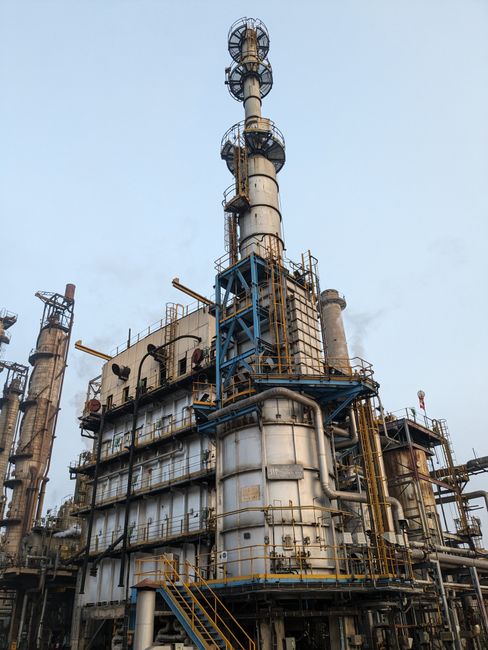
Massive Blast Rocks Shandong Chemical Plant: Investigating the Devastating Incident in China
A catastrophic explosion tore through a chemical plant in Zibo City, Shandong Province, China, sending shockwaves across the region and igniting a significant fire. The incident, which occurred on [Date of Incident – if known, otherwise state "a recent date"], has raised serious concerns about industrial safety protocols and the potential environmental and health impacts of such large-scale chemical accidents. Early reports indicate a series of powerful detonations originating from within the [Name of Chemical Plant, if known, otherwise state "facility operated by [Company Name, if known]"]. The scale of the blast was such that it was felt kilometers away, shattering windows and causing structural damage to nearby buildings. Emergency services were immediately mobilized, with firefighters battling the intense blaze that erupted in the aftermath of the explosions. The exact cause of the blast remains under investigation, but initial speculation points towards a potential ignition of volatile chemical compounds stored at the facility.
The immediate aftermath of the Zibo chemical plant explosion was characterized by chaos and a massive emergency response. Firefighters from Zibo and surrounding areas converged on the scene, facing a formidable challenge in containing the conflagration that spewed thick, acrid smoke into the atmosphere. The sheer intensity of the explosions necessitated the evacuation of residents from areas close to the plant, with authorities establishing safety perimeters to prevent further casualties. Preliminary reports from local media and official statements have confirmed [Number] fatalities and [Number] injuries, with some of the injured in critical condition. The psychological impact on the local population cannot be overstated, as residents recount the terrifying experience of being shaken by the force of the explosions and witnessing the terrifying glow of the fire. The Shandong provincial government has launched a comprehensive investigation into the incident, promising a thorough and transparent inquiry to determine the root cause and assign accountability.
The Zibo chemical plant, situated in a region known for its significant industrial output, has been a focal point of scrutiny following the devastating blast. While specific details about the chemicals handled at the facility are still emerging, it is understood that a range of potentially hazardous materials were present. The nature of chemical plant operations inherently involves the storage and processing of substances that can be highly flammable, explosive, or toxic. Investigations will undoubtedly focus on the plant’s safety management systems, including adherence to regulations concerning the storage, handling, and disposal of chemicals. Critical areas of inquiry will include whether proper ventilation systems were in place, if emergency shutdown procedures were effectively implemented, and the condition of storage tanks and processing equipment. The potential for human error, equipment malfunction, or a combination of factors will be thoroughly examined by the investigative teams.
Industrial accidents of this magnitude in China, while not unheard of, often prompt widespread public concern and calls for stricter enforcement of safety regulations. The Zibo explosion is likely to reignite debates surrounding China’s rapid industrialization and the balance between economic growth and environmental and public safety. Reports from the scene have highlighted the presence of [mention specific types of damage, e.g., collapsed structures, widespread debris] following the blast, underscoring the destructive power unleashed. The economic implications of the incident are also significant, with damage to the plant itself and potential disruption to supply chains reliant on its products. Insurers are expected to face substantial claims, and the long-term economic impact on the local community will be considerable.
Environmental concerns are paramount in the wake of such a chemical plant disaster. The thick plume of smoke emanating from the Zibo explosion contained a cocktail of potentially harmful pollutants, raising fears of air and soil contamination. Environmental monitoring agencies are expected to conduct extensive testing to assess the extent of any chemical dispersion and its potential impact on local ecosystems and human health. Respiratory illnesses, skin irritations, and long-term health effects are potential concerns for residents exposed to the smoke and any released chemical substances. The government’s response will likely include measures to mitigate environmental damage and provide necessary health support to affected populations. The rehabilitation of the affected area will be a long and complex process, requiring careful planning and execution.
The investigation into the Zibo chemical plant explosion will likely follow a multi-pronged approach, involving government agencies, independent experts, and potentially international specialists if deemed necessary. Key aspects of the investigation will include:
- Forensic Analysis of the Explosion Site: This will involve detailed examination of the blast epicenter, wreckage, and any surviving equipment to identify the source and mechanism of the explosion.
- Review of Operational Logs and Records: Scrutiny of maintenance records, safety audits, chemical inventory, and employee training logs will be crucial in understanding the plant’s operational history and any deviations from safety protocols.
- Interviews with Plant Personnel and Witnesses: Gathering firsthand accounts from employees who were present at the time of the incident, as well as eyewitnesses from the surrounding community, will provide invaluable insights.
- Analysis of Chemical Compounds Involved: Identifying the specific chemicals present at the plant and their properties will be essential in understanding the potential for an explosive reaction. This includes assessing storage conditions, compatibility of different substances, and potential for unintended chemical reactions.
- Evaluation of Emergency Response Procedures: Assessing the effectiveness of the plant’s emergency response plans and the actions taken by first responders will be critical for identifying areas for improvement in future disaster preparedness.
- Assessment of Regulatory Compliance: Determining whether the chemical plant was in full compliance with all relevant national and provincial safety and environmental regulations will be a key component of the investigation. This may involve reviewing past inspections and permits.
The global chemical industry operates under a set of stringent safety standards, driven by the inherent risks associated with handling hazardous materials. Incidents like the Zibo blast serve as stark reminders of the importance of robust safety cultures and continuous vigilance. Best practices in chemical plant safety include:
- Process Safety Management (PSM): This comprehensive framework focuses on preventing the release of hazardous chemicals through rigorous management of processes, equipment, and procedures.
- Hazard Identification and Risk Assessment (HIRA): Regularly identifying potential hazards and assessing the associated risks is fundamental to implementing effective control measures.
- Management of Change (MOC): Any modifications to processes, equipment, or materials must be carefully evaluated and managed to prevent unintended consequences.
- Operator Training and Competency: Ensuring that all personnel are adequately trained and competent in their roles, particularly in handling hazardous materials and emergency procedures, is vital.
- Regular Inspections and Maintenance: Proactive maintenance and frequent inspections of all equipment, including storage tanks, pipelines, and safety systems, are essential to prevent failures.
- Emergency Preparedness and Response: Developing and regularly practicing comprehensive emergency plans, including evacuation procedures, fire suppression, and communication protocols, is critical.
- Safety Culture: Fostering a strong safety culture where employees feel empowered to report concerns and near misses without fear of reprisal is paramount.
The international community will be closely observing the investigation and the subsequent actions taken by the Chinese authorities. Lessons learned from the Zibo chemical plant explosion can inform safety practices globally and reinforce the shared commitment to preventing similar tragedies. The focus will be not only on identifying the immediate cause of the blast but also on understanding systemic failures and implementing reforms to enhance industrial safety across China and potentially beyond. The recovery process will be multifaceted, encompassing not only physical reconstruction but also the rebuilding of trust within the affected community and the broader public regarding industrial safety standards.
Furthermore, the Zibo incident highlights the critical role of independent oversight and regulatory enforcement in the chemical industry. While economic development is a priority, it must not come at the expense of public safety and environmental protection. Transparency in investigations and accountability for negligence are crucial for maintaining public confidence and ensuring that such devastating events are not repeated. The long-term implications of this explosion will likely include enhanced scrutiny of chemical plants across China, potentially leading to stricter regulations, more frequent inspections, and a greater emphasis on corporate responsibility for safety. The focus on sustainability and responsible industrial practices will undoubtedly intensify in the wake of this tragic event.
The ongoing investigation will seek to answer a multitude of questions regarding the Zibo chemical plant explosion. What specific chemical reaction or event triggered the initial detonation? Were there any precursors or warning signs that were missed or ignored? Did the plant’s safety systems function as intended, or did they fail? What was the role of human error, if any? Was there a lapse in regulatory oversight? The answers to these questions will shape the future of industrial safety in China and provide valuable lessons for the global chemical industry. The commitment to thoroughness and impartiality in the investigation will be paramount to ensuring that justice is served and that preventative measures are effectively implemented. The resilience of the Zibo community and its ability to recover from this devastating event will be a testament to their strength and determination.
