The automotive industry currently stands at a crossroads, navigating a complex transition from internal combustion engines to fully electric powertrains. In this landscape, the plug-in hybrid electric vehicle (PHEV) has emerged as a focal point of intense debate among consumers, manufacturers, and regulators. Once viewed merely as a niche bridge technology, the PHEV is now being repositioned as a primary solution for drivers who seek the benefits of electric mobility without the associated "range anxiety" of a pure battery-electric vehicle (BEV). However, the rise of the PHEV is not merely a response to consumer demand; it is equally a product of stringent regulatory frameworks and a sophisticated engineering effort to balance cost, weight, and efficiency.
The Strategic Role of the Plug-in Hybrid
A plug-in hybrid typically features an internal combustion engine (ICE) paired with an electric motor and a battery pack significantly larger than those found in traditional hybrids. This architecture allows for a dedicated electric-only driving range, usually sufficient for daily commuting, while maintaining a gasoline tank for long-distance travel. When the battery is depleted, the vehicle operates as a conventional hybrid, utilizing the engine and a small portion of the battery’s capacity to maintain fuel efficiency.
The industry’s renewed focus on PHEVs comes at a time when the growth rate of BEV sales has shown signs of stabilization in certain markets. Manufacturers are increasingly viewing the PHEV as an "on-ramp" to full electrification. By providing a familiar refueling experience alongside the ability to charge at home, PHEVs offer a psychological safety net. Yet, critics argue that the dual-powertrain approach introduces undue complexity and cost, requiring the maintenance of two distinct systems. Furthermore, environmental groups have raised concerns regarding the "real-world" emissions of these vehicles.
Regulatory Pressures and the Efficiency Gap
The push toward more advanced PHEVs is largely driven by evolving government standards. In the United States, the Environmental Protection Agency (EPA) and Corporate Average Fuel Economy (CAFE) standards are tightening, while California’s Advanced Clean Cars II regulations mandate that a significant portion of "zero-emission" sales can be comprised of high-range PHEVs.
However, data suggests a discrepancy between laboratory ratings and actual consumer behavior. A 2022 study by the International Council on Clean Transportation (ICCT) analyzed U.S. data and discovered that PHEVs are often driven 25% to 65% fewer electric miles than EPA window stickers suggest. Similarly, the European Commission recently concluded that real-world use of PHEVs results in significantly higher emissions than anticipated because many owners fail to plug in their vehicles regularly.
In response, the EPA has proposed new "utility factors"—the ratio of miles driven on electricity versus gasoline—to more accurately reflect real-world usage in future greenhouse gas regulations. This shift is forcing automakers to develop PHEVs with much larger electric ranges to ensure they continue to meet compliance targets.
Technological Advancements: The Shift Toward 50-Plus Mile Ranges
The next generation of plug-in hybrids is defined by a significant leap in battery density and electric-only capability. While older PHEVs often struggled to provide 20 miles of range, the upcoming 2025 models are pushing toward a new benchmark of 50 to 70 electric miles. This threshold is critical because it covers the vast majority of daily driving needs in North America, effectively allowing the vehicle to function as an EV for the work week.
Beyond range, the driving experience is also evolving. Modern PHEV control logic is being programmed to prioritize the electric motor more aggressively. In many new systems, the gasoline engine remains dormant even under heavy acceleration, provided there is sufficient charge. This "electric-first" philosophy is a departure from earlier designs where the engine would frequently kick in to assist the motor during highway merging or steep inclines.
2025 Model Year: New Entries and Significant Refreshes
As the 2025 model year approaches, several key vehicles are set to redefine the segment. These models range from mass-market crossovers to high-performance luxury sedans and heavy-duty trucks.
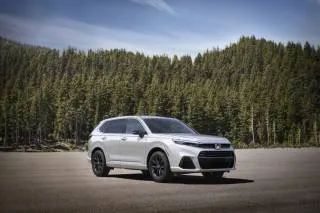
Honda CR-V e:FCEV
In a unique departure from traditional PHEV design, Honda is introducing the 2025 CR-V e:FCEV. This vehicle replaces the gasoline engine with a 92.2-kw hydrogen fuel-cell stack. While it functions as a fuel-cell vehicle, it also features a 17.7-kwh battery pack that can be charged via a standard plug, providing 29 miles of battery-only range. This dual-fuel approach is intended to mitigate the current lack of hydrogen refueling infrastructure in California, the only state where the model will be available. The system produces 174 hp and 229 lb-ft of torque, offering a glimpse into how hydrogen and plug-in technology might eventually merge.
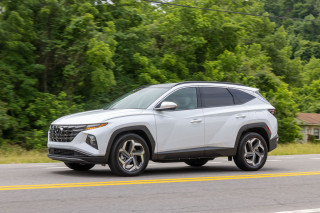
Hyundai Tucson Plug-In Hybrid
The 2025 Hyundai Tucson PHEV receives a mid-cycle refresh that focuses on interior technology and exterior styling. While the powertrain remains consistent—a 13.8-kwh battery providing 33 miles of range—the vehicle now features a standard all-wheel-drive system and a "Green Zone" drive mode, which automatically switches to electric power in designated low-emission areas or near schools and hospitals. With a 7.2-kw onboard charger, the Tucson can be fully recharged in under two hours on a Level 2 connection, making it one of the more practical options for suburban families.
Mercedes-Benz GLC 350e
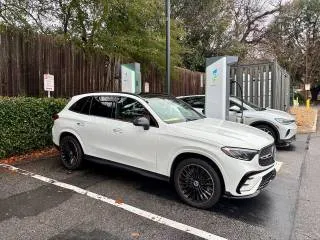
The Mercedes-Benz GLC 350e represents the high-efficiency end of the luxury PHEV spectrum. Equipped with a 24.8-kwh battery (23.3 kwh of which is usable), it achieves an EPA-rated 54 miles of electric range. This puts it ahead of many competitors in the luxury crossover segment. Furthermore, Mercedes has included a 60-kw DC fast-charging capability, allowing the battery to reach full capacity in approximately 30 minutes—a rarity for plug-in hybrids, which typically rely on slower AC charging.
Porsche Panamera Turbo S E-Hybrid
For the 2025 model year, Porsche is emphasizing performance through electrification with the redesigned Panamera Turbo S E-Hybrid. By pairing a twin-turbocharged 4.0-liter V-8 with a potent electric motor, the vehicle produces a staggering 771 hp. A new 25.9-kwh battery pack is expected to significantly improve upon the previous model’s 20-mile range. Porsche’s strategy demonstrates that PHEV technology is not just for efficiency but can be used to enhance the torque and acceleration of high-end sports sedans.
Volvo XC90 T8
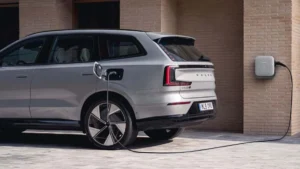
Volvo’s flagship SUV, the XC90, receives a substantial update for the "2025.5" model year. While the brand is moving toward a fully electric future with the EX90, the XC90 T8 remains a vital part of its portfolio. The updated model features the "sweeping interface" from the EX90 and improved cabin materials. Its powertrain provides 310 hp from the engine and 145 hp from the electric motor, with an anticipated 33 miles of electric range. Volvo executives have described the PHEV as their "backup plan" for customers not yet ready to commit to the infrastructure requirements of the EX90.

The Emergence of Series Hybrids and Range Extenders
One of the most significant shifts in the 2025 market is the arrival of the "series hybrid" or range-extended electric vehicle (REEV). Unlike parallel hybrids, where both the engine and motor can drive the wheels, a series hybrid uses the gasoline engine solely as an onboard generator to charge the battery or power the electric motors.
Ram 1500 Ramcharger
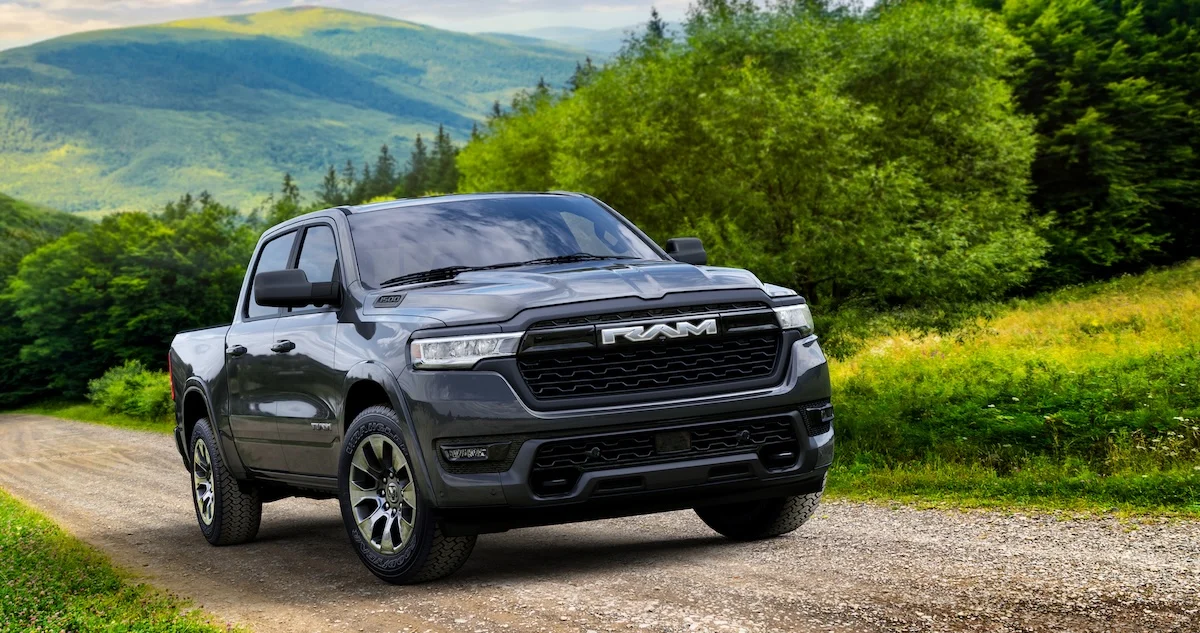
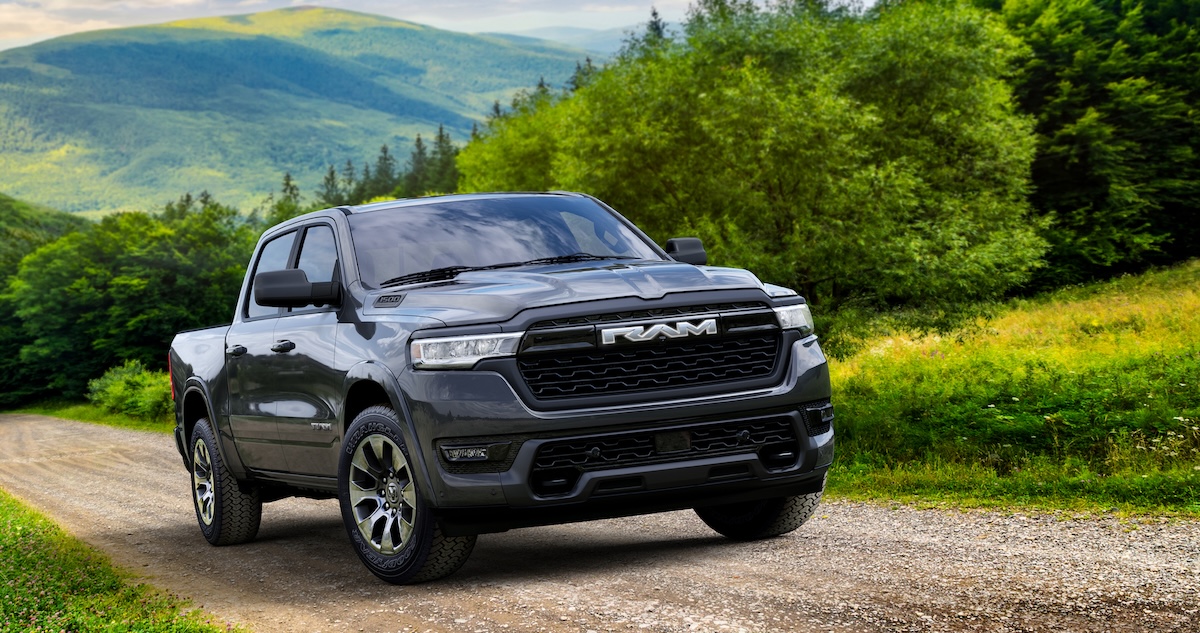
The 2025 Ram 1500 Ramcharger is the most prominent example of this technology. It features a massive 92-kwh battery pack—larger than the batteries in many dedicated EVs—providing an estimated 145 miles of electric-only range. When the battery is low, a 3.6-liter V-6 engine activates to generate electricity, extending the total range to 690 miles. Because there is no mechanical link between the engine and the wheels, the truck maintains the instant torque and smooth driving characteristics of an EV even when the engine is running. This configuration is specifically designed for towing, a task that typically depletes the range of pure electric trucks by 50% or more.
Jeep Gladiator and Wagoneer 4xe
Following the success of the Wrangler 4xe, which became the best-selling PHEV in America, Jeep is expanding its 4xe badge to the Gladiator pickup and the full-size Wagoneer and Grand Wagoneer SUVs. The Wagoneer models are expected to utilize a version of the Ramcharger’s range-extending system, allowing these heavy three-row SUVs to operate with zero emissions in urban environments while retaining the ability to tow heavy trailers across the country.
Broader Implications and Industry Outlook
The resurgence of the plug-in hybrid reflects a pragmatic shift in the automotive industry’s electrification timeline. While the ultimate goal for many manufacturers remains a zero-emission fleet, the PHEV serves as a necessary intermediary that addresses the current limitations of the public charging network and the high cost of large battery packs.
From an economic perspective, PHEVs allow automakers to spread the cost of battery development across a wider range of products. From a consumer perspective, they offer a "test drive" of the electric lifestyle. However, the long-term success of the PHEV depends on two factors: the continued improvement of battery energy density and the willingness of owners to actually utilize the "plug" part of the equation.
As we move into 2025, the distinction between a "hybrid with a plug" and an "electric car with a backup" will become increasingly blurred. With ranges pushing past 50 miles and the introduction of range-extended trucks like the Ramcharger, the PHEV is no longer a compromise—it is becoming a sophisticated, high-performance alternative to both traditional gasoline cars and pure electric vehicles. The coming year will be a critical test of whether these advanced powertrains can satisfy both the rigorous demands of environmental regulators and the diverse needs of the global driving public.