The rapid expansion of artificial intelligence and high-capacity computing has triggered an unprecedented surge in demand for data centers, yet this digital gold rush is increasingly colliding with local resistance and infrastructure limitations across the United States. Recent public opinion data suggests a growing rift between the technological needs of the Silicon Valley elite and the lived experiences of residents in the communities where these facilities are proposed. A Gallup poll conducted recently highlights a rare moment of bipartisan consensus: both Democrats and Republicans are largely opposed to the construction of data centers in their immediate neighborhoods. This opposition is rooted in a trifecta of concerns involving noise pollution from industrial cooling fans, the immense strain on local water supplies, and the potential for rising electricity rates as utilities scramble to meet the massive power requirements of server farms.
In response to these public anxieties, policymakers in several states have begun to implement or propose significant restrictions. New York legislators recently introduced a moratorium on certain data center developments to assess their environmental impact, while Texas Governor Greg Abbott has signaled a need for tighter regulations and a re-evaluation of sales tax exemptions for the industry. In Pennsylvania and Utah, similar moves are underway to establish stricter grid standards and development protocols. Amidst this climate of mounting friction, a new project unveiled by California Resources Corporation (CRC) in California’s Central Valley may provide a blueprint for the future of the industry by repurposing the remnants of the fossil fuel era for the digital age.
The Golden Valley Technology Hub: A Strategic Pivot
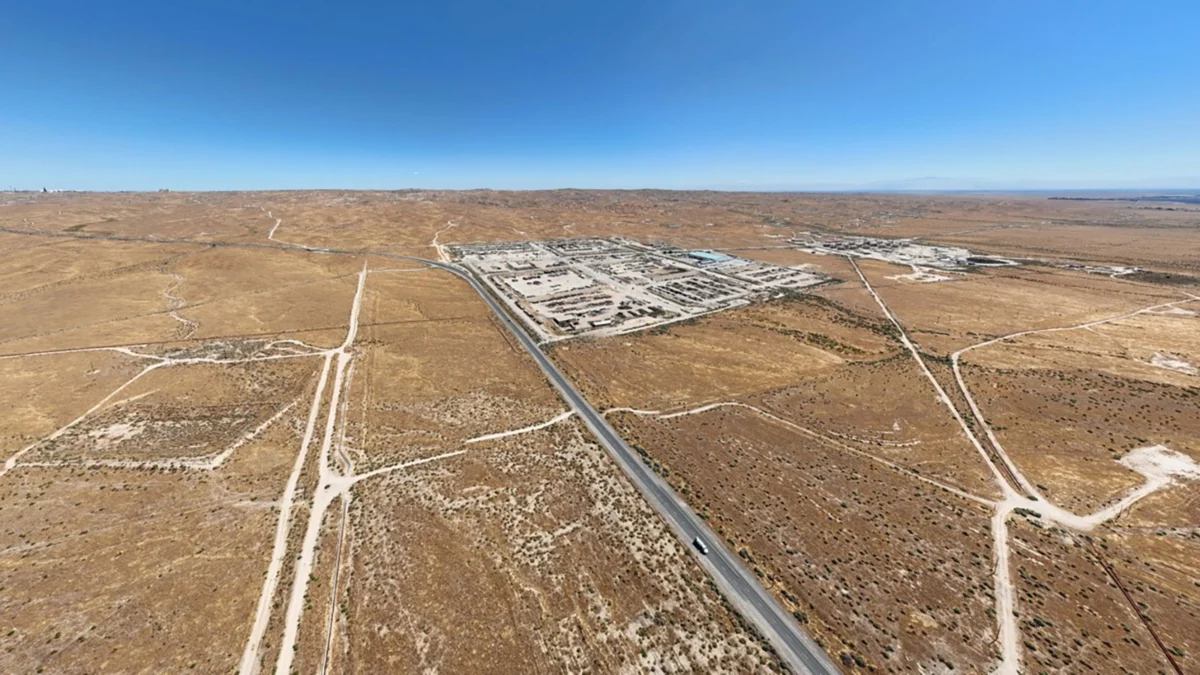
California Resources Corporation, the state’s largest independent oil and gas producer, has announced plans to develop a 600,000-square-foot data center campus within the Elk Hills oil field. Located approximately two hours north of Los Angeles in Kern County, the project—dubbed the Golden Valley Technology Hub—represents a significant shift in strategy for a company traditionally focused on extraction. By placing the facility on 100 acres within a sprawling, 75,000-acre active oil field, CRC and its partner, Beacon, aim to bypass the "Not In My Backyard" (NIMBY) sentiment that has stalled projects in more residential or agricultural areas.
The choice of Elk Hills is calculated. Unlike developments in Northern Virginia or suburban Texas that have been accused of swallowing prime farmland or encroaching on residential zones, the Golden Valley project is situated more than a mile from the nearest residential homes. The site is already heavily industrialized, having supported oil and gas operations for over a century. This existing industrial footprint provides a layer of social and regulatory insulation, as the local community is accustomed to large-scale energy infrastructure.
Chris Gould, CRC’s Chief Sustainability Officer and head of its carbon capture venture, emphasized that the project is designed as a "responsible development" model. By utilizing an existing industrial site, the project avoids the ecological disruption associated with "greenfield" developments. Gould noted that the hub would employ one of the industry’s most water-efficient cooling systems—a closed-loop design that the company claims will consume only enough water to fill a single Olympic-sized swimming pool over a ten-year period. This is a critical selling point in drought-prone California, where data center water usage has become a flashpoint for environmental advocates.
The Symbiosis of Legacy Energy and Artificial Intelligence
The trend of building data centers in or near oil and gas fields is gaining momentum across the United States, driven by the insatiable energy appetite of AI model training. In the Permian Basin of West Texas, Chevron has entered into agreements to supply natural gas to power Microsoft data centers. In Pennsylvania, developers are looking to the Marcellus Shale region to tap into abundant natural gas supplies for on-site power generation. These projects offer a dual benefit: they provide a stable, high-volume customer for energy producers while offering data center developers a "behind-the-meter" power source that bypasses the congested and often slow-to-expand public utility grid.
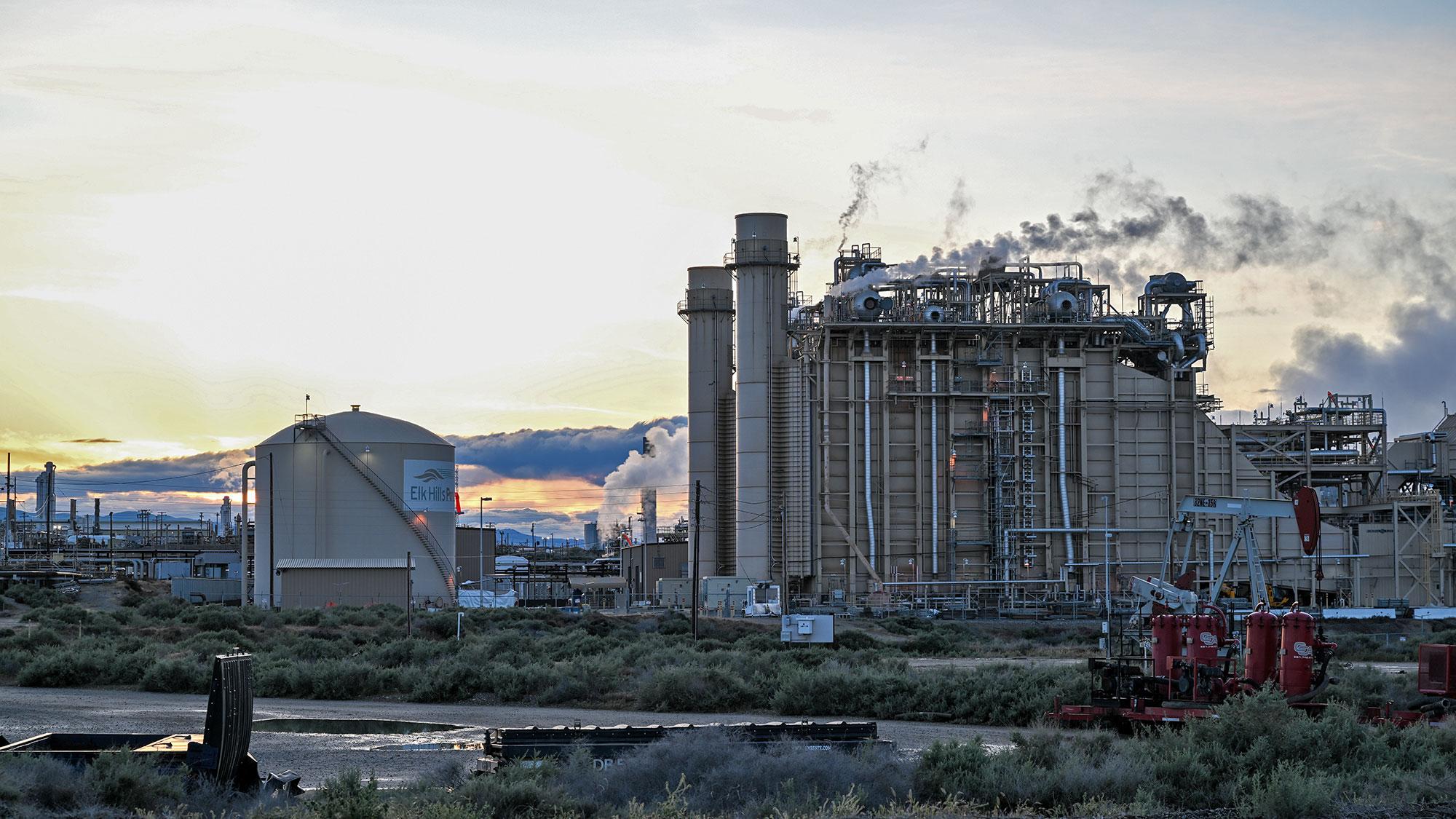
The Elk Hills project is particularly notable because it leverages a declining asset. The Elk Hills oil field, once one of the most productive in the nation, has seen a steady decrease in crude production as California moves toward more aggressive decarbonization goals. However, the site remains home to a 550-megawatt natural gas-fired power plant that was originally built to support energy-intensive steam injection for oil recovery. As oil production has waned, the plant has begun operating below its total capacity. The Golden Valley Technology Hub will be able to utilize this excess electricity, effectively "plugging in" to a captive power source that is already integrated into the site’s infrastructure.
Gabriel Collins, a research fellow at Rice University’s Center for Energy Studies, points out that the logic of this transition is grounded in the existing precedent of industrial activity. "Where you stand on these things depends on where you sit," Collins remarked. He noted that in areas like Kern County, which have seen heavy industrial activity for generations, the arrival of a data center is often viewed as an evolutionary step rather than a disruptive intrusion. This sentiment is backed by CRC’s permit application, which includes support from 150 local residents, many of whom are veterans of the regional energy industry.
Economic Realities and the Shifting Tax Base
For Kern County, the transition from oil to data is not just a matter of technology; it is a matter of economic survival. Historically, the oil and gas industry has been the backbone of the county’s economy, accounting for nearly 30 percent of its property tax revenue a decade ago. Today, that figure has plummeted to approximately 10 percent. The number of oil and gas jobs in the county has similarly halved, dropping from 12,000 in 2015 to around 6,000 today.
The Golden Valley Technology Hub is projected to create at least 1,500 union construction jobs and up to 250 permanent high-tech roles. For a region grappling with the decline of its primary industry, these figures represent a vital lifeline. The project is expected to generate substantial tax revenues that could help fund public infrastructure, including roads and community groups in nearby towns like Taft and Buttonwillow. This economic incentive is a powerful tool in gaining local political support, even as the state government in Sacramento pushes for a phase-out of fossil fuel extraction.
Governor Gavin Newsom’s administration has taken a nuanced stance on the project. While Newsom has been a vocal critic of the oil industry and has overseen regulations that have led to a 50 percent decline in California’s crude production over the last decade, he has praised CRC’s efforts in carbon capture and innovation. His office has indicated that the final decision regarding the data center should remain with Kern County officials, signaling a willingness to allow local economic interests to drive the transition.
Environmental Safeguards and the Role of Carbon Capture
One of the most significant challenges facing the Golden Valley project is its reliance on natural gas in a state committed to reaching carbon neutrality by 2045. To square this circle, CRC is integrating the data center project with its expanding carbon capture and storage (CCS) business. The company has invested billions into its "TerraVault" initiative, which aims to capture carbon dioxide emissions from industrial sources and store them permanently in depleted underground oil reservoirs.
CRC recently launched a first-of-its-kind system in California that captures CO2 from an oilfield gas plant. While the current system captures about 7 percent of the plant’s total emissions, the company asserts it has the storage capacity to scale this technology significantly. The plan for the Golden Valley Technology Hub includes building a dedicated CCS system for the power plant supplying the data center. If successful, this could create a "low-carbon" fossil fuel power model that satisfies both the immediate need for reliable energy and the long-term mandate for emissions reductions.
However, this approach has not gone unchallenged. Environmental organizations, including Earthjustice and the Center for Biological Diversity, have raised alarms about the proliferation of CCS technology. In legal filings against Kern County, these groups argue that carbon capture serves as a "smokescreen" that allows fossil fuel companies to prolong the life of polluting facilities. They contend that the infrastructure required for CCS could lead to more gas-fired power production and potentially leak stored CO2 back into the atmosphere or contaminate groundwater.
A New Paradigm for the Energy Transition
The Elk Hills project serves as a microcosm of the broader tensions inherent in the global energy transition. As demand for electricity skyrockets—driven by the twin forces of AI and the electrification of transportation—the limitations of the current renewable energy buildout are becoming apparent. While solar and wind power are expanding rapidly, they often struggle with intermittency and the long lead times required for grid connection.
By utilizing "captive" fossil fuel assets and pairing them with carbon mitigation technology, CRC is attempting to carve out a middle path. This model suggests that the future of the AI boom may not lie in building entirely new infrastructure from scratch, but in the creative "re-skinning" of existing industrial landscapes. For oil companies, the data center industry represents a lucrative new market for their energy assets as gasoline demand continues to decline—falling by 15 percent in California over the last ten years.
As the Golden Valley Technology Hub moves through a rigorous environmental review process expected to take about a year, it will be closely watched by tech giants and energy producers alike. If CRC can successfully navigate the regulatory hurdles and maintain community support, the Elk Hills oil field may soon be known less for what it pulls out of the ground and more for the digital information it processes above it. The project stands as a testament to the fact that in the race for computing power, the most valuable asset may not be the latest microchip, but the ground—and the power—that already exists.