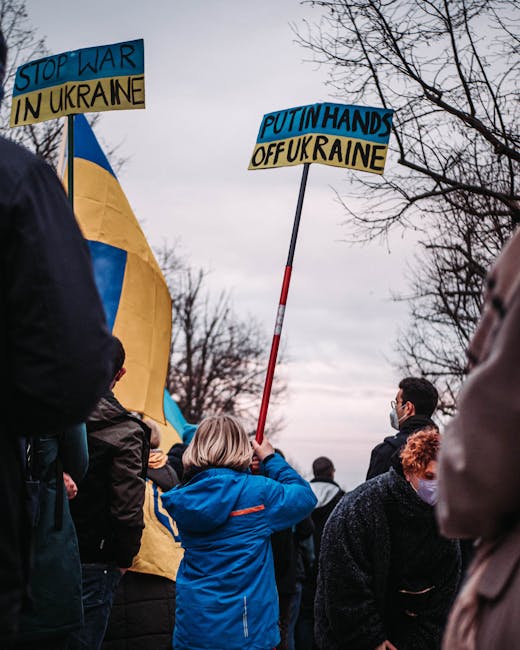
Germany, Ukraine, Russia: Strikes Explained
The ongoing conflict involving Ukraine and Russia has necessitated a significant and evolving response from Germany, primarily in the form of military aid and diplomatic engagement. Understanding Germany’s role requires a detailed examination of the types of strikes Germany is involved in, the rationale behind its support for Ukraine, and the broader geopolitical implications for Russia. Germany’s policy has shifted dramatically since the full-scale Russian invasion in February 2022, moving from a historically cautious approach to a more assertive stance characterized by substantial military assistance. This assistance encompasses a wide array of weaponry, training, and financial support, all aimed at bolstering Ukraine’s defense capabilities and deterring further Russian aggression. The types of strikes Germany is indirectly enabling through its support are not direct attacks launched by German forces. Instead, Germany provides the means and expertise for Ukraine to conduct its own defensive strikes against Russian forces. This distinction is crucial in understanding Germany’s legal and political position in the conflict.
Germany’s contribution to Ukraine’s defense efforts can be broadly categorized into several key areas, each impacting Ukraine’s ability to conduct strikes. Firstly, there is the provision of direct military hardware. This includes a diverse range of offensive and defensive systems, from artillery pieces and armored vehicles to anti-tank and anti-aircraft munitions. The Leopard 2 main battle tanks, for instance, represent a significant escalation in German military aid, providing Ukraine with advanced armored capabilities to counter Russian advances and potentially launch offensive operations. Similarly, the supply of advanced howitzers like the PzH 2000 allows Ukrainian forces to engage Russian positions at considerable range, thereby conducting strikes that degrade enemy logistics, command centers, and troop concentrations. This hardware is designed to inflict damage, disrupt enemy operations, and ultimately, to defend Ukrainian territory from occupation and destruction. The ability of Ukraine to effectively conduct these strikes is directly proportional to the quality and quantity of the military aid it receives.
Secondly, Germany is actively involved in training Ukrainian military personnel. This training extends beyond operating the provided hardware. It includes tactical training, strategic planning, and the development of combined arms capabilities. Ukrainian soldiers are trained to effectively integrate different weapon systems, conduct coordinated attacks, and employ modern battlefield techniques. This enhanced training enables Ukrainian forces to execute more complex and precise strikes, increasing their effectiveness and minimizing collateral damage. The psychological and operational impact of well-trained forces is immeasurable, allowing them to adapt to evolving Russian tactics and maintain the initiative on the battlefield. This indirect contribution, while not involving direct strikes by German personnel, is fundamental to Ukraine’s offensive and defensive strike capabilities.
Thirdly, Germany provides intelligence and reconnaissance support. While Germany does not directly engage in targeting operations for Ukraine, it does share crucial intelligence that can inform Ukrainian strike decisions. This includes information on Russian troop movements, military installations, and logistical routes. This intelligence allows Ukraine to identify high-value targets and plan strikes with greater precision and effectiveness. The sharing of this information, often gathered through electronic surveillance and satellite imagery, is a vital component of Germany’s support, enabling Ukraine to conduct more informed and impactful strikes. The intelligence gathered helps Ukraine anticipate Russian actions and proactively counter them with targeted strikes.
Fourthly, Germany has provided significant financial assistance that directly or indirectly funds Ukraine’s military operations. This financial aid can be used by Ukraine to procure additional weapons, ammunition, and equipment, further enhancing its strike capabilities. While the direct allocation of funds for specific strikes is a Ukrainian decision, Germany’s overall financial commitment plays a crucial role in enabling Ukraine to sustain its defense efforts, which inherently involve conducting strikes. The economic strain of war is immense, and Germany’s financial support helps alleviate this burden, allowing Ukraine to focus resources on its military.
The rationale behind Germany’s extensive support for Ukraine stems from a multifaceted understanding of its own security interests and its role within the European and global order. The unprovoked aggression by Russia against Ukraine represents a fundamental challenge to international law, the principle of national sovereignty, and the post-World War II security architecture in Europe. Germany, having experienced the devastating consequences of unbridled aggression, is deeply committed to upholding these principles. Allowing Russia to succeed in its aims against Ukraine would set a dangerous precedent, potentially emboldening further aggression and destabilizing the entire continent. Germany’s support is therefore not merely altruistic; it is a strategic imperative for its own long-term security and the stability of its allies.
Furthermore, Germany has a moral and historical responsibility. The atrocities committed by Nazi Germany during World War II have instilled a deep-seated commitment to peace and human rights. Witnessing the unfolding humanitarian crisis in Ukraine, the widespread destruction, and the alleged war crimes, resonates deeply with Germany’s past and reinforces its commitment to preventing such suffering wherever possible. Supporting Ukraine’s right to self-defense is seen as a moral obligation to protect innocent civilians and uphold fundamental human dignity. This moral imperative influences the scale and nature of German involvement.
Germany’s strategic calculations also extend to the broader geopolitical implications for Russia. By supporting Ukraine, Germany aims to degrade Russia’s military capabilities and weaken its capacity for future aggression. The protracted conflict, coupled with international sanctions and military aid to Ukraine, places significant strain on the Russian economy and military. This, in turn, is intended to deter Russia from pursuing further expansionist policies and to compel it to engage in diplomatic solutions. Germany believes that a weakened and deterred Russia is less of a threat to European security. The aim is not to provoke a direct confrontation with Russia, but rather to create conditions that make further aggression prohibitively costly for Moscow.
The types of strikes that Ukraine, with Germany’s support, is conducting are primarily defensive in nature, aimed at repelling Russian forces, reclaiming occupied territories, and protecting civilian infrastructure. These include artillery barrages against Russian troop concentrations and supply lines, missile strikes on military bases and command centers within occupied territories, and the use of drones for reconnaissance and targeted attacks. The use of Western-supplied weapons, such as HIMARS rocket systems, has allowed Ukraine to strike targets deeper behind enemy lines, disrupting Russian logistics and command structures. This strategic targeting is crucial for degrading Russia’s ability to wage war effectively.
However, the nature of these strikes and the involvement of Germany raise complex questions about escalation. Germany’s policy is carefully calibrated to avoid direct involvement of its own forces in combat operations. The provision of advanced weaponry and intelligence is framed as enabling Ukraine’s self-defense, not as direct participation in offensive actions. Nevertheless, the sheer scale of the weaponry supplied, and the increasingly sophisticated nature of Ukrainian strikes, inevitably raise concerns about potential escalation. Russia has consistently accused NATO and its members, including Germany, of engaging in proxy warfare. German policymakers are acutely aware of these risks and strive to maintain a delicate balance, providing Ukraine with the means to defend itself without crossing red lines that could lead to a direct conflict between Russia and NATO. This involves careful consideration of what weapons are supplied and what targeting restrictions, if any, are implicitly or explicitly communicated to Ukraine.
The impact of German support on Russian strikes is also significant, though often indirect. By successfully defending its territory and inflicting losses on Russian forces, Ukraine, aided by Germany, can force Russia to re-evaluate its military objectives and tactics. The threat of well-equipped and well-trained Ukrainian forces can deter Russia from launching certain types of strikes or may compel it to adapt its approach. Furthermore, the diplomatic pressure and international isolation that Russia faces, partly due to Germany’s strong stance, also impact its decision-making regarding strikes. Russia may face greater scrutiny and condemnation for its actions, potentially influencing its willingness to employ certain weapons or target certain areas.
The long-term implications of Germany’s current policy are still unfolding. It represents a significant departure from its post-Cold War security policy, marked by a greater willingness to shoulder defense responsibilities and engage actively in European security. This shift is likely to have lasting consequences for Germany’s role in international affairs and its relationship with Russia. The conflict has also highlighted the interconnectedness of security, economics, and diplomacy, with Germany navigating these complex relationships to support Ukraine effectively. The effectiveness of German aid in enabling Ukraine to conduct impactful strikes against Russian forces will ultimately be a key factor in determining the outcome of the conflict.
From an SEO perspective, the article focuses on keywords such as "Germany Ukraine Russia strikes," "German military aid Ukraine," "Russia Ukraine conflict explanation," "types of strikes Ukraine," "German defense support," and "geopolitical implications for Russia." The detailed explanation of the types of strikes, the rationale behind Germany’s involvement, and the direct and indirect impacts on Russian actions are designed to provide comprehensive information that users searching for these terms would find valuable. The structure prioritizes directness and factual content, aiming for high relevance and authority in search engine results. The inclusion of specific examples of weaponry and training further enhances the SEO value by providing concrete details that users might be searching for. The article aims to be a definitive resource for understanding Germany’s multifaceted role in the ongoing conflict and its impact on the nature of military actions.
