Evolution and Model Chronology
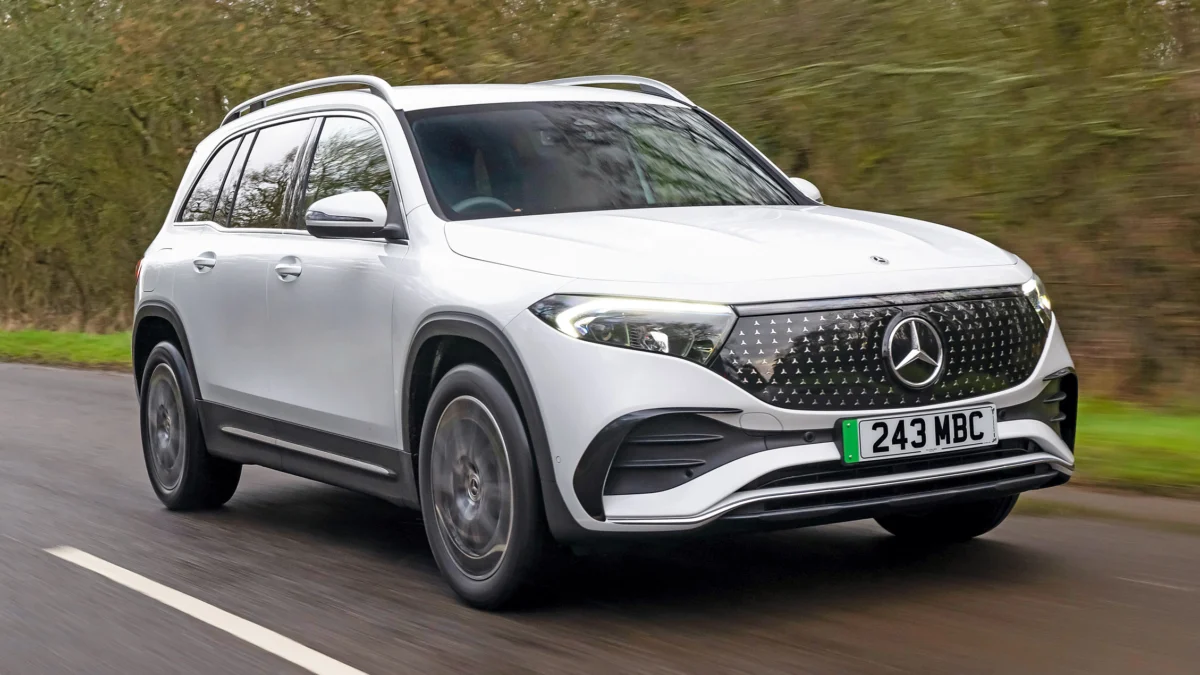
The introduction of the EQB marked a pivotal moment in Mercedes-Benz’s electrification strategy. By leveraging the existing, successful platform of the GLB, the manufacturer aimed to bridge the gap between traditional SUV utility and zero-emission urban mobility.

The lifecycle of the first-generation EQB can be segmented into two distinct phases:

- The Launch Phase (2021–2023): The vehicle debuted with two primary variants, the EQB 300 4Matic and the more powerful EQB 350 4Matic. Both models utilized a 66.5kWh battery pack and featured dual-motor all-wheel drive. During this period, the vehicle established its reputation for being a robust, if somewhat heavy, family hauler.
- The Mid-Life Update (2024–2026): In January 2024, Mercedes-Benz implemented a strategic refresh. This included aesthetic updates, most notably a restyled front grille, alongside improved interior switchgear. Crucially, this update introduced the EQB 250+ model. By switching to a front-wheel-drive configuration and utilizing a larger 70.5kWh battery, this variant offered a superior WLTP-rated range of up to 321 miles, addressing earlier consumer concerns regarding long-distance usability.
The production run of the Mk1 concluded in 2026, coinciding with the launch of the next-generation GLB Electric, which signalled the end of the "EQ" branding convention for the company’s mainstream SUV lineup.

Technical Performance and Real-World Usability
Prospective buyers must weigh the trade-offs between the various powertrains available on the used market. The EQB 350 4Matic serves as the performance benchmark, capable of reaching 0-62mph in 6.2 seconds. However, for those prioritizing range over raw acceleration, the 250+ variant is the logical choice.

Real-world testing consistently highlights a discrepancy between manufacturer-stated figures and day-to-day operation. While the EQB 250+ claims a maximum range of 321 miles, real-world conditions—accounting for motorway speeds, ambient temperature, and passenger load—typically yield between 220 and 255 miles. The older 300 and 350 models, with their smaller 66.5kWh batteries, generally offer a real-world range between 160 and 220 miles.

Despite its weight—ranging from 2,105kg to over 2,165kg depending on the configuration—the EQB excels in refinement. The suspension is tuned for comfort rather than agility, making it an exemplary motorway cruiser. The cabin maintains the high-quality, premium aesthetic characteristic of the Mercedes-Benz brand, featuring a sophisticated MBUX infotainment system and high-grade materials that have largely withstood the test of time.

Maintenance and Ownership Considerations
The long-term reliability of the EQB has been supported by a robust warranty structure. All models were delivered with a three-year, unlimited-mileage manufacturer warranty, while the battery pack is protected by an eight-year or 100,000-mile guarantee.

Service intervals are set at every two years or 20,000 miles, ensuring that maintenance costs remain predictable. A standard minor service typically costs approximately £230, while major services, which include brake fluid replacement, range from £284 to £453 depending on the service cycle. Mercedes-Benz dealers continue to offer flexible service plans for vehicles up to 18 years old, which allows owners to manage these costs through fixed monthly payments.

Recalls and Known Technical Issues
As with any high-tech vehicle, the EQB has been subject to several safety-related recalls. While most of these affected a limited number of units, one significant campaign in May 2024 involved nearly 8,000 vehicles. This recall addressed a software glitch that could potentially cause steering failure in models produced between November 2021 and January 2024.

A more severe, though highly limited, recall occurred in April 2025, concerning a potential battery fire risk in three specific vehicles manufactured in late 2023. Prospective buyers are strongly advised to check the VIN of any potential purchase against the official DVSA or manufacturer recall databases to ensure that all necessary software updates and hardware inspections have been documented. Common minor complaints reported by owners include creaking or rattling sounds from the front suspension when traversing uneven road surfaces; this is typically attributed to wear in the anti-roll-bar links, which is generally covered under warranty or a straightforward, affordable repair.

Market Positioning and Value Proposition
The drastic depreciation—some models having lost up to 60% of their original list price—has fundamentally altered the EQB’s standing in the used car market. With entry-level examples now available for under £20,000, the vehicle represents a compelling alternative to newer, entry-level electric hatchbacks.

When compared to its primary competitors, such as the Kia EV9, which offers superior interior space and newer tech, or the Tesla Model Y, which dominates in charging network integration and software efficiency, the EQB distinguishes itself through build quality and a more traditional, ergonomic interior design. It remains one of the few compact premium SUVs to offer a seven-seat configuration, although buyers should note that the third row is strictly limited to children or short-distance travel for smaller adults.

Broader Impact of the 2026 Model Transition
The transition from the EQB to the new GLB Electric represents more than just a name change; it reflects the industry’s maturation regarding electric vehicle branding and platform integration. By moving away from the "EQ" suffix, Mercedes-Benz is signalling a shift toward a more unified nomenclature, treating electric propulsion as a standard option rather than a distinct, separate sub-brand.

For the used car buyer, this shift is beneficial. It creates a clear distinction between the "experimental" early-adoption phase of the EQ series and the more integrated, refined approach of the current generation. The first-generation EQB serves as a testament to the brand’s rapid development cycle; it provided a reliable, high-spec bridge for families transitioning to electric power during the early 2020s.
Summary for the Prospective Buyer
To maximize the value of an EQB purchase, buyers should prioritize the following:
- The 250+ Variant: For most owners, the efficiency gains and increased range of the 2024+ 250+ model outweigh the performance benefits of the 300 or 350 4Matic.
- Trim Levels: The AMG Line Premium Plus is the most desirable, offering a 360-degree camera, head-up display, and the superior 12-speaker Burmester sound system. These features significantly enhance the long-term desirability of the vehicle.
- Service History: Given the complexity of the electrical systems, a full, documented service history from an authorized Mercedes-Benz dealer is essential for maintaining the integrity of the battery warranty.
- Tax Implications: Owners should be aware of the "expensive car supplement" regarding vehicle excise duty (VED). The EQB, having a high list price when new, is subject to a higher annual tax rate until the vehicle reaches its sixth birthday.
In conclusion, the Mercedes EQB stands as a highly competent, well-engineered, and now exceptionally well-priced family EV. While it may not offer the driving dynamics of a sports car or the absolute range of a dedicated, high-end long-distance tourer, its combination of premium materials, practical seven-seat layout, and refined motorway performance makes it a standout choice in the current used electric vehicle market. Provided that a thorough check for software updates and suspension wear is conducted, the EQB offers a level of comfort and brand cachet that few rivals in the same price bracket can match. As the market continues to evolve, the EQB will likely remain a popular, accessible entry point for families looking to embrace electric mobility without compromising on the traditional values of the Mercedes-Benz marque.