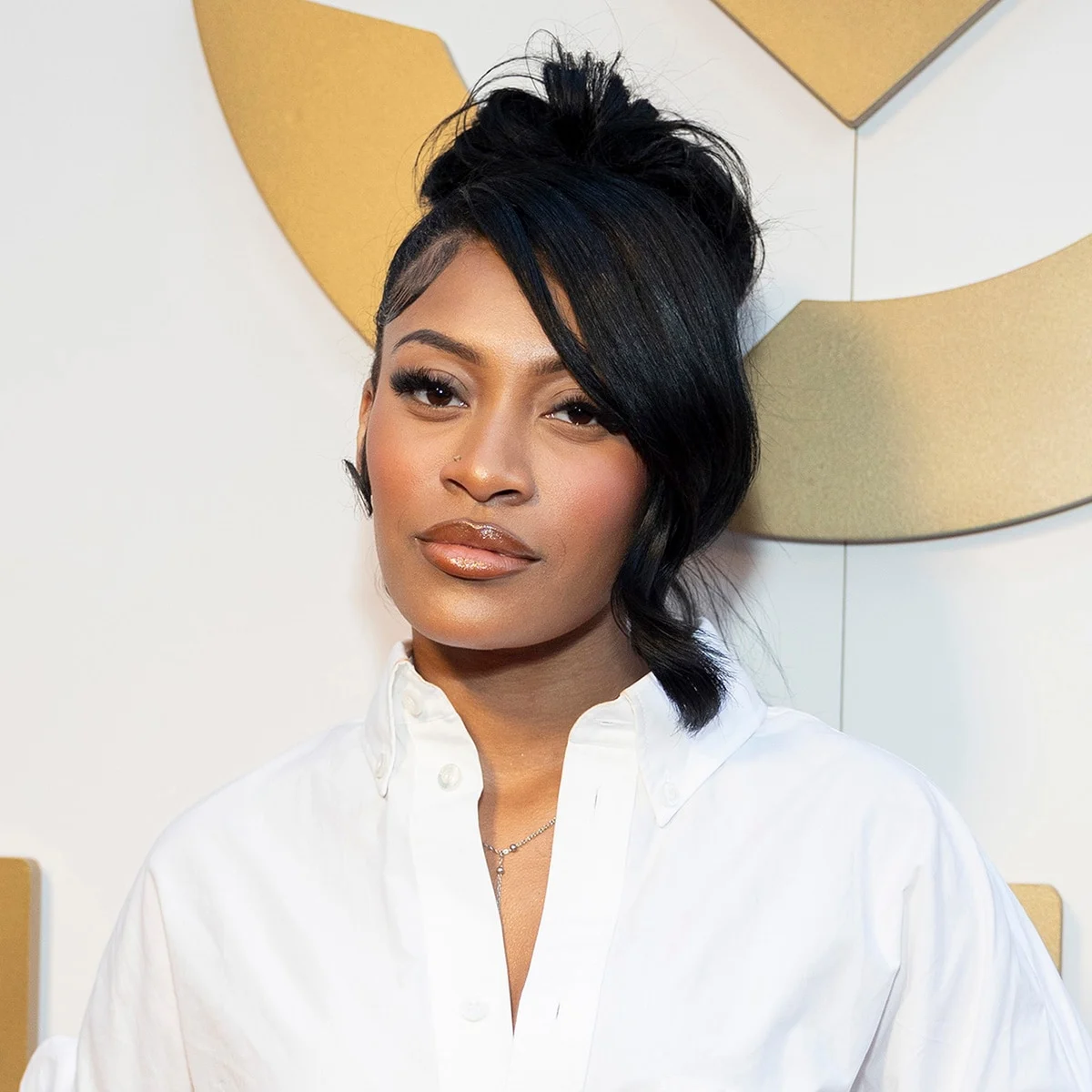
The romantic landscape of reality television often presents a stark contrast between on-screen fairy tales and the complex realities of post-show relationships. For Love Island USA season seven alumni Clarke Carraway and Taylor Williams, their journey from the sun-drenched shores of Fiji to the unpredictable pressures of the real world ultimately culminated in a publicized breakup. Months after the couple officially went their separate ways in July, Clarke Carraway has stepped forward to provide a comprehensive, firsthand account of the factors that led to the dissolution of their partnership, shedding light on personal boundaries, public scrutiny, and the unwavering standards she maintains in her romantic life.
The Genesis of a Villa Romance
To understand the eventual fracture in Carraway and Williams’ relationship, it is necessary to examine its origins within the high-pressure environment of the Love Island USA villa. During season seven, Williams—an Oklahoma City native and professional rodeo star—initially explored a romantic connection with fellow Islander Olandria Carthen. However, the dynamics of the villa shifted dramatically during the infamous Casa Amor segment, a phase of the show designed to test established bonds by introducing a fresh group of contestants.
When Carraway entered the equation during Casa Amor, she successfully turned Williams’ head, prompting him to pivot and select her during the subsequent recoupling ceremony. This bold decision solidified their pairing for the remainder of the season. Meanwhile, Olandria Carthen ultimately coupled up with Nic Vansteenberghe, with that duo securing a strong second-place finish in the competition.
Carraway and Williams navigated the remainder of the season together, ultimately finishing as the fifth runner-up. While the grand prize was ultimately claimed by Amaya Espinal and Bryan Arenales—who have also since parted ways—Williams expressed optimism about his journey at the time. In post-show interviews, including a conversation with TODAY.com, the rodeo star remarked that everything happens for a reason, maintaining a positive outlook despite missing out on the top placement. Yet, the true test for reality television couples often begins only after the cameras stop rolling and they return to their respective lives under the constant glare of social media and public observation.
The Turning Point: Rumors, Videos, and Behavioral Boundaries
The catalyst for the couple’s July breakup involved a confluence of internet speculation, unverified direct messages, and a piece of digital media that brought simmering tensions to a head. Rumors regarding Williams’ fidelity began circulating across social media platforms weeks prior to the official separation announcement. Carraway initially chose to shield herself from the digital chatter, even disregarding direct messages sent to her by external sources claiming to have spotted Williams out with a female acquaintance. At the time, she sought clarification directly from her partner, accepting his initial explanations and attempting to maintain trust.
However, the dynamic shifted decisively when a video surfaced publicly, capturing Williams in close proximity to another woman. Unlike the private direct messages, this visual evidence brought the situation into the public sphere, forcing Carraway to process the imagery alongside the general public for the very first time.
Appearing as a guest on fellow Islander Kaylor Martin’s YouTube program, Kaylor’s Crash Outs, on September 20, Carraway elaborated on the fundamental philosophical differences regarding behavior in a relationship that ultimately sealed their fate. While Williams later maintained that the woman in question was merely a platonic mutual friend, and defended his actions by stating he was simply "staying true to himself" and his naturally friendly disposition, Carraway articulated a vastly different standard for romantic partnership.
"One of the things that I was asking him to fix: Taylor is super nice, super friendly," Carraway explained during her podcast appearance. "In a relationship, I run a strict program. I don’t play that."
Elaborating on her personal code of conduct, the 25-year-old behavioral specialist emphasized the level of intentionality she brings to a relationship. She noted that she views her partner as an absolute priority, consciously considering how her actions might be perceived in every passing second, even going so far as to imagine herself constantly on camera. For Carraway, Williams’ insistence on maintaining a lifestyle and demeanor that invited ongoing speculation was incompatible with her foundational need for absolute peace of mind.
Public Reactions and Social Media Posturing
As speculation reached a fever pitch in July, both reality television personalities utilized their respective social media channels to address the mounting questions from fans, albeit in characteristically divergent ways.
Carraway leaned into a subtle, contemplative approach, sharing a series of solo photographs on Instagram accompanied by a telling caption: "Intuition is my fave accessory." The post was widely interpreted by followers as an acknowledgment of the internal conflict she was experiencing and a validation of her decision to trust her instincts regarding the relationship’s viability.
Williams, conversely, expressed frustration with the relentless digital commentary. Responding to a fan’s inquiry on a since-expired Snapchat Story regarding the circulating rumors—as documented by Cosmopolitan—the Oklahoma native made it clear that he had little patience for online gossip. "I got better things to do with my time rather than respond to shi that ain’t real," Williams wrote at the time. "I got responsibilities and a busy life I don’t have time to just sit and talk bout people."
Despite his public dismissal of the rumors, the compounding pressures of public scrutiny, differing behavioral expectations, and the fundamental misalignment in how both individuals navigated personal boundaries proved insurmountable.
Broader Implications and Philosophical Closure
Reflecting on the relationship’s demise from a psychological perspective, Carraway’s background as a behavioral specialist heavily informs her current outlook on romance. Her decision to terminate the relationship was not merely a reaction to a single viral video, but rather the application of a strict personal philosophy regarding relational security.
During her discussion on Kaylor’s Crash Outs, Carraway articulated a definitive standard for future partnerships: "If there’s any questioning in any sort of relationship, whether that’s platonic or romantic… I don’t think that God would send someone my way, whether it’s a friend or someone I’m talking to, that I would question."
This uncompromising stance highlights a growing trend among contemporary public figures and reality television alumni who prioritize emotional self-preservation and psychological peace over the maintenance of high-profile relationships constructed under artificial circumstances. By walking away from a dynamic that generated continuous doubt, Carraway has framed the breakup not as a failure, but as a necessary alignment with her core values.
The Legacy of Love Island USA Season Seven
The split between Taylor Williams and Clarke Carraway adds to the extensive catalog of post-show separations that historically characterize the Love Island franchise across both its UK and US iterations. While the villa environment successfully manufactures intense, accelerated emotional connections, the transition back to everyday life exposes the structural vulnerabilities of these pairings. Distance, lifestyle discrepancies, public pressure, and foundational differences in communication and personal boundaries frequently test these relationships beyond their breaking points.
For Williams, the focus has returned to his professional endeavors and personal responsibilities outside the entertainment sphere. For Carraway, the experience has served to reinforce her commitment to clear boundaries and uncompromising relationship standards. As both individuals continue to navigate their respective paths post-villa, their chapter serves as a case study in the complexities of modern romance under the microscope of fame, demonstrating that mutual compatibility requires far more than shared screen time and a spark forged in Fiji.