The long-standing prestige associated with luxury automotive ownership is facing a significant crisis of confidence as consumer satisfaction levels reach a critical inflection point. According to the 2026 American Customer Satisfaction Index (ACSI) Automobile Study, the traditional gap between premium nameplates and mass-market vehicles has effectively evaporated, marking a historic shift in how Americans perceive value and quality in the high-end automotive sector. While luxury brands consistently outperformed their more affordable counterparts throughout 2023, 2024, and 2025, the latest data reveals a 3% decline in overall satisfaction for the luxury segment, bringing its aggregate score down to 78 on a 100-point scale. This decline is notably sharper than the 1% dip experienced by mass-market brands, which now sit at an identical score of 78, signaling a total convergence of the two market tiers.
The End of the Luxury Premium: A Statistical Overview
The 2026 ACSI findings represent a "black eye" for an industry that has historically justified its higher price points through the promise of a superior ownership experience. The aggregate score of 78 places the automotive industry in an unusual position relative to other consumer sectors. For the first time in recent memory, the experience of owning a vehicle—regardless of its price tag—is rated lower than the experience of using a cell phone, eating at a fast-food establishment, or purchasing a vacuum cleaner, all of which currently hold a benchmark score of 79. While the automotive sector managed to stay ahead of the airline industry, which recorded a satisfaction score of 76, the narrowing margins suggest that the traditional "luxury" experience is failing to keep pace with modern consumer expectations.
The data suggests that the "halo effect" of luxury branding is wearing thin. In previous years, the higher cost of entry for brands like Lexus, Cadillac, and Mercedes-Benz was offset by high marks in service, interior comfort, and technological innovation. However, as mass-market vehicles have begun to offer advanced driver-assistance systems (ADAS), premium infotainment screens, and high-quality synthetic materials as standard equipment, the functional difference between a $40,000 sedan and an $80,000 luxury equivalent has become increasingly difficult for consumers to quantify.
The Dramatic Fall of Industry Leaders
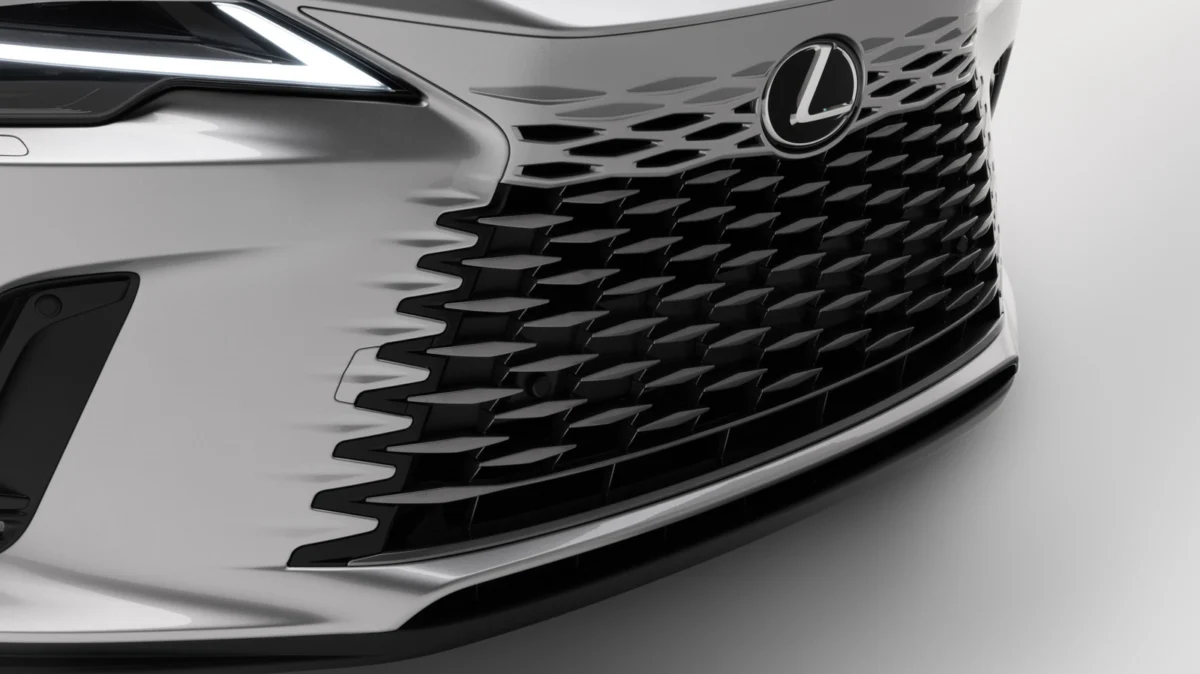
Perhaps the most startling revelation in the 2026 study is the precipitous decline of Lexus. For years, Lexus was the perennial gold standard for customer satisfaction, holding a commanding lead with a score of 87 as recently as 2025. In a single year, the brand’s satisfaction rating plummeted by 10%, landing at a score of 78. This collapse has stripped Lexus of its top-tier status, demoting it to third place in the luxury rankings.
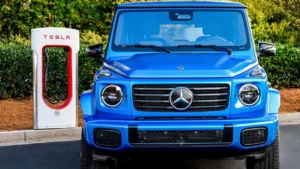
While Lexus struggled, its European competitors showed more resilience, though their victories were largely by default. Mercedes-Benz now leads the luxury segment with a score of 81, followed by Audi at 80. Audi, in particular, was one of the few bright spots in the report, enjoying a 4% increase in satisfaction year-over-year. BMW also saw a modest gain of 1%, though it remains trailing the leaders.
At the bottom of the spectrum, the situation for General Motors’ luxury division is increasingly dire. Cadillac experienced a 15% drop in customer satisfaction, leaving it in last place with a score of 69. This represents a significant blow to a brand that has spent the last decade attempting to reinvent itself through high-performance "V" series models and a transition to an all-electric future. The 69-point score is not just low for the luxury segment; it is among the lowest scores recorded in the history of the ACSI automobile study.
The Tesla Transition and the Robotaxi Pivot
Tesla, which once enjoyed a cult-like following and nearly untouchable satisfaction ratings, saw its score decline by 4% in 2026, settling at 78. While this keeps Tesla in the middle of the pack—ahead of Lincoln, Acura, and Infiniti—it marks a continued erosion of the brand’s premium status. Analysts point to a strategic shift within the company as a primary driver of this discontent.
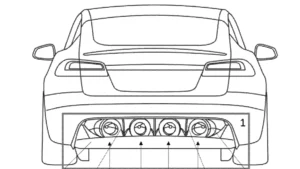
Under the leadership of Elon Musk, Tesla made the controversial decision to discontinue its original "halo" vehicles, the Model S sedan and Model X SUV. These vehicles were instrumental in establishing Tesla as a luxury player capable of competing with the likes of the Mercedes S-Class. By axing these models to focus resources on autonomous "robotaxi" technology and robotics, Tesla has effectively removed the aspirational anchors of its lineup. Consumers who previously viewed Tesla as a luxury innovator now increasingly view it as a tech utility company, a shift that is reflected in the cooling satisfaction scores.
A Chronology of Declining Sentiment (2023-2026)
To understand the 2026 results, one must look at the four-year trajectory of the industry:
- 2023-2024: Luxury brands enjoyed a post-pandemic surge. As inventory levels stabilized, premium buyers were initially impressed by the influx of new electric vehicle (EV) offerings and high-tech cabin features. Satisfaction scores for luxury brands remained in the low-to-mid 80s.
- 2025: The first signs of friction appeared. While Lexus hit a peak of 87, other brands began to see complaints regarding the complexity of software-defined vehicle interfaces. Mass-market brands began closing the gap as they integrated "luxury" features like heated rear seats and 360-degree cameras into affordable crossovers.
- 2026: The "Great Convergence" occurs. The 3% drop in luxury satisfaction, combined with the catastrophic 10% to 15% drops for formerly high-ranking brands like Lexus and Cadillac, suggests that the "new car smell" of high-tech features has been replaced by "tech fatigue" and frustration over reliability.
Analyzing the Friction Points: Technology and Comfort
The ACSI study tracks several individual metrics to determine why consumers are turning sour on their vehicles. In 2026, the luxury segment saw declines in every measured category.
- Mobile App Quality and Connectivity: As luxury brands move toward subscription-based features and app-heavy interfaces, the "glitchiness" of these systems has become a major pain point. Consumers paying premium prices expect seamless integration, yet many report that luxury vehicle apps are less intuitive than basic smartphone applications.
- Fuel Economy and Range Anxiety: Despite the push toward hybridization and electrification, satisfaction with fuel economy (or EV range) has slipped. As luxury brands phase out smooth internal combustion engines in favor of smaller, turbocharged units or electric motors, some long-time owners feel the trade-off in "driving soul" or convenience hasn’t been worth the marginal gains in efficiency.
- Physical Comfort: In a surprising twist, even overall comfort scores fell by 1% in 2026. This is often attributed to the trend of "minimalist" luxury interiors, which frequently replace physical buttons with touchscreens and haptic feedback. What designers view as "sleek," many owners view as "distracting" and "uncomfortable."
Market Implications and the Path Forward
The fact that mass-market brands like Toyota—which actually saw a 1% increase in satisfaction this year—are now tied with the luxury segment suggests a democratization of quality. If a consumer can receive the same level of satisfaction from a high-trim Toyota or Honda as they can from a Lexus or Cadillac, the economic justification for the luxury badge begins to crumble.
Industry analysts suggest that luxury automakers have spent too much time focusing on "the wow factor" of screens and autonomous promises while neglecting the fundamentals of the "ownership lifecycle." This includes dealership service experiences, which have struggled with parts shortages and labor "brain drains," and the long-term reliability of complex electronic systems.
For brands like Cadillac and Buick (the latter of which saw a 16% drop), the path forward requires a radical re-evaluation of customer touchpoints. The 2026 ACSI data serves as a warning: the modern luxury consumer is no longer swayed by heritage or a prestigious logo alone. They demand a frictionless digital experience, physical comfort that justifies the price, and a level of reliability that matches or exceeds the mass market.
As the industry moves toward the 2027 model year, the pressure is on luxury executives to stop the bleed. If the current trend continues, the very definition of a "luxury vehicle" may be relegated to the history books, replaced by a market where the only difference between brands is the price of the monthly subscription fee, rather than the quality of the experience. For now, the 2026 ACSI study stands as a stark reminder that in the eyes of the American consumer, the prestige of the luxury garage is rapidly fading.