A Tale of Two Philosophies
The release of the new Mazda CX-5 and the CX-6e has provided a fascinating, if somewhat disjointed, case study in modern manufacturing. The CX-5, long considered the backbone of Mazda’s global sales volume, remains a product of traditional Japanese engineering. Developed in Hiroshima, the CX-5 represents a conservative evolution of a platform that has anchored the company’s success for two decades. Mazda’s approach here has been one of calculated risk-aversion; the company opted for incremental refinement in design and interior ergonomics to ensure that its core customer base remains satisfied.
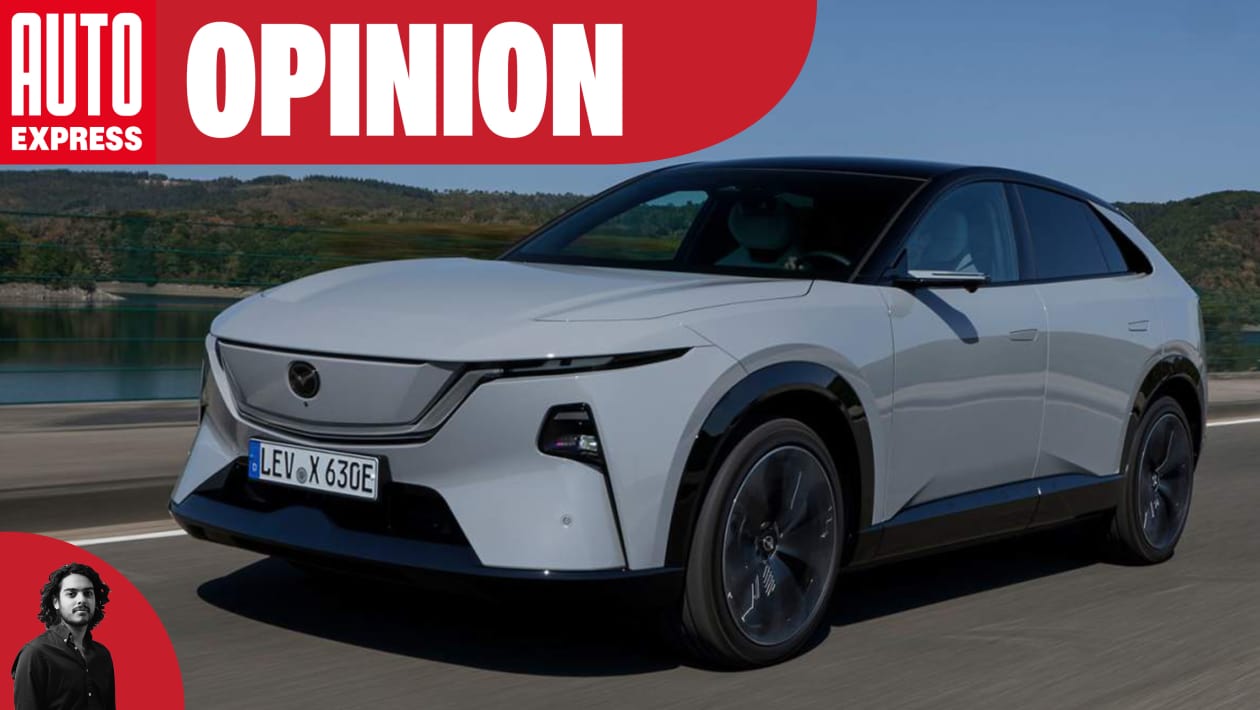
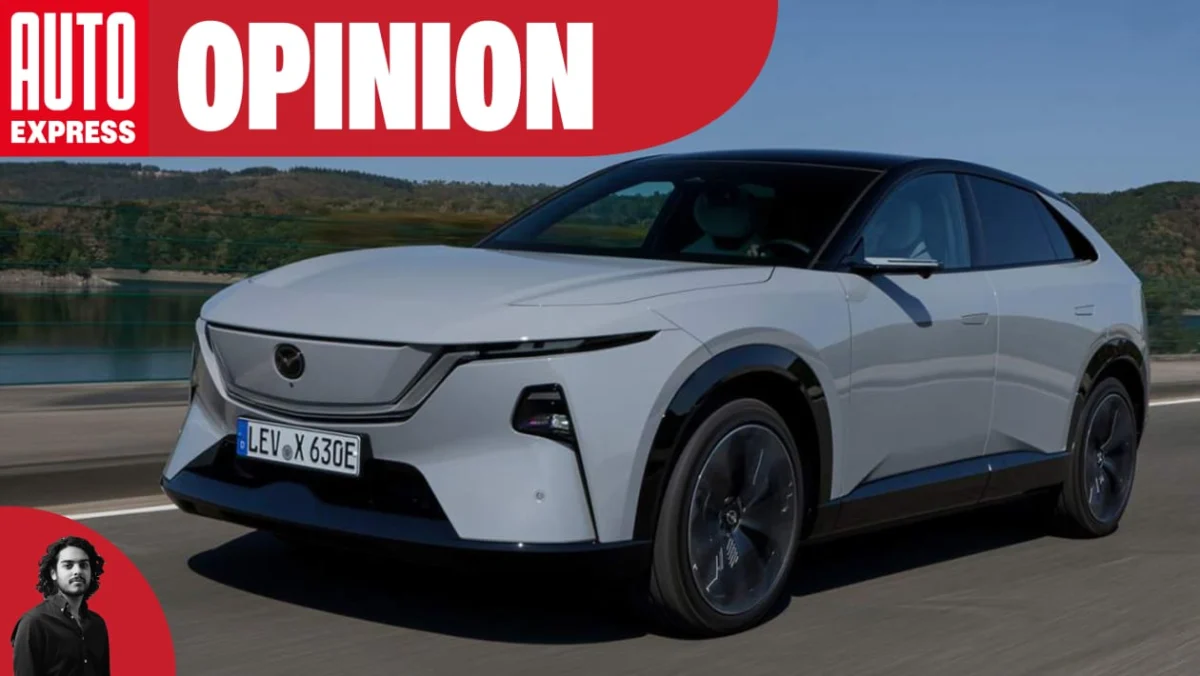
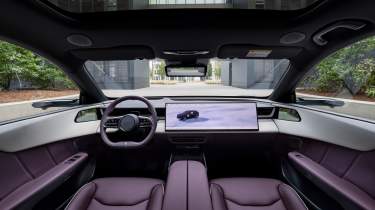
Conversely, the CX-6e represents a departure from this cautious methodology. Born from a strategic joint venture between Mazda and the Chinese automotive giant Changan, the CX-6e is a vehicle engineered specifically to capture the rapidly evolving, tech-centric Chinese consumer market. The stark difference between the two vehicles is immediate. While the CX-5 adheres to the familiar, well-loved Mazda silhouette, the CX-6e embraces a futuristic aesthetic, characterized by dramatic exterior lines and an interior dominated by a expansive 26-inch digital interface.
Chronology of a Shifting Strategy
The divergence in these two models is the result of years of market analysis and changing geopolitical trade conditions.

- 2000–2020: The Mazda CX-5 establishes itself as a global benchmark for the compact SUV segment, selling millions of units across North America, Australia, Japan, and Europe. Its reputation is built on "Jinba Ittai"—the Japanese philosophy of "horse and rider as one"—which emphasizes driver engagement and handling dynamics.
- 2023: As the transition to Battery Electric Vehicles (BEVs) accelerates, Mazda announces a deeper partnership with Changan, aimed at pooling resources to accelerate EV development specifically for the Asian market.
- Early 2026: Mazda rolls out the new generation CX-5, maintaining its internal combustion legacy.
- September 2026: The official launch of the CX-6e signals a new era for the brand, utilizing Chinese-led engineering to bypass the slower development cycles of the Hiroshima headquarters.
The Innovation vs. Identity Dilemma
The CX-6e is undeniably a triumph of modern automotive design and digital integration. By leveraging Changan’s expertise in EV architecture and software, Mazda has produced a vehicle that is arguably more advanced in its cabin technology than any other product in the company’s current portfolio. The inclusion of digital mirrors and a high-resolution, ultra-wide display suite aligns with the expectations of the modern Chinese buyer, who increasingly views the car as an extension of their digital ecosystem.
However, this rapid innovation comes with a significant trade-off. The "soul" of the Mazda brand—the tactile, engaging driving experience that made the MX-5 a global icon—is noticeably absent in the CX-6e. Reviews of the new SUV indicate that while the vehicle is visually arresting and packed with features, it lacks the steering precision, suspension tuning, and mechanical feedback that enthusiasts have come to expect from the badge. It drives, according to industry observers, like a generic high-end SUV, indistinguishable from dozens of other electric offerings currently flooding the market.
Market Data and Competitive Analysis
The strategic concern for Mazda is clear: as a "legacy" brand, the company is competing against a new wave of Chinese manufacturers who are rapidly climbing the quality curve. According to recent automotive market data, Chinese domestic brands have seen a 25% year-over-year increase in global market share for EVs, largely due to their ability to integrate software and hardware at a lower price point than European or Japanese counterparts.
For Mazda, the risk is that by outsourcing the engineering of the CX-6e to Changan, they may be diluting the brand’s unique selling proposition. While the CX-5 continues to perform well in established markets, the CX-6e is meant to be the vanguard of the brand’s electric future. If this future feels devoid of the driving dynamics that justify a price premium, Mazda may struggle to maintain the loyalty of its traditional, enthusiast-leaning customer base.
Institutional Responses and Corporate Outlook
While Mazda has not issued a formal rebuttal to the criticisms regarding the CX-6e’s driving dynamics, corporate communications have emphasized the necessity of the joint venture as a "survival mechanism" in the EV era. Sources within the industry suggest that Mazda is viewing the CX-6e as a pilot program—a way to rapidly learn from Chinese manufacturing speed without over-committing its own internal engineering resources too early.
Industry analysts suggest that the "regret" hinted at in early reviews may be premature. Mazda is currently in a "learning phase." The collaboration with Changan provides Mazda with a massive influx of data and experience in EV platform scalability. The challenge, however, will be for the Hiroshima team to reclaim the narrative in future iterations. To remain relevant, the company must find a way to inject its signature driving characteristics into the electrified, software-defined platforms developed in collaboration with Chinese partners.

The Broader Implications for Legacy Automakers
The case of the Mazda CX-6e is indicative of a broader trend affecting global legacy manufacturers. Brands like Volkswagen, Toyota, and Stellantis are all grappling with the same fundamental question: Can they remain "true" to their heritage while adopting the high-tech, high-speed development models of the East?
If the experience of the CX-6e proves anything, it is that consumers are no longer willing to sacrifice driving quality simply for technology, nor are they willing to accept "legacy" branding on a vehicle that feels like a commodity product. The next 24 months will be crucial. If Mazda can marry the agility of its Japanese chassis tuning with the digital prowess of the Changan partnership, they may yet create a new generation of vehicles that feel uniquely Mazda. If they continue to bifurcate their product line—one for driving, one for tech—they risk alienating both their traditionalists and their new tech-focused audience.

Ultimately, the lesson for the automotive industry is that branding in the age of electrification is not just about the logo on the grille; it is about the consistency of the experience. Mazda has mastered the art of the combustion-engine driver’s car, but the path to electrification requires a more holistic approach to innovation. Whether the CX-6e will be remembered as a successful pivot or a strategic error remains to be seen, but it has undoubtedly set the stage for a critical debate regarding the future of the Japanese automotive industry and its role in an increasingly Chinese-led electric market. As the sector moves toward 2027 and beyond, the ability to synthesize these conflicting philosophies—speed of innovation versus depth of engineering—will likely be the deciding factor between brands that thrive and those that simply survive.