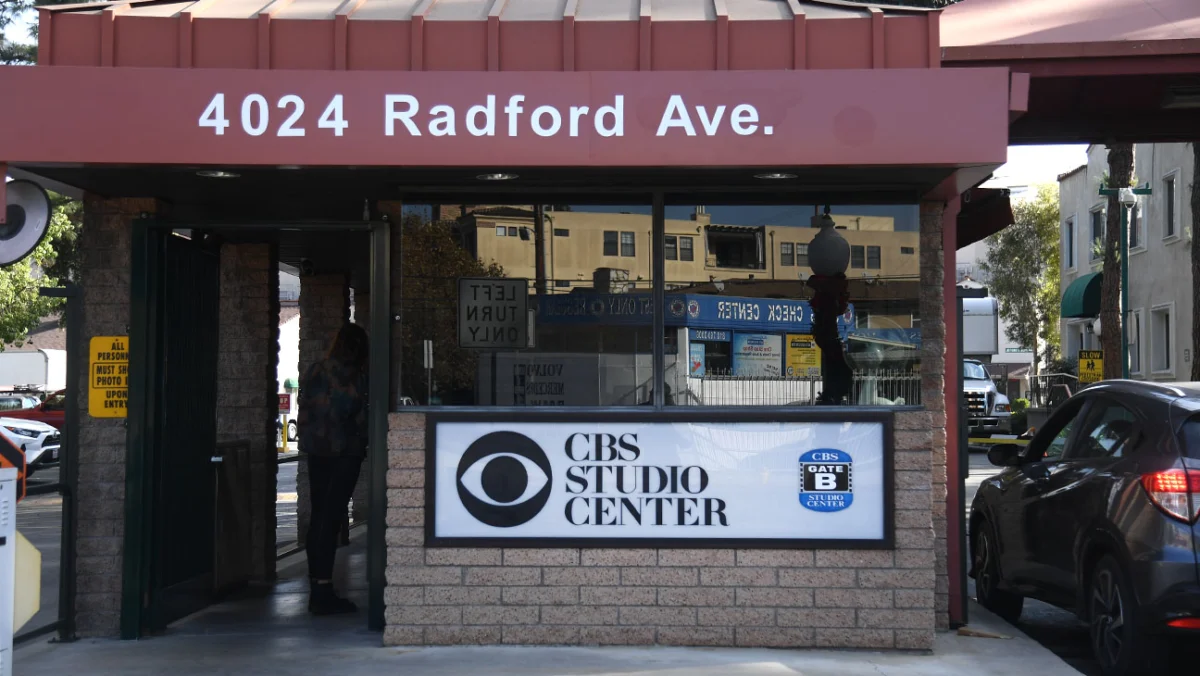
The landscape of Hollywood real estate is undergoing a seismic shift as the historic 55-acre Radford Studio Center, formerly the crown jewel of the Hackman Capital Partners portfolio, heads toward a foreclosure auction scheduled for November 24 in Pomona, California. This event marks a dramatic conclusion to a tumultuous nine-month period following the repossession of the property by a consortium of lenders led by Goldman Sachs. The impending sale serves as a stark barometer for the current state of the Los Angeles production industry, where a confluence of rising costs, shifting content strategies, and a decline in local filming activity has forced a massive repricing of legacy studio assets.
At the center of this transition is Netflix, which has emerged as the clear frontrunner to acquire the sprawling Studio City campus. While the deal remains subject to the public auction process, industry insiders suggest that the streamer is positioned to secure the site for approximately $400 million. This figure represents a staggering 78 percent discount from the $1.85 billion price tag paid by Hackman Capital Partners as recently as 2021. The dramatic devaluation reflects not only the distressed nature of the debt-laden asset but also the broader challenges currently facing the Los Angeles film and television sector, which has seen production volumes hover near historic lows.
A Chronology of Decline and Distressed Assets
The narrative of Radford Studio Center’s rapid ascent and subsequent fall is emblematic of the "gold rush" mentality that gripped the studio real estate market during the post-pandemic streaming boom. In 2021, optimism regarding the long-term demand for physical production space was at an all-time high. Hackman Capital’s acquisition of the lot, formerly known as CBS Studio Center, was predicated on the belief that the streaming wars would necessitate an insatiable appetite for dedicated soundstages and high-end post-production facilities in the heart of Los Angeles.
However, the market reality shifted rapidly. By 2023, the industry faced a "correction" as major studios and streamers tightened capital expenditures, shifted production to tax-incentivized jurisdictions, and grappled with the labor unrest that brought Hollywood to a standstill for months. As occupancy rates faltered and interest rates climbed, the debt service requirements for the massive acquisition became unsustainable for the ownership group.
The timeline of the current impasse began earlier this year, when negotiations between Netflix and the Goldman Sachs-led lender group failed to meet their initial closing deadline. The transition from a private sale to a public foreclosure auction suggests that the parties involved—most notably the lenders—determined that a court-supervised sale was the most efficient route to clearing the $1.3 billion in debt currently encumbering the site. By facilitating the sale through a foreclosure mechanism, the stakeholders aim to resolve the property’s financial entanglements while allowing Netflix to bypass certain tax liabilities, including the city’s significant mansion tax, which would have added roughly $22 million in costs to a conventional $400 million transaction.
Market Realities and the Cost of Production
The decision to acquire Radford represents a strategic pivot for Netflix, which has long relied on a fragmented footprint of leased facilities across the Los Angeles basin. For years, the streamer has maintained a primary presence as the anchor tenant at the Sunset Studios campus, owned by Hudson Pacific Properties, while simultaneously utilizing Raleigh Studios and various other facilities for its expansive original content slate.
By transitioning from a long-term renter to a campus owner, Netflix is signaling a desire to consolidate its operations and insulate itself against the volatility of the commercial real estate market. Owning a production campus of this magnitude allows the company to exert greater control over its operational costs, improve efficiency by centralizing its creative teams, and tailor its infrastructure to the specific requirements of its high-budget television and film projects.
However, this move is not without its risks. The current climate of the Los Angeles production market is defined by a flight of filming activity to other domestic and international hubs. According to recent industry reports, local production shoot days have been in a persistent state of decline, driven by intense competition for state tax credits and the desire of major studios to distribute their filming footprint geographically. A $400 million investment into a massive studio lot is a long-term commitment that assumes the Los Angeles creative ecosystem will maintain its primacy, even as the industry navigates a period of profound restructuring.
Official Stance and Corporate Strategy
Despite the uncertainty inherent in the auction process, Netflix has maintained a posture of steady progression. A spokesperson for the company stated, “The deal is progressing on the agreed upon timetable and with the agreed upon sets of milestone dates,” suggesting that the foreclosure auction is a planned procedural step rather than a sign of wavering interest.
The company’s broader commitment to Los Angeles remains a cornerstone of its corporate narrative. In a statement released earlier this year, Netflix noted, “Los Angeles is an incredibly important place for film and television production, and we’re committed to keeping it one of our core production hubs in the US—supporting the city and the creative community that makes it such a vibrant place to work.” Since 2018, the streamer has utilized the region for over 300 productions, cementing its role as a vital economic engine for the local creative economy.
Broader Implications for Commercial Real Estate
The looming auction has ripple effects that extend well beyond the gates of Radford. The marketing of a loan tied to Netflix’s animation office on Vine Street—a 95,000-square-foot campus owned by Clarion Partners—has raised eyebrows across the real estate sector. While there is no evidence that Netflix intends to vacate the premises, the fact that this debt is being shopped to investors has prompted questions regarding the company’s long-term office footprint.
The expiration of the Vine Street lease in January 2031, occurring mere months before the scheduled expirations of the company’s leases at the EPIC, ICON, and CUE buildings at Sunset Studios in September 2031, creates a significant "cliff" in the company’s real estate obligations. While analysts suggest this could simply be a natural cycle of lease renewals or potential consolidations, the timing has led to speculation among industry observers.
For the commercial real estate sector, which is currently grappling with high vacancy rates and the aftershocks of the hybrid work era, the behavior of a "super-tenant" like Netflix is critical. If the company shifts its primary operations to an owned campus at Radford, it could create a vacuum of demand in other parts of the city, potentially depressing lease rates for secondary studio space and high-end office buildings that rely on major media tenants.
The Auction Outlook
As the November 24 auction date approaches, all eyes are on whether a "stalking horse" or a competing bidder will emerge to challenge Netflix’s acquisition. While the pool of potential buyers with the liquidity and appetite to manage a distressed, large-scale production campus is inherently limited, private equity firms and institutional investors may view the asset as a potential value-add opportunity.
However, the consensus among real estate experts is that Netflix is the most logical owner. The company’s existing infrastructure needs, combined with the specific technical requirements of a facility like Radford, make it an ideal fit for the streamer’s long-term production pipeline. Whether the final price settles near the reported $400 million or is driven higher by competitive bidding, the transaction will undoubtedly serve as a landmark event in the history of Los Angeles real estate.
It stands as a testament to the fact that even the most prestigious studio assets are not immune to the cooling effects of a changing media landscape. As the industry recalibrates, the acquisition of Radford will likely be viewed as the moment Netflix solidified its infrastructure for the next decade of content creation, even as it takes advantage of the most significant price correction in modern Hollywood history. The outcome of the auction will not only finalize the future of the Radford lot but will also provide a clear indication of how the world’s most powerful streaming service plans to anchor its physical presence in the city that remains the heart of its operations.