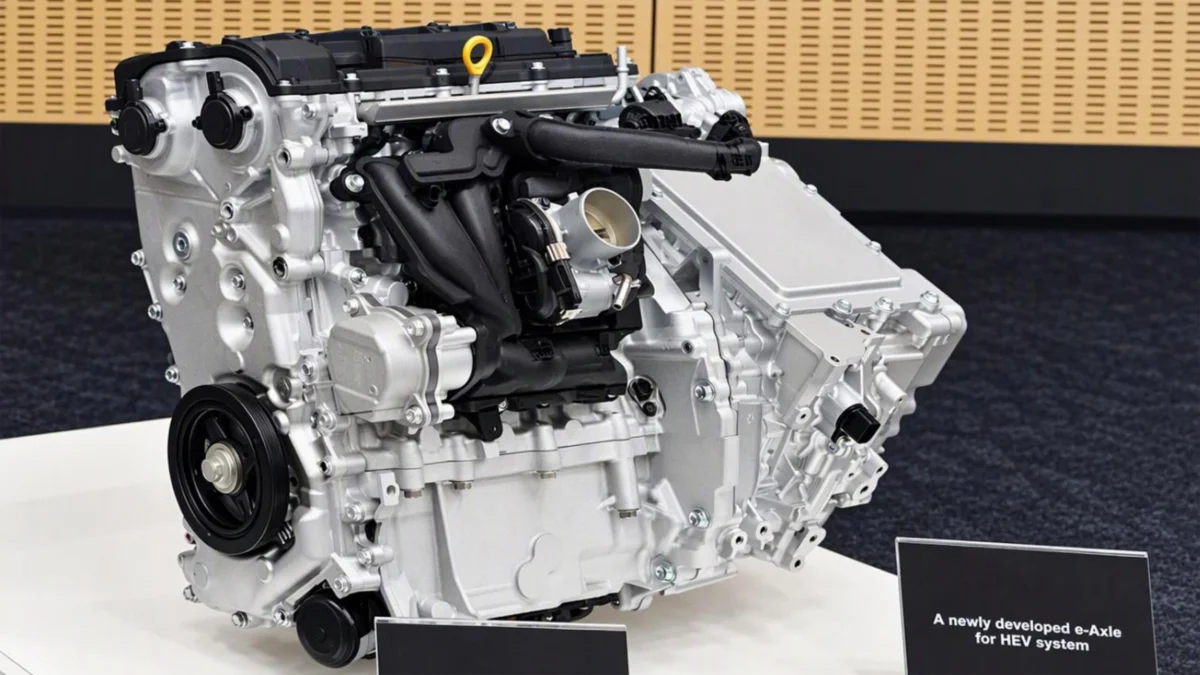
Toyota has officially unveiled the foundational architecture for its next-generation hybrid powertrain program, a massive engineering undertaking that promises to redefine the efficiency standards of the global automotive market. By focusing on a highly versatile, modular 1.5-litre petrol engine, the Japanese manufacturer aims to deliver a 15 per cent improvement in fuel efficiency over its current class-leading hybrid systems. As the automotive industry navigates the complex transition toward full electrification, Toyota’s commitment to internal combustion refinement suggests that the hybrid vehicle will remain a cornerstone of its strategy for the foreseeable future.
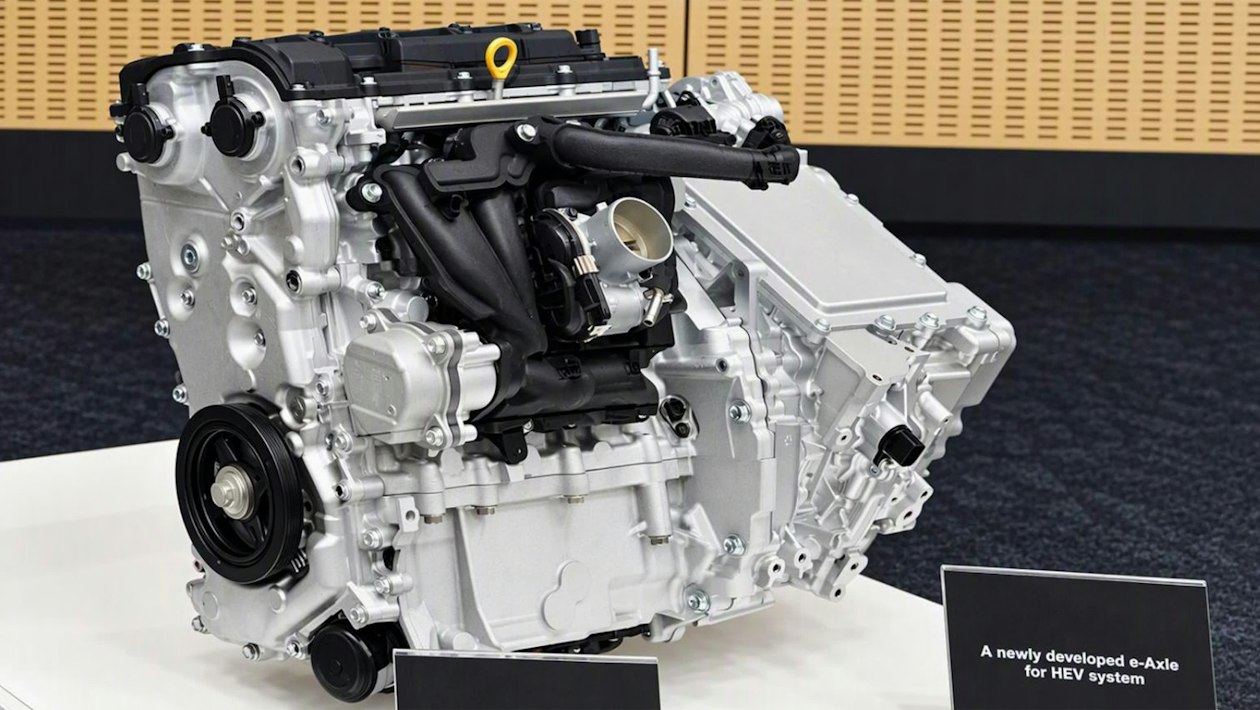
The Engineering Evolution of the 1.5-Litre Platform
The heart of this new initiative is a bespoke 1.5-litre four-cylinder engine designed exclusively for hybrid integration. This unit is slated to replace the legacy 1.8-litre four-cylinder and 1.3-litre three-cylinder engines that have powered the brand’s volume sellers for years. The transition to a singular, optimized platform reflects a broader shift in Toyota’s manufacturing philosophy: achieving greater economies of scale while pushing the thermal efficiency of the combustion process to its absolute limit.
Engineers at Toyota have prioritized three critical pillars in the development of this unit: the reduction of internal mechanical friction, the implementation of advanced thermal management systems, and the mitigation of electrical losses. By redesigning the engine to be physically shorter than its predecessors, Toyota has granted its design teams more flexibility in vehicle silhouette. Lowering the bonnet height not only enhances the visual appeal of future models but also provides tangible aerodynamic benefits that contribute directly to the projected 15 per cent gain in fuel economy.

Modular Flexibility and Technical Specifications
One of the most significant aspects of this announcement is the engine’s versatility. It has been engineered to operate in both naturally aspirated and turbocharged configurations, ensuring it can support a wide array of vehicle segments, from compact hatchbacks to larger SUVs.
This engine serves as the anchor for a completely redesigned hybrid module. Toyota has confirmed that the system will be deployed across multiple configurations, including traditional "parallel" hybrid electric vehicles (HEVs), sophisticated plug-in hybrid electric vehicles (PHEVs), and potentially range-extender applications. Each iteration will benefit from next-generation electrical components, including smaller, more energy-dense batteries, improved control units, and high-efficiency inverters. These refinements are essential to reducing the overall vehicle weight, further compounding the efficiency gains.

Chronology of Development and Future Outlook
The announcement on October 28, 2026, represents the culmination of years of R&D investment. The timeline for this rollout aligns with the broader industry trend of tightening emissions regulations in key markets such as Europe, China, and North America.
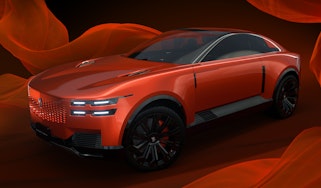
- 2025: The Tokyo Mobility Show provided the first glimpse of this technological direction with the unveiling of the Corolla Concept. The design language of this concept highlighted the importance of low-drag aerodynamics, which this new engine package is designed to facilitate.
- Late 2026: Official announcement of the modular engine program.
- 2027: Expected finalization of prototype testing and integration into pre-production vehicle platforms.
- 2028: Projected launch of the next-generation Toyota Corolla, which is expected to be the debut vehicle for this powertrain, offering customers a choice of hybrid, plug-in, and full battery-electric (BEV) systems.
Industry Implications and Market Positioning
The decision to focus on a modular, high-efficiency engine is a calculated move by Toyota to remain competitive as fuel prices and environmental regulations continue to fluctuate. Current Toyota hybrid systems already achieve fuel economy figures in the range of 74mpg; pushing this toward or beyond the 85mpg threshold puts the company in a unique position. While competitors are aggressively pivoting toward 100 per cent electric lineups, Toyota is betting that a significant portion of the global consumer base will continue to demand the convenience and reliability of hybrid technology for several more decades.
By centralizing research and development resources on this single engine architecture, Toyota is creating a "plug-and-play" solution that can be utilized across its global brands. This creates a defensive moat against rising production costs. Analysts suggest that this strategy will allow Toyota to maintain affordable price points for its entry-level vehicles, even as the cost of electrified components like high-capacity batteries remains a challenge for the wider industry.
Addressing the Transition to Electrification
It is important to note that this new hybrid hardware does not signal a retreat from electric vehicle development. Rather, it underscores Toyota’s "multi-pathway" approach. The company maintains that different regions require different solutions based on infrastructure readiness and consumer needs. By providing a best-in-class hybrid option, Toyota ensures it can lower the fleet-wide carbon footprint of its vehicles immediately, rather than waiting for universal charging infrastructure to materialize.
The next-generation Corolla, arriving in 2028, will serve as the litmus test for this technology. By offering the same chassis with three different power sources—hybrid, PHEV, and full EV—Toyota is effectively allowing the market to decide the pace of the transition. This flexibility is expected to be a major selling point for the brand, particularly in developing markets where pure-electric infrastructure remains in its infancy.
Analytical Perspective: Efficiency Gains
The 15 per cent efficiency improvement target is ambitious but grounded in measurable engineering goals. By reducing the physical size of the hybrid module and the electrical components, Toyota is addressing the "weight penalty" that has historically hampered hybrid vehicles. The reduction in mechanical friction within the engine block—likely achieved through advanced surface coatings and optimized oil circulation—means that less energy is wasted as heat, which is the primary challenge in internal combustion engine design.

Furthermore, the integration of turbocharged versions of this engine suggests that Toyota is not willing to sacrifice performance for efficiency. By utilizing forced induction, the 1.5-litre unit can provide the torque of a larger displacement engine while maintaining the consumption profile of a much smaller, less powerful unit during highway cruising.
Official Stance and Future Roadmap
While specific model-by-model deployment details remain under wraps, the tone from Toyota’s leadership indicates that this engine is the "new standard" for the company. The emphasis on modularity suggests that we may see this engine appear in everything from small city cars to light commercial vehicles.

Toyota’s commitment to the internal combustion engine in a hybrid capacity is perhaps the most significant statement in the automotive sector this year. It serves as a reminder that the "death of the combustion engine" is a premature narrative. When optimized through cutting-edge engineering, the hybrid powertrain remains one of the most effective tools for reducing global transport emissions.
Conclusion
The announcement of this new 1.5-litre hybrid powertrain marks a pivotal moment for Toyota. By marrying the convenience of traditional fuels with the efficiency of advanced electric motors, the company is bridging the gap between current market realities and future climate targets. With an expected 85mpg potential, the upcoming range of Toyota vehicles will likely set a new benchmark for fuel economy, cementing the brand’s reputation for pragmatic, forward-thinking engineering. As the automotive landscape continues to evolve, this modular strategy provides the flexibility required to survive in a market defined by volatility and rapid technological change. Whether this engine proves to be the definitive answer for the transition era remains to be seen, but the data suggests that Toyota is well-positioned to maintain its dominance in the global hybrid sector for the next decade and beyond.