Paris Fashion Week has officially concluded, but the momentum within the global luxury and retail sectors shows no signs of decelerating. As the fashion calendar transitions from the high-octane runway displays of September to the pragmatic, consumer-focused demands of the fourth quarter, major brands are aggressively pivoting toward expansion, strategic collaborations, and the fortification of core product lines. October has emerged as a critical month for retail activity, characterized by a wave of flagship store openings in key metropolitan hubs like New York City and a series of cross-industry collaborations that seek to blend heritage with modern, versatile design.

The Strategic Pivot: Store Openings and Regional Expansion
The current retail climate indicates a move toward "experiential luxury." Brands are no longer merely looking to lease retail floor space; they are investing in permanent, culturally integrated environments. A primary example is the recent move by Le Monde Beryl, which has established its first-ever flagship on Madison Avenue in New York City. Located at 23 East 67th Street, the space represents a shift in how footwear brands engage with their clientele. By collaborating with art adviser Silka Rittson-Thomas and the architects at Tutto Bene, the brand has created a boutique that functions as a gallery. This approach mirrors the broader industry trend of transforming retail locations into community-driven hubs, where cultural programming takes precedence over traditional sales tactics.

Similarly, Massimo Dutti has marked its entry into the downtown New York scene with a flagship at 575 Broadway in SoHo. The store, which occupies a historic building, utilizes its industrial architectural features—such as original cast-iron columns—to anchor the brand in the neighborhood’s aesthetic. By integrating app-connected services and offering private styling appointments, Massimo Dutti is addressing the modern consumer’s demand for seamless, tech-enabled luxury shopping. The inclusion of a photo exhibition by Steven Sebring at 260 Bowery, commissioned to mark the opening, serves as a testament to the brand’s commitment to aligning its commercial footprint with cultural capital.

Collaborative Dynamics and Creative Synergy
Collaborations continue to serve as the industry’s primary engine for buzz and market penetration. This month, several notable partnerships have demonstrated how legacy brands can reach new audiences by tapping into the design sensibilities of niche or contemporary labels.

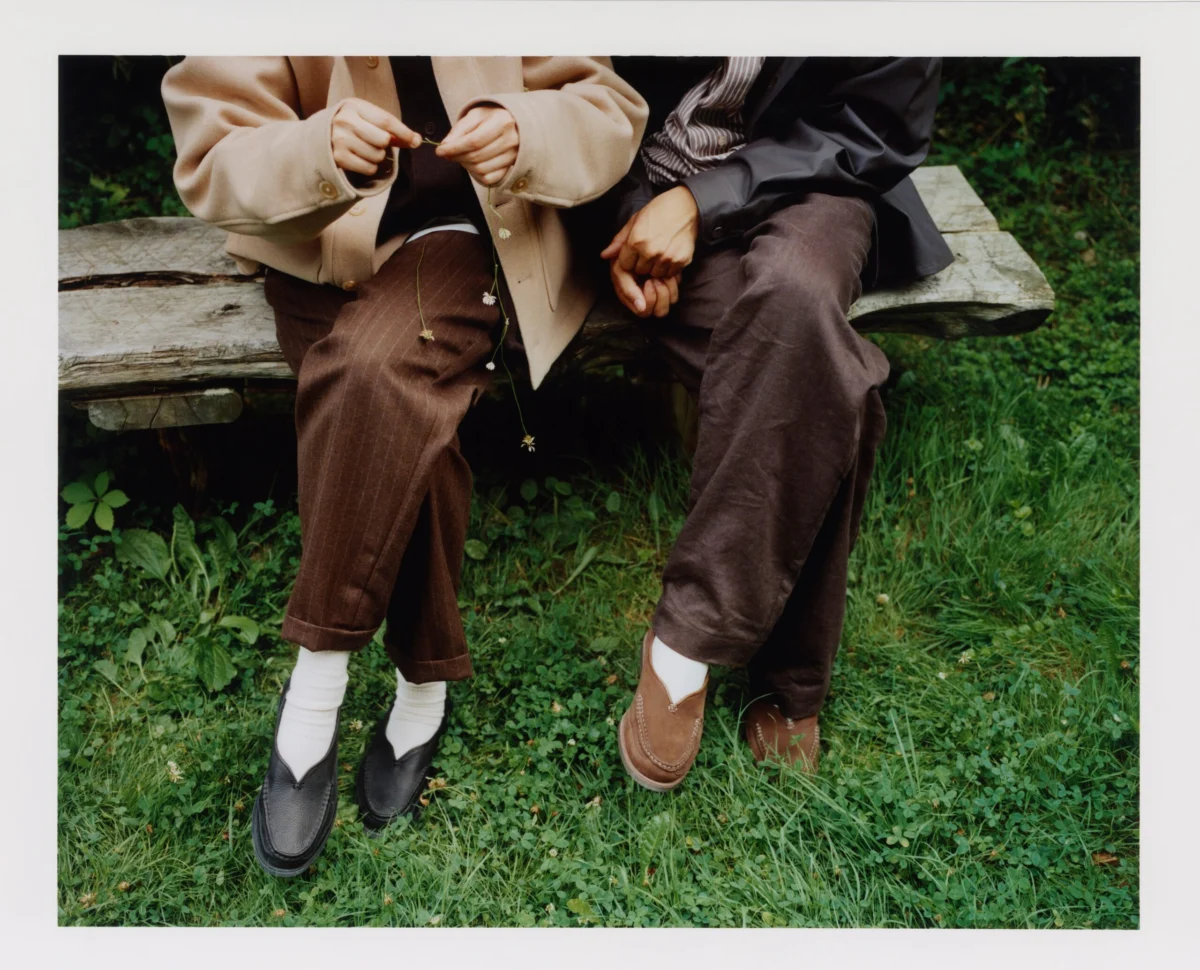
The partnership between Sperry and Colbo to debut the Sirah loafer is a case study in market adaptation. By blending Sperry’s nautical-heritage functionalism with the minimalist, urban aesthetic of Colbo, the brands have created a product that bridges the gap between a ballet flat and a traditional dress shoe. Priced at $225, the loafer is designed to appeal to the "quiet luxury" demographic, utilizing nubuck and leather that are intended to age through the development of a patina, thereby aligning with current consumer preferences for durability and longevity.

Furthermore, the collaboration between A.P.C. and Barbour highlights the intersection of French elegance and British utility. By modifying iconic Barbour silhouettes such as the Beaufort and Spey with A.P.C.’s signature denim-influenced detailing, the two brands have created a collection that appeals to a trans-Atlantic fashion sensibility. This collaboration serves a dual purpose: it revitalizes heritage silhouettes for a younger generation while maintaining the technical specifications that have made Barbour a staple of outdoor attire for decades.

Art, Education, and Institutional Partnerships
A significant trend observed in early Q4 is the integration of high fashion with intellectual and institutional assets. The collaboration between Gap and the Whitney Museum of American Art, centered on the work of Roy Lichtenstein, exemplifies this shift. By transforming Lichtenstein’s pop-art iconography into wearable apparel, Gap is leveraging the prestige of the Whitney to elevate its brand perception. This release is timed to coincide with the exhibition Roy Lichtenstein: Like New, a major retrospective at the Whitney. This strategy provides a tangible touchpoint for museum-goers and offers Gap a narrative-driven marketing campaign that transcends basic seasonal retail.

Similarly, the partnership between Madewell and the New York Public Library (NYPL) demonstrates a commitment to community-based marketing. The 15-piece collection, which features graphics drawn from the NYPL’s archives, is backed by a $100,000 donation to the library. By hosting book clubs and offering library card sign-ups in retail locations, Madewell is positioning its brand as a facilitator of civic engagement, rather than just a purveyor of denim and knitwear.

Personalization as a Premium Service
Personalization has become a key driver of high-end sales, with brands like Tod’s introducing its "My Signature" service. By allowing clients to add gold-tone initials to high-performance accessories, including the T Signature bag and specific fall/winter 2026 footwear, Tod’s is catering to the demand for bespoke, individualized luxury. This service is a response to the market data showing that luxury consumers are increasingly seeking unique items that carry a personal mark, which increases the emotional value of the product and discourages the resale of items that are explicitly monogrammed.

Analyzing the "Snow Goose" and Creative Reinterpretations
The fall/winter 2026 collection from Canada Goose, under the creative direction of Haider Ackermann, marks a shift toward a more conceptual aesthetic for the technical outerwear giant. The "Snow Goose" line, which features sculptural parkas and an "UNKNOWN" graphic, signifies a move toward fashion-forward design that prioritizes silhouette and mood over traditional utility. Ackermann’s stated desire to avoid the illustration of "endurance" in favor of "silence and stillness" suggests that Canada Goose is attempting to capture a high-fashion market that seeks luxury status without sacrificing technical performance.

In the luxury accessories space, Fendi’s reimagining of the iconic Croissant bag for its Cruise 2027 collection highlights the longevity of heritage silhouettes. By updating the bag with modern finishes such as crackled leather and fringed animal print, Fendi is ensuring that its archive-inspired products remain relevant to contemporary trends. The bag’s ability to transition from daytime functionality to evening aesthetic is a critical factor in its enduring popularity, according to industry analysts who note that the "day-to-night" versatility is currently the highest-ranking attribute for consumers when purchasing mid-to-high range luxury bags.

Industry Implications and Future Outlook
The landscape of retail in the final quarter of 2026 suggests that the industry is entering a phase of consolidation. While the volume of collaborations remains high, the nature of these partnerships has become more intentional, focusing on heritage alignment, intellectual property, and community engagement.

- Strategic Retailing: Brands are moving away from mass-scale expansion in favor of highly localized, experiential flagship stores that act as anchors for brand identity.
- The "Archive" Influence: The use of museum-grade archives—seen in both the Acne Studios/Hussein Chalayan collection and the Gap/Whitney partnership—points to a broader industry trend where fashion is increasingly viewed through an academic and historical lens.
- Resilience through Versatility: Brands like Larroudé, through their collaboration with Bruno Frisoni, are emphasizing the "sunny spirit" and optimism of their products, even for the winter season, as a strategic reaction to the economic volatility that can often dampen consumer sentiment.
Chronology of Key Industry Movements (October 2026)
- October 14: Golden Goose launches its "Mickey & Friends" collection alongside a global Co-Creation tour at South Coast Plaza.
- October 15: Golden Goose hosts a New York City event, continuing the personalization tour.
- October 18: Good American concludes its pop-up in SoHo, which served as the East Coast introduction for the Leora café concept.
- October 22: Nordstrom celebrates its 125th anniversary with an exclusive Sacai dinner and collection drop in New York City.
- Ongoing: The Longchamp "My Pliage" pop-up remains open at Bloomingdale’s until November 13, offering real-time 3D customization of travel goods.
Concluding Analysis
The fashion industry is clearly navigating a period where the traditional "runway-to-retail" pipeline is no longer sufficient. Consumers, particularly those in the luxury and premium tiers, are demanding deeper narratives and higher levels of personalization. Whether through the integration of art history, the promise of philanthropy, or the offer of bespoke customization, the brands that are thriving are those that provide an experience beyond the point of sale.

As we look toward the remainder of the year, it is highly probable that the strategy of "controlled scarcity"—seen in the limited-edition book releases from Acne Studios and the small-batch nature of the Dévé and Rúadh jewelry capsule—will become more prevalent. By limiting supply and focusing on high-quality, considered design, brands are successfully navigating a market that is increasingly wary of over-consumption. The current focus on "timeless quality" and "enduring design" is not merely a marketing buzzword; it is a fundamental shift in how the industry is preparing to weather the economic and social pressures of the coming year. The alignment of heritage brands with contemporary creative voices ensures that even as the world changes, the core components of the "fashionable wardrobe" remain stable, desirable, and perpetually relevant.