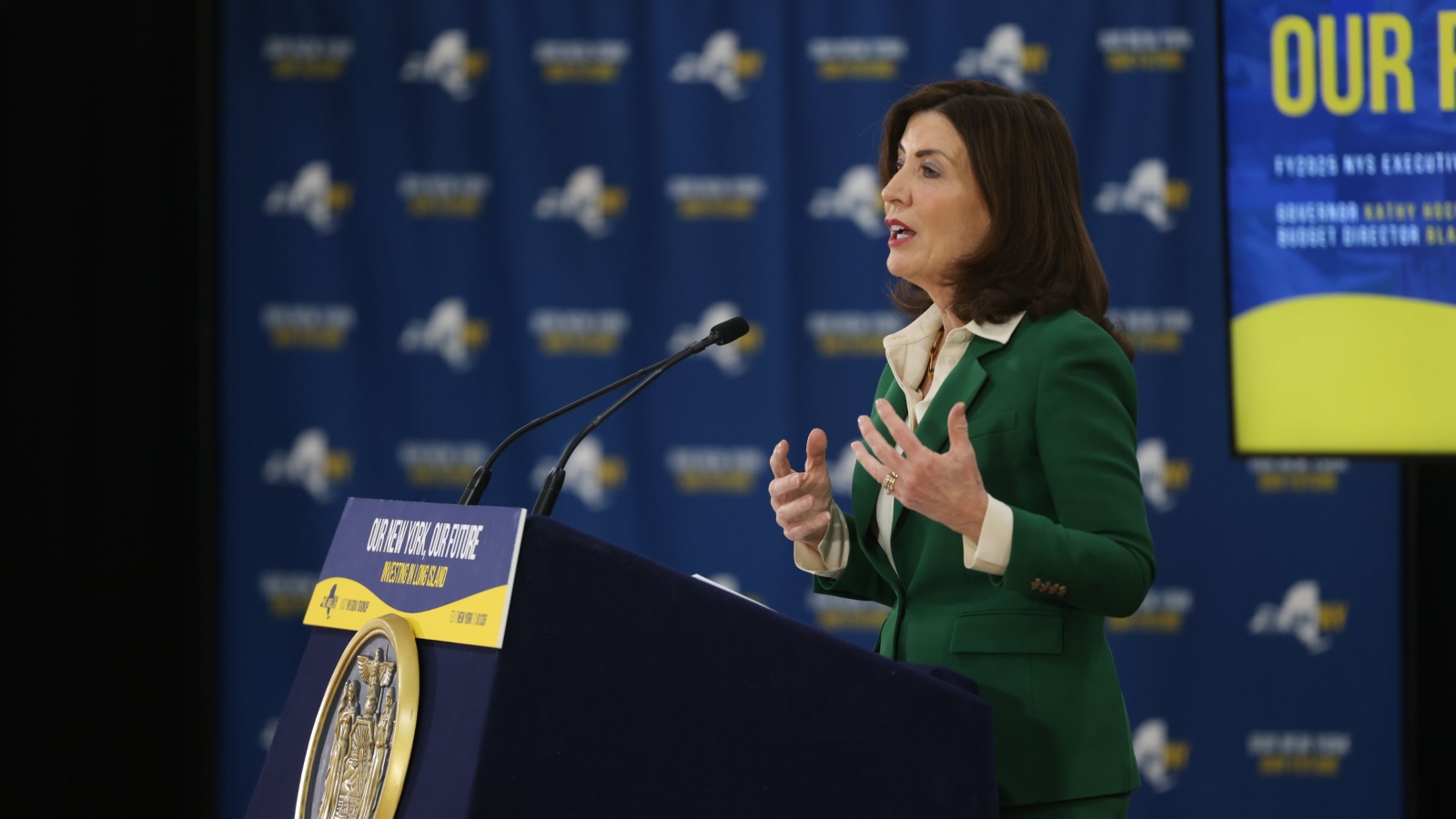
New York Governor Kathy Hochul issued an executive order on Tuesday establishing a one-year moratorium on the construction of large-scale, hyperscale data centers across the state. This landmark decision marks the first time a U.S. state has implemented a statewide ban on such facilities, reflecting a growing national tension between the rapid expansion of the digital economy and the stability of public infrastructure. The pause is intended to allow state regulators and lawmakers time to assess the long-term impacts of these energy-intensive facilities on New York’s electricity grid, utility rates, and environmental goals.
In a formal statement accompanying the order, Governor Hochul emphasized the necessity of balancing technological progress with the protection of public resources. "As data center development threatens to hike up utility bills, deplete our natural resources, and create uncertainty for New Yorkers, it’s my responsibility to take action and lead," Hochul said. The move comes as technology giants, fueled by the explosive growth of artificial intelligence (AI) and cloud computing, seek to build massive infrastructure hubs that require unprecedented amounts of electricity and water.
The Scope and Mechanics of the Moratorium
The executive order directs the New York State Department of Public Service (DPS) to halt the issuance of new permits for large-scale data centers for a period of 12 months. During this hiatus, the DPS is tasked with conducting a comprehensive environmental and economic analysis. This review will specifically focus on the cumulative impact of data centers on the state’s energy grid and the potential for these facilities to drive up costs for residential and small-business consumers.
A central component of the moratorium period is a new proceeding that will evaluate "energy equity." The Governor has signaled a shift in policy that could require future data centers to either pay a premium for their energy consumption or provide their own independent power sources. This is a departure from previous years, where many states competed to attract data centers through tax breaks and subsidized energy rates.
The order also instructs the state’s economic development agency to create a standardized framework for local municipalities. This framework is designed to empower local communities to negotiate more effectively with multinational tech corporations. Proposed requirements for new developments may include mandatory investments in local infrastructure, contributions to childcare services, and adherence to strict labor and wage standards.
The Artificial Intelligence Boom and Energy Demand
The surge in data center applications in New York and across the United States is largely attributed to the "AI arms race." Unlike traditional data centers that primarily store data, facilities optimized for artificial intelligence require high-density racks of specialized semiconductors, such as graphics processing units (GPUs). These chips consume significantly more power and generate substantially more heat than standard servers.
Industry data suggests that a single hyperscale data center can consume as much electricity as 80,000 to 100,000 homes. As tech companies like Microsoft, Google, Meta, and Amazon invest billions in infrastructure, the aggregate demand on the national grid has reached a critical inflection point. In New York, the challenge is compounded by the state’s ambitious Climate Leadership and Community Protection Act (CLCPA), which mandates a transition to 70% renewable energy by 2030 and a zero-emission electricity grid by 2040.
The sudden influx of data center proposals has raised alarms among grid operators. There is a concern that the sheer volume of power required by these facilities could outpace the development of new renewable energy sources, potentially forcing the state to keep older, fossil-fuel-burning "peaker" plants online longer than planned to maintain reliability.
Legislative Context and Political Landscape
The Governor’s executive order follows legislative action in Albany. Last month, the New York State Legislature passed its own version of a data center moratorium (S10642), which featured even more stringent requirements and a potentially longer duration. While the Governor has not yet indicated whether she will sign that specific bill into law, her executive order serves as an immediate administrative intervention that achieves many of the bill’s primary objectives.
New York’s proactive stance stands in contrast to other states. Earlier this year, Maine Governor Janet Mills vetoed a measure that would have established a similar statewide ban. Mills argued at the time that such a moratorium could signal that the state is "closed for business" and might stifle technological innovation and job creation.
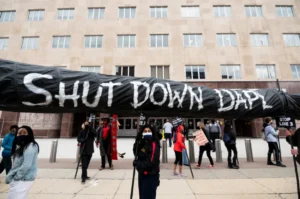
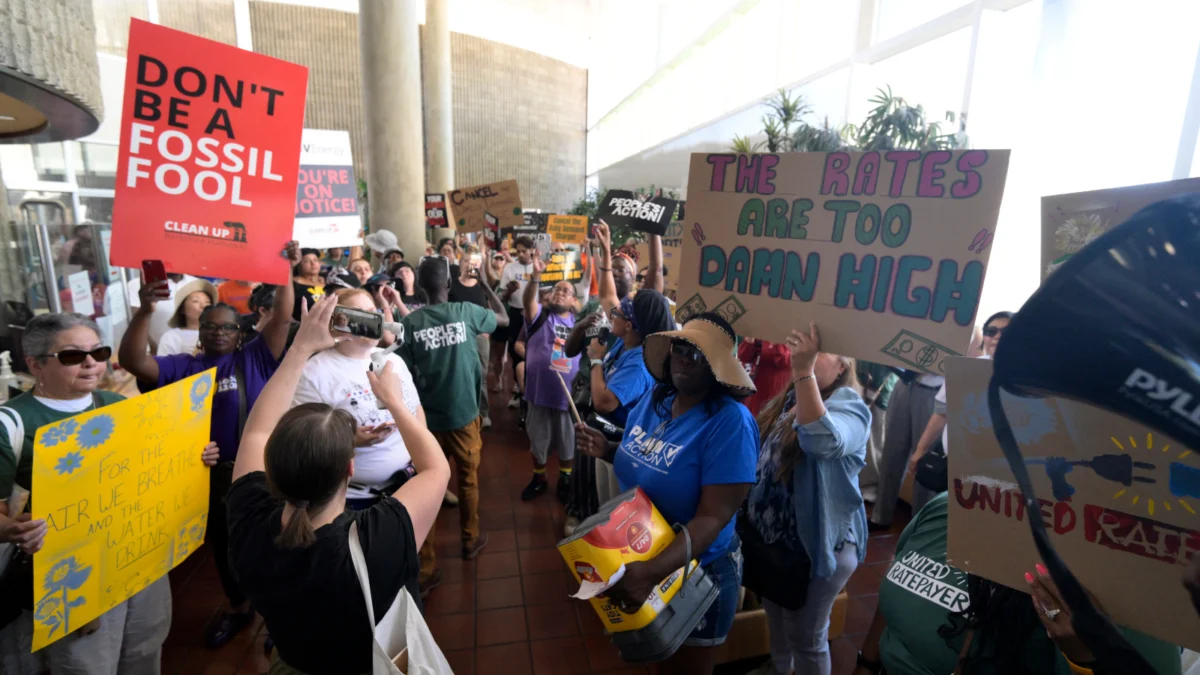
However, the political climate in New York has shifted as residents in regions like the Hudson Valley and Western New York have voiced opposition to proposed projects. Concerns often center on the "noise pollution" from massive cooling fans, the depletion of local aquifers used for server cooling, and the relatively low number of permanent jobs created once construction is complete.
Economic Strategy and Fiscal Reforms
Beyond the environmental impact, Governor Hochul’s order targets the fiscal relationship between the state and the tech industry. For years, New York has offered lucrative sales tax exemptions for the equipment housed within data centers to encourage their development. The Governor has now called on the state legislature to repeal these exemptions for large-scale facilities.
"We must ensure that these companies are contributing their fair share to the state they call home," a spokesperson for the Governor’s office stated. The proposed fiscal reforms include the creation of a dedicated fund. Under this plan, data center operators would be required to invest directly into New York’s grid infrastructure and the expansion of the clean energy supply. This "pay-to-play" model aims to ensure that the private profits of tech firms do not come at the expense of public utility stability.
The framework for local negotiations also represents a significant shift toward "community benefit agreements." By including requirements for childcare investments and direct financial support for local services, the state is attempting to ensure that data centers provide tangible social value to the neighborhoods in which they are located.
National Implications and Industry Reaction
The New York moratorium is being closely watched by policymakers in other states experiencing data center clusters, such as Virginia, Georgia, and Arizona. In Northern Virginia’s "Data Center Alley," local officials have already begun implementing stricter zoning and noise ordinances. New York’s move to a statewide moratorium, however, sets a new precedent for state-level oversight of the industry.
Industry trade groups have expressed caution regarding the moratorium. Representatives from the tech sector often argue that data centers are the backbone of the modern economy and that pauses in construction could lead to service latency issues or drive investment to neighboring states with less restrictive environments. They also point out that many tech companies are the largest corporate purchasers of renewable energy in the world, often funding the very wind and solar farms that states need to meet climate goals.
Conversely, environmental advocacy groups and consumer watchdog organizations have praised the Governor’s decision. They argue that without a pause, the rapid "gold rush" of AI infrastructure could lock in decades of high energy prices and carbon emissions.
Analysis of Long-term Impacts
The one-year moratorium provides a critical window for New York to solve a complex engineering and economic puzzle. If the Department of Public Service finds that data centers can be integrated without destabilizing the grid, the state may develop a new "green data center" certification that fast-tracks projects using carbon-free energy or innovative cooling technologies, such as liquid cooling or waste-heat recovery for local heating systems.
However, if the analysis reveals that the grid cannot support the projected load, New York may move toward permanent, high-barrier entry requirements. This could lead to a bifurcation of the industry, where only the most energy-efficient and well-funded projects are permitted to operate within the state.
The moratorium also highlights a broader national debate regarding the "right to energy." As digital demand grows, states are increasingly forced to choose between supporting the infrastructure of the future and protecting the affordability of essential services for their current residents.
Timeline of Events
- April 2024: Maine Governor Janet Mills vetoes a statewide data center moratorium, citing economic concerns.
- June 2024: The New York State Legislature passes S10642, a bill aimed at pausing data center development to study environmental impacts.
- Early July 2024: Community protests intensify in upstate New York over proposed hyperscale sites and their impact on local water supplies.
- July 14, 2024: Governor Kathy Hochul issues an executive order establishing a one-year statewide moratorium on large-scale data centers and directs the DPS to begin an environmental and rate-payer impact study.
- July 2024 – July 2025: The Department of Public Service will conduct its analysis, and the state’s economic development agency will finalize the framework for local negotiations and labor standards.
As the one-year clock begins, the tech industry, environmentalists, and utility providers will be looking to New York as a testing ground for how a modern state manages the massive physical footprint of the virtual world. The outcome of this moratorium will likely influence legislative templates across the United States as more regions grapple with the heavy energy demands of the artificial intelligence era.