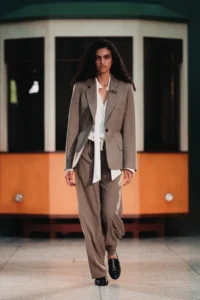
Conceived during the sweltering heat of a New York City summer, the latest pre-fall collection from contemporary fashion label Rag & Bone reflects a meticulous study of urban movement, practicality, and spontaneous style. Designed from the brand’s headquarters in the heart of the historic Meatpacking District, the collection captures the rhythm of daily life in the metropolis, where professional demands, social obligations, and unpredictable weather converge. Jennie McCormick, the chief merchandising and design officer, observed the subtle nuances of how urbanites dress during peak summer months, translating these real-world observations into a cohesive, highly functional wardrobe that challenges traditional sartorial boundaries.
At the core of the collection is a deliberate blurring of the lines between daywear and evening attire. Rather than imposing rigid categories for morning commutes and nighttime galas, the design team focused on garments that transition seamlessly across the twenty-four-hour cycle. In the brand’s showroom, McCormick highlighted a standout floor-length dress featuring intricate detailing along the back and precision-cut bias seams that allow the fabric to drape fluidly. This piece exemplifies the collection’s overarching philosophy: adaptable, unpretentious luxury that accommodates the dynamic lifestyle of the modern consumer.
The Design Process and Urban Inspiration
The genesis of the pre-fall lineup lies in intensive field observation. During the peak of the New York summer, design teams often look ahead to transitional seasons, attempting to anticipate the psychological and physical needs of consumers months in advance. By anchoring their creative process in the immediate environment of the Meatpacking District—a neighborhood renowned for its unique blend of industrial heritage, high-end commerce, and vibrant nightlife—the designers gathered authentic insights into contemporary dressing habits.
McCormick noted that the modern urban wardrobe must prioritize utility without sacrificing aesthetic appeal. The fast-paced nature of city life demands clothing that can withstand long hours of wear while maintaining a polished appearance. This realization drove the incorporation of thoughtful construction techniques, such as bias-cut seams, which provide natural stretch and a flattering silhouette that moves dynamically with the wearer.
Discussing the versatility of the collection’s hero pieces, McCormick emphasized the effortless nature of the styling. "It could be worn around the city with a pair of sandals, but dressed up for an event at night," she explained during a walkthrough of the showroom. This duality is not merely a styling trick inherent to the presentation, but a foundational design principle built into the fabric choices, cuts, and overall architecture of the garments. The underlying ethos celebrates the individuality of the consumer, whom McCormick described with a distinct sense of character: "One thing about the Rag & Bone woman is that she’s irreverent and she wears her dress because she just loves it."
Evolution of the Matching Set
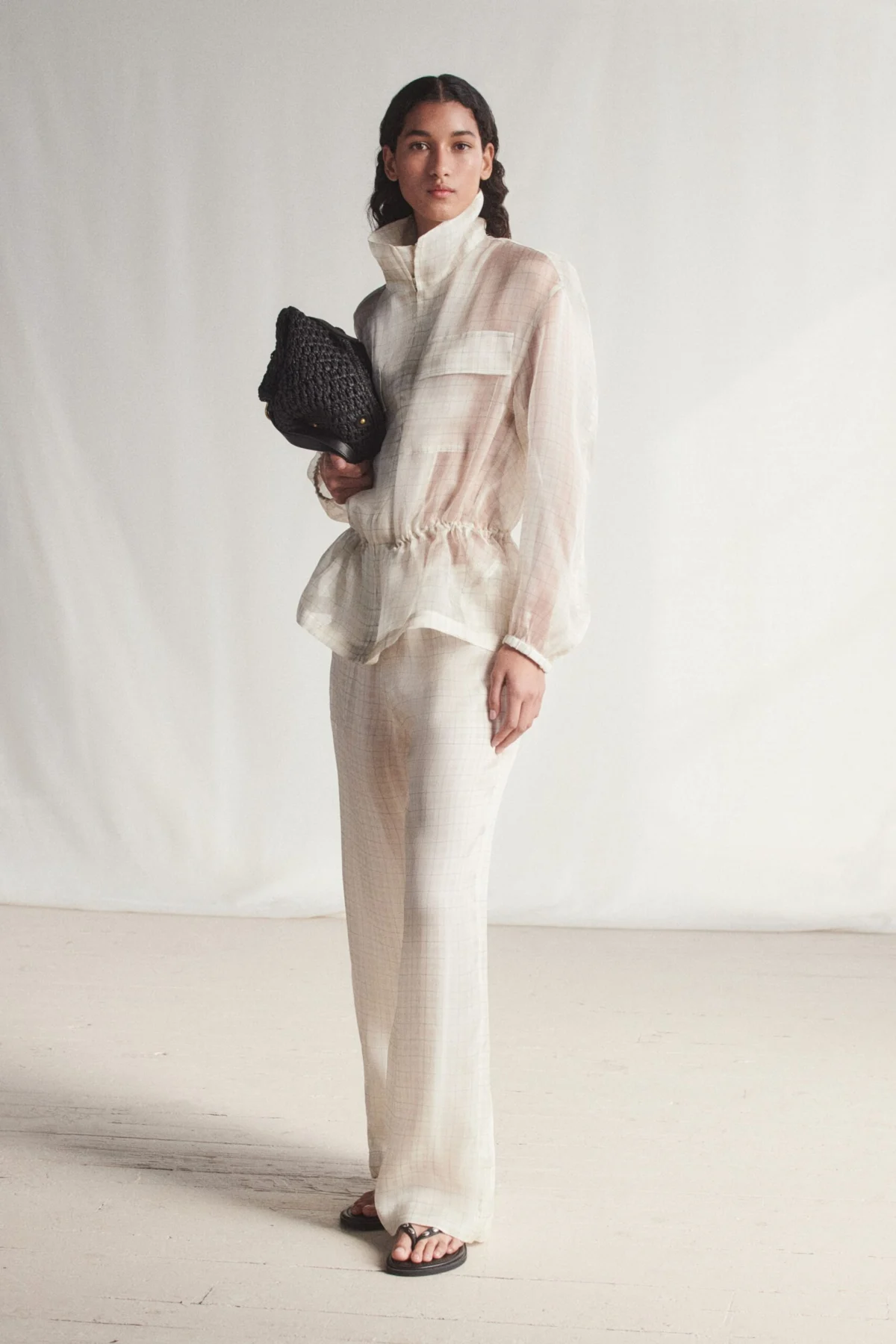
Matching sets have long served as a foundational pillar of the Rag & Bone aesthetic, prized by customers for their inherent styling efficiency and cohesive visual impact. For the pre-fall collection, the brand sought to reinvent this signature category by introducing fresh fabrications, bolder silhouettes, and unexpected textures that elevate the concept beyond basic loungewear or standard corporate coordinates.
Among the standout introductions is a mulberry silk utility tank and trousers combination. This ensemble bridges the gap between utilitarian workwear and luxurious evening wear. The inherent softness and subtle sheen of mulberry silk soften the rigorous lines of traditional utility pockets and hardware, resulting in an outfit that feels simultaneously grounded and elevated. It offers wearers an easy-wearing option that transitions effortlessly from daytime errands to evening dinners without requiring a complete wardrobe change.
In addition to the silk utility set, the collection features a printed organza matching set designed to offer a more formal, high-impact alternative. Organza, known for its crisp hand-feel and ethereal transparency, provides structural volume while maintaining a lightweight feel—an essential quality for transitional weather. This printed ensemble provides the Rag & Bone customer with an effortless path to formal dressing, eliminating the complexity often associated with assembling evening wear. By pairing sophisticated textiles with relaxed, accessible silhouettes, the brand continues to refine its signature formula of understated cool.
Background and Chronological Context of Pre-Fall Collections
To understand the strategic significance of the Rag & Bone pre-fall collection, it is necessary to examine the broader calendar and commercial function of pre-collections within the contemporary fashion industry. Historically, pre-fall and resort (or cruise) collections occupied a minor space in the traditional fashion cycle, serving primarily as bridge seasons to keep retail floors stocked between the major Spring/Summer and Fall/Winter runway presentations. However, over the past two decades, pre-collections have evolved into the commercial backbone of many luxury and contemporary brands.
Typically debuting between May and July for pre-fall, and November and December for resort, these lines arrive on retail floors significantly earlier than their mainline counterparts. For brands like Rag & Bone, which maintain a strong direct-to-consumer presence alongside wholesale partnerships, pre-fall represents a crucial revenue driver. Because these collections remain on the sales floor for an extended period—often spanning several months from late summer through early winter—they must offer
exceptional versatility, bridging warm-weather comfort with cooler-weather layering potential.
The timing of the Rag & Bone design phase, occurring in the height of the New York summer, directly informs the lightweight, breathable nature of the fabrics utilized. Materials such as mulberry silk and organza are deliberately chosen not only for their aesthetic qualities but for their practical performance in fluctuating temperatures. This chronological alignment between the creation environment and the intended wearer experience ensures a high degree of authenticity in the final product.
Market Positioning and Contemporary Consumer Trends
The introduction of this pre-fall collection arrives at a pivotal moment for the contemporary fashion sector, which continues to navigate shifting consumer preferences influenced by post-pandemic lifestyle changes. Market data indicates that modern shoppers increasingly prioritize garment longevity, versatility, and multi-season utility over fast-moving micro-trends. The emphasis on pieces that can transition seamlessly from day to night aligns directly with these evolving consumer priorities.
Furthermore, the enduring popularity of matching sets reflects a broader macro-trend in apparel retail: the desire for coordinated dressing that minimizes decision fatigue while maximizing stylistic impact. According to retail analytics from major fashion forecasting firms, coordinates and matching separates have consistently outperformed standalone items in terms of sell-through rates, as consumers view them as modular investments that can be worn together or separated to create multiple distinct outfits.
Rag & Bone’s strategic decision to anchor its pre-fall lineup in tactile luxury—highlighted by the use of mulberry silk and structured organza—speaks to a larger industry shift toward tactile engagement. In an era where digital commerce dominates a substantial share of retail transactions, physical touchpoints and fabric quality have become primary differentiators for brands operating in the contemporary space. By focusing on sensory-rich materials and expert craftsmanship, the label reinforces its market position as a purveyor of thoughtful, modern essentials.
Industry Analysis and Strategic Implications
The unveiling of the pre-fall collection offers clear insights into the current operational and creative strategy of Rag & Bone. Under the guidance of its design and merchandising leadership, the brand has maintained a steadfast commitment to its urban heritage while continuously adapting to the demands of a global consumer base.
Analyzing the collection from an economic perspective, the focus on versatile separates and day-to-night silhouettes represents a risk-mitigation strategy for retail partners. Versatile garments experience lower return rates and higher customer satisfaction scores, as they require less guesswork on the part of the buyer. By offering pieces that function equally well in professional, casual, and formal settings, Rag & Bone maximizes the utility of each garment for the end consumer, thereby strengthening brand loyalty and driving repeat purchases.
Moreover, the localized inspiration behind the collection—grounded in the daily observations of the Meatpacking District—reinforces the authenticity that contemporary consumers demand. In an increasingly globalized market, place-based design narratives provide a distinct competitive advantage, grounding commercial products in a tangible, culturally resonant context.
Conclusion and Outlook
As the retail landscape continues to evolve, the ability to balance commercial viability with distinct creative vision remains the ultimate test for contemporary fashion labels. Rag & Bone’s latest pre-fall offering demonstrates a sophisticated understanding of this balance. By translating the sights, textures, and rhythms of a New York City summer into a cohesive wardrobe of silk utility wear, organza sets, and fluid bias-cut dresses, the brand has delivered a collection that is both grounded in reality and elevated in execution.
The strategic focus on day-to-night versatility, combined with an irreverent approach to personal style, ensures that the collection will resonate strongly with consumers as it hits retail floors. As these garments transition from the designer’s showroom to the streets of major metropolitan areas, they will serve as a testament to the enduring appeal of thoughtful, adaptable, and unpretentious urban design.