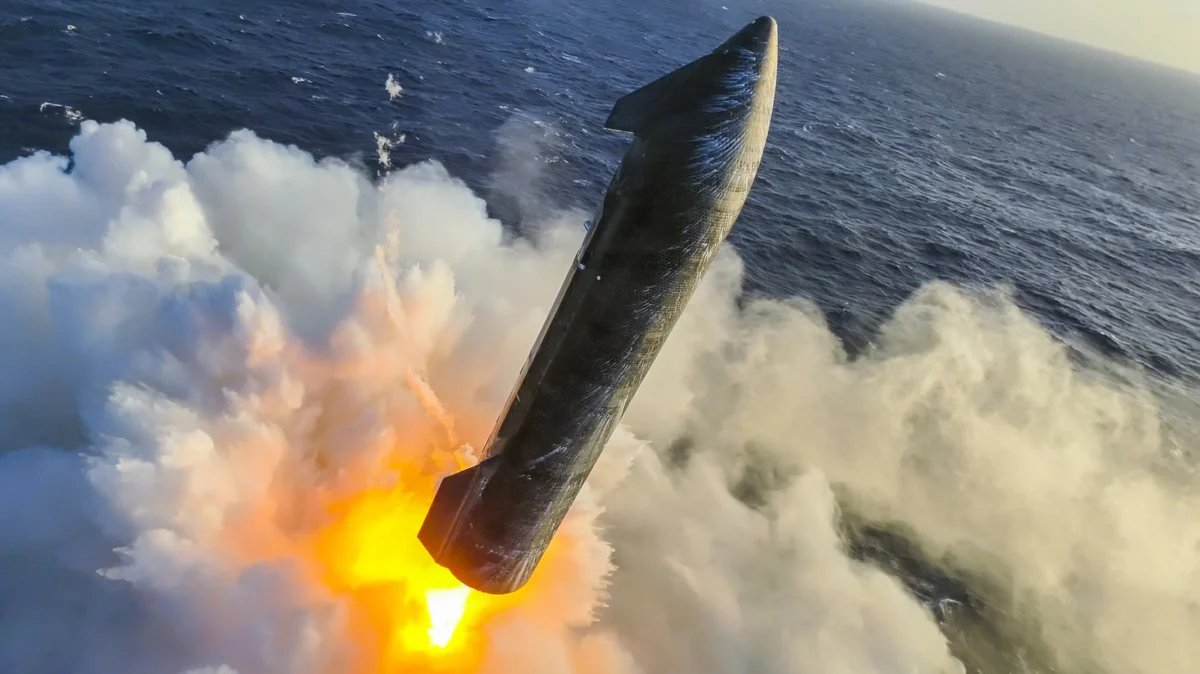
The global aerospace industry is facing a monumental paradigm shift as SpaceX reportedly ceases to accept new commercial reservations for the Falcon 9 launch vehicle for missions scheduled beyond 2028. According to multiple industry insiders and government sources, the private aerospace giant is aggressively positioning its massive next-generation Starship system to completely absorb the Falcon 9’s mission portfolio by the end of the decade. This strategic pivot highlights a profound gamble by SpaceX Chief Executive Officer Elon Musk, who has bet the company’s future—and arguably a significant portion of the global commercial satellite economy—on the rapid development, flight-rate scaling, and regulatory certification of Starship.
While the Falcon 9 has reigned supreme as the undisputed workhorse of modern orbital mechanics, the decision to phase out the rocket years before its replacement has achieved commercial parity has triggered profound anxiety among satellite operators, defense agencies, and civil space administrators alike. The overarching question confronting the aerospace sector is whether Starship can realistically meet its ambitious timeline and execute the diverse array of missions currently handled by the Falcon 9, or if the global launch market is hurtling toward a severe capacity bottleneck.
The Phenomenal Legacy of the Falcon 9
To understand the magnitude of retiring the Falcon 9, one must examine its unprecedented dominance in contemporary spaceflight. In 2025 alone, the Falcon 9 single-handedly accounted for nearly half of all orbital rocket launches originating from planet Earth. Achieving an astounding 165 orbital flights within a single calendar year, the vehicle maintained a near-flawless record, delivering every assigned payload to its destination while achieving a booster recovery success rate that rendered legacy aerospace competitors obsolete.
The vehicle’s revolutionary architecture—characterized by a rapidly reusable first-stage booster and cost-efficient mass production—fundamentally restructured the economics of space access. By drastically lowering the cost per kilogram to low Earth orbit (LEO), the Falcon 9 catalyzed an entirely new orbital and lunar economy. Small startups, academic institutions, and emerging satellite operators that were previously locked out of space due to prohibitive costs suddenly found themselves with affordable passage to the cosmos. This was frequently accomplished via rideshare and space-sharing arrangements, where dozens of disparate payloads packed into the Falcon 9’s upper stage simultaneously.
However, this heavy reliance on a single corporate entity has long troubled geopolitical strategists. Industry experts have frequently warned of a looming "space crunch," driven by a global shortage of launch pads, processing facilities, and operational rockets relative to surging commercial demand. Removing the Falcon 9—which currently constitutes half of the world’s launch capacity—from the operational manifest threatens to acutely exacerbate this infrastructure deficit.
The Strategic Rationalization from SpaceX Leadership
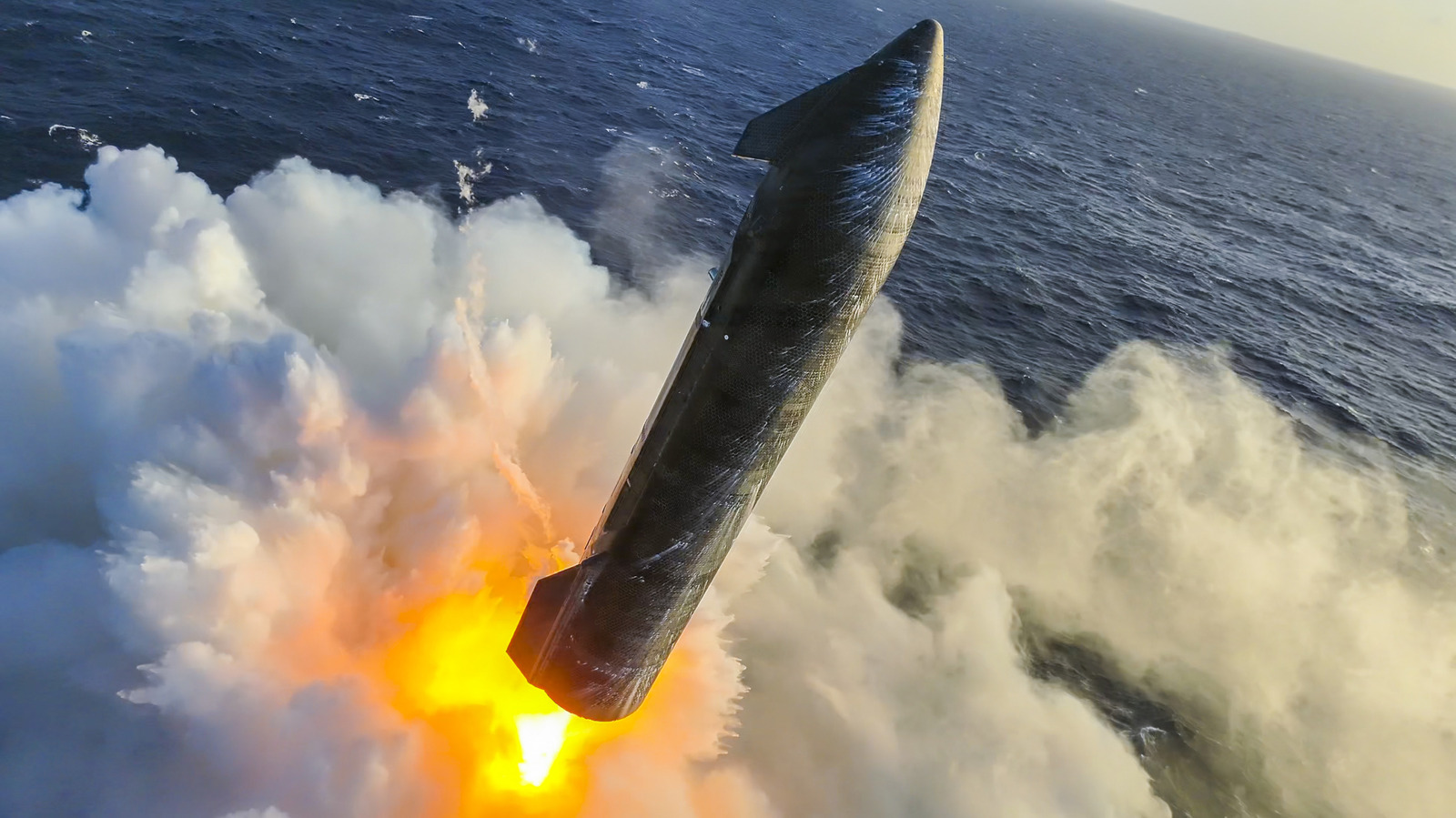
The rationale behind the phase-out was bluntly articulated by Elon Musk via social media and corporate briefings. Musk noted that once Starship is flying reliably several times per week, it makes strategic sense to redirect SpaceX’s notoriously scarce engineering and production resources entirely toward Starship. The ultimate goal is to scale Starship’s launch cadence to several times per day, a volumetric leap that would make maintaining the Falcon 9 production lines economically and operationally untenable.
From a purely corporate perspective, consolidating resources behind a revolutionary, fully reusable heavy-lift vehicle aligns with SpaceX’s long-standing philosophy of radical innovation. However, the operational disconnect lies in the timeline. SpaceX is actively refusing post-2028 payload reservations today, years before Starship has even completed its first orbital test flight or demonstrated the routine, multi-daily reliability Musk envisions. By cutting off the reservation pipeline, SpaceX is effectively declaring that Starship will be fully matured, flight-proven, and internationally certified by 2028—whether the broader aerospace ecosystem is ready for the transition or not.
The International Space Station and Human Spaceflight Implications
Beyond commercial satellite deployments, the Falcon 9 serves as a critical lifeline for human spaceflight. Currently, SpaceX operates the primary American systems for both cargo resupply and astronaut transportation to and from the International Space Station (ISS) via the Falcon 9 and the Crew Dragon spacecraft.
With NASA weighing proposals to extend the operational lifespan of the ISS through 2032, the premature retirement of the Falcon 9 creates a dangerous operational gap. Industry rumors suggest that SpaceX may wind down its ISS-related flight commitments alongside the commercial phase-out. If realized, this would leave a multi-year void in American human-rating capabilities for the orbiting laboratory.
While alternative launch systems exist, none currently match the Falcon 9’s cadence or reliability. Russia’s Soyuz rocket remains an option, though geopolitical tensions complicate its use for Western astronauts. Meanwhile, Boeing’s Starliner program has struggled with high-profile technical anomalies and spacecraft failures, leading NASA to classify previous mishaps under stringent review categories. Most critically, the gargantuan Starship upper stage is structurally and dynamically incapable of docking with the existing architecture of the International Space Station, meaning it cannot directly inherit the station-resupply mission profile of its predecessor.
The Artemis Lunar Nexus and NASA Deadlines
A major catalyst for SpaceX’s hard 2028 deadline may stem directly from its contractual obligations to NASA under the Artemis program. The architecture designed to return American astronauts to the lunar surface is extraordinarily complex and time-sensitive.

Under the baseline plan, astronauts will launch from Earth aboard an Orion capsule propelled by NASA’s Space Launch System (SLS) rocket. Concurrently, a SpaceX Starship human landing system (HLS) must launch into Earth orbit, undergo a rigorous sequence of approximately 15 on-orbit propellant transfers from tanker variants, and subsequently travel to lunar orbit to rendezvous with the Orion capsule. This choreography is officially slated to support a lunar landing attempt in 2028.
To retain its multi-billion-dollar NASA lunar lander contract, SpaceX is contractually and chronologically bound to achieve full operational capability for Starship by that exact window. Consequently, internal corporate planning appears to treat the 2028 lunar deadline as an absolute imperative, forcing downstream decisions like the termination of the Falcon 9.
NASA, however, has expressed mounting anxiety over these aggressive timelines. Recognizing the potential for delays, the space agency previously reopened contract pathways for alternative lunar lander designs, with Blue Origin serving as the primary competing candidate. Technical hurdles continue to shadow the Starship development path; iterative prototypes have faced intensive thermal protection system adjustments, structural panel gap challenges, and rigorous environmental testing regimens. With the vehicle’s maiden orbital flight attempt scheduled for late September, the gap between current technological maturity and the 2028 operational mandate remains substantial.
Broader Market Impact and Future Outlook
The decision by SpaceX to sunset its premier launch vehicle has sent shockwaves through the global aerospace supply chain. Satellite manufacturers, telecommunications conglomerates, and defense contractors are urgently scouting alternative launch providers to safeguard their future orbital pipelines. Emerging rocket developers in the United States, Europe, and Asia are suddenly under immense pressure to accelerate their own medium and heavy-lift programs to capture the displaced market share.
However, analysts note that no competitor possesses a vehicle capable of matching the Falcon 9’s combination of low cost, high flight frequency, and proven reliability in the near term. The current landscape underscores a precarious reality for modern space exploration: when an entire global industry becomes fundamentally underpinned by the infrastructure of a single private enterprise, strategic pivots by that company can instantly transform from corporate milestones into systemic global challenges. As 2028 approaches, the international space community watches anxiously to see whether Starship will successfully rise to fill the colossal void left by the retirement of the Falcon 9.