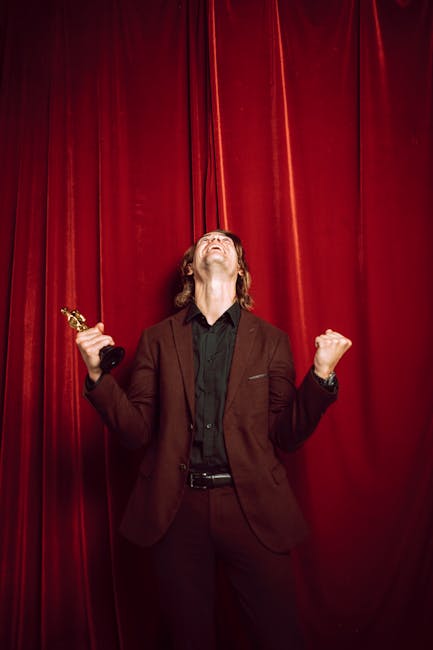
Stranger Things Play Wins Tony Awards, Setting Stage for TV Series Finale
The critically acclaimed theatrical production of "Stranger Things: The First Shadow," a prequel stage play exploring the origins of the beloved Netflix series, has achieved a significant milestone by securing multiple Tony Awards. This prestigious recognition not only solidifies the play’s artistic merit but also profoundly impacts the anticipation and strategic narrative surrounding the upcoming final season of the "Stranger Things" television series. The success of "The First Shadow" on Broadway, a notoriously challenging but rewarding arena, demonstrates a powerful synergy between theatrical storytelling and serialized visual media, suggesting a more intricate and potentially theatrical approach to the conclusion of the Hawkins saga. The Tony Awards, widely considered the highest honor in American theater, bestow a powerful endorsement on the creative team behind the "Stranger Things" play, including writers Kate Trefry and Jack Thorne, director Stephen Daldry, and producers Sonia Friedman and Stephen Gabriel. This acclaim amplifies the existing buzz for the show and offers a tantalizing preview of the narrative depth and emotional resonance that the final season of the TV series might aim to achieve. The play’s victory implies that its exploration of character backstories, the establishment of a foundational mythology, and its use of innovative stagecraft have resonated deeply with audiences and critics alike. This theatrical triumph can be interpreted as a deliberate strategic move by Netflix and the Duffer Brothers, the creators of "Stranger Things," to imbue the series finale with a heightened sense of theatricality, grandeur, and a deeper understanding of the show’s core thematic elements. The play’s success demonstrates the potential for a more layered and impactful conclusion, one that draws upon the established lore and characters in ways that are both familiar and surprising, leveraging the power of live performance to foreshadow or complement the televised narrative.
The Tony Awards success of "Stranger Things: The First Shadow" serves as a potent narrative precursor to the final season of the Netflix series by establishing a precedent for ambitious storytelling and audience engagement. The play’s ability to translate the iconic, albeit supernatural, world of Hawkins to the live stage, complete with practical effects, intricate set design, and compelling performances, signifies a potential shift in the Duffer Brothers’ approach to the series finale. Winning Tonys suggests a commitment to elevated production values and a sophisticated understanding of narrative pacing and character development, qualities that will be essential for a satisfying conclusion to a series that has spanned nearly a decade. The Tony Awards are not merely accolades; they are a testament to a production’s ability to captivate and move an audience through masterful storytelling and execution. For "Stranger Things," this translates into a powerful signal that the upcoming final season will likely be an event of considerable artistic and emotional weight. The play’s focus on the origins of beloved characters like Eleven, Hopper, and Joyce, and its introduction of new, crucial figures like Henry Creel/Vecna, provides a rich tapestry of lore that the final season can now more confidently weave into its concluding arcs. This preemptive deep dive into the mythology allows the Duffer Brothers to assume a certain level of audience familiarity with the foundational elements of their universe, freeing them to concentrate on the more immediate stakes of the Upside Down’s ultimate confrontation with Hawkins. The Tony success therefore amplifies the anticipation for the series finale by promising a level of artistic polish and narrative coherence that aligns with the highest standards of live theater, suggesting that the creators are aiming for an equally impactful and memorable send-off for their flagship series.
The strategic implications of "Stranger Things: The First Shadow’s" Tony Awards sweep are multifaceted, extending beyond mere critical acclaim to influence fan perception, marketing strategies, and the very narrative architecture of the series finale. By achieving success on Broadway, the play has introduced a new generation of theater-goers to the "Stranger Things" universe while simultaneously deepening the appreciation of existing fans for its intricate lore. This cross-pollination of audiences creates a unique advantage for Netflix as it prepares to launch the show’s final act. The Tony Awards validation lends a gravitas to the "Stranger Things" brand, elevating it from a popular streaming series to a cultural phenomenon with proven artistic depth. This can translate into more sophisticated marketing campaigns for the final season, potentially leaning into themes of legacy, destiny, and the epic culmination of long-standing conflicts, drawing parallels to the enduring impact of classic theatrical narratives. Furthermore, the play’s exploration of character origins and foundational mythology provides a narrative blueprint that the Duffer Brothers can strategically deploy in the final season. They can now confidently reference or expand upon plot points and character arcs established in "The First Shadow," knowing that a significant portion of their audience (both theatrical and now Tony-recognized) will have a deeper understanding of these elements. This allows for a more nuanced and potentially less expository approach to wrapping up storylines, focusing on emotional payoffs and thematic resonance rather than lengthy explanations. The Tony win, therefore, acts as a powerful endorsement of the creative vision behind "Stranger Things," signaling to fans and industry alike that the series finale is poised to be a carefully crafted, artistically ambitious, and narratively complete conclusion, informed by the very theatrical principles that have earned the play such high praise.
The thematic resonance between the theatrical success of "Stranger Things: The First Shadow" and the anticipated conclusion of the TV series is undeniable, particularly concerning the exploration of duality and the cyclical nature of conflict. The play’s meticulous unveiling of Henry Creel’s transformation into Vecna, a villain born from profound trauma and a desperate search for belonging, mirrors the inherent duality present within the "Stranger Things" narrative – the constant struggle between light and shadow, innocence and corruption, the familiar and the monstrous. The Tony Awards recognition for "The First Shadow" suggests that audiences have been profoundly moved by its nuanced portrayal of these complex themes, and this emotional groundwork is likely to be a cornerstone of the final season’s narrative. The play’s focus on the origins of the Upside Down’s greatest threat, and its portrayal of the psychological underpinnings of evil, provides a rich wellspring of thematic material that the Duffer Brothers can draw upon to give their series finale a sense of gravitas and philosophical depth. It’s not just about defeating a monster; it’s about understanding the roots of that monstrosity and how it reflects and interacts with the human condition. The Tony Awards’ acknowledgment of the play’s ability to connect with audiences on an emotional and intellectual level indicates that "The First Shadow" has successfully laid the thematic foundation for a truly epic conclusion. This means the final season of "Stranger Things" can move beyond a simple good-versus-evil narrative and delve into more profound explorations of redemption, sacrifice, and the enduring power of connection in the face of overwhelming darkness. The play’s triumph, therefore, serves as a powerful indicator that the series finale will be a culmination of these thematic threads, aiming for a resolution that is not only satisfying in terms of plot but also resonant in its exploration of the human spirit and the choices that define us, whether on a stage or on a screen.
The narrative architecture of "Stranger Things: The First Shadow," as evidenced by its Tony Award wins, strongly suggests a more deliberate and potentially theatrical structure for the upcoming final season of the TV series. The play’s success lies in its ability to weave together origin stories, establish a compelling mythology, and deliver impactful character moments within the constraints and possibilities of live performance. This mastery of narrative pacing and development is precisely what a grand series finale requires. The Duffer Brothers have consistently demonstrated their skill in building suspense and delivering satisfying payoffs, but the Tony recognition for "The First Shadow" signals a potential evolution in their approach, perhaps embracing a more epic and sweeping narrative arc that mirrors the scale and ambition of a Broadway production. The play’s focus on the interconnectedness of characters and events across different timelines and dimensions provides a clear precedent for how the final season might operate, potentially utilizing flashbacks or parallel storylines to weave a complex tapestry of narrative threads. The Tony Awards have always celebrated productions that push the boundaries of storytelling and theatrical innovation. For "Stranger Things," this translates into a strong indication that the final season will not shy away from ambitious narrative devices, intricate plotlines, and a profound exploration of the series’ core mysteries. The play’s ability to create a visceral and immersive experience for its audience, employing visual spectacle and emotional resonance, hints at a similar ambition for the televised finale. It suggests a desire to craft a conclusion that feels both grand and intimate, a true culmination of the characters’ journeys and the overarching narrative, mirroring the theatrical experience of a powerful and unforgettable live performance.
The artistic achievements of "Stranger Things: The First Shadow," now celebrated with multiple Tony Awards, offer a powerful lens through which to anticipate the creative ambitions and potential narrative strategies of the final season of the Netflix series. The play’s critical and commercial success on Broadway underscores the Duffer Brothers’ commitment to a high standard of storytelling and production, suggesting that the series finale will be approached with a similar level of meticulous craftsmanship and thematic depth. The Tony Awards’ endorsement of "The First Shadow" serves as a potent signal that the creators are confident in their ability to deliver a conclusion that is both artistically resonant and emotionally satisfying for their global audience. The play’s deep dive into the origins of key characters and the foundational mythology of the Upside Down provides a rich narrative bedrock that the final season can now leverage to its full potential. This means that the concluding arcs of the series can focus on character development and thematic exploration with a newfound confidence, building upon the established lore and audience understanding. The success of "The First Shadow" in translating the unique "Stranger Things" atmosphere to the live stage also hints at a potential embrace of grander theatrical elements in the televised finale, perhaps incorporating more ambitious visual storytelling, intricate pacing, and a heightened sense of dramatic tension. The Tony Awards, as a pinnacle of artistic achievement, imbue the "Stranger Things" franchise with an undeniable gravitas, suggesting that the upcoming final season is poised to be a carefully crafted, artistically ambitious, and narratively complete culmination of the beloved series, leaving a lasting impact akin to that of a timeless theatrical masterpiece.
