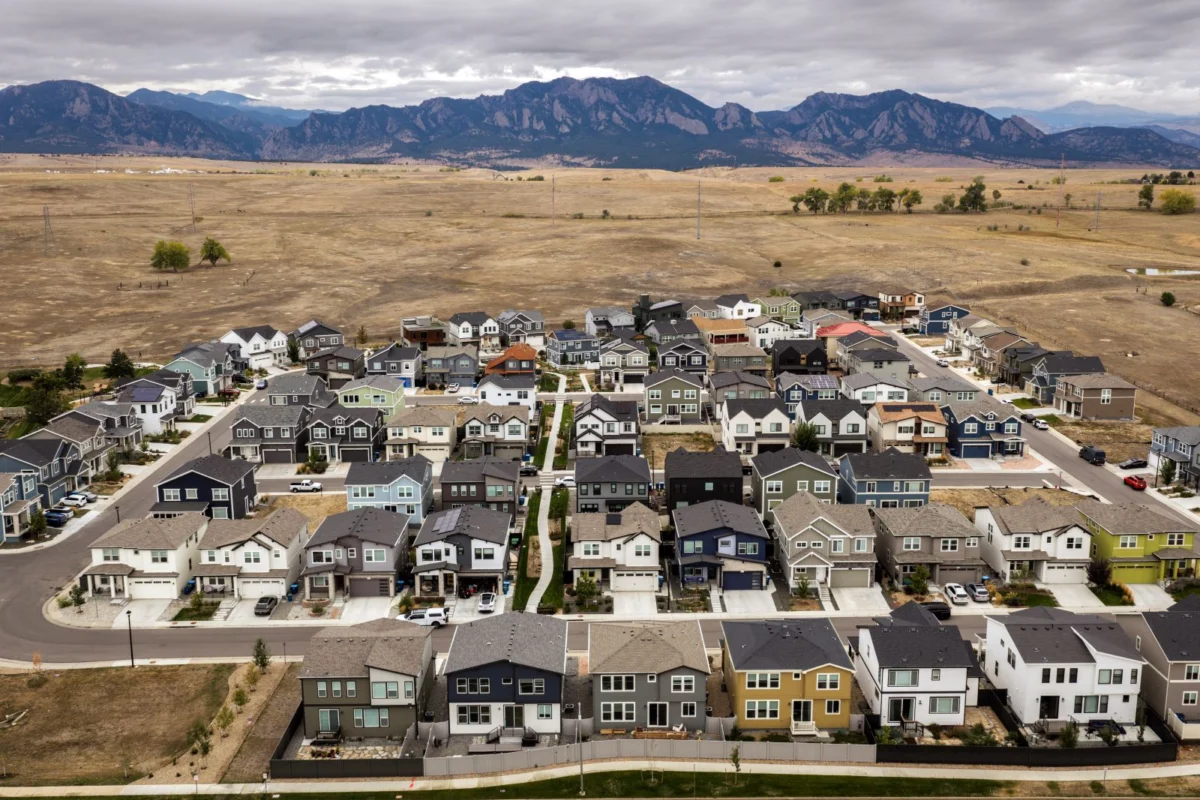
The United States Supreme Court opened its 2026-2027 term on Monday by hearing oral arguments in a landmark climate change lawsuit that could fundamentally reshape the legal landscape of environmental liability in America. The case, originating from Boulder, Colorado, pits local governments against major fossil fuel conglomerates, specifically Exxon Mobil and the Canadian energy firm Suncor. At the heart of the litigation is a fundamental question: can local and state municipalities hold oil and gas companies financially accountable for the mounting costs of planetary warming, or does regulating climate impacts fall exclusively within the domain of federal oversight?
The stakes extend far beyond the borders of Boulder County. Across the United States, dozens of similar lawsuits filed by cities, counties, and states are making their way through various judicial systems. Plaintiffs in these actions are seeking billions of dollars in compensation to offset the astronomical costs of mitigating climate change impacts, such as rebuilding communities devastated by catastrophic wildfires, reinforcing coastal infrastructure against rising sea levels, and upgrading public health systems to cope with prolonged heatwaves. The Supreme Court’s eventual ruling will not only decide the fate of Boulder’s specific claims but could also determine whether the foundational legal theory of corporate climate accountability remains viable.
A Divided Bench Grapples with Complexity
During two hours of intensive questioning, the eight participating justices—Justice Samuel Alito recused himself from the proceedings, reportedly due to concerns regarding personal investments—offered no definitive indication of how they intend to rule. However, the bench demonstrated a striking degree of unison regarding the sheer difficulty of the task before them. Justices across the ideological spectrum repeatedly expressed frustration over the convoluted nature of the legal arguments presented by both sides, frequently asking attorneys why they insisted on making a fundamentally straightforward issue excessively complex.
Yet, despite their shared desire for simplicity, the justices could not agree on what a simplified framework would actually look like. Conservative and liberal jurists alike struggled to reconcile traditional tort law with the unprecedented global scale of climate change. Throughout the arguments, the potential economic fallout for the fossil fuel industry weighed heavily on the minds of several justices, while the immediate, tangible consequences faced by communities on the front lines of a warming planet received comparatively less direct exploration.
The Core Argument: Regulation Versus Deception
The central ideological battleground of the hearing revolved around how to properly characterize the legal nature of Boulder’s lawsuit. Attorneys representing Exxon Mobil and Suncor successfully steered portions of the discussion toward the premise that the lawsuit is, in effect, an unauthorized attempt to regulate global greenhouse gas emissions through the state courts of Colorado.
Kannon Shanmugam, counsel for the oil companies, argued that allowing individual states to impose liability for global climate change would create an unworkable and chaotic regulatory patchwork. "This case involves an unprecedented effort to use state law to regulate global conduct," Shanmugam told the court. He cautioned that if Boulder’s lawsuit is permitted to proceed, the floodgates would open to a limitless cascade of litigation, noting sardonically that he could theoretically be sued for nuisance simply by filling up his car with gasoline in Colorado.
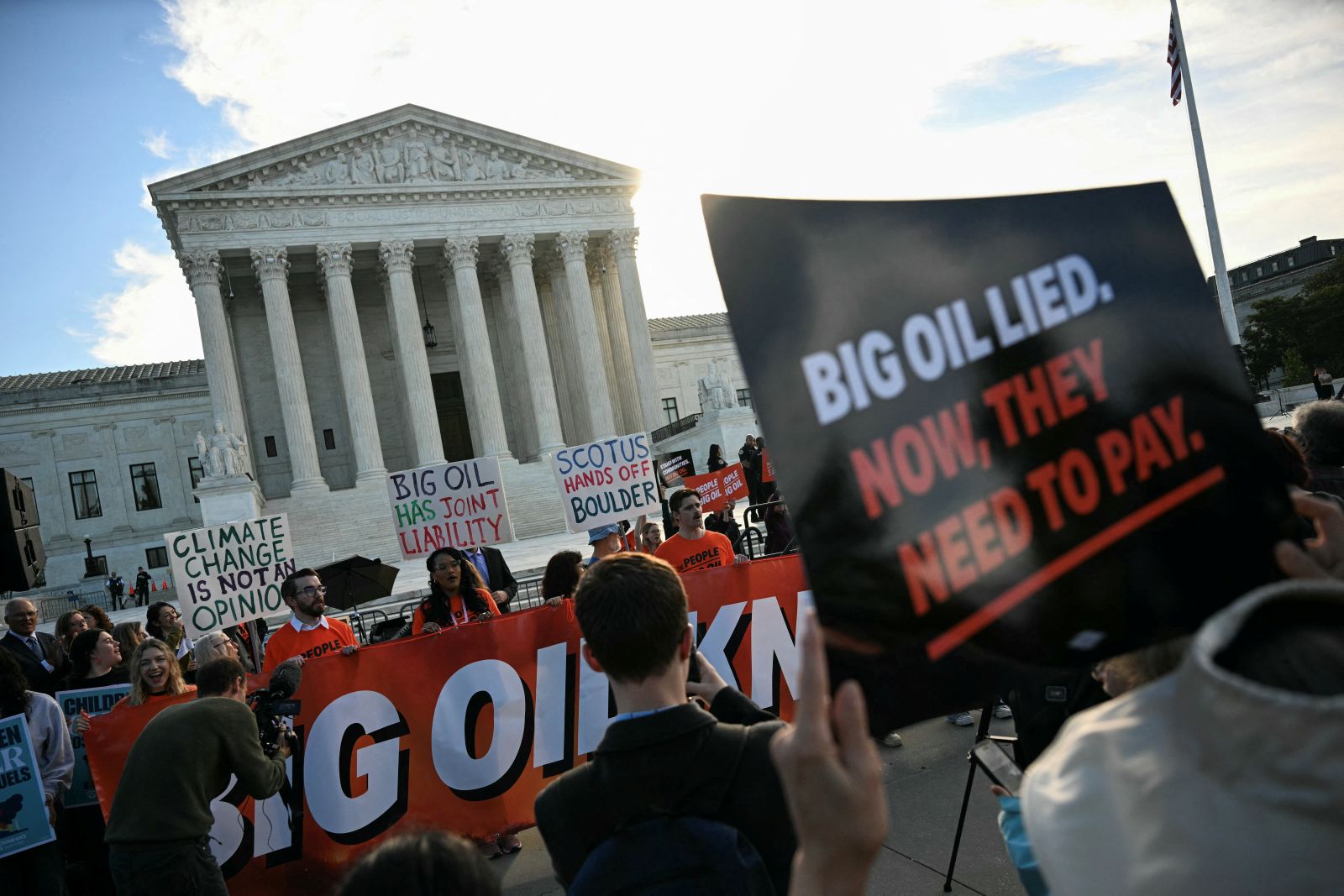
Justice Brett Kavanaugh echoed these concerns, stating that he could discern no practical difference between ordering oil companies to pay damages for climate-related harms and empowering a state court to effectively dictate global greenhouse gas emissions standards. Kavanaugh warned that the potential financial liability could be catastrophic, potentially threatening to bankrupt certain energy firms.
Conversely, Boulder’s legal team, led by attorney Kevin Russell, pushed back vigorously against this characterization. Russell argued that the city’s lawsuit is not designed to cap production, mandate lower emissions, or halt the combustion of fossil fuels. Instead, Boulder’s claims are rooted in a theory of consumer deception and fraud. The city alleges that for decades, major oil companies deliberately misled the public and consumers regarding the known risks of their products, actively obscuring the scientific consensus on climate change while reaping massive profits.
Under this theory, Russell explained, energy companies are entirely free to produce and sell as much oil and gas as the market will bear, provided that consumers and the public are accurately and honestly informed of the associated environmental consequences. In this light, the lawsuit seeks not to regulate future conduct, but to force corporations to internalize a portion of the historical costs associated with the damages their deceptive marketing practices allegedly helped cause.
Justice Elena Kagan drew a direct parallel to the historic tobacco litigation of the 1990s. In those landmark cases, state attorneys general successfully sued major cigarette manufacturers to recoup billions of dollars in public health care costs related to smoking-related illnesses. Crucially, those lawsuits did not outlaw the sale of cigarettes; rather, they forced tobacco companies to fund public awareness campaigns and compensate governments for the financial burdens imposed by their products.
Despite this historical precedent, Justice Kavanaugh criticized Russell’s framing as "cavalier," emphasizing that the multi-billion-dollar price tags associated with modern climate litigation represent an existential threat to the energy sector’s financial stability.
Background and Chronology of Climate Litigation
To understand the gravity of the Supreme Court’s current deliberations, it is necessary to examine the chronological evolution of climate change nuisance suits over the past two decades.
The movement began in earnest during the late 2000s, when municipal governments and environmental groups first attempted to use federal common law to sue major greenhouse gas emitters for public nuisance. Those early efforts culminated in the landmark 2011 Supreme Court decision in American Electric Power Co. v. Connecticut. In that unanimous ruling, the high court held that the federal Clean Air Act supersedes federal common law public nuisance claims regarding greenhouse gas emissions, effectively closing the federal courthouse doors to climate-related damage suits.
Faced with this barrier, plaintiffs shifted their legal strategy entirely. Beginning around 2017, cities, counties, and states across the nation—including San Francisco, New York City, Baltimore, and various municipalities in Colorado—began filing lawsuits in state courts rather than federal ones. These new complaints strategically avoided federal common law, instead relying on state-level consumer protection laws, fraud statutes, and traditional state tort doctrines of public nuisance and failure to warn.
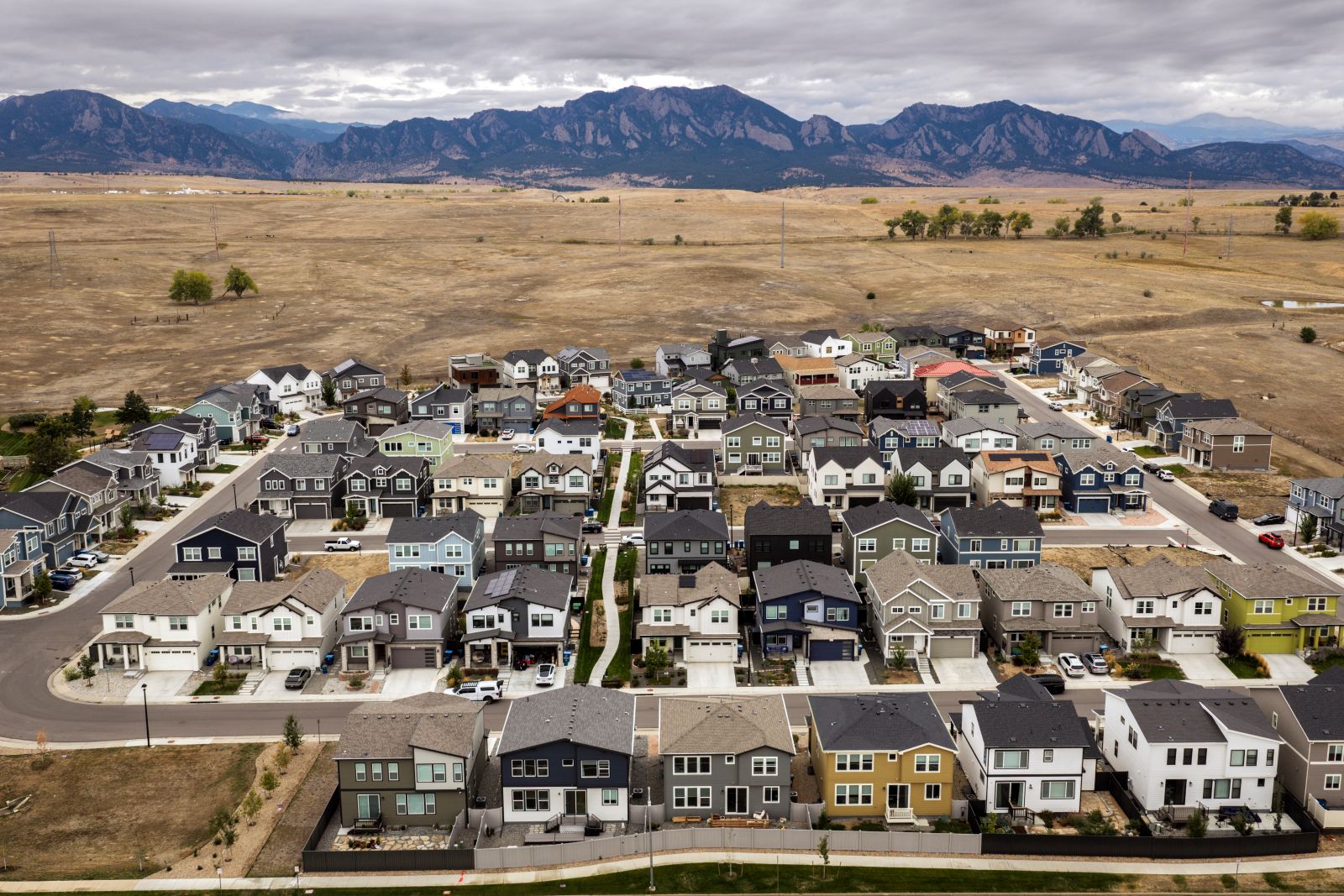
The fossil fuel industry immediately mobilized to block these state-level actions. For years, oil companies fought aggressively to remove the cases from local state courts and relocate them to the federal judiciary, where they believed they stood a better chance of dismissal under the precedent set by American Electric Power. However, through a series of lower court rulings over the preceding years, municipal plaintiffs repeatedly won procedural victories, successfully arguing that jurisdiction properly belonged in state courts because the lawsuits were fundamentally about corporate deception and consumer protection, not federal environmental regulation.
Frustrated by these persistent defeats in lower appellate courts, Exxon Mobil, Suncor, and other industry defendants petitioned the Supreme Court to intervene directly, setting the stage for the current showdown over Boulder’s lawsuit.
Broader Impacts and Legal Implications
The Supreme Court’s eventual decision, which is expected to be published months from now, could take several distinct forms, each carrying vastly different implications for the broader web of climate litigation nationwide.
According to Erika Kranz, an attorney with Harvard Law School’s Environmental and Energy Law Program, the fate of dozens of pending climate lawsuits across the United States hangs entirely on the specific legal rationale the justices choose to employ. "States and local governments are trying to recoup costs related to harms from climate change in a lot of different types of lawsuits," Kranz noted. "Whether these other cases run into trouble will depend on how justices write their decision."
If the court issues a narrow ruling, it may simply determine that the Supreme Court is not the appropriate venue to resolve the jurisdictional dispute at this stage, or it could issue a split 4-4 decision due to Justice Alito’s recusal. Such an outcome would effectively send the case back down to the Colorado state courts, allowing Boulder’s lawsuit—and potentially dozens of parallel actions across the country—to proceed toward trial.
Conversely, a broad ruling in favor of the oil companies could establish a sweeping federal preemption standard. If the conservative-leaning court decides that state-level laws cannot be used to adjudicate claims tied to global climate change, it would effectively pull the rug out from under municipal plaintiffs nationwide, terminating years of painstaking legal work in a single stroke.
Chris Winter, executive director of the Getches-Wilkinson Center at the University of Colorado Law School, emphasized that the aggressive questioning from the bench reflects a profound anxiety among corporate actors and conservative jurists regarding the destabilizing financial consequences of these lawsuits. To prevail, Winter noted, Boulder’s legal representation must successfully convince the justices that the apocalyptic economic scenarios painted by the oil industry are irrelevant to the core legal question of whether a corporation can be held liable for consumer fraud and deceptive trade practices.
As the legal community awaits the court’s opinion later in the term, the tension between local accountability and global economic stability remains palpable. The Supreme Court’s decision will ultimately define the boundaries of corporate responsibility in an era defined by accelerating climate change, establishing whether communities bearing the physical scars of a warming planet can legally demand financial restitution from the companies that fueled it.