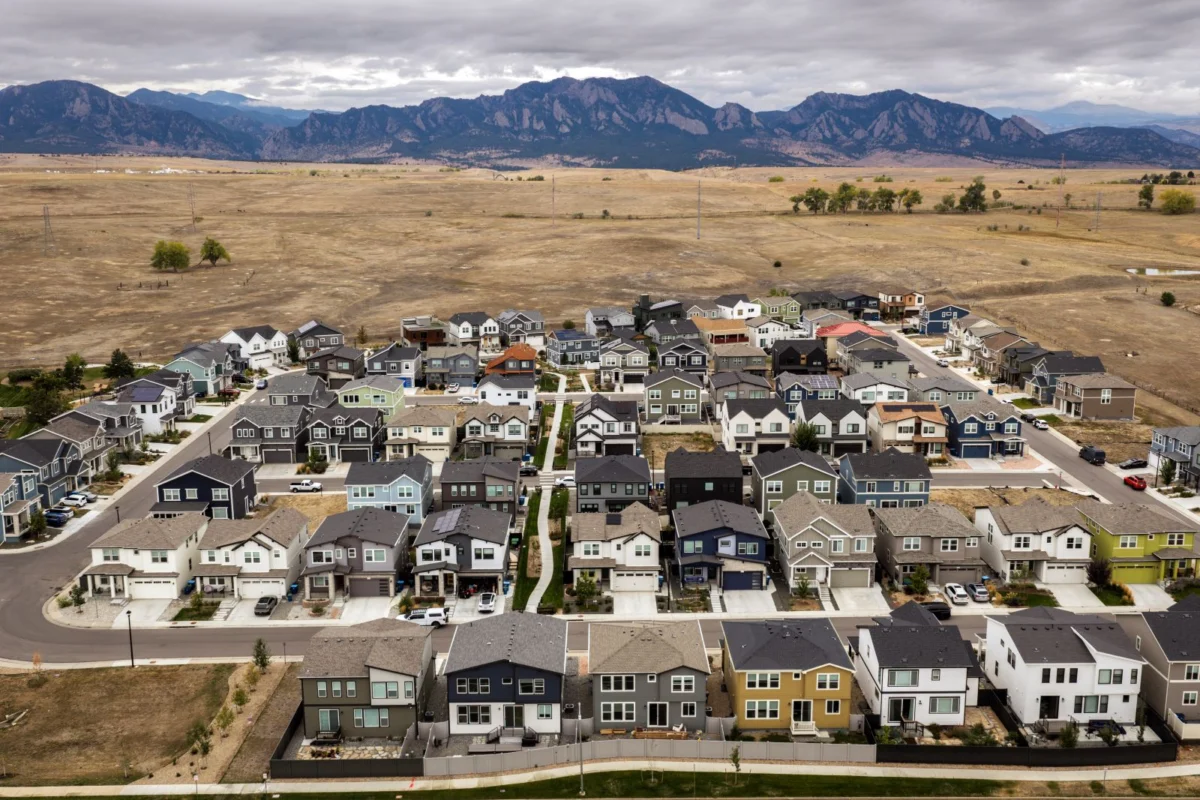
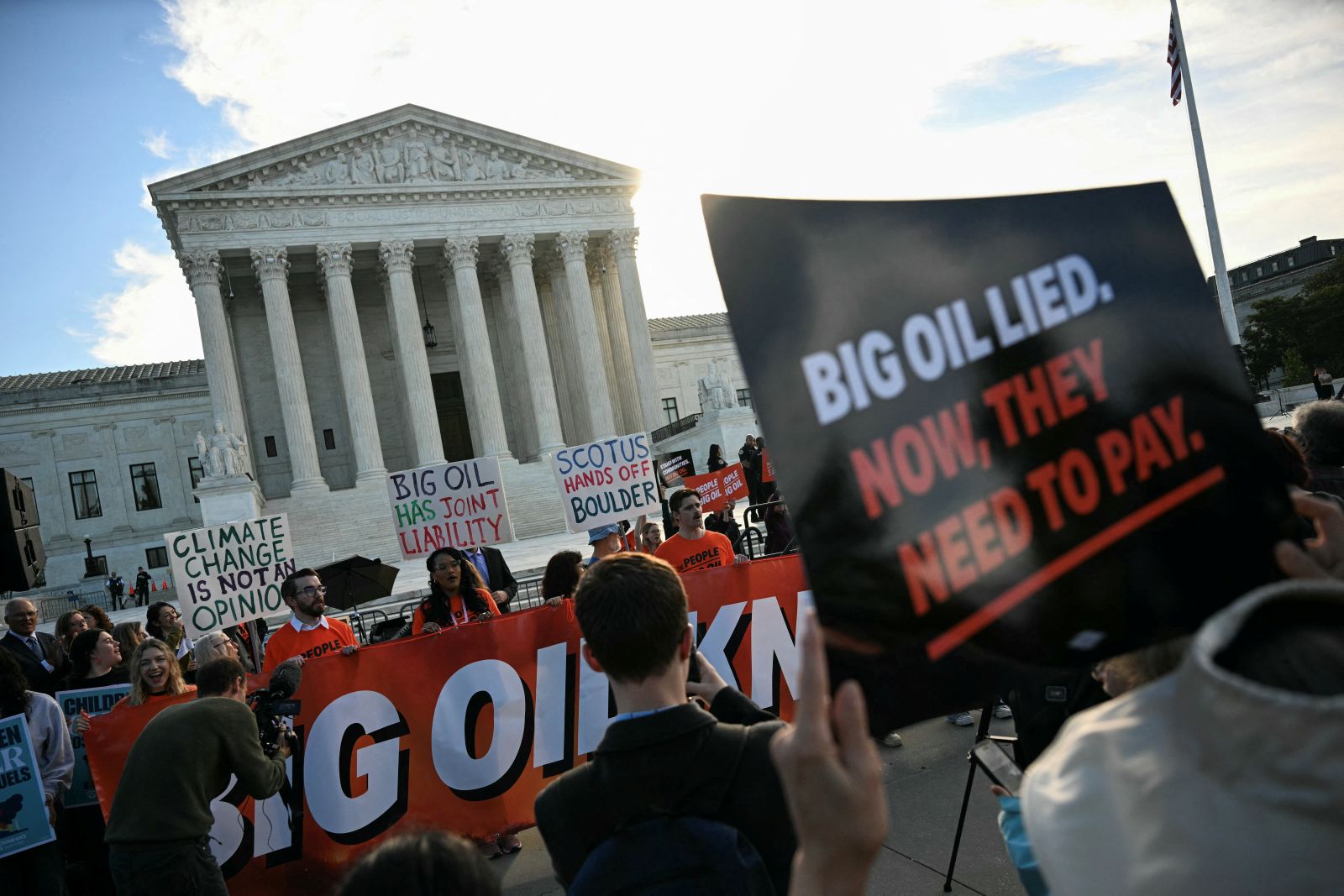
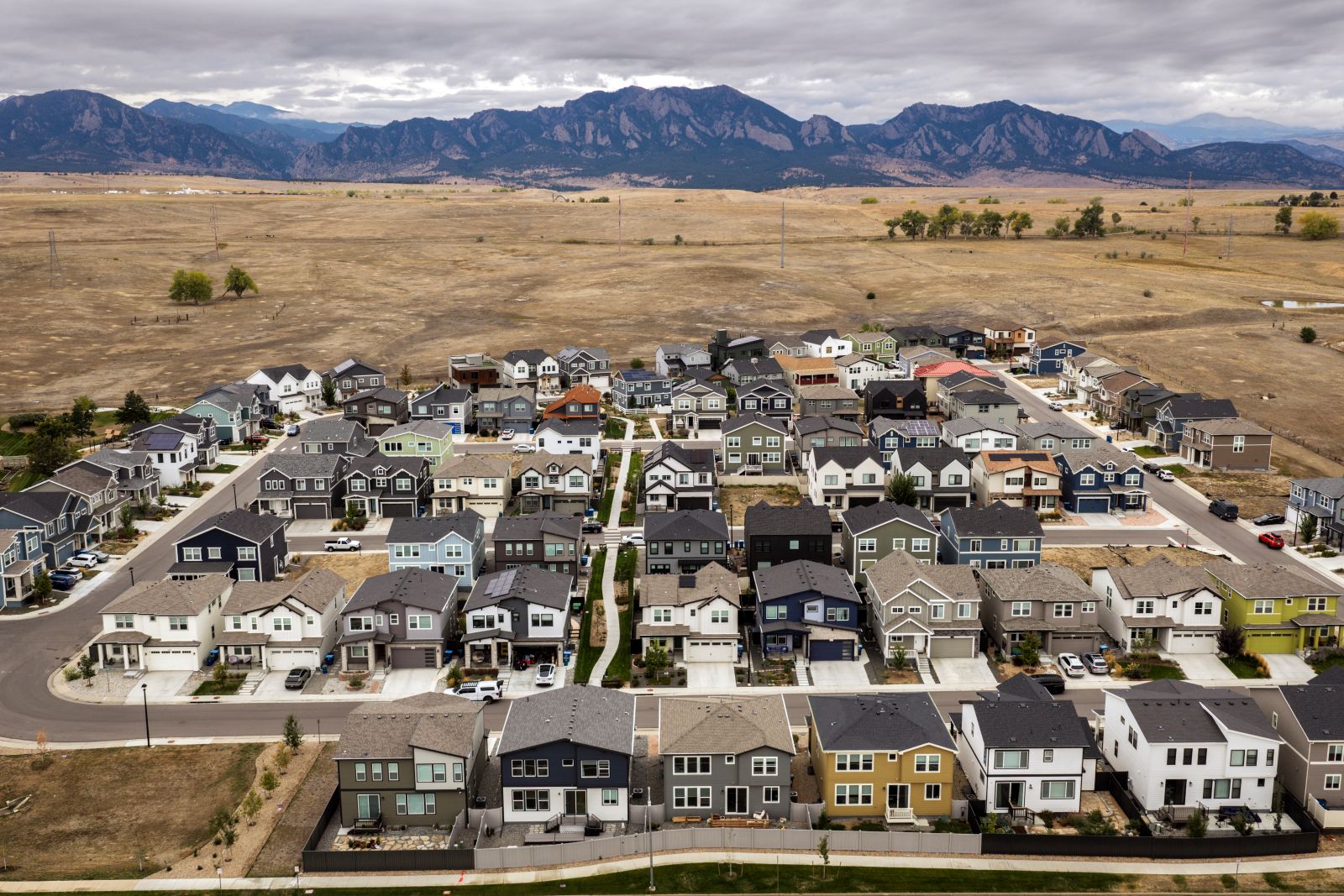
The Supreme Court opened its 2026-2027 term on Monday by hearing oral arguments in a high-stakes climate liability lawsuit that could fundamentally reshape the legal landscape for energy companies and municipal governments across the United States. The case, brought by Boulder, Colorado, against energy giants Exxon Mobil and the Canadian oil company Suncor, sits at the intersection of environmental law, federalism, and corporate accountability. At its core, the lawsuit seeks to hold fossil fuel producers financially accountable for the localized costs of a warming planet, specifically targeting what the municipality describes as a decades-long campaign of public deception regarding the known hazards of their products.
With eight justices presiding—Justice Samuel Alito recused himself from the proceedings without specifying a reason, though watchdog groups have previously pointed to energy sector investments—the high court spent two hours wrestling with the profound legal complexities of climate change attribution. While the justices offered no definitive indication of how they will ultimately rule, their questioning highlighted a shared concern over the judiciary’s role in adjudicating global environmental phenomena. The ultimate decision, anticipated months from now, threatens to either validate or completely dismantle a growing wave of similar climate litigation nationwide.
Background and Context of Municipal Climate Litigation
For years, local and state governments have increasingly turned to the judicial system to recoup the mounting financial burdens associated with climate change. Extreme weather events, ranging from devastating wildfires like the Marshall Fire in Boulder County to unprecedented flooding and severe heatwaves, have forced municipalities to spend billions of dollars on disaster recovery, infrastructure reinforcement, and adaptation measures.
Rather than absorbing these costs entirely through local tax bases, dozens of cities, counties, and states have filed lawsuits against major oil and gas companies. These plaintiffs argue that fossil fuel corporations knew for decades that their products would drive global warming yet actively worked to mislead the public, downplay climate risks, and forestall the transition to renewable energy.
The legal strategy mirrors historical tobacco litigation from the 1990s. In those landmark cases, states successfully sued major cigarette manufacturers not to ban the sale of tobacco products, but to force companies to internalize the healthcare costs associated with smoking and to curb deceptive marketing practices. In the Boulder case, attorneys representing the city argue that the lawsuit does not seek to halt oil and gas production or directly regulate greenhouse gas emissions. Instead, it demands that energy companies pay for a share of the damages caused by their products, contingent upon a court finding that consumers and the public were intentionally deceived.
The Arguments Before the Supreme Court
The procedural journey of the Boulder lawsuit highlights a central tension over jurisdiction. Although the case originated in Colorado state courts, Exxon Mobil and Suncor petitioned the Supreme Court to intervene. The energy companies contend that climate change is an inherently national and international issue that cannot be managed effectively through a patchwork of state-level lawsuits. According to the defense, allowing individual states to penalize global energy production effectively permits those states to regulate worldwide conduct, infringing upon the domain of Congress and the executive branch.
During Monday’s oral arguments, Kannon Shanmugam, representing the oil and gas companies, warned of chaotic legal repercussions if the lawsuit is allowed to proceed. Shanmugam argued that under the plaintiff’s legal theory, any consumer could theoretically sue a fossil fuel company for nuisance simply by purchasing gasoline and contributing incrementally to global emissions. He emphasized the urgency of a definitive ruling from the highest court, pointing to the rapid proliferation of similar multi-billion-dollar lawsuits filed by the week.
Conversely, Kevin Russell, representing Boulder, pushed back against the characterization that the city is attempting to regulate emissions through the judiciary. Russell maintained that the lawsuit is narrowly focused on corporate deception and consumer fraud. He asserted that energy companies should bear a portion of the financial responsibility for the consequences of their products when consumers are properly informed.
Several justices, however, expressed skepticism regarding this distinction. Justice Brett Kavanaugh questioned whether imposing massive financial liabilities on oil and gas companies would amount to an indirect form of regulation, noting that the potential damages could severely impact the financial viability of some firms. Other members of the court similarly sought to simplify the complex web of legal arguments, though they frequently disagreed on how to distill the core issues without oversimplifying the unprecedented nature of global climate damages.
A Timeline of the Legal Battle
The path to the Supreme Court’s 2026-2027 docket has been marked by years of procedural wrangling primarily focused on whether these lawsuits belong in state or federal courts:
- Late 2010s: Municipalities and states across the U.S., starting with cities like San Francisco and Oakland, begin filing lawsuits against fossil fuel companies in state courts, seeking damages for sea-level rise and infrastructure adaptation.
- 2018–2021: Energy companies aggressively fight to move these climate lawsuits from state courts to federal courts, believing federal forums offer a more favorable legal environment for dismissing the claims under federal common law.
- May 2021: The U.S. Supreme Court issues a ruling in BP p.l.c. v. Mayor and City Council of Baltimore, deciding that federal appeals courts have broad authority to review lower court decisions that kept climate lawsuits in state courts. This ruling opens the door for energy companies to pursue further appeals.
- 2022–2024: Lower federal and state courts continue to grapple with jurisdictional questions, with many rulings favoring the ability of state courts to hear the consumer protection and nuisance claims brought by local governments.
- 2025: The Supreme Court agrees to hear the appeal filed by Exxon Mobil and Suncor in the Boulder, Colorado case, setting the stage for a national resolution on the viability of state-level climate accountability suits.
- October 2026: The Supreme Court opens its 2026-2027 term with oral arguments in the Boulder case, drawing intense national scrutiny from legal scholars, the energy industry, and environmental organizations.
Broader Impact and Implications
The eventual ruling by the Supreme Court carries monumental implications for both the fossil fuel industry and local governments. Legal analysts point out that the breadth and wording of the court’s opinion will dictate the survival of dozens of active climate change lawsuits nationwide.
If the justices rule broadly that federal law preempts state-level nuisance and consumer protection claims related to global emissions, it would effectively terminate ongoing litigation in multiple states. Such a decision would signal that accountability for climate change must be addressed exclusively through federal legislation and administrative agencies like the Environmental Protection Agency.
On the other hand, if the court rules narrowly—or declines to find federal preemption, potentially sending the case back to Colorado through a dismissal or a split 4-4 decision—municipalities will retain a powerful legal tool. This outcome would allow local trials to proceed, increasing financial pressure on fossil fuel companies to negotiate settlements or alter their long-term risk management strategies.
Environmental law experts emphasize that the core anxiety among corporate actors and conservative jurists centers on financial exposure. With trillions of dollars in projected infrastructure adaptation costs looming over coastal and inland communities alike, the question of who pays for a warming planet remains one of the defining legal and economic battles of the 21st century. The Supreme Court’s decision, expected in the coming months, will establish a critical precedent for how democratic institutions assign responsibility for global crises.