Two years after Hurricane Helene devastated western North Carolina, cutting off power, clean water, and vital communication lines, local residents, community organizations, and municipal leaders are systematically reshaping their approach to emergency management. What began as ad hoc, frantic responses—such as hauling buckets of water from swollen creeks, clearing fallen trees with hand saws, and relying on impromptu supply networks—has evolved into a coordinated regional movement. Communities across the region are institutionalizing these lessons by establishing permanent "resilience hubs," deploying solar microgrids, expanding amateur radio networks, scaling up technical training for everyday tools, and designing inclusive infrastructure specifically tailored for disabled and medically vulnerable populations.
The catastrophic impact of Hurricane Helene serves as a stark baseline for the region’s ongoing vulnerability and adaptability. When the storm made landfall in the late autumn, it rapidly severed basic municipal services across dozens of mountainous counties, trapping residents in isolated pockets for weeks. Federal and state emergency systems, often bogged down by bureaucratic delays and crippled transportation routes, were initially unable to reach every impacted community. Consequently, neighborhood churches, volunteer fire departments, and local community centers spontaneously transformed into frontline staging grounds. Altars were buried under stacks of donated clothing, spare rooms overflowed with emergency equipment, and residents educated themselves on stripping ruined homes down to their structural studs.
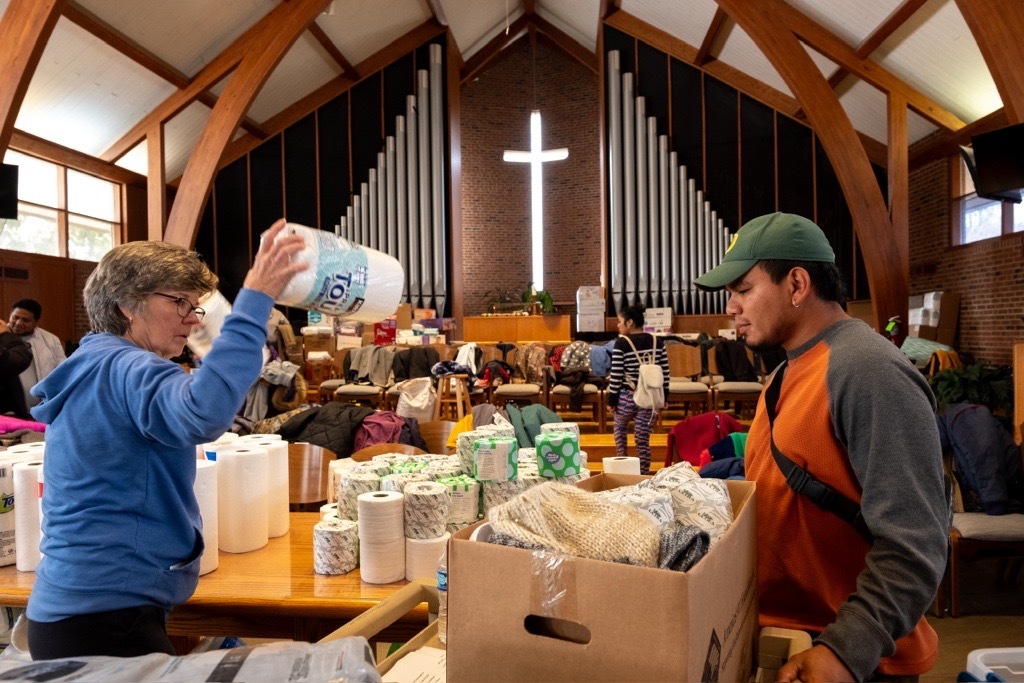
In the wake of these harrowing experiences, regional stakeholders are asking a proactive question: How can ad hoc networks be formalized before the next disaster strikes? This shift reflects a national trend toward decentralized community resilience, but western North Carolina’s unique geography—characterized by isolated valleys, winding mountain roads, and vulnerable terrestrial infrastructure—demands hyper-localized solutions. Municipalities are beginning to commit serious capital to these efforts. Earlier this year, the city of Asheville allocated $2 million specifically to reinforce its existing resilience hubs, supplemented by a soft commitment from City Manager D.K. Wesley to spend up to $10 million over the long term.
Powering Through Outages With Solar Microgrids
One of the most critical structural transformations underway involves hardening community facilities against extended electrical grid failures. During major weather events, prolonged blackouts endanger cold-storage medications, spoil essential food supplies, and paralyze communication networks. To mitigate this vulnerability, local organizations are deploying solar-powered microgrids to essential community nodes.
In Marshall, North Carolina, electricians Steve Porvaznik and Ryan Callahan recently completed a solar installation at the Beacon of Hope, a vital multi-use facility housing a laundromat, thrift store, and food bank. The project outfitted the building with an advanced battery storage system capable of holding approximately 68 kilowatt-hours of solar power. This localized microgrid can maintain full operations—including heavy-duty freezers, coolers, and washing machines—for at least a day without sunlight or a connection to the broader electrical grid.
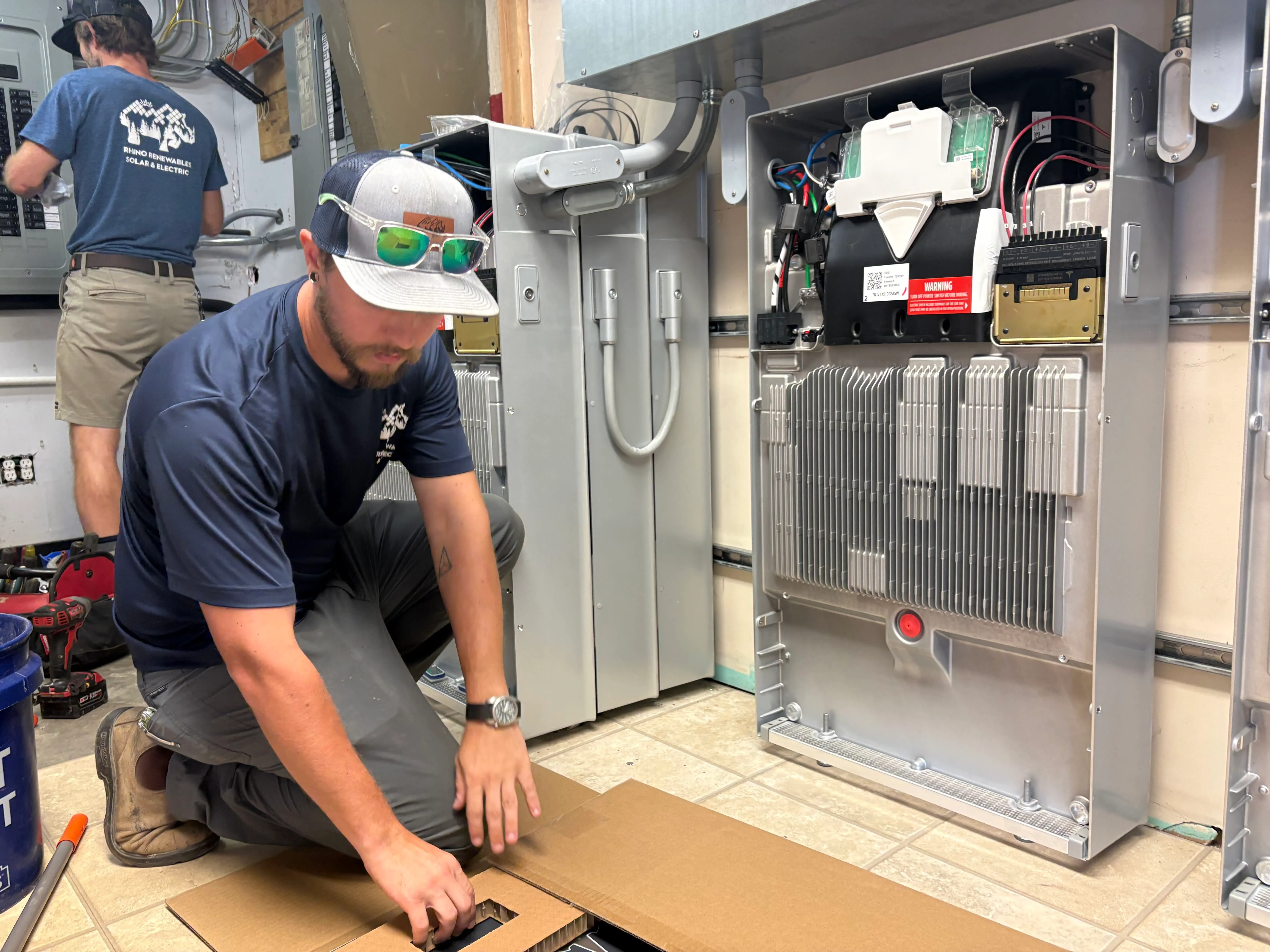
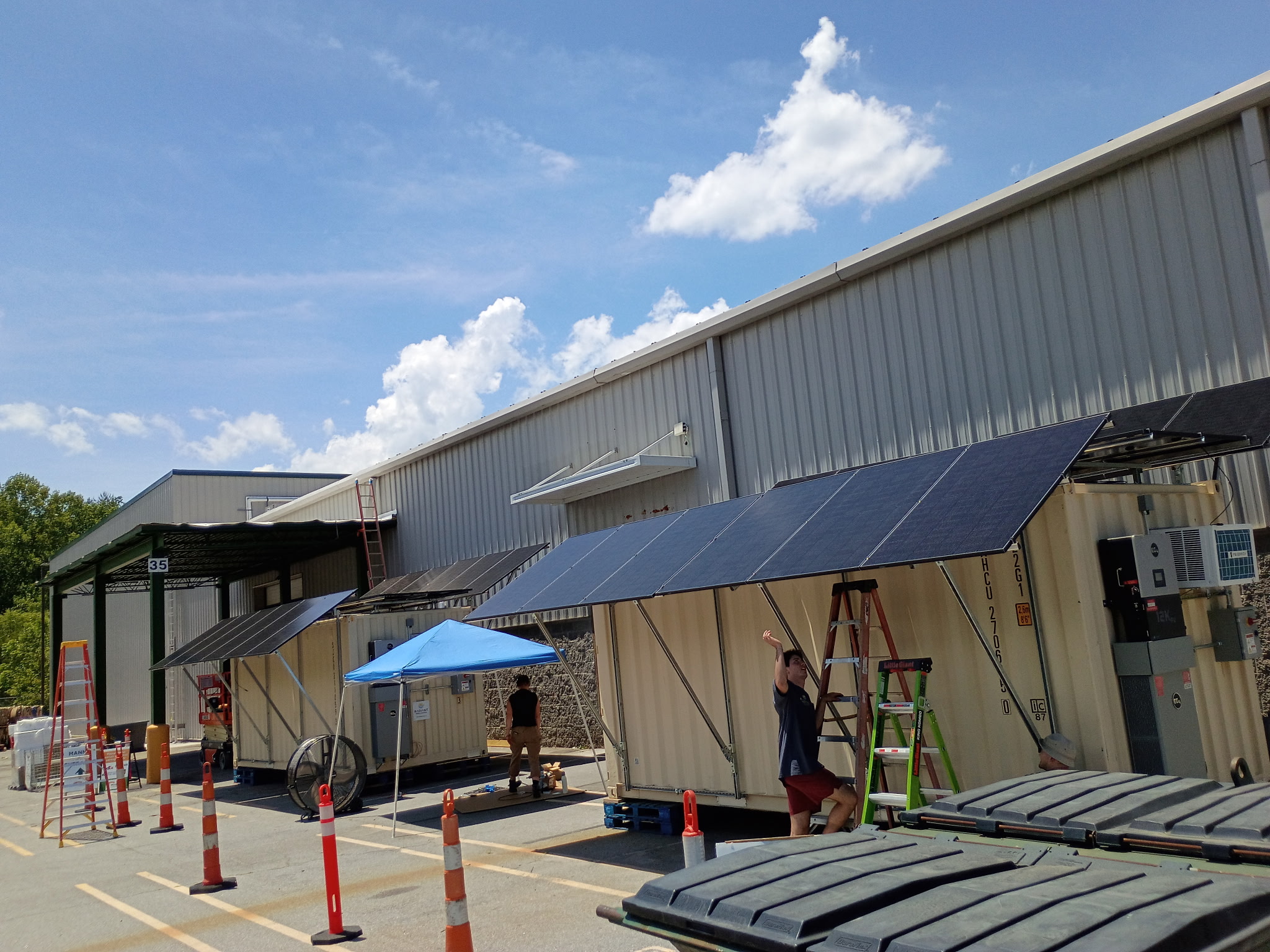
This installation marks the first of 26 planned microgrids slated for western North Carolina. Funded primarily through a $5 million grant from the North Carolina Department of Environmental Quality, 24 of these microgrids will be dedicated to community centers, food banks, and fire departments, while two mobile units will be mounted on trailers for rapid deployment wherever needs are most acute.
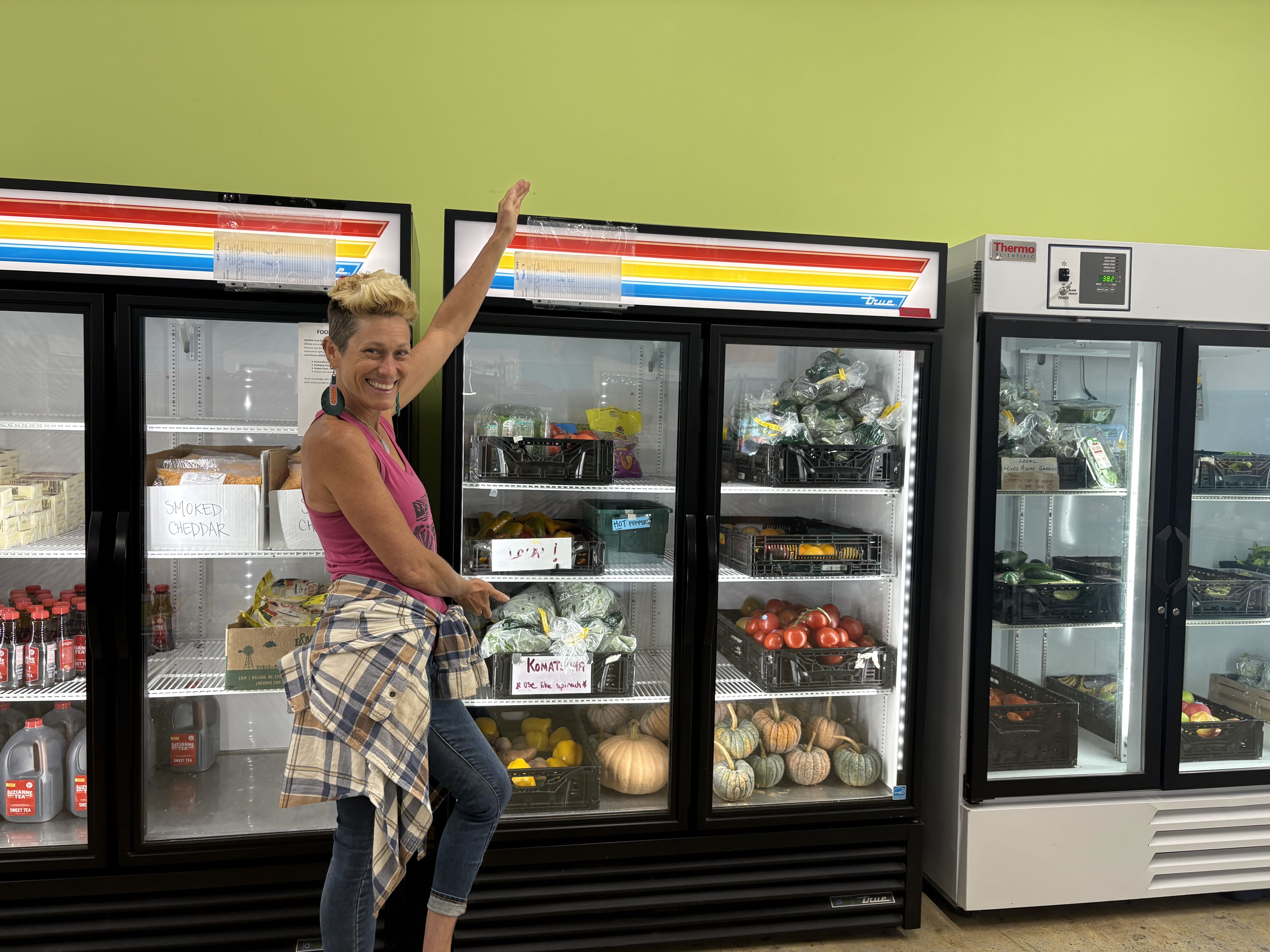
Jessi Koontz, director of Beacon of Hope, notes that the facility currently provides weekly food assistance to roughly 1,600 families, reflecting a 50 percent surge in local hunger rates since the storm. Maintaining continuous power ensures that critical supply chains remain uninterrupted even when surrounding infrastructure collapses. Despite the success of these initial installations, expansion funding remains a persistent hurdle. Energy engineering experts, such as University of Pittsburgh microgrid researcher Alex Kwasinski, point out that securing sustained, long-term capital investment from state and federal bodies is the primary bottleneck for scaling such life-saving technology nationwide. Planners like Sarah Nichols of the regional council Land of Sky are deliberately prioritizing equity in selecting future sites, ensuring that high-need, rural, or historically underserved populations receive critical infrastructure upgrades first.
Rebuilding Communication When Cell Towers Fail
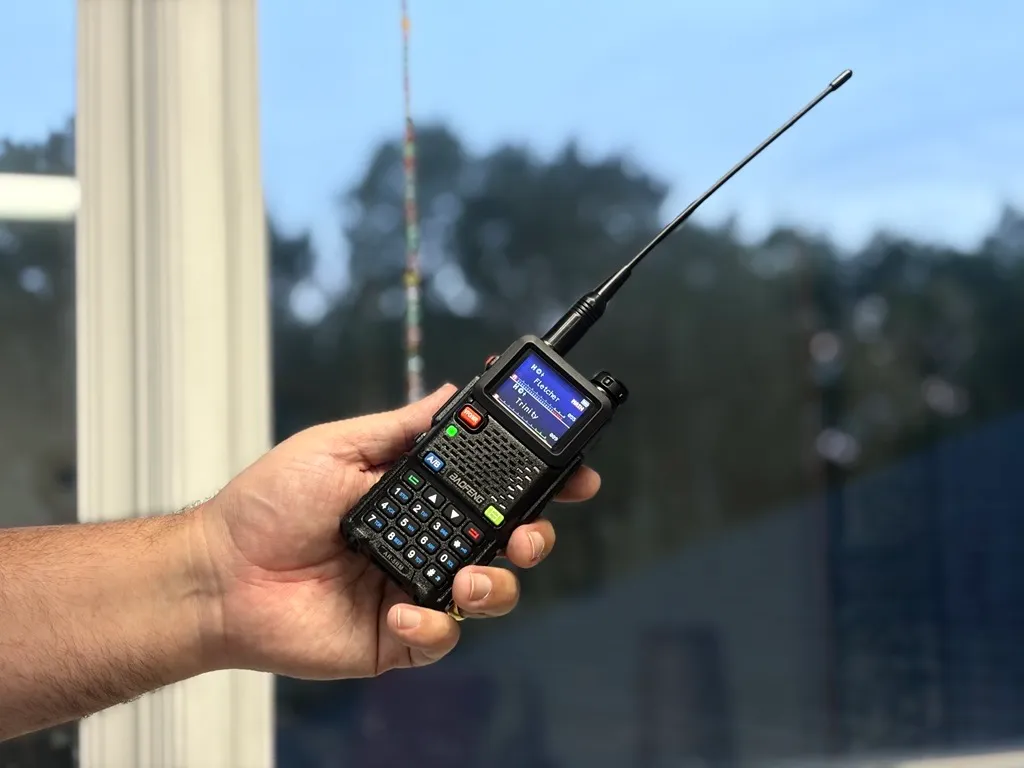
Beyond physical power generation, the destruction of cellular and internet networks during Hurricane Helene exposed a dangerous communications vacuum. Thousands of residents were left stranded without a way to check on elderly neighbors, report medical emergencies, or coordinate recovery supplies. In response, local enthusiasts and grassroots nonprofits have turned to alternative communication technologies, most notably General Mobile Radio Service (GMRS).
Unlike conventional cellular networks, GMRS is a two-way radio system that operates independently of traditional cell towers or internet providers. Obtaining a GMRS license requires only a nominal $35 fee and no technical test, making the technology remarkably accessible. Following Helene, local interest skyrocketed, with the number of regional licenses surging by 130 percent within a single year.
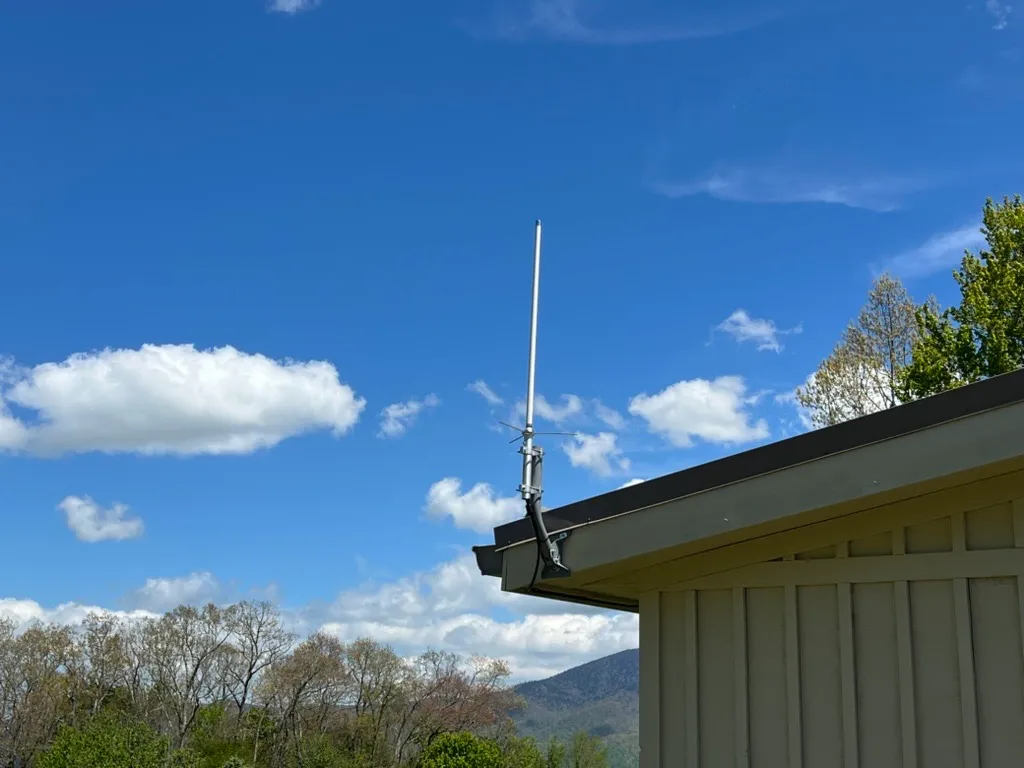
Justin Hamel of Fairview experienced the communication blackout firsthand when trying to coordinate relief efforts with isolated neighbors. Recognizing the urgent need for reliable ad hoc communication, Hamel distributed walkie-talkies with GMRS capabilities and subsequently founded the WNC Radio Project. This nonprofit organization educates residents on radio operation and installs signal repeaters—small devices that function similarly to cell phone towers—on high-elevation mountaintops across the Blue Ridge range.
These repeaters dramatically expand the operational range of two-way radios, enabling communication across multiple county lines despite intervening mountain ridges. Regular community check-ins, such as the weekly Saturday night radio "net" hosted by retired railroad worker William Walker from his home in Fletcher, allow enthusiasts to practice using their equipment, overcome microphone anxiety, and maintain social bonds. These redundant communication networks proved their worth during subsequent severe weather events, such as Winter Storm Fern, proving that instantaneous, low-tech group communication is a powerful tool for community survival.
Training a New Wave of Power Tool Users
The immediate aftermath of Hurricane Helene also highlighted the necessity of practical, mechanical skills among civilian populations. When fallen trees blocked mountain roads and isolated entire neighborhoods, waiting for official municipal crews was often not a viable option. Unofficial "chainsaw brigades" spontaneously formed as residents took matters into their own hands, clearing debris and opening up evacuation routes.
This shared crisis sparked a cultural shift regarding tool ownership and technical literacy. Organizations like the Asheville Tool Library, which lends thousands of tools ranging from shovels and generators to megaphones, have seen a surge in demand for educational workshops. While insurance restrictions prevent the library from lending chainsaws directly, it maintains several emergency units on hand and actively partners with training organizations.
Quetzal Jordan, founder of the Skills Academy for Women, has led safety and operation workshops for more than 500 individuals since the hurricane struck. Her students span a wide demographic range, from 18-year-olds to participants in their mid-70s. For older residents in particular, mastering heavy-duty equipment like chainsaws provides a profound sense of empowerment and self-reliance. By treating technical education as a core component of climate adaptation, communities are ensuring that residents are equipped to handle localized crises before professional first responders can arrive.
Bridging Gaps for Medically Vulnerable and Disabled Residents
Perhaps the most critical evolution in post-Helene disaster planning is the intentional inclusion of disabled, elderly, and medically vulnerable populations. National census data consistently demonstrates that marginalized groups bear the brunt of climate-related disasters. While roughly 1 percent of U.S. adults are displaced by disasters in a given year, that figure spikes to 31 percent among individuals who struggle with independent self-care. Furthermore, studies show that over 74 percent of evacuees unable to walk experience severe food insecurity a month after a disaster event.
During Hurricane Helene, these systemic disparities were starkly evident in communities like Swannanoa. Walter Davis, a 67-year-old resident with multiple disabilities and mobility impairments, found himself trapped in his apartment complex for three and a half weeks without power or running water, forced to haul water from a local creek just to flush his toilet. Many of his neighbors faced similar hurdles, compounded by the destruction of the area’s only walkable grocery store.
Recognizing that traditional emergency response plans rarely account for accessibility needs, local volunteers began organizing targeted wellness checks. Beth Trigg and other community members fanned out across local apartment complexes to locate medically vulnerable residents who had been left behind, securing critical supplies such as insulin and bottled oxygen.
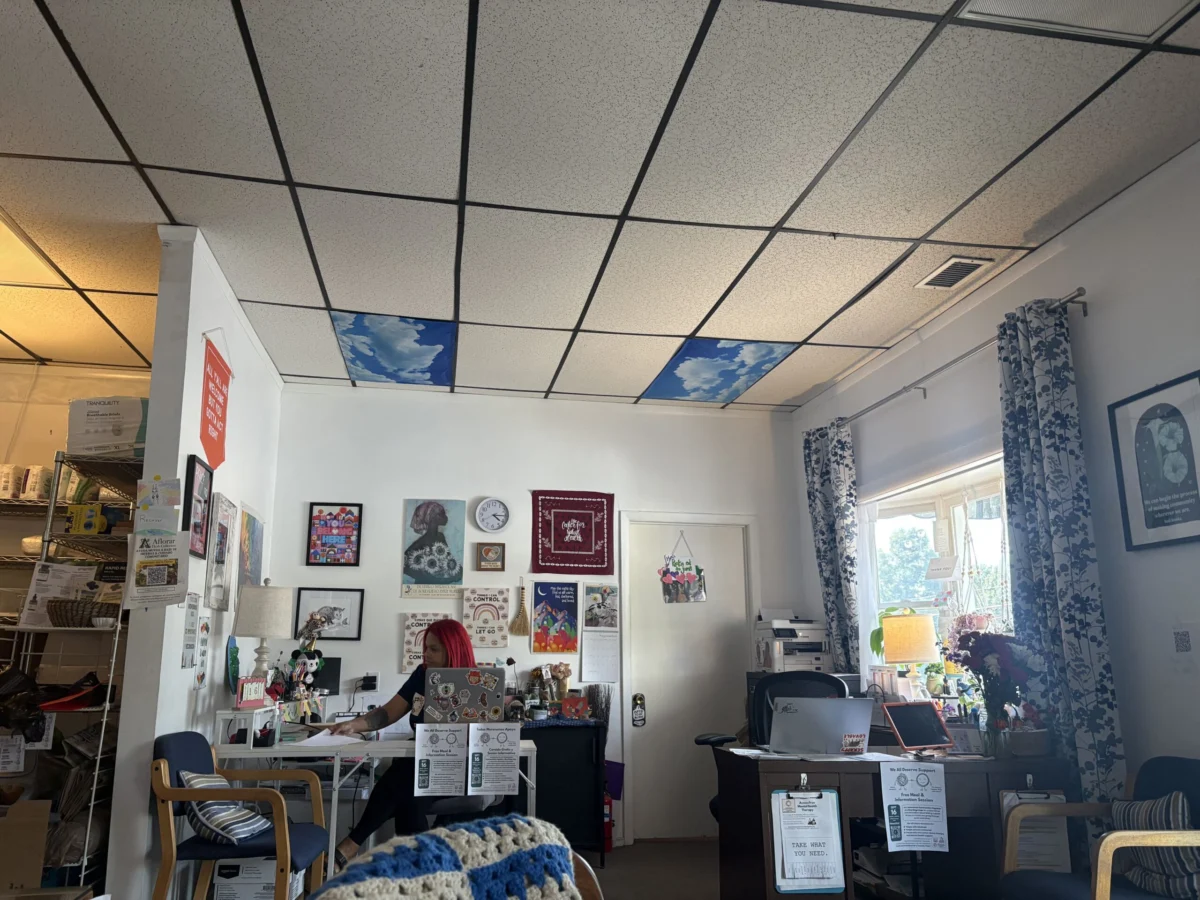
This ad hoc outreach blossomed into Swannanoa Communities Together, a permanent organization providing ongoing support, mental health therapy, and assistance with federal recovery grants. The group recently acquired property to renovate a dedicated community resilience center featuring ADA-compliant bathrooms, wheelchair ramps, and adult changing stations. By integrating accessibility experts into the design phase, the center is engineered to serve as a fully inclusive safe haven during future environmental shocks.
Implications for the Future of Disaster Resilience
The ongoing transformation across western North Carolina offers a compelling blueprint for climate adaptation nationwide. As extreme weather events increase in frequency and intensity due to climate change, centralized emergency response systems will inevitably face capacity constraints. The experiences of Asheville, Marshall, Swannanoa, and surrounding mountain communities demonstrate that true resilience cannot rely solely on top-down government intervention.
Instead, long-term survival hinges on social cohesion, decentralized energy systems, redundant communication networks, widespread technical proficiency, and equitable planning that leaves no vulnerable resident behind. By converting the pain and isolation of Hurricane Helene into permanent, proactive community infrastructure, western North Carolina is proving that the most effective disaster response is deeply rooted in the strength and preparedness of the community itself.