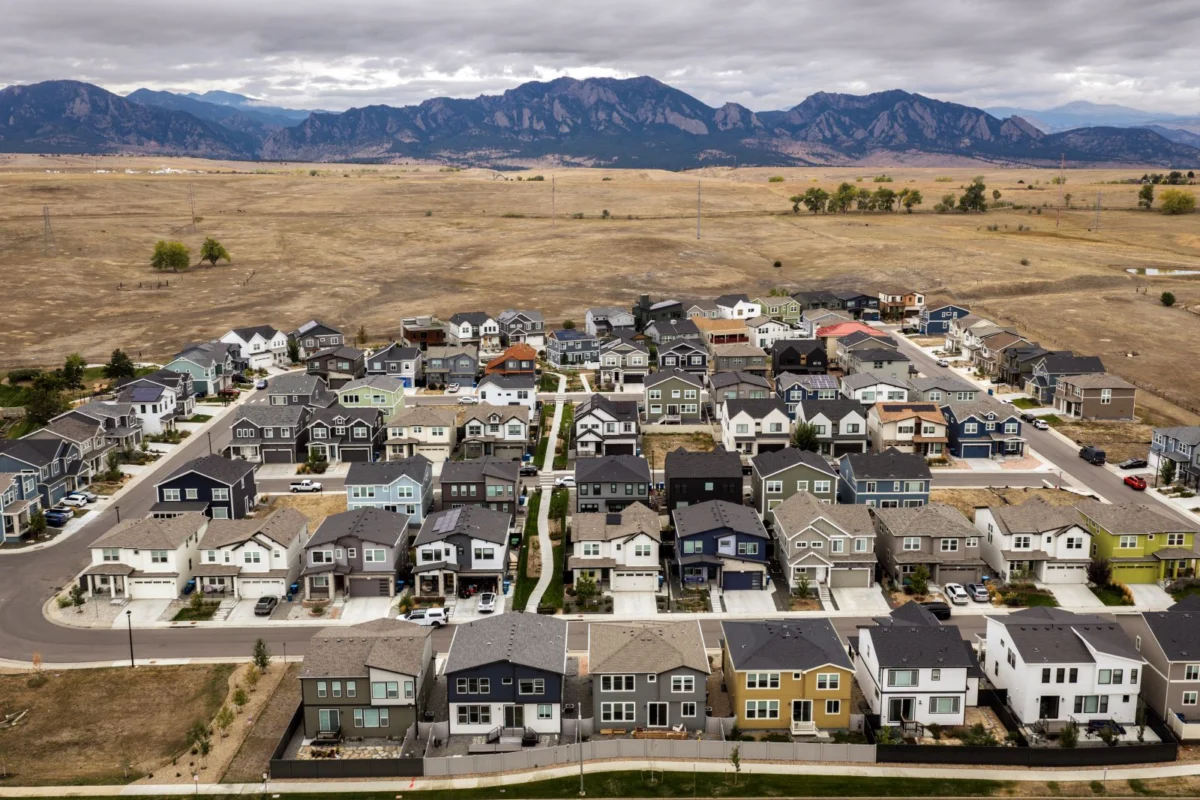
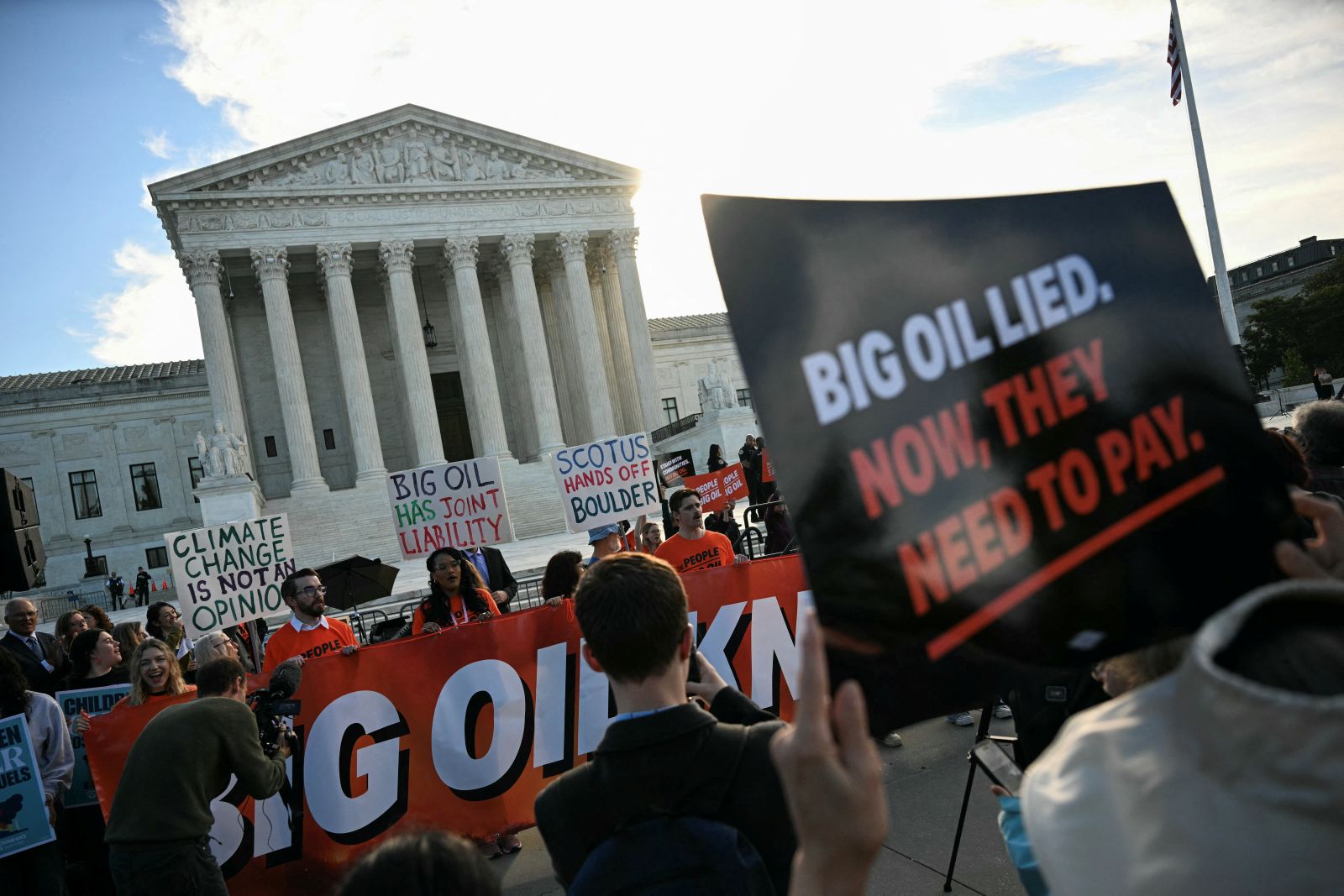
WASHINGTON — The Supreme Court opened its 2026-2027 term on Monday with a high-stakes climate liability case that could ultimately determine whether oil and gas conglomerates can be held financially liable in state courts for the mounting costs of a warming planet. The lawsuit, brought by Boulder, Colorado, against energy giants Exxon Mobil and Suncor Energy, represents a critical test for dozens of similar local government actions filed nationwide. These municipalities are seeking billions of dollars in damages to cope with extreme weather events, rising sea levels, and infrastructure adaptations fueled by cumulative global greenhouse gas emissions.
During two hours of oral arguments, the eight participating justices offered no definitive indication of their eventual ruling. However, the bench demonstrated remarkable consensus on one underlying reality: determining legal liability for the systemic impacts of global climate change is an exceptionally complex and consequential judicial undertaking. With Justice Samuel Alito recusing himself from the proceedings—reportedly due to personal financial holdings in the energy sector—the remaining eight justices grappled with the fundamental boundaries of state versus federal authority, corporate accountability, and the limits of judicial intervention in energy policy.
The Legal Battleground: State Court vs. Federal Authority
The core procedural dispute centers on jurisdiction. The litigation began in Colorado state courts, where Boulder County and the city of Boulder argued that fossil fuel companies should pay for local climate damages because they intentionally deceived the public about the environmental hazards of their products. Seeking to block this path, Exxon Mobil and Suncor petitioned the Supreme Court to intervene. The energy corporations contend that climate change is inherently a national and international issue that cannot be regulated or litigated piecemeal through state-level tort claims.
According to the fossil fuel companies, allowing individual states to penalize energy producers for global emissions would create an unworkable regulatory patchwork, effectively empowering state judges and juries to police worldwide industrial conduct. Boulder, conversely, is asking the high court to remand the case back to Colorado so that local judicial proceedings can move forward.
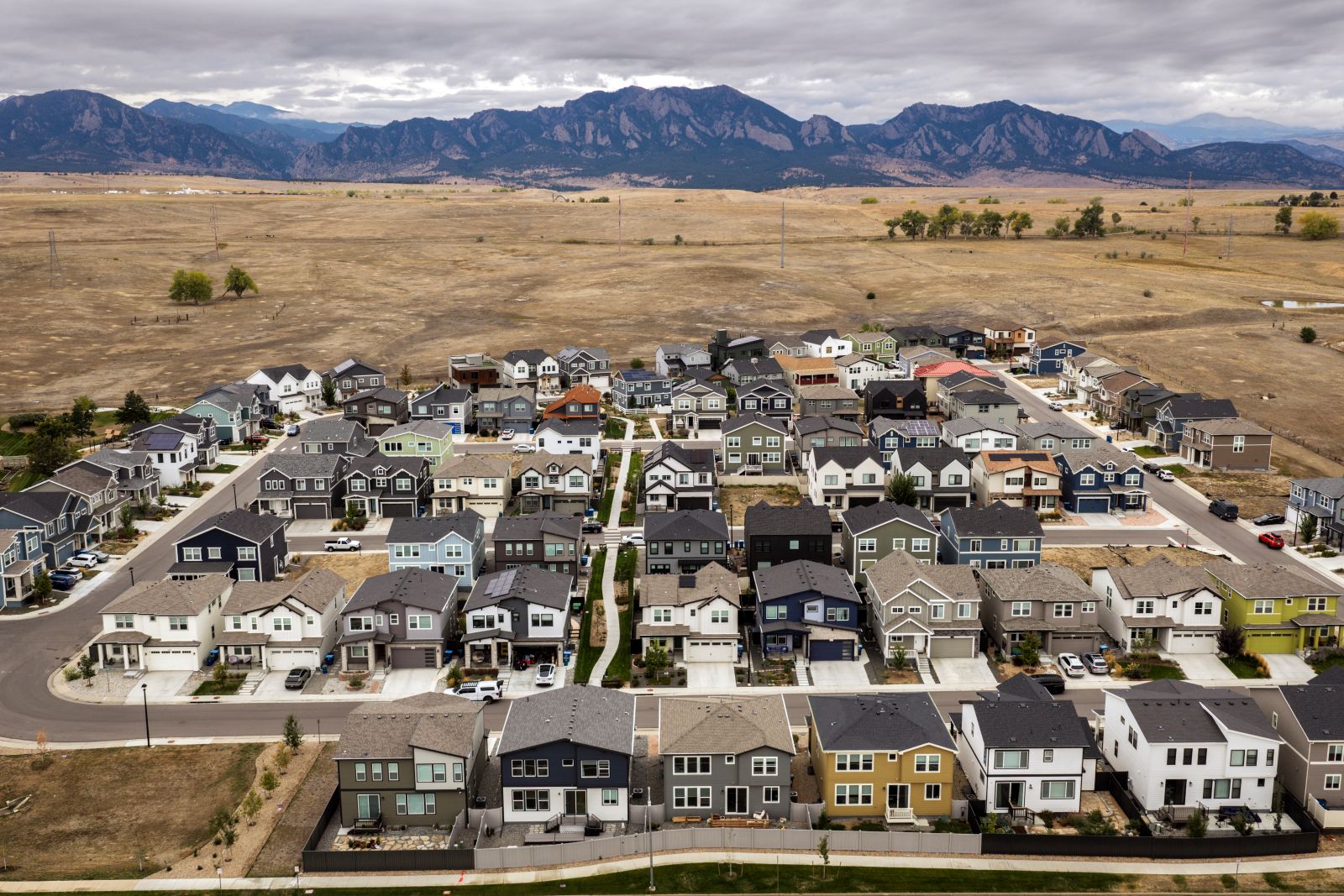
Throughout Monday’s session, multiple justices from across the ideological spectrum expressed frustration with the intricate legal doctrines at play, repeatedly asking attorneys on both sides to simplify their arguments. Yet, the bench remained deeply divided over what a simplified framework would actually entail. While some jurists focused intensely on the potentially catastrophic financial consequences for the oil and gas industry, others devoted less attention to the immediate financial burdens facing local communities grappling with climate disasters, such as the devastation wrought by the 2021 Marshall Fire in Boulder County.
Emissions Regulation Versus Consumer Deception
A pivotal point of contention during the arguments was the precise legal theory underpinning Boulder’s lawsuit. Energy sector attorney Kannon Shanmugam framed the lawsuit as an unprecedented and impermissible attempt to use state nuisance laws to regulate global greenhouse gas emissions. Justice Brett Kavanaugh voiced sympathy for this perspective, noting that he saw little practical difference between ordering oil companies to pay damages for climate-related harms and allowing a state court to effectively dictate global production limits. Kavanaugh warned that the cascading liabilities sought by plaintiffs could ultimately bankrupt major energy corporations.
Shanmugam underscored this slippery slope during his remarks, offering a vivid hypothetical: “Boulder could tag me … when I am in Colorado in two weeks and sue me on a nuisance claim for refilling my car and thereby contributing to global climate change.”
In stark contrast, Boulder’s legal counsel, Kevin Russell, pushed back against the notion that the lawsuit is designed to curtail oil and gas production or force an immediate transition to renewable energy. Instead, Russell compared the litigation to historical state lawsuits against major tobacco companies in the 1990s. In those landmark cases, states sought compensation for public healthcare expenditures linked to smoking-related illnesses, forcing tobacco firms to alter their deceptive marketing practices and internalize a portion of the societal costs of their products without outright banning cigarette sales.
“This is not an effort to reduce emissions,” Russell argued before the court. “Under our deception theory, they can continue to produce as much fossil fuels as they like and contribute to as much air pollution and greenhouse gas emissions as the market will bear when consumers are properly informed about the consequences of that decision.”
Justice Elena Kagan appeared receptive to the tobacco litigation analogy, noting the structural similarities between past consumer fraud claims and modern climate accountability suits. Nonetheless, Justice Kavanaugh labeled Russell’s characterization of the financial impact as “cavalier,” pointing out that multi-billion-dollar damage claims pose an existential threat to corporate balance sheets—a concern that companies like Suncor have repeatedly highlighted in disclosures to their shareholders.
Background and Chronology of Climate Accountability Litigation
The Boulder lawsuit is part of a broader, decade-long wave of climate change litigation launched by cities, counties, and states across the United States. The movement gained significant momentum following investigative reports published in the mid-2015s revealing that major fossil fuel companies had internal scientific knowledge of global warming risks decades prior to public acknowledgement, yet allegedly engaged in coordinated campaigns of public disinformation.
- 2017–2018: Early waves of climate lawsuits are filed by municipalities in California, including San Francisco and Oakland, as well as New York City, targeting major oil companies under public nuisance laws.
- 2020: The Supreme Court previously intervened in a procedural aspect of a similar climate case from Baltimore, ruling that lower federal courts must review broader jurisdictional questions before sending cases back to state courts.
- 2021: The devastating Marshall Fire destroys over 1,000 homes in Boulder County, intensifying local political momentum for climate adaptation funding and legal accountability.
- 2023–2025: Dozens of municipal and state lawsuits wind their way through various federal and state appellate courts, with fossil fuel companies consistently petitioning for federal preemption under the Clean Air Act.
- October 2026: The Supreme Court hears oral arguments in the Boulder, Colorado v. Exxon Mobil Corporation and Suncor Energy case, marking the first time the high court directly evaluates the merits of consumer deception-based climate damages.
Broader Implications for the Energy Sector and Local Governments
Legal scholars and environmental policy experts emphasize that the Supreme Court’s eventual ruling will send shockwaves through the American legal landscape. Because municipal lawsuits rely on a variety of legal theories—ranging from public nuisance and product liability to consumer protection and fraud—the specific rationale chosen by the justices will heavily dictate the survival rate of pending litigation nationwide.
Erika Kranz, an attorney with Harvard Law School’s Environmental and Energy Law Program, noted that whether other local government lawsuits encounter legal roadblocks will depend entirely on how the majority opinion is crafted. Similarly, Chris Winter, executive director of the Getches-Wilkinson Center at the University of Colorado Law School, observed that the high court’s intense focus on financial repercussions indicates deep anxiety among conservative members regarding corporate liability.
“There’s a lot of concern from the oil industry, from corporate actors, and from the conservative justices about the significant consequences of these cases,” Winter explained. “One way to get at that is to equate this case with previous cases, which were much more directly about regulation of pollution.”
If the Supreme Court ultimately decides that federal statute preempts state-level consumer protection lawsuits regarding climate change, it would effectively close the courthouse doors to dozens of municipal plaintiffs seeking compensation for infrastructure upgrades, sea-level rise defenses, and disaster recovery. Conversely, a ruling that allows Boulder’s case to proceed in state courts could unleash a historic wave of litigation, forcing the fossil fuel industry to negotiate massive financial settlements akin to the historic Tobacco Master Settlement Agreement.
As the court takes its typical several-month recess to deliberate, both energy conglomerates and local government coalitions await a decision that will redefine the boundaries of corporate responsibility and environmental governance for decades to come.