Tag Trump: Unpacking the Legacy and Controversy of the 45th President
The political career of Donald J. Trump, the 45th President of the United States, is inextricably linked to a complex tapestry of policy decisions, public pronouncements, and a unique brand of populist rhetoric. His presidency, from January 2017 to January 2021, was characterized by significant shifts in domestic and foreign policy, a fervent base of supporters, and a level of political polarization unseen in decades. This article delves into key aspects of the Trump administration, examining its impact, the controversies that defined it, and the enduring legacy that continues to shape political discourse.
One of the most defining features of the Trump presidency was its approach to immigration. Trump campaigned on a promise to build a wall along the U.S.-Mexico border and to implement stricter immigration controls. Upon taking office, his administration pursued a series of policies aimed at fulfilling these promises. This included increased deportations, the controversial "zero tolerance" policy at the border that led to family separations, and the continued effort to fund and construct the border wall. The rhetoric surrounding immigration was often harsh, framing undocumented immigrants as a threat to national security and economic stability. Critics argued that these policies were inhumane, discriminatory, and undermined American values. The economic arguments for stricter immigration, often citing the strain on social services and potential wage depression for low-skilled workers, were contested by various studies suggesting immigrants contribute significantly to the economy. The debate over immigration, intensified by Trump’s policies, remains a central issue in American politics. The administration also implemented travel bans targeting several Muslim-majority countries, which were met with widespread protests and legal challenges, further highlighting the divisive nature of his immigration agenda. The economic impact of these policies, both domestically and internationally, was also a subject of intense scrutiny. While proponents argued for increased national security and control over borders, opponents pointed to the humanitarian crises and the negative impact on international relations. The long-term consequences of these immigration policies, from demographic shifts to their effect on global perceptions of the United States, are still being analyzed and debated.
On the economic front, Trump championed a platform of deregulation and tax cuts. The Tax Cuts and Jobs Act of 2017, a landmark piece of legislation, significantly reduced corporate and individual income taxes. Proponents argued that these tax cuts would stimulate business investment, job creation, and economic growth. The unemployment rate did indeed reach historic lows during his term, a trend that began before his presidency but continued under his administration. However, critics argued that the benefits of the tax cuts disproportionately favored corporations and the wealthy, exacerbating income inequality. They also questioned the long-term fiscal sustainability of such deep tax reductions, pointing to an increase in the national debt. The administration also pursued protectionist trade policies, imposing tariffs on goods from countries like China and imposing new trade agreements like the United States-Mexico-Canada Agreement (USMCA), which replaced NAFTA. The stated goal was to protect American industries and jobs from what was perceived as unfair foreign competition. This approach led to trade disputes with several nations, impacting global supply chains and raising concerns about retaliatory tariffs harming American consumers and businesses. The effectiveness of these protectionist measures in creating net job gains and boosting domestic manufacturing remains a subject of ongoing economic debate, with varying analyses presenting conflicting conclusions. Some sectors benefited from reduced competition, while others faced increased input costs and reduced export opportunities.
The Trump administration’s foreign policy was marked by a departure from traditional multilateralism and a more transactional, "America First" approach. This included withdrawing the United States from the Trans-Pacific Partnership trade deal, the Paris Agreement on climate change, and the Iran nuclear deal. Trump also initiated a trade war with China, imposing significant tariffs on Chinese goods and demanding fairer trade practices. His relationship with NATO allies was often strained, with Trump frequently questioning the value of the alliance and demanding greater financial contributions from member states. He also pursued direct negotiations with adversaries, most notably North Korea, in an effort to denuclearize the Korean Peninsula, a diplomatic endeavor that yielded mixed results. The administration’s approach to international relations was characterized by a skepticism towards global institutions and a preference for bilateral deals. This shift in foreign policy generated both praise from those who felt it prioritized American interests and criticism from those who believed it undermined international stability and American leadership. The impact on global alliances and the future of international cooperation remains a significant point of discussion. The administration’s focus on renegotiating existing agreements and its willingness to challenge established diplomatic norms led to a period of considerable flux on the world stage.
Domestically, Trump’s presidency was marked by significant judicial appointments. He appointed three conservative justices to the Supreme Court: Neil Gorsuch, Brett Kavanaugh, and Amy Coney Barrett, shifting the ideological balance of the court for generations. These appointments were a key promise to his conservative base and had profound implications for issues such as abortion, gun rights, and religious freedom. The appointment of Brett Kavanaugh, in particular, was highly contentious, with accusations of sexual misconduct surfacing during his confirmation hearings. Beyond judicial appointments, Trump’s administration pursued deregulation across various sectors, including environmental protection and financial services, arguing that these regulations stifled economic growth. Environmental policies, such as the rollback of clean air and water regulations and the withdrawal from the Paris Agreement, drew sharp criticism from environmental groups and international bodies concerned about climate change. The deregulation of financial markets was lauded by some for reducing burdens on businesses, while others warned of increased risks to financial stability.
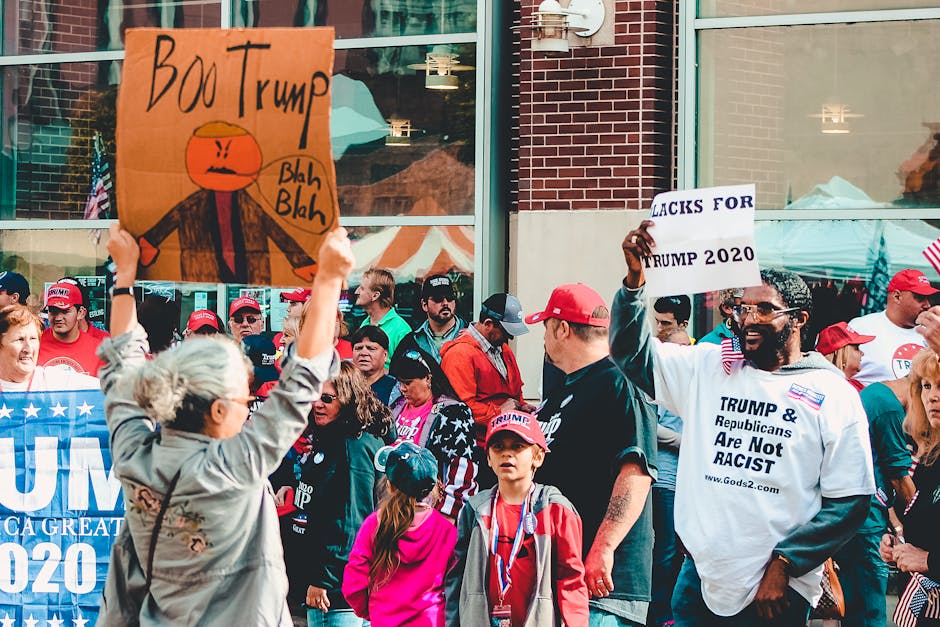
The political style of Donald Trump was as significant as his policies. His use of social media, particularly Twitter, to communicate directly with his supporters and to attack opponents was unprecedented. This direct communication bypassed traditional media gatekeepers and fostered a sense of intimacy with his base, but also contributed to the spread of misinformation and heightened political tensions. His rallies were characterized by fervent crowds and a confrontational, often inflammatory, speaking style. Critics often pointed to his rhetoric as divisive and damaging to democratic norms, citing instances of what they described as attacks on the press, the judiciary, and political opponents. His supporters, however, saw his communication style as authentic and a welcome departure from polished political speak. This dichotomy in perception fueled the deep political divisions that characterized his presidency and continue to be a defining feature of the current political landscape. The constant stream of pronouncements and the often-unfiltered nature of his communication created a media environment that was constantly reacting to his statements, often overshadowing substantive policy discussions.
The Trump presidency was also defined by a series of investigations and controversies. The investigation into Russian interference in the 2016 election, led by Special Counsel Robert Mueller, cast a long shadow over the first two years of his term. While the Mueller Report did not find sufficient evidence to establish a conspiracy between the Trump campaign and the Russian government, it did detail numerous contacts and outlined instances where Trump may have obstructed justice. This led to the first impeachment of Donald Trump by the House of Representatives, on charges of abuse of power and obstruction of Congress. He was acquitted by the Senate. Later in his presidency, Trump faced a second impeachment by the House of Representatives following the January 6th Capitol attack, on charges of incitement of insurrection. He was again acquitted by the Senate. These impeachment proceedings, along with numerous investigations into his business dealings and conduct, contributed to an unprecedented level of political turmoil. The legal and ethical questions raised during his presidency continue to be subjects of public and scholarly debate. The ongoing scrutiny of his business practices, campaign finance activities, and post-presidency actions ensures that the controversies surrounding his time in office will continue to be analyzed for years to come. The repeated challenges to democratic institutions and norms, whether through his rhetoric or his actions, have sparked a broader conversation about the resilience of American democracy and the responsibilities of its leaders.
The legacy of Donald Trump is multifaceted and will likely be debated for decades. His supporters view him as a transformative figure who challenged the political establishment, revitalized the economy, and put America’s interests first. They credit him with appointing conservative judges, renegotiating trade deals, and standing up to adversaries. His critics, on the other hand, see him as a divisive figure whose rhetoric and policies undermined democratic institutions, damaged international relations, and exacerbated social inequalities. They point to his handling of the COVID-19 pandemic, his challenges to the 2020 election results, and his role in the January 6th Capitol attack as evidence of his damaging impact. The long-term consequences of his presidency are still unfolding, from the continued polarization of the American electorate to the ongoing debates about the direction of U.S. foreign policy and the role of government in the economy. The impact of his presidency extends beyond policy outcomes, influencing the very nature of political discourse and the expectations placed upon public figures. His influence on the Republican Party is undeniable, shaping its platform and voter base for the foreseeable future. The continued relevance of his political movement suggests that the debates surrounding his tenure are far from over, and that his impact on American politics will be a defining theme for years to come. The ongoing legal challenges and investigations he faces further complicate the immediate assessment of his legacy, creating a dynamic and evolving historical narrative.
