The coastal city of Brunswick, Georgia, known for its historic districts and proximity to the Golden Isles, is grappling with a legacy of industrial contamination that has persisted for decades. In a landmark effort to address these long-standing environmental concerns, a coalition of six research institutions has been awarded a $15 million grant from the National Institute of Environmental Health Sciences (NIEHS) to establish Georgia’s first Superfund Research Center. This five-year initiative aims to investigate the health impacts of toxic sites in Glynn County and determine how the escalating threats of climate change, particularly flooding and sea-level rise, may exacerbate the spread of hazardous materials into residential neighborhoods.
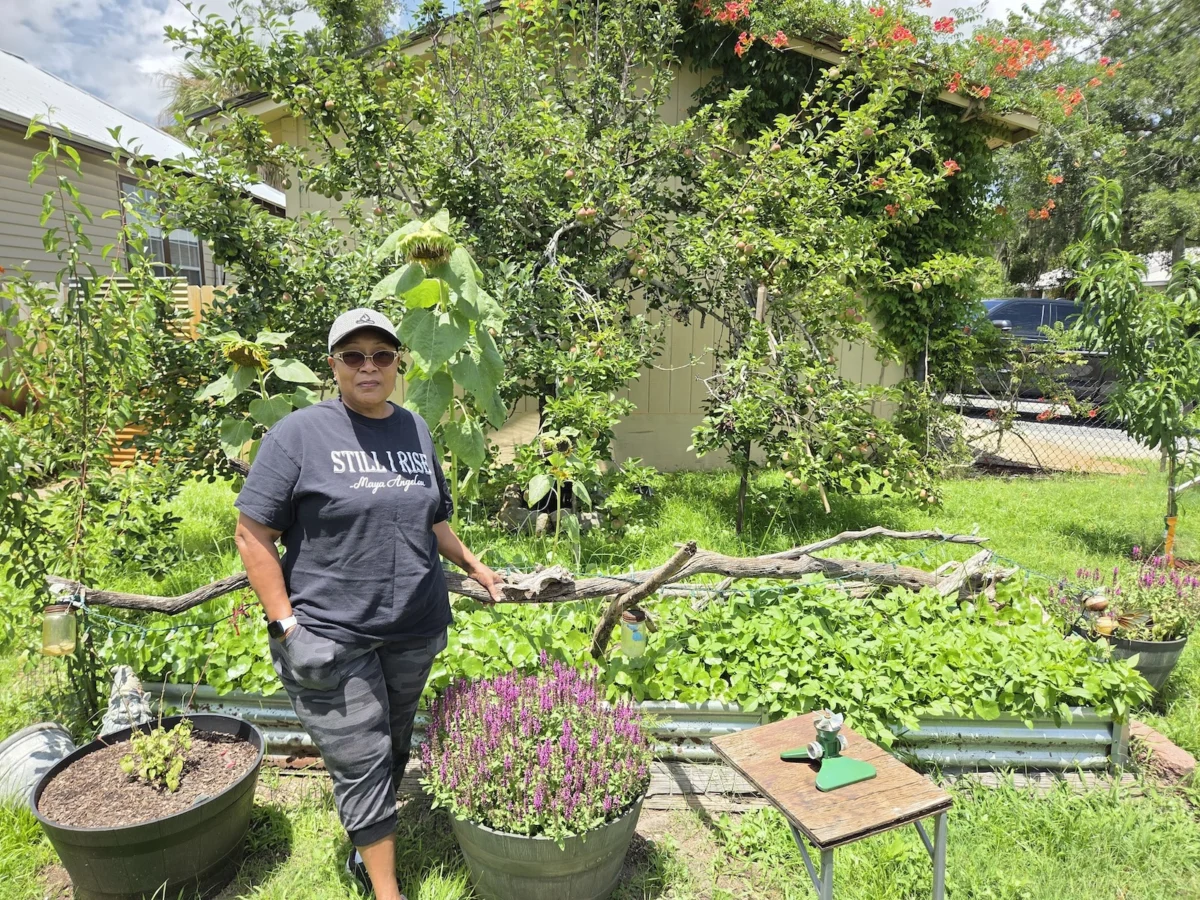
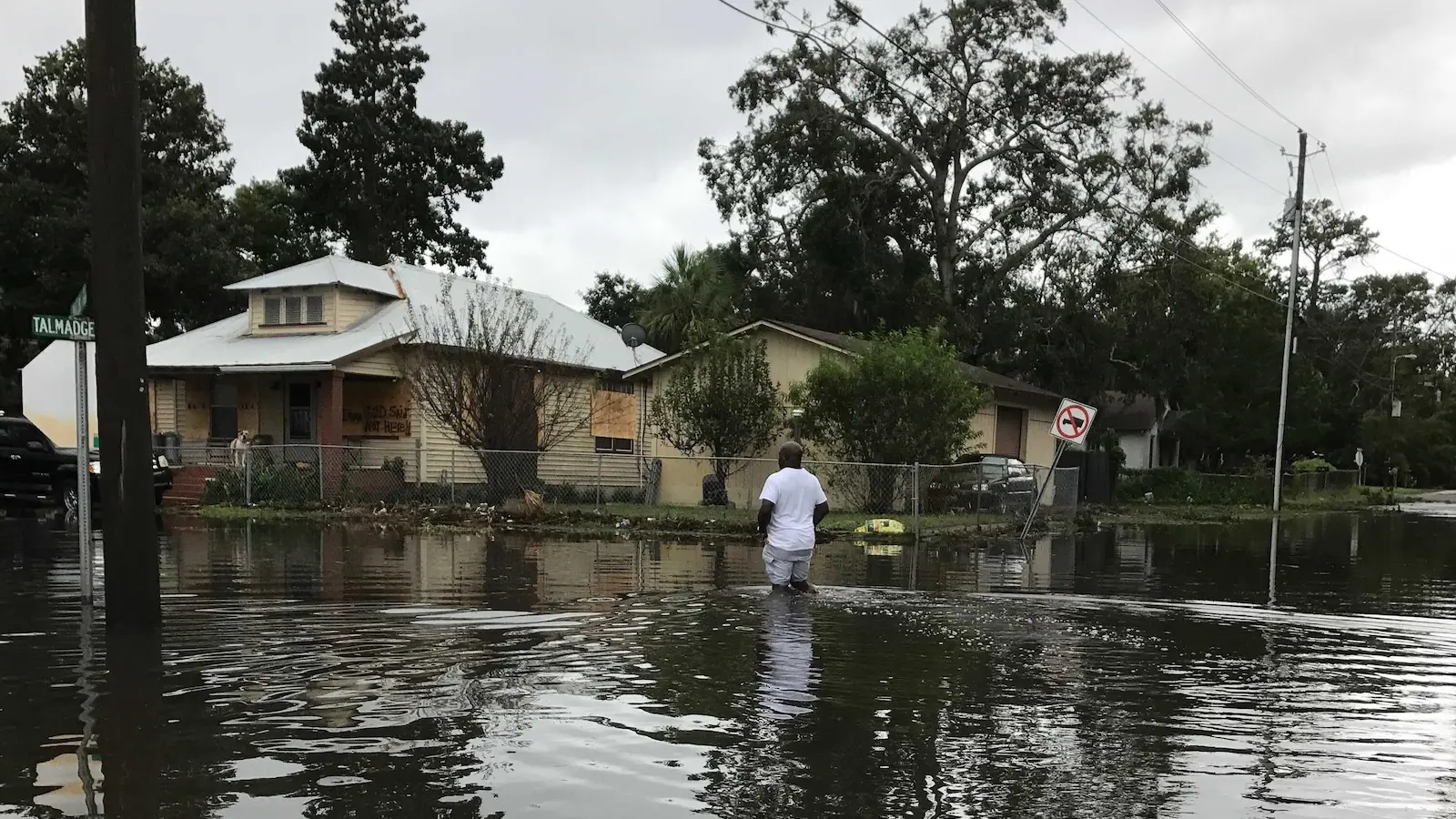
For residents like Semona Holmes, the research is not merely an academic exercise but a matter of daily survival. Living in a home surrounded by fruit trees and a fish pond just across from the Brunswick waterfront, Holmes has witnessed the physical encroachment of the environment into her private life. During periods of heavy rain or exceptionally high tides, her street transforms into what she describes as a river. The floodwaters, which have reached knee-height on several occasions, represent more than a logistical nuisance; they are a potential carrier of invisible toxins. Holmes lives approximately half a mile from a former pesticide plant, now designated as a federal Superfund site. Her primary fear is that the water flooding her garden and street is carrying a cocktail of chemicals from the plant’s contaminated soil into the heart of her community.
The Industrial Legacy of Glynn County
Glynn County houses four of Georgia’s most significant Superfund sites, a designation given by the Environmental Protection Agency (EPA) to locations contaminated by hazardous waste that require a long-term response to clean up. These sites are remnants of a mid-20th-century industrial boom that brought jobs to the region but left behind a wake of environmental degradation.
- The LCP Chemicals Site: Once a facility for the manufacture of chlorine, caustic soda, and various chemicals, this site left the surrounding marshlands heavily contaminated with mercury, polychlorinated biphenyls (PCBs), and lead. Despite decades of remediation efforts, the site remains a focal point for environmental monitoring.
- The Hercules 009 Landfill: This site was used for the disposal of toxaphene-contaminated wastewater sludge. Toxaphene, a persistent organic pollutant once widely used as a pesticide, is known to be highly toxic to fish and a suspected human carcinogen.
- Terry Creek/Hercules Outfall: This area was contaminated by the discharge of pesticide manufacturing waste. The creek and its sediment contain high levels of toxaphene, leading to long-term fishing advisories in the area.
- Brunswick Wood Preserving: This site was used for treating wood with creosote, pentachlorophenol (PCP), and chromium-copper-arsenic (CCA). These chemicals have permeated the groundwater and soil, necessitating complex containment strategies.
The new research center will focus its efforts on these four locations, seeking to bridge the gap between historical contamination and modern-day health outcomes.
A Multidisciplinary Approach to Environmental Health
The $15 million grant facilitates a robust collaboration between Emory University, the University of Georgia (UGA), Georgia Institute of Technology (Georgia Tech), Morehouse School of Medicine, Spelman College, and Texas Tech University. This partnership brings together experts in public health, toxicology, engineering, and environmental science to tackle the problem from multiple angles.
Noah Scovronick, an assistant professor of environmental health at Emory University’s Rollins School of Public Health, serves as a lead researcher for the project. According to Scovronick, the center has two primary objectives: understanding the historical health effects of chemical exposure and developing strategies to mitigate future risks.
The research team will employ advanced epidemiological methods to study links between specific toxic substances found at the Glynn County sites and health conditions reported by local residents. This includes analyzing the incidence of cancers, respiratory issues, and developmental problems that may be higher in the vicinity of these industrial zones. Concurrently, the team will conduct extensive environmental sampling—collecting soil, water, and air samples—to map exactly how pollutants migrate from the industrial sites into the surrounding residential areas.
The Climate Change Multiplier
One of the most critical components of the new study is the integration of climate modeling. Glynn County is situated on Georgia’s vulnerable coastline, an area increasingly susceptible to the effects of global warming. Rising sea levels and the increasing frequency of "100-year storms" pose a direct threat to the integrity of Superfund remediation efforts.
Many Superfund sites utilize "capping" as a primary remediation technique, where contaminated soil is covered with layers of clay, geotextiles, and soil to prevent toxins from leaching or blowing away. However, these caps were often designed based on historical weather patterns. As sea levels rise, the water table beneath these sites can also rise, potentially lifting contaminants upward or allowing them to bypass containment structures. Furthermore, storm surges can physically erode these caps, exposing hazardous waste to the elements.
"We want to be sure that the remediation that is ongoing at those sites is resilient to extreme weather moving forward," Scovronick noted. The research team will use predictive modeling to simulate how various climate scenarios—ranging from moderate sea-level rise to catastrophic hurricane surges—could breach existing containment measures. This data will be vital for the EPA and local authorities as they update their long-term management plans for the sites.
Community Engagement and Environmental Justice
A distinguishing feature of this research initiative is its deep integration with the local community. Rather than operating in an academic vacuum, the researchers have met with Glynn County residents to ensure the study addresses their specific concerns. This approach is rooted in the principles of environmental justice, acknowledging that marginalized communities often bear a disproportionate burden of industrial pollution.
The inclusion of Morehouse School of Medicine and Spelman College—two of the nation’s premier Historically Black Colleges and Universities (HBCUs)—is a strategic move to ensure that the research is culturally sensitive and reaches the populations most affected. Many of the neighborhoods adjacent to the Superfund sites in Brunswick are predominantly Black and have historically lacked the resources to challenge industrial giants or demand comprehensive health studies.
For Semona Holmes, the involvement of the community is a sign of progress. She and her family have already altered their lifestyles to minimize risk, such as avoiding tap water and refraining from eating seafood caught in local waterways. However, the lack of definitive data on their exposure levels has left them in a state of perpetual anxiety. Holmes has six grandchildren, some of whom attend an elementary school located only blocks from a contaminated site. The fear that they are playing on playgrounds with contaminated soil is a constant shadow over her family life.
Supporting Data and Chronology of the Superfund Program
The Superfund program, officially known as the Comprehensive Environmental Response, Compensation, and Liability Act (CERCLA), was enacted by Congress in 1980. It was created in response to environmental disasters like Love Canal in New York, where a neighborhood was built atop a chemical landfill, leading to widespread illness.
Since its inception, the program has identified thousands of contaminated sites across the United States. As of 2024, there are over 1,300 sites on the National Priorities List (NPL). Georgia currently hosts approximately 50 NPL sites, with Glynn County being one of the most densely concentrated areas for such designations in the state.
The timeline for the Glynn County sites spans decades:
- 1994: The LCP Chemicals site was added to the NPL after the discovery of massive mercury contamination in the surrounding marshes.
- Mid-1980s to 1990s: Hercules 009 Landfill and Brunswick Wood Preserving were identified and listed for cleanup.
- 2000s-Present: Ongoing monitoring and various phases of soil removal and capping have taken place, though many residents feel the pace of remediation has been insufficient.
Data from the National Oceanic and Atmospheric Administration (NOAA) indicates that sea levels along the Georgia coast have risen by about 10 inches since 1950, and the rate of rise is accelerating. Projections suggest an additional 12 to 18 inches of rise by 2050. This physical reality underscores the urgency of the research center’s mission to evaluate the "climate-readiness" of toxic waste sites.
Implications for Policy and Corporate Accountability
The findings of the Georgia Superfund Research Center could have far-reaching implications for environmental policy and corporate responsibility. If the research identifies a clear link between specific industrial sites and localized health crises, it could provide the legal and scientific basis for residents to seek compensation or demand more aggressive remediation.
Furthermore, the study’s focus on climate resilience could set a new national standard for how the EPA manages Superfund sites in coastal regions. If current containment methods are found to be inadequate against rising tides, the federal government may be forced to reconsider its "cap and leave" strategy in favor of more expensive but permanent "excavate and remove" solutions.
Beyond the technical and legal outcomes, there is a profound moral dimension to the work. Residents like Holmes are seeking an acknowledgment of the damage done to their community. "It shows that you care about humanity," Holmes said, referring to the potential for companies to take responsibility for their environmental footprint. "And that you are able to acknowledge that, ‘Yeah, by our actions, we have possibly contaminated an entire county.’"
The five-year study represents a critical step toward transparency and safety for the people of Brunswick. As the research team begins its work, the eyes of the community remain fixed on the horizon, hoping that scientific data will finally lead to the "continued action" necessary to secure their health and their homes against the dual threats of industrial toxins and a changing climate.