UK-Russia Relations: A Complex Tapestry of Geopolitics, Economics, and Ideology
The relationship between the United Kingdom and Russia is a multifaceted and often adversarial one, characterized by periods of tentative cooperation punctuated by deep mistrust and outright confrontation. Its origins lie in centuries of geopolitical maneuvering, evolving through imperial rivalries, ideological clashes of the Cold War, and the contemporary landscape of a resurgent Russia challenging the post-Cold War international order. Understanding UK-Russia relations requires examining the intricate interplay of historical grievances, strategic interests, economic dependencies, and divergent ideological frameworks.
Historically, the UK and Russia have been significant players on the global stage, their ambitions often colliding. From the 19th-century "Great Game" rivalry in Central Asia to the broader strategic competition that defined much of the 20th century, a sense of mutual suspicion has been a persistent undercurrent. The Russian Revolution and the subsequent rise of communism introduced a profound ideological chasm, leading to decades of Cold War animosity. While the collapse of the Soviet Union offered a brief window of opportunity for a reset, the fundamental differences in political systems, national aspirations, and interpretations of international law quickly resurfaced. The UK, as a staunch proponent of liberal democracy and a leading member of NATO and the European Union (prior to Brexit), has consistently viewed Russia’s actions through the lens of its perceived threat to democratic values and international stability. Russia, conversely, has often seen the UK as a key architect of the post-Cold War order, seeking to contain its influence and undermine its sovereignty.
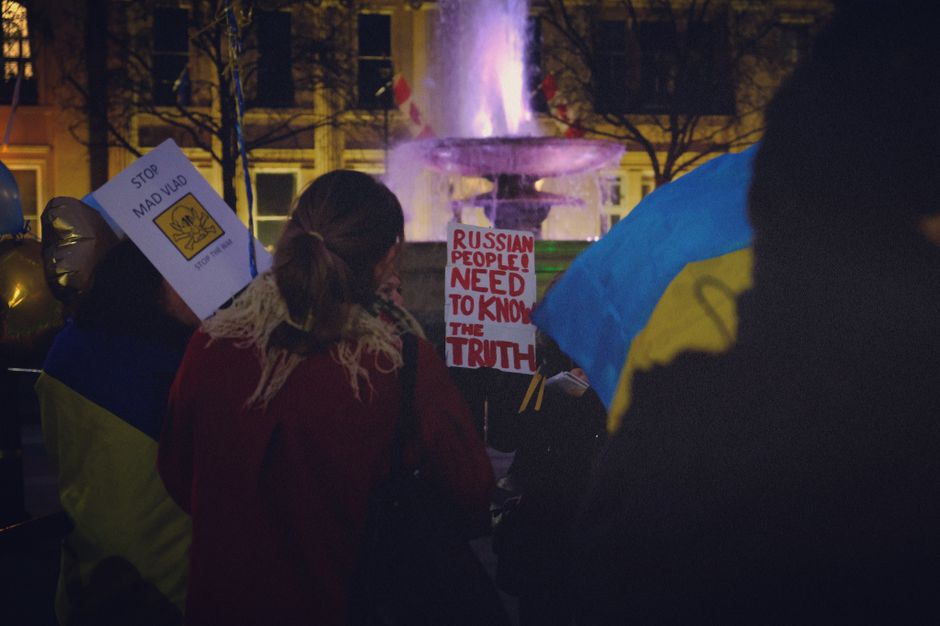
Geopolitically, the divergence between the UK and Russia has become increasingly pronounced in recent years, particularly following Russia’s annexation of Crimea in 2014 and its full-scale invasion of Ukraine in 2022. The UK has been a leading voice in imposing sanctions against Russia, providing substantial military and financial aid to Ukraine, and advocating for a robust international response to Russian aggression. This has solidified the UK’s position as a frontline state in confronting Russian expansionism, fostering a sense of shared purpose with its European allies and NATO partners. Russia, in turn, views these actions as an existential threat, accusing the UK of acting as a proxy for the United States and actively seeking to weaken Russia. The ongoing conflict in Ukraine has transformed the relationship from one of strained détente to open hostility, with profound implications for European security and the global balance of power.
The economic dimension of UK-Russia relations has also been a source of friction, albeit one with inherent complexities. While bilateral trade has historically been relatively modest compared to Russia’s economic ties with other European nations, specific sectors have held significance. Russian investment in the UK, particularly in financial services and real estate, has been a subject of ongoing scrutiny due to concerns about illicit finance and the potential for Russian influence. Conversely, UK companies have had investments in Russia, though many have withdrawn or significantly scaled back operations in response to sanctions and the deteriorating geopolitical climate. The UK’s proactive stance on sanctions, aimed at crippling Russia’s economy and limiting its capacity to fund its military endeavors, has directly impacted these economic linkages. The freezing of assets, restrictions on financial transactions, and targeted export bans have created significant headwinds for any commercial engagement. The long-term implications of this economic decoupling are still unfolding, but it is clear that a return to pre-war levels of economic interaction is highly improbable in the foreseeable future.
Ideologically, the chasm between the UK and Russia remains profound and has widened in recent times. The UK champions a liberal democratic model, emphasizing individual freedoms, rule of law, and multiparty elections. Russia, under Vladimir Putin’s leadership, has increasingly embraced a more authoritarian model, characterized by centralized power, suppressed dissent, and a strong emphasis on national sovereignty and traditional values. This ideological divide manifests in differing perspectives on human rights, media freedom, and the role of civil society. The UK has consistently raised concerns about human rights abuses in Russia, the persecution of political opponents, and the manipulation of information. Russia, in turn, often frames these criticisms as an interference in its internal affairs and a Western attempt to destabilize its society. The narrative war, amplified by state-controlled media and social media campaigns, further exacerbates these ideological differences, shaping public opinion in both countries and influencing policy decisions.
Beyond these broad categories, specific issues have consistently strained UK-Russia relations. The poisoning of Alexander Litvinenko in London in 2006 and the attempted assassination of Sergei Skripal in Salisbury in 2018, both attributed to Russian intelligence agencies, represent grave breaches of international norms and have led to severe diplomatic consequences, including the expulsion of diplomats and increased sanctions. These incidents have solidified a perception in the UK that Russia is willing to engage in covert, destabilizing operations on British soil, further eroding any remaining trust. Russia, on the other hand, has consistently denied responsibility for these attacks, often pointing to a lack of conclusive evidence or suggesting alternative explanations. The ongoing investigations and the UK’s unwavering commitment to holding Russia accountable for these actions have made reconciliation on these specific fronts exceptionally challenging.
The presence of a significant Russian diaspora in the UK, particularly in London, has also added a layer of complexity. While many members of the diaspora are law-abiding citizens, concerns have been raised about the potential for some to be used as instruments of Russian influence or to engage in activities detrimental to UK security. The UK government has, at times, scrutinized the financial dealings and political affiliations of certain individuals and entities within this community. This issue, while sensitive, is an integral part of the broader security considerations that underpin UK-Russia relations.
Furthermore, the differing approaches to international law and multilateral institutions contribute significantly to the discord. The UK, as a permanent member of the UN Security Council and a staunch supporter of international law, often finds itself at odds with Russia’s willingness to challenge established norms, particularly concerning territorial integrity and the use of force. Russia’s veto power in the Security Council has frequently been used to block resolutions critical of its actions or to prevent international scrutiny, leading to frustration and a perception of dysfunction within the multilateral system. The UK’s commitment to working through these institutions, even when facing opposition, contrasts sharply with Russia’s more pragmatic and often self-serving approach to international cooperation.
The advent of Brexit has introduced another variable into the equation. While the UK is no longer a member of the European Union, it has largely maintained a coordinated approach with its former EU partners on Russia policy, particularly concerning sanctions and support for Ukraine. However, Brexit has also altered the UK’s standing on the global stage, and its ability to project influence independently of its European neighbors has been tested. Russia has likely observed these shifts with interest, potentially seeking to exploit any perceived weakening of Western unity. The UK’s commitment to strengthening bilateral ties with key allies, including the United States and Commonwealth nations, is in part a strategy to maintain its international relevance in the post-Brexit era, including in its dealings with Russia.
Looking ahead, the trajectory of UK-Russia relations appears set to remain adversarial. The fundamental geopolitical and ideological differences are unlikely to be resolved in the short to medium term. The ongoing conflict in Ukraine serves as a powerful and immediate driver of this antagonism. The UK’s strategic objective is likely to continue to be the containment of Russian aggression, the support of Ukrainian sovereignty, and the strengthening of alliances to counter Russian influence. This will involve a continued reliance on diplomatic pressure, economic sanctions, and military deterrence. Russia, conversely, is likely to persist in its efforts to challenge the existing international order, to assert its sphere of influence, and to counter what it perceives as Western encroachment. The potential for miscalculation and escalation will remain a significant concern, underscoring the need for clear communication channels, however limited, and a pragmatic approach to de-escalation where possible, while remaining resolute in the face of aggression. The UK’s foreign policy towards Russia will continue to be shaped by its commitment to democratic values, its national security interests, and its role within the broader Western alliance. The complex tapestry of UK-Russia relations, therefore, is destined to remain fraught with tension and strategic competition for the foreseeable future, with profound implications for global security and stability.
