Texas Solar Power Set to Eclipse Coal Generation for the First Time in ERCOT History: Renewable Surge Transforms Lone Star State Energy Landscape
For the first time in the history of the Electric Reliability Council of Texas (ERCOT), solar power generation is poised to surpass that of coal, marking a monumental shift in the state’s energy landscape. This unprecedented development is a direct consequence of a sustained and accelerating surge in renewable energy deployment, predominantly driven by solar and wind power. ERCOT, which manages the flow of electricity for over 26 million Texas customers, representing roughly 90% of the state’s electricity, has witnessed a dramatic transformation in its generation mix over the past decade. Historically reliant on fossil fuels, particularly coal and natural gas, Texas has emerged as a national leader in renewable energy capacity, and solar’s ascent is now fundamentally altering the operational dynamics and economic realities of the state’s grid. This transition is not merely a statistical anomaly but a profound indicator of the evolving energy paradigm, driven by declining solar technology costs, supportive state policies, and increasing investor confidence. The implications extend far beyond simple generation figures, impacting grid stability, pricing, environmental considerations, and the future of Texas’s economic development.
The historical dominance of coal in Texas’s electricity generation portfolio is rapidly becoming a relic of the past. For decades, coal-fired power plants provided a significant baseload power source, offering a consistent and predictable supply of electricity. However, several factors have contributed to their decline. The increasing age of many coal facilities, coupled with the rising costs associated with maintaining them and meeting increasingly stringent environmental regulations, has made them less economically competitive. Furthermore, the inherent inflexibility of coal plants, which are designed to run continuously, makes them less adaptable to the fluctuating demand and the intermittent nature of renewable energy sources. As solar and wind power, with their near-zero marginal operating costs once installed, have become increasingly cost-effective, their penetration into the market has accelerated. This has put immense pressure on the economic viability of traditional fossil fuel generation. The recent trend, where solar generation is on the cusp of overtaking coal, is not a sudden event but the culmination of years of strategic investment and technological advancement. ERCOT’s real-time data, which monitors generation from all sources, will soon reflect this historic crossover, signifying a definitive end to an era and the dawn of a new one dominated by cleaner, more sustainable energy sources.
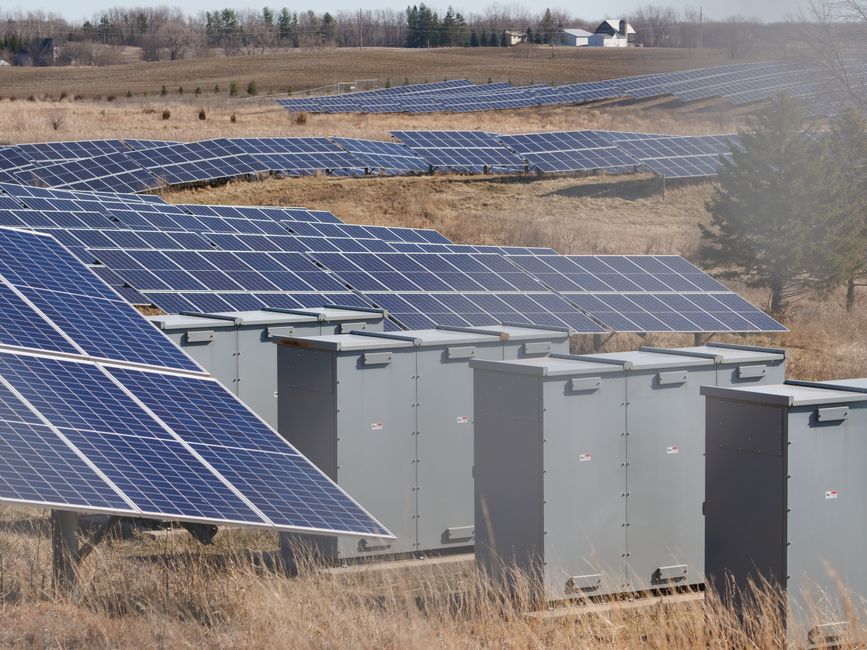
The surge in solar power capacity in Texas is multifaceted, driven by a confluence of economic, technological, and policy factors. The plummeting cost of solar photovoltaic (PV) modules and associated balance-of-system components has been a primary catalyst. Texas, with its abundant sunshine and vast land availability, presents an ideal environment for solar development. This has attracted significant investment from utility-scale developers, independent power producers, and even commercial and industrial entities looking to reduce their energy expenditures and carbon footprint. The growth has been so rapid that Texas has consistently ranked among the top states in the nation for new solar installations. Beyond large-scale projects, distributed solar, including rooftop installations on homes and businesses, has also contributed to this expansion. While individually smaller, the aggregate capacity of these distributed systems adds substantially to the overall solar generation entering the ERCOT grid. Furthermore, advancements in solar panel efficiency and energy storage technologies are further bolstering the appeal and reliability of solar power, addressing some of the historical concerns about intermittency. This robust and ongoing expansion of solar capacity is the direct engine driving its projected overtake of coal generation within ERCOT.
The impact of this renewable energy surge, particularly from solar, on the ERCOT grid is profound and multifaceted. As solar generation increases, it directly displaces electricity that would otherwise be supplied by more expensive and environmentally impactful sources like coal and natural gas. This has a significant effect on wholesale electricity prices, often driving them lower during periods of high solar output, especially during daylight hours. However, this also presents new challenges for grid operators. The intermittency of solar power, meaning its generation varies with sunlight availability, requires sophisticated grid management techniques to ensure reliability. ERCOT must balance the fluctuating supply from renewables with demand, which can change rapidly. This necessitates greater reliance on fast-ramping generation sources, such as natural gas plants, and an increased focus on energy storage solutions, like batteries, which can store excess solar energy for use when the sun isn’t shining. The integration of these variable renewable energy sources also demands continuous upgrades to transmission infrastructure to accommodate the distributed nature of solar generation and transport it efficiently to demand centers.
The long-term implications of solar power eclipsing coal in Texas are far-reaching, impacting not only the energy sector but also the state’s economy and environment. Economically, the continued growth of the solar industry is a significant job creator, spanning manufacturing, installation, maintenance, and project development. It also offers Texas businesses greater energy price stability and predictability, which is crucial for long-term planning and competitiveness. Environmentally, the displacement of coal generation by solar power leads to a substantial reduction in greenhouse gas emissions, contributing to cleaner air and mitigating the impacts of climate change. This transition aligns with global trends towards decarbonization and positions Texas as a leader in the clean energy economy. Moreover, the diversification of the state’s energy portfolio enhances its energy security by reducing reliance on any single fuel source. The ongoing transformation within ERCOT signifies a fundamental recalibration of Texas’s energy future, moving decisively towards a more sustainable, cost-effective, and environmentally responsible power generation landscape.
The shift is also accelerating the retirement of aging coal-fired power plants. As solar and wind become more economically viable and a larger portion of the generation mix, the operational economics of coal plants become increasingly unfavorable. Many of these plants are nearing the end of their operational life, and the prospect of investing in costly upgrades to meet environmental regulations or to remain competitive against renewables is becoming less appealing for owners. This natural economic pressure, coupled with increasing investor scrutiny on environmental, social, and governance (ESG) factors, is leading to voluntary retirements and a phased exit of coal from the Texas grid. ERCOT’s planning processes are increasingly factoring in the decline of coal and the rise of renewables, requiring a proactive approach to ensure grid stability and adequate capacity. The infrastructure that supported coal power, such as dedicated rail lines for coal transport, will also need to be repurposed or decommissioned, representing another facet of this energy transition.
The role of natural gas in this evolving energy landscape is also noteworthy. While solar and wind are experiencing exponential growth, natural gas plants, with their ability to quickly adjust output, currently play a crucial role in providing flexible generation to complement the intermittency of renewables. However, the long-term outlook for natural gas in Texas is also subject to evolving market dynamics and policy decisions. As energy storage technologies become more advanced and cost-effective, and as further renewable capacity is added, the need for natural gas for grid balancing may gradually decrease. Furthermore, any future regulations or market mechanisms that put a price on carbon emissions would significantly impact the competitiveness of natural gas. For now, it serves as a critical bridge fuel, enabling the smooth integration of a higher percentage of variable renewable generation, but its ultimate role will likely be redefined as the energy transition continues.
The regulatory and policy environment in Texas has historically been characterized by a strong emphasis on market-based solutions and minimal state intervention. This approach has, to some extent, fostered the growth of competitive renewable energy markets. While Texas does not have renewable portfolio standards mandating a specific percentage of renewable energy generation, market forces, driven by the declining cost of solar and wind, have propelled their adoption. The Public Utility Commission of Texas (PUC) and ERCOT play crucial roles in overseeing the electricity market, ensuring reliability, and facilitating the interconnection of new generation resources. Recent efforts to modernize the ERCOT grid and enhance its resilience, particularly in the wake of extreme weather events, have also indirectly supported the development of cleaner energy technologies. The ongoing dialogue and potential future policy adjustments regarding grid modernization, transmission expansion, and energy storage will continue to shape the pace and direction of this energy transformation.
The implications for Texas consumers are largely positive, with the potential for lower electricity bills during periods of high renewable generation. As solar becomes a more dominant force, it exerts downward pressure on wholesale electricity prices, which can be passed on to consumers. However, the transition also necessitates investments in grid infrastructure and potentially in energy storage solutions, which could impact retail electricity rates. Understanding the complex market dynamics and choosing the right retail electricity provider will become increasingly important for consumers to benefit from the evolving energy landscape. Furthermore, the environmental benefits of reduced pollution translate into improved public health outcomes and a cleaner environment for all Texans. The shift also presents opportunities for consumers to participate more directly in the energy transition through rooftop solar installations and electric vehicle adoption, further contributing to a cleaner and more sustainable energy future. The long-term trend points towards a more diversified and resilient energy system, ultimately benefiting the state’s economy and its residents.
