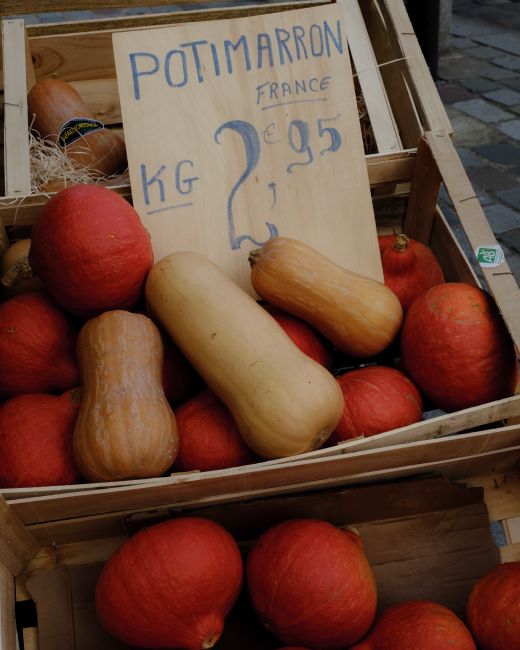
French Market Tag: Navigating the Essence of French Food Culture for Today’s Consumer
The "French Market Tag" is not a single, officially designated label but rather a multifaceted concept encapsulating the essence of traditional French food markets and their appeal to contemporary consumers seeking quality, authenticity, and a connection to their food sources. It signifies a desire to replicate the experience of shopping at a farmer’s market, a "marché" in France, where fresh, seasonal produce, artisanal products, and a vibrant community atmosphere converge. Understanding the French Market Tag involves dissecting its core components: the products, the vendors, the environment, and the underlying philosophy that resonates with a growing segment of the global population prioritizing mindful consumption.
At its heart, the French Market Tag is driven by the inherent quality and provenance of the food. French markets are renowned for showcasing produce at its peak ripeness, often sourced from local or regional farms practicing sustainable and traditional methods. This translates to vibrant, flavorful fruits and vegetables that have not endured long-distance transportation. Think sun-ripened tomatoes bursting with sweetness, earthy mushrooms still bearing traces of forest soil, or crisp, hand-picked lettuces that offer a satisfying crunch. The emphasis is on seasonal availability, meaning consumers engage with what nature dictates, fostering a deeper appreciation for the agricultural cycle. This contrasts sharply with the year-round availability of many supermarket items, which can often be less flavorful and more heavily processed. The French Market Tag, therefore, signifies a commitment to unadulterated, wholesome ingredients that form the foundation of excellent cuisine.
Beyond produce, the French Market Tag extends to artisanal products. This encompasses a wide array of goods, from charcuterie and cheeses to freshly baked bread, pastries, and regional specialties. Imagine a stall laden with pungent, aged cheeses, each with a unique terroir reflecting the specific region and milk used. Consider the crusty, aromatic loaves of sourdough, baked that very morning by a baker who has perfected their craft over generations. The charcuterie, with its rich, savory flavors, speaks of time-honored curing techniques. These are not mass-produced items but rather the result of skilled craftsmanship, passion, and a dedication to preserving traditional methods. The French Market Tag celebrates these artisans, acknowledging their expertise and the cultural heritage they represent. Supporting these vendors not only ensures access to superior products but also contributes to the vitality of local economies and the preservation of culinary traditions.
The vendors themselves are a crucial element of the French Market Tag. Unlike the often anonymous interactions in large retail chains, market vendors are typically the producers or their representatives. They possess intimate knowledge of their products, from the soil their vegetables were grown in to the specific aging process of their cheeses. This direct connection between consumer and producer fosters trust and transparency. A conversation with a farmer about their growing practices or a cheesemonger about the best way to enjoy a particular cheese enriches the shopping experience. This personal interaction is a significant draw for consumers seeking to understand the journey of their food from farm to table. It moves beyond a transactional exchange to a more relational one, building community and a sense of shared appreciation for good food.
The environment of a French market is equally integral to the French Market Tag. These markets are often bustling, vibrant spaces, alive with the sounds of friendly chatter, the aroma of fresh produce, and the visual spectacle of colorful displays. They are social hubs, places where people gather not only to shop but also to connect with neighbors, enjoy a casual meal from a food stall, and soak in the atmosphere. This sensory experience is a far cry from the sterile, climate-controlled environments of supermarkets. The open-air setting, the natural light, and the lively energy contribute to a feeling of authenticity and connection to the rhythm of daily life. The French Market Tag embraces this holistic experience, recognizing that food shopping can and should be an enjoyable and engaging part of one’s day.
The underlying philosophy of the French Market Tag can be distilled into several key principles. Firstly, seasonality and locality are paramount. This promotes a more sustainable food system by reducing transportation distances and supporting regional agriculture. It also encourages a more dynamic and exciting way of eating, as one’s diet naturally evolves with the changing seasons. Secondly, quality over quantity is a guiding principle. The focus is on obtaining the best possible ingredients, even if it means buying smaller amounts. This aligns with a mindful consumption approach, where less but better is preferred. Thirdly, artisanal craftsmanship and tradition are celebrated. The value of products made with skill, care, and historical knowledge is recognized and appreciated. This fosters a respect for culinary heritage and the people who preserve it. Finally, community and connection are intrinsic to the French Market Tag. The market is a space for human interaction, where relationships are built and shared experiences are fostered.
For consumers outside of France, embracing the French Market Tag involves seeking out similar experiences. This can mean visiting local farmer’s markets, patronizing independent grocers that source from local farms, or actively seeking out artisanal producers online or at specialty food stores. It requires a conscious effort to move away from the convenience of large supermarkets and to engage more deeply with the origins of one’s food. The rise of the French Market Tag reflects a broader consumer trend towards authenticity, sustainability, and a desire for a more meaningful connection to food.
The SEO potential of the term "French Market Tag" is significant because it taps into multiple popular search queries. Individuals searching for "French food," "farmer’s market," "organic produce," "artisanal cheese," "local food," "sustainable agriculture," "traditional recipes," and "food culture" are all likely to be drawn to content that addresses the French Market Tag. By using this term and its associated keywords, content creators can reach a broad audience of consumers interested in high-quality, authentic, and ethically sourced food.
The implications of the French Market Tag extend beyond individual shopping habits. It influences the way food businesses operate and how culinary education is approached. Restaurants that align with the French Market Tag prioritize seasonal menus, source ingredients locally, and highlight artisanal producers. Food bloggers and chefs who champion this concept educate their audiences on the importance of quality ingredients and traditional cooking methods. Culinary schools may incorporate modules on farm-to-table sourcing and the appreciation of artisanal products.
The perception of value associated with the French Market Tag is also important. While products from French markets or their equivalents might sometimes carry a higher price point, the perceived value lies in their superior quality, flavor, freshness, and the ethical considerations of their production. Consumers who embrace the French Market Tag are often willing to pay a premium for these attributes, understanding that they are investing in their health, the environment, and the preservation of culinary traditions. This is a shift from a purely price-driven purchasing decision to one that incorporates a broader set of values.
Furthermore, the French Market Tag has inspired a movement towards "slow food" and a rejection of the fast-paced, often industrialized food system. It encourages a more deliberate and mindful approach to eating, where each meal is an opportunity to savor the flavors, appreciate the effort involved in its creation, and connect with the source of the ingredients. This extends to cooking at home, with a greater emphasis on preparing meals from scratch using fresh, high-quality ingredients, rather than relying on pre-packaged or processed options. The act of cooking itself becomes a more rewarding and engaging experience when underpinned by the principles of the French Market Tag.
In conclusion, the French Market Tag is a powerful descriptor for a holistic approach to food consumption that prioritizes quality, authenticity, sustainability, and community. It represents a desire to experience the vibrant, sensory, and deeply satisfying world of traditional French food markets. For SEO purposes, understanding and utilizing this concept allows for the creation of highly relevant and engaging content that resonates with a growing segment of consumers seeking a deeper connection to their food and the people who produce it. It signifies a movement towards a more mindful, ethical, and enjoyable way of eating, one that celebrates the simple yet profound pleasures of good food, well-sourced and thoughtfully prepared.
