The commercial real estate sector is currently navigating a period of profound structural adjustment, characterized by a stark dichotomy between the capital-intensive resilience of Manhattan’s ultra-luxury developments and a broader, more cautious cooling of the national investment sales market. Recent industry data and third-quarter earnings reports suggest that while high-profile, multibillion-dollar projects continue to move forward, the underlying momentum of the market is being constrained by sustained high interest rates, shifting debt service requirements, and a general tightening of transaction velocity.
The Divergence of Megaprojects and Market Cooling
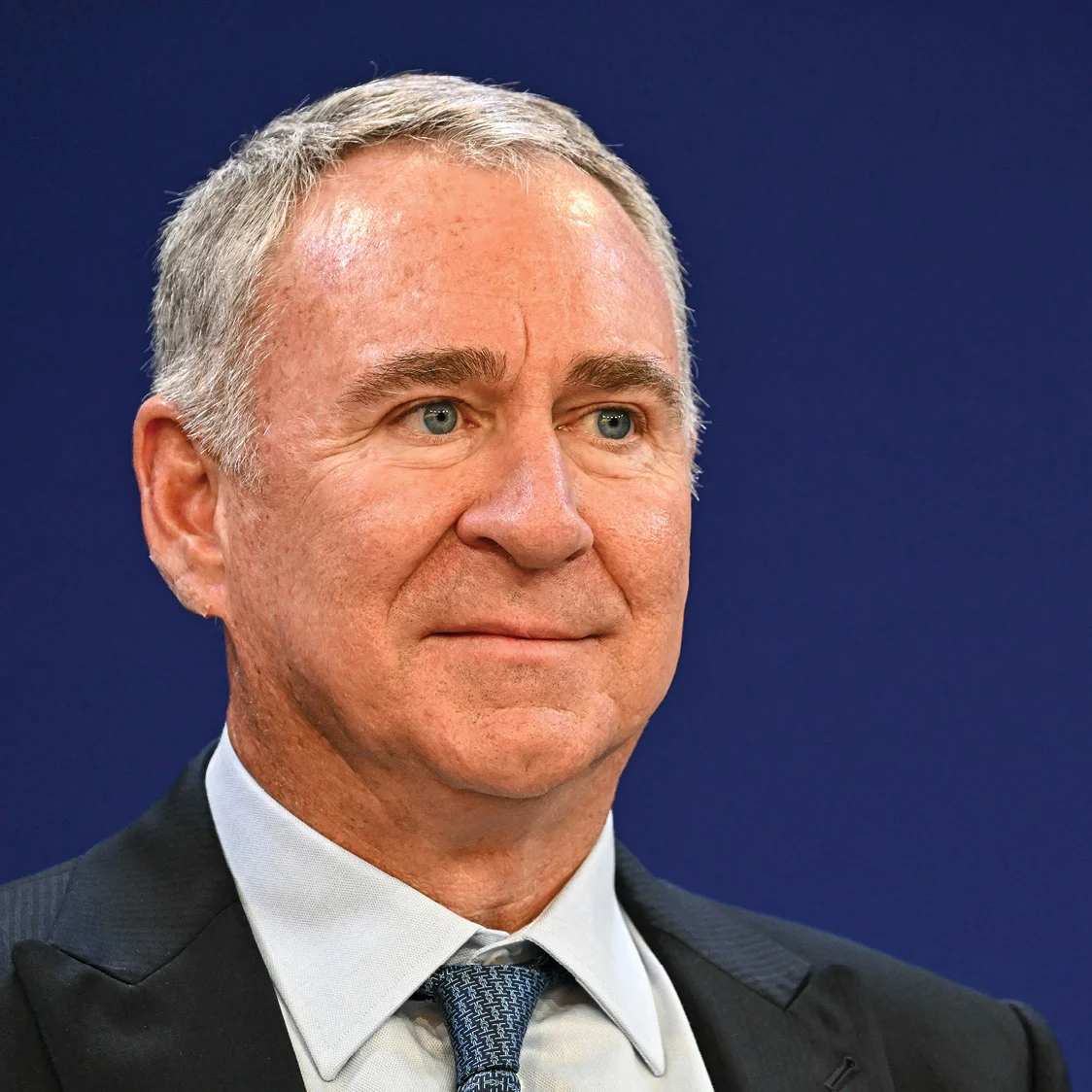
Last week underscored this bifurcation with two massive capital injections that might, in isolation, suggest an unburdened market. Ken Griffin, the billionaire founder of Citadel, secured $3.3 billion in construction financing for the development of 350 Park Avenue. This 66-story project, a joint venture involving Vornado Realty Trust and Rudin, represents one of the most ambitious office developments in modern New York City history. Simultaneously, UDR, a prominent multifamily real estate investment trust, announced a $2 billion joint venture with Apollo Global Management. The partnership involves 19 multifamily communities totaling 7,059 units, with Apollo contributing $1.34 billion in equity.
However, these figures exist in a landscape where broader investment metrics are showing signs of exhaustion. Recent reports indicate that Manhattan investment sales fell by 27 percent in the third quarter. While industry analysts point out that Manhattan remains on a trajectory to surpass 2025’s total volume—aided by a 4 percent year-over-year increase in dollar volume—the reduction in the total number of closed transactions signals a narrowing of the market. The volume is being sustained by fewer, larger deals rather than the broad-based liquidity seen in previous fiscal years.
A Chronology of Economic Headwinds
The current state of the market is the result of a multi-year escalation in the cost of capital. Following the post-pandemic recovery, which saw record-setting investment figures, the Federal Reserve’s aggressive interest rate hiking cycle began to impact commercial real estate valuations in early 2024. By the third quarter of 2026, the cumulative effect of these rate increases, compounded by bond yield volatility, began to manifest in the earnings of industry leaders.
Blackstone, a bellwether for the industry, reported a nine percent decline in profits for the third quarter. The firm’s challenges were highlighted by the shift of a $1.3 billion commercial mortgage-backed securities (CMBS) loan, covering multifamily assets in the Sun Belt and Seattle regions, into special servicing. This development underscores the heightened pressure on debt service coverage ratios as loans mature in a higher-rate environment.
Stephen Schwarzman, Chairman and CEO of Blackstone, noted during the firm’s earnings call that the third quarter was defined by a historic increase in global bond yields. He emphasized that the elevated cost of capital has fundamentally altered investor sentiment, leading to decreased transaction activity and significant market volatility.
Contrasting Institutional Responses
Not all institutional players are experiencing the same pressures, as demonstrated by the variance in Q3 results. CBRE, the global real estate services firm, reported a 22 percent increase in net income to $443 million, alongside a 13 percent year-over-year revenue growth. The company’s strategic expansion included the $610 million acquisition of the London-based data center equipment firm Onnec Group, signaling a pivot toward high-growth infrastructure assets.
Conversely, SL Green Realty faced a slight contraction in leasing activity, a trend observed across several major office landlords. The firm successfully offset these pressures through strategic divestitures, including the sale of 10 East 53rd Street for $312.2 million and 110 Greene Street for $226 million. Marc Holliday, CEO of SL Green, acknowledged the impact of a 150-basis-point swing in rates over the course of the year, which he estimated had a 25-cent impact on earnings for the latter half of 2026. He noted that the firm’s proactive hedging strategy was essential in mitigating what could have been a more severe fiscal impact.
The South Florida Exception
While Northern markets grapple with interest rate sensitivities, South Florida remains an outlier characterized by sustained, aggressive development and robust capital inflow. The South Florida Capital & Development Forum, held on October 15 in Miami Beach, reflected a sentiment of unbridled optimism. Industry participants attributed this to a consistent migration of high-net-worth individuals and corporate entities from high-tax, high-cost-of-living regions.
The South Florida pipeline continues to expand:
- Related Ross acquired the North 40 office complex in Boca Raton for $64 million.
- Grover Corlew finalized a $69.7 million purchase of 200 East Broward in Fort Lauderdale.
- Genting Americas secured $500 million in refinancing for the Omni Center in Miami.
Developers in the region argue that the demand for luxury residential and high-tier office space remains detached from national interest rate trends, driven instead by wealth concentration and lifestyle-oriented corporate relocation.
Implications for the Future of Commercial Real Estate
The current market environment is characterized by a "one-step-forward, one-step-back" dynamic. Landlords in prime markets are increasingly hoarding space, maintaining scarcity to protect lease rates, while tenant improvement allowances—which reached record highs in 2024—are now beginning to normalize. The focus of the industry has shifted from rapid growth to operational efficiency, asset quality, and debt management.
The office sector continues to see institutional confidence in "trophy" assets. Tishman Speyer, in conjunction with Bouwinvest Real Estate Investors, recently launched a joint fund dedicated to acquiring top-tier office assets, starting with the iconic Chrysler Building. This suggests that while the office market is undergoing a structural correction, capital remains available for premium, well-located properties that can command high rents.
Conclusion and Outlook
As the industry closes out the final quarter of 2026, the narrative is one of cautious navigation. The combination of high interest rates, moderate transaction volume, and diverging regional performance requires a nuanced approach to investment. Firms that have successfully hedged their debt and focused on high-demand sectors, such as data centers and luxury residential, are proving better equipped to handle the current volatility than those heavily leveraged in secondary office markets.
Looking ahead, the industry will likely see continued consolidation as firms like CBRE and Blackstone adjust their portfolios to prioritize sectors with lower sensitivity to interest rate fluctuations. While the "easy money" era has clearly concluded, the resilience of major projects in New York and the continued expansion in South Florida suggest that the underlying demand for high-quality real estate remains a core component of the global investment landscape. Market participants will continue to monitor the Federal Reserve’s future policy decisions, as the next 12 to 18 months will be critical in determining whether the current cooling represents a temporary adjustment or the beginning of a prolonged period of suppressed activity.