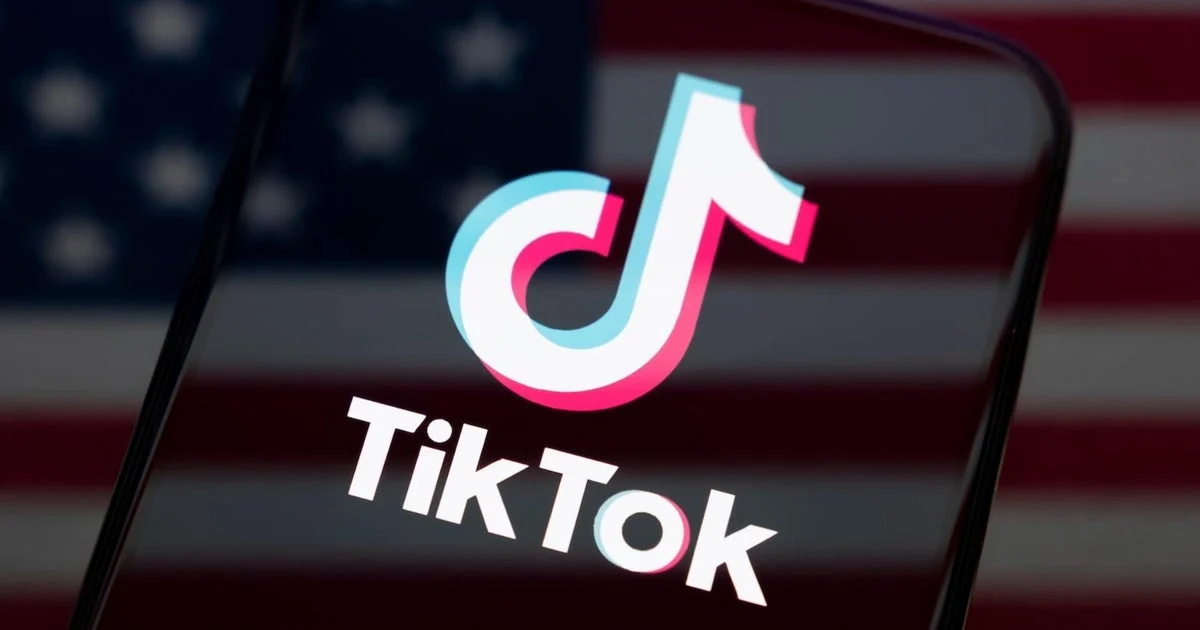
The United States Justice Department, through its Office of Legal Counsel (OLC), has formally determined that a standing federal law prohibiting the use of TikTok on government devices no longer applies to the social video application in its current U.S. iteration. This significant legal opinion, issued on Thursday, July 17, 2026, marks a pivotal moment in the years-long saga surrounding the popular app’s operations within the United States, particularly concerning national security fears linked to its former ownership structure. The OLC, which serves as a crucial legal advisory body to the executive branch, concluded that the congressional ban specifically targeted a version of TikTok with "problematic ownership features" that have since been substantially altered.
The Genesis of Concern: A National Security Saga
The journey to this ruling has been complex, rooted deeply in geopolitical tensions and escalating concerns over data privacy and potential foreign influence. TikTok, a wildly popular short-form video platform, gained immense traction globally, including within the United States, quickly becoming a dominant force in social media. However, its original ownership by Beijing-based ByteDance Limited sparked alarm bells among U.S. policymakers and national security experts. These concerns primarily revolved around the potential for the Chinese government to access sensitive user data, influence the app’s powerful recommendation algorithms to push specific narratives, or even demand data from ByteDance under China’s national security laws.
The worries were not entirely unfounded. China’s National Intelligence Law, enacted in 2017, mandates that organizations and citizens "support, assist, and cooperate with national intelligence efforts." Critics argued this law could compel ByteDance to hand over U.S. user data to Chinese authorities, regardless of the company’s stated intentions or internal policies. While TikTok consistently denied these allegations, asserting that U.S. user data was stored on servers in the United States and not accessible by Chinese personnel, the specter of potential coercion remained a significant point of contention.
Congressional Action: The Legislative Onslaught Against TikTok
In response to these growing national security apprehensions, the U.S. Congress took decisive action. In late 2022, a bipartisan coalition passed legislation requiring executive branch agencies to remove TikTok from all federal government devices. This measure, integrated into a broader spending bill, reflected a consensus that the risk posed by the ByteDance-owned application was too great for sensitive government operations. The law was deliberately crafted to also cover "any successor application or service developed or provided by ByteDance Limited or an entity owned by ByteDance Limited," aiming to prevent simple rebranding or minor structural changes from circumventing the ban. This initial legislative step underscored the seriousness with which lawmakers viewed the potential threat.
The legislative pressure intensified in 2024. Building on the previous device ban, Congress passed a more sweeping law that threatened an outright nationwide ban of TikTok from the United States. This legislation stipulated that ByteDance must divest its U.S. operations of TikTok by January 2025, or face a complete prohibition of the app within the country. This unprecedented move highlighted the escalating U.S.-China tech rivalry and the government’s willingness to use its legislative power to safeguard national security interests in the digital realm. The law was set to take effect just one day before President Trump’s inauguration in 2025, setting the stage for a dramatic showdown.
A Presidential Pivot: Trump’s Intervention and the Search for a Deal
The implementation of the nationwide ban, however, did not proceed as planned. Despite having previously supported a ban on TikTok during his first term in office, President Trump took a different approach upon his return to the White House. He directed the Justice Department not to enforce the newly passed nationwide ban, announcing that his administration was actively working on a deal to shift TikTok’s ownership structure. This pivot signaled a preference for a negotiated solution over an outright prohibition, likely driven by a combination of economic considerations, the app’s immense popularity among American users, and the potential for a more palatable security arrangement.
President Trump’s directive initiated a period of intense negotiations and corporate restructuring. The goal was to create a new ownership model that would address the core national security concerns without completely severing TikTok’s ties to its technological roots, nor alienating its vast user base. This complex undertaking required balancing U.S. security demands with the intricate global operations of a tech giant like ByteDance.
The Birth of TikTok USDS: A New Ownership Paradigm
The efforts culminated in a deal that emerged in late 2025 and was officially finalized in January 2026. This landmark agreement saw a consortium of predominantly U.S.-based investors acquire a majority stake in the version of TikTok available to American users. Under the terms of the deal, ByteDance retained a minority stake of 19.9% in the new venture, meticulously staying just below the 20% cap stipulated by the 2024 divestment law. This restructuring was designed to decisively shift control and oversight away from the Beijing-based parent company, directly addressing the legislative requirements.
A prominent new investor in this joint venture is Oracle, the American multinational computer technology corporation chaired by Larry Ellison. This involvement by a major U.S. tech firm was seen as a crucial component of the security overhaul. The newly formed entity, christened TikTok U.S. Data Security (TikTok USDS), was not merely a change in ownership but promised a comprehensive suite of enhanced cybersecurity controls. Among the key commitments were the retraining of the social media platform’s recommendation algorithm using only data from American users, thereby isolating it from potential foreign influence. Furthermore, Oracle was tasked with the critical responsibility of continuously reviewing and validating TikTok USDS’s source code, providing an unprecedented level of transparency and oversight into the app’s operational integrity. This move aimed to assuage fears about backdoors or vulnerabilities that could be exploited by foreign adversaries.
The Justice Department’s Legal Reassessment
It was against this backdrop of significant structural change that the Justice Department’s Office of Legal Counsel undertook its review. In its detailed 12-page opinion addressed to the deputy counsel to the president, the OLC meticulously laid out its rationale. The core of their argument rested on the specific wording of the 2022 congressional legislation, which banned TikTok and "any successor application or service developed or provided by ByteDance Limited or an entity owned by ByteDance Limited." The OLC determined that the version of TikTok currently available in the U.S., operating under the TikTok USDS framework, no longer fits this description.
The opinion emphasized that "Congress banned only the version of TikTok that shares the same problematic ownership features." With ByteDance now holding a minority stake (19.9%) and the majority ownership, operational control, and critical cybersecurity oversight residing with U.S.-based entities and an American tech giant like Oracle, the OLC concluded that the fundamental characteristics that triggered the original ban had been fundamentally altered. This legal interpretation highlights the importance of specific legislative language and the tangible impact of corporate restructuring in navigating complex regulatory environments. The OLC’s determination effectively provides a legal pathway for federal employees to potentially access TikTok on government devices once more, subject to further internal agency decisions.
Agency Autonomy and Discretion
Despite the Justice Department’s overarching legal opinion, the decision to allow TikTok on federal devices is not an automatic, blanket mandate. The OLC’s ruling explicitly states that it remains "up to individual federal agencies to decide whether to allow TikTok." Agencies retain the independent authority to ban the downloading of TikTok to government devices for a variety of internal reasons. These could include workforce management considerations, such as promoting employee productivity, managing bandwidth usage, or aligning with existing internal policies regarding social media use.
The opinion further noted, "We understand you have since instructed that employees of Executive Branch agencies may download TikTok onto their official devices, subject to the agency’s discretion and consistent with all applicable workplace policies." This underscores a nuanced approach, where the federal government acknowledges the legal shift but empowers individual departments and agencies to make decisions based on their specific operational needs and risk assessments. This decentralized approach ensures that while the national security threat as defined by the 2022 law is deemed mitigated, agencies can still enforce stricter policies if deemed necessary for their particular environments.
Stakeholder Reactions and Lingering Skepticism
The Justice Department’s opinion has elicited varied reactions across the political and technological landscapes. TikTok, which has consistently maintained its commitment to U.S. user data security, has not yet issued a formal statement in response to the CBS News inquiry, but the OLC’s ruling represents a significant legal victory for the company. It validates the extensive restructuring efforts and the creation of TikTok USDS as a legitimate solution to the national security concerns raised by the U.S. government. For TikTok, this decision could pave the way for a broader easing of regulatory pressures and a more stable operating environment in its largest market.
However, the deal and the OLC’s opinion have not entirely quelled skepticism among some lawmakers and national security experts. Concerns about ByteDance’s retained 19.9% minority stake, even if below the legal threshold, and the effectiveness of the promised cybersecurity controls persist. Some lawmakers, particularly those who have been vocal critics of TikTok’s ties to China, have pressed for more evidence that the new structure definitively addresses all national security risks. For instance, reports indicate that some members of Congress, including a Democratic Senator and members of the House China Select Committee, continued to demand answers regarding the efficacy of the Oracle-led joint venture even after its finalization. They questioned whether the new arrangement truly insulated American user data and algorithms from potential influence or access by the Chinese Communist Party.
The Unresolved Legal Challenges
Further complicating the landscape are ongoing legal challenges. Two investors in competing tech firms, Alphabet (Google’s parent company) and Meta Platforms (Facebook’s parent company), filed a lawsuit against the federal government, arguing that the TikTok USDS deal does not fully comply with the intent or letter of the 2024 nationwide ban law. Their argument suggests that the divestment was insufficient or that the new structure still carries inherent risks that the legislation sought to eliminate. The federal government has formally requested for this case to be dismissed, asserting that the new deal meets the legal requirements. The lawsuit remains pending, creating a degree of uncertainty for the long-term legal standing of TikTok USDS and potentially challenging the OLC’s current determination. The outcome of this legal battle could either reinforce or undermine the current position of the Justice Department.
Broader Implications for Tech Policy and National Security
The Justice Department’s decision carries significant implications beyond merely allowing federal employees to use TikTok. It sets a precedent for how the U.S. government may approach national security concerns related to foreign-owned technology companies in the future. The OLC’s ruling suggests a pathway where structural changes, such as divestment, minority stake retention, and robust third-party oversight, can potentially mitigate perceived risks and avoid outright bans. This could influence future regulatory actions against other foreign tech firms operating in sensitive sectors within the U.S.
Moreover, the entire saga underscores the increasing complexity of data governance and digital sovereignty in an interconnected world. The debate over TikTok has highlighted the tension between promoting open digital markets and safeguarding national security interests. It also reflects the broader geopolitical competition between the U.S. and China, where technological leadership and control over information flows are seen as critical strategic assets. The detailed cybersecurity measures implemented by TikTok USDS, such as algorithm retraining and source code review by Oracle, could become a new standard for foreign-owned platforms seeking to operate in sensitive markets.
Looking Ahead: The Evolving Landscape
As of July 2026, the landscape for TikTok in the United States remains dynamic. While the Justice Department’s opinion clears a significant hurdle for the app on federal devices, the ongoing lawsuit by competing investors could introduce new legal complexities. Furthermore, the persistent scrutiny from some lawmakers indicates that even with the new ownership structure, the debate over TikTok’s ultimate security and independence may not be entirely resolved.
The coming months will likely see individual federal agencies making their own determinations regarding TikTok’s use, potentially leading to a patchwork of policies across the government. The outcome of the pending lawsuit will also be closely watched, as it could either solidify the current legal framework or necessitate further adjustments. The TikTok saga serves as a powerful illustration of the intricate interplay between technology, national security, law, and international relations in the 21st century, continuing to shape discussions about data privacy, foreign influence, and the future of global digital platforms.