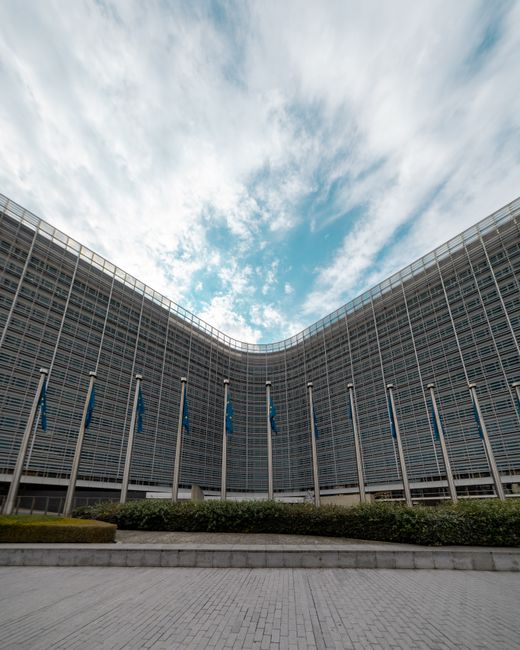
European Commission Unveils 18th Russia Sanctions Package Targeting Energy and Military Sectors
The European Commission has officially presented its eighteenth package of sanctions against Russia, a significant escalation of economic and political pressure aimed at further degrading Russia’s ability to fund its ongoing aggression and to bolster its military capabilities. This latest tranche of measures, detailed by the Commission, introduces a range of targeted restrictions across key sectors, with a particular focus on further limiting Russia’s energy revenue streams and disrupting its access to critical military components and dual-use technologies. The package is designed to tighten existing sanctions, close loopholes, and introduce new, more stringent measures to achieve maximum impact on the Russian war machine.
Central to the eighteenth package is a concerted effort to enhance the pressure on Russia’s energy sector, a primary source of revenue for the Kremlin. While previous packages have already imposed significant limitations, this new set of sanctions seeks to build upon those foundations by introducing further restrictions on energy imports and the financing of energy-related projects. The Commission has indicated that these measures are designed to reduce Russia’s ability to profit from its energy exports, thereby diminishing its capacity to finance its military operations. This includes a deepening of the oil price cap mechanism, aiming to restrict revenue while simultaneously seeking to maintain global energy market stability. The enforcement of the price cap will be a key focus, with measures designed to prevent circumvention and ensure compliance from all participating nations. Furthermore, the package may include provisions to restrict the export of specific types of energy infrastructure equipment or technologies that could be utilized by Russia to circumvent existing sanctions or to expand its energy production capabilities. This strategic targeting aims to not only limit immediate revenue but also to hinder Russia’s long-term energy sector development.
The military dimension of the eighteenth sanctions package is equally robust, with a strong emphasis on severing Russia’s access to the components and technologies essential for its defense industry and ongoing military campaigns. The Commission has identified a list of additional entities and individuals to be sanctioned, including those directly involved in the production, procurement, or supply of military equipment. This extends to the disruption of supply chains for critical components, including advanced electronics, machine tools, and other specialized materials that are vital for the manufacturing and maintenance of weapons systems. The sanctions aim to make it increasingly difficult for Russia to produce or acquire the necessary materials to sustain its war effort, thereby directly impacting its battlefield capabilities. This may involve expanded export bans on a wider range of dual-use goods, which can be used for both civilian and military purposes, closing existing gaps that Russia has exploited to acquire such items. The Commission’s announcement highlights the importance of preventing the diversion of sanctioned goods and technologies to military end-users.
Beyond specific sectorial measures, the eighteenth sanctions package also introduces a range of horizontal restrictions designed to enhance the overall effectiveness of the EU’s sanctions regime against Russia. This includes measures to strengthen enforcement mechanisms, combat circumvention, and prevent illicit financial flows. The Commission has indicated a focus on tackling the role of third countries or entities that may be facilitating the evasion of EU sanctions. This could involve introducing stricter due diligence requirements for businesses operating within the EU or engaging in trade with Russia, as well as targeted measures against individuals or organizations identified as key facilitators of sanctions evasion. The goal is to create a more impermeable sanctions barrier, making it significantly harder for Russia to circumvent the intended impact of the measures. This also extends to efforts to freeze and confiscate Russian assets, where legally permissible, to further deplete Moscow’s financial resources.
The package also addresses financial and economic aspects, aiming to further isolate Russia from the global financial system and to limit its access to capital. This could include further restrictions on Russian financial institutions, including limitations on their access to EU capital markets and financial services. The intention is to make it more difficult and expensive for Russia to secure funding for its operations and to conduct international financial transactions. The Commission’s strategy is to systematically degrade Russia’s economic resilience, thereby undermining its ability to sustain a protracted conflict. This may also involve measures to prevent Russian entities from accessing EU public procurement markets, further limiting their economic opportunities.
The European Commission’s announcement of the eighteenth package of sanctions against Russia underscores the EU’s continued commitment to holding Russia accountable for its actions and to supporting Ukraine. The comprehensive nature of these new measures reflects a strategic approach to maximize pressure on the Russian economy and its military apparatus. By targeting key revenue streams in the energy sector and disrupting critical supply chains for its defense industry, the EU aims to degrade Russia’s capacity to wage war and to encourage a cessation of hostilities. The focus on closing loopholes and strengthening enforcement mechanisms signifies a determination to ensure the effectiveness of the sanctions regime. The successful implementation of these measures will depend on the continued cooperation and unified action of all EU member states, as well as the vigilance of international partners in preventing circumvention. The long-term objective remains to impose significant and lasting costs on Russia for its violation of international law and territorial integrity. The ongoing evolution of sanctions reflects a dynamic response to the persistent nature of the conflict, with each new package building upon previous efforts to achieve a decisive impact. The economic and military consequences for Russia are designed to be cumulative, aiming to exhaust its resources and ultimately force a change in its strategic calculus. The EU’s commitment to these measures signals a long-term strategic intent to isolate Russia economically and to undermine its capacity for further aggression.
