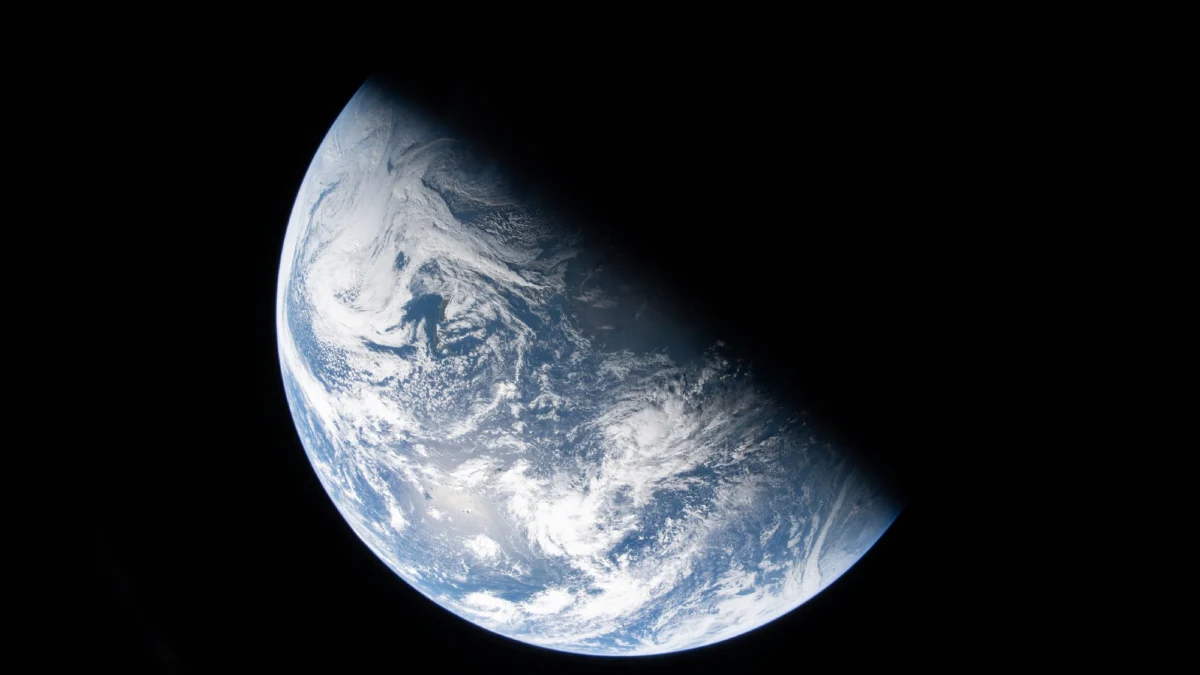
The prospect of a million data center satellites and tens of thousands of orbiting mirrors could soon transform the night sky into a dazzling, artificial "Saturn’s ring," outshining every star and planet and visible from every point on Earth. This looming celestial transformation, driven by a surge in private space ventures, has ignited alarm among astronomers who warn of a "catastrophic impact" on our ability to observe the universe.
The Dawn of the Orbital Data Center Era
The current wave of proposed satellite constellations represents a significant escalation in the commercialization of low-Earth orbit. Companies like SpaceX, Starcloud, Cowboy Space, Orbital, and Blue Origin are petitioning the U.S. Federal Communications Commission (FCC) for licenses to deploy over a million data center satellites. This ambition is mirrored globally, with China also actively developing its own orbital data center network, aiming for completion within the next five years.
These proposed data centers are not merely for communication. They represent a fundamental shift, envisioning vast computing facilities operating in space. The primary driver for this spatial migration is the potential for improved cooling and access to abundant solar power, advantages that are increasingly challenged by terrestrial constraints such as land use, water consumption for cooling, strain on power grids, and greenhouse gas emissions associated with ground-based data centers.
A "Saturn’s Ring" of Satellites
The sheer number of planned satellites necessitates novel orbital strategies. Professor Hugh Lewis, a leading figure in astronautics at the University of Birmingham in the UK, explained that to accommodate these vast constellations, operators are considering stacking them in a specific orbital plane. This plane would follow the terminator, the boundary between day and night, as it sweeps across Earth.
"The only way to accommodate the high number of data center constellations that have been proposed is to stack them above another in orbit above the boundary between day and night," Lewis stated in comments to Space.com. This arrangement would create a dense, luminous band circling the planet, what he described as an artificial "Saturn’s Ring" of satellites.
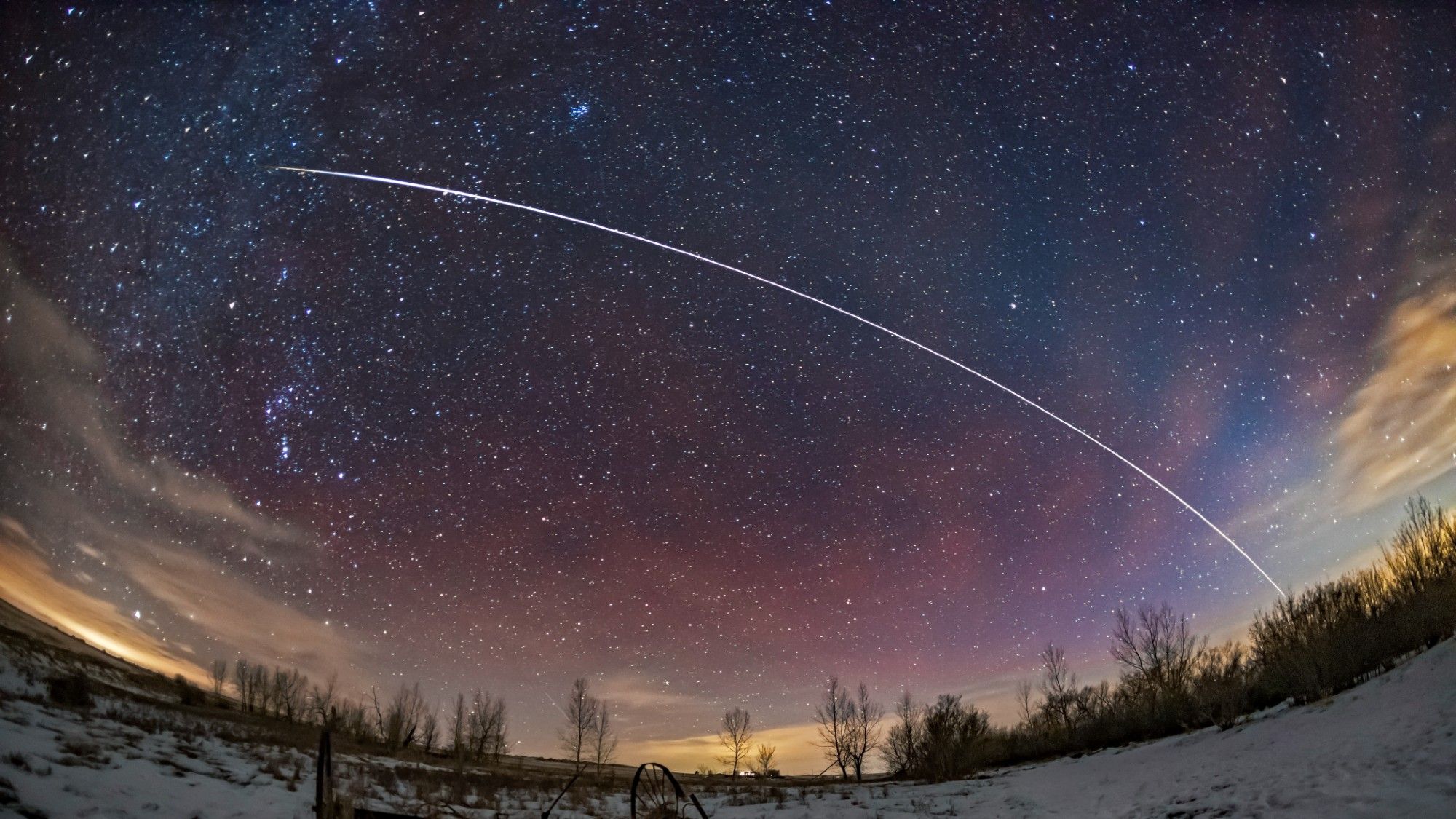
This celestial band, traversing the sky for hours after dusk and before dawn, is projected to be significantly brighter than any star or planet, and potentially even brighter than the full moon. "If you were to look up at night, they would be all in one plane, really close together, going in the same direction," Lewis elaborated. "The impact on the night sky would be absolutely catastrophic."
The Threat to Astronomical Observation
For millennia, humanity has gazed at the night sky, drawing inspiration and knowledge from the constellations and the Milky Way. These celestial vistas, however, are increasingly threatened by terrestrial light pollution. The advent of massive satellite constellations presents a new, formidable challenge, potentially obscuring the very celestial wonders that have captivated us since the dawn of consciousness.
Visualizing the Impact
Samantha Lawler, an astronomer at the University of Regina in Canada, and her colleagues have utilized computer modeling to visualize the potential impact of these proposed satellite fleets. Their simulations, incorporating data from SpaceX’s Starmind, Blue Origin’s Project Sunrise, and Cowboy Space’s Stampede constellation, reveal a stark future for amateur and professional stargazing alike.
The visualizations indicate that these satellite rings would not only outshine visible stars but also significantly outnumber them. As the Earth rotates beneath this terminator orbit, the "Saturn’s Ring" of satellites would become visible twice daily: once in the early evening hours, typically between 6 and 8 p.m., and again just before dawn.
"The ring would pass overhead at the same time every night," Lawler noted. "That means its effect would be worse during winter time than the summer time." This consistent visibility during prime observing hours, especially during winter when nights are longer, poses a critical threat.
Beyond Visual Observation: Impact on Scientific Research
The implications extend far beyond aesthetic concerns. Lawler highlighted the direct impact on astronomical research: "It would make our taxpayer-funded telescope time much less effective. We could do a lot less science for the same cost, and many science cases, including the search for dangerous near-Earth asteroids, would be seriously compromised."
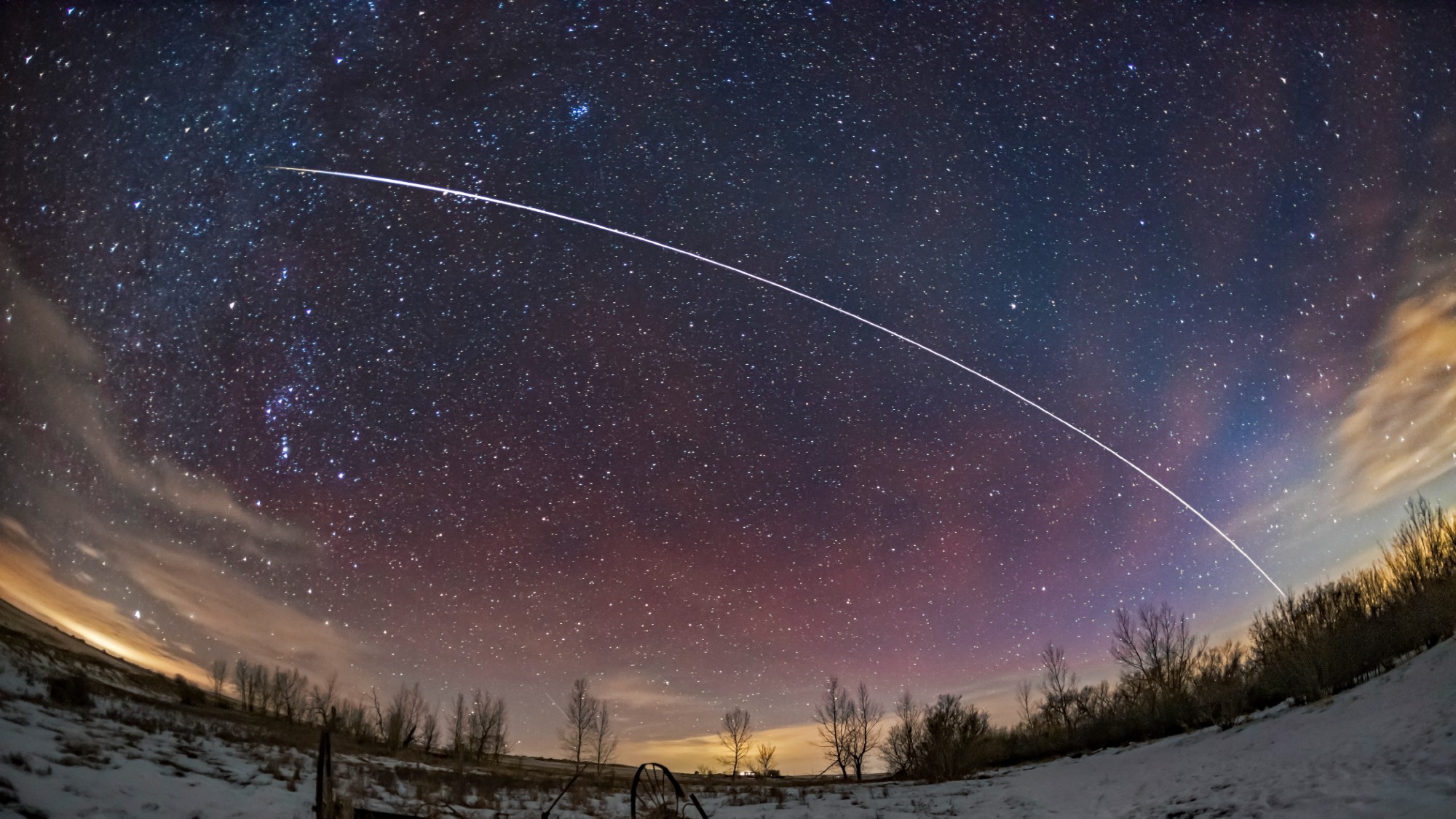
The light pollution generated by these satellite constellations could render sensitive astronomical instruments less effective, potentially hindering critical scientific endeavors, including the vital task of identifying and tracking Near-Earth Objects (NEOs) that pose a threat to our planet.
Reflect Orbital’s Ambitious Mirror Project
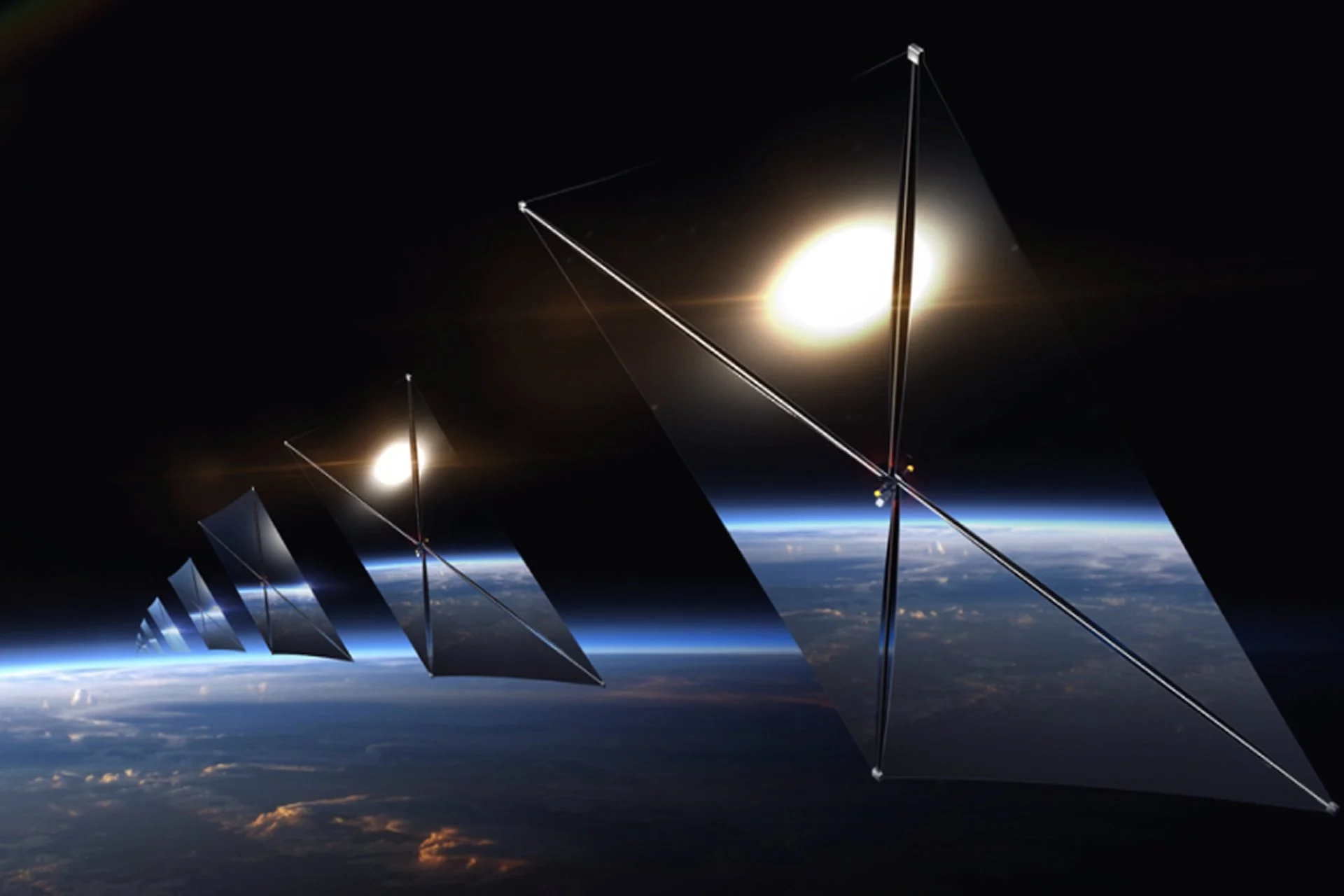
Adding another layer of complexity to the orbital landscape is Reflect Orbital’s proposal to launch 50,000 orbiting mirrors into space. These mirrors are intended to reflect sunlight to terrestrial solar power plants after dusk, extending their operational hours.
Reflect Orbital has already received approval from the FCC for its first demonstration satellite, named Earendil-1. This 18-by-18-meter satellite is slated for launch by the end of the current year. The company’s broader plan involves a constellation of tens of thousands of these mirrors.
The "Ring of Saturn" Effect Intensified
The cumulative effect of both data center satellites and these massive mirrors could be even more pronounced. Lewis explained that both types of projects rely on "24 hours of sunlight in space" to function optimally. This requirement dictates an orbit along the dawn-dusk line, leading to the concentration of these objects in a specific orbital plane.
An earlier study by the European Southern Observatory projected that a constellation of 50,000 mirrors, similar to Reflect Orbital’s plan, could increase the brightness of the night sky by up to 300 percent. Such an increase would render the world’s most advanced telescopes virtually useless for their intended purpose.
John Barentine, an astronomer and advocate for dark skies, expressed deep concern: "Humanity has already fundamentally altered the cosmos to the point where Earth is now an artificial ‘ringed planet’ choked by satellites and space debris. But projects like Reflect Orbital will turn those mostly now invisible rings into bright reflective tracks. We aren’t talking about a just scattered field of bright, moving dots anymore. Rather, this is a permanent, artificial ‘ring of Saturn’ effect cutting right through the most critical twilight observing windows for global astronomy."
Regulatory Gaps and Corporate Responses
The rapid proliferation of satellites raises critical questions about regulatory oversight and the balance between commercial interests and scientific preservation.
The FCC’s Stance
In its authorization of Reflect Orbital’s mission license, the FCC stated that "impacts on optical astronomy fall outside [FCC’s] review and authorization." The Commission’s rules, as they stand, do not explicitly address the protection of optical astronomy. This has led to a situation where the FCC, the primary agency regulating U.S. satellite launches, disclaims responsibility for the impact on astronomical observation.
This stance has drawn sharp criticism from the astronomical community. The American Astronomical Society (AAS) issued a statement condemning the FCC’s decision, highlighting the potential for significant harm to astronomers and the public. The AAS pointed out that the proposed satellite could cause damage to sensitive research equipment, potentially lead to flash-blinding of pilots and drivers, and even cause permanent eye damage to individuals using mid-sized telescopes.
"The FCC is the only agency that’s regulating American satellite launches," Lawler emphasized. "But if the FCC says that this is not their problem, then whose problem is it?"
The AAS has called on the FCC to reconsider its position and to "consider all of the impacts of the satellite’s use case." They argue that in the absence of another U.S. regulatory body equipped to handle these concerns, the FCC must assume this broader responsibility.
Reflect Orbital’s Reassurance
Reflect Orbital, in response to concerns, maintains that it is committed to minimizing disruption to astronomy and intends to cooperate with the scientific community. A spokesperson for the company stated, "Every stage of our development is guided by data – testing, measuring, listening and adapting. We are actively commissioning independent, third-party research on the impacts of our technology."
However, the astronomers interviewed largely remain unconvinced. Lawler stated unequivocally, "If we have mirrors in orbit, astronomy is over." The company’s claim of minimizing disruption is starkly contrasted with the potential for extreme luminosity from its proposed mirror constellation.
SpaceX’s Evolving Starlink
Even established projects like SpaceX’s Starlink constellation have faced scrutiny. While SpaceX has made efforts to dim its satellites, such as using dark paint and special visors, astronomers note that these improvements have been offset by an increase in satellite size and deployment in lower orbits.
"They did a lot of work to make the satellites darker, but then they also made them bigger and put them on lower orbits, and that has made them much, much brighter," Lawler observed. "You can see Starlink satellites everywhere even with the naked eye. They are very visible and they are all over the sky." The first-generation Starlinks weighed around 260 kilograms, while the latest generations now exceed 2,000 kilograms, significantly increasing their reflectivity.
Broader Implications and the Future of the Night Sky
The implications of unchecked satellite proliferation extend beyond the scientific community. The degradation of the night sky could diminish a shared human heritage, impacting cultural, philosophical, and recreational aspects of life. For many, the night sky represents a connection to the vastness of the universe and a source of wonder and contemplation.
A Global Challenge
The issue is not confined to U.S. regulatory bodies. Robert Massey, executive director of the U.K. Royal Astronomical Society, expressed disappointment with the FCC’s authorization of Reflect Orbital’s test satellite, calling it a "bad precedent" that could pave the way for the full deployment of a constellation that could reach 50,000 satellites within a few years.
The current trajectory suggests a future where the pristine darkness of the night sky, a canvas for millennia of human observation and inspiration, may become a relic of the past. The challenge lies in finding a sustainable balance between the undeniable technological and economic benefits of commercial space activities and the imperative to preserve our access to the cosmos. As more companies vie for a stake in Earth’s orbit, the decisions made today by regulatory bodies and corporations will irrevocably shape the night sky for generations to come. The question remains: are we willing to sacrifice our view of the universe for the promise of a technologically advanced, but potentially starless, future?