The long-held skepticism regarding the mechanical endurance of electric vehicles (EVs) is increasingly being countered by real-world data and long-term ownership experiences. For years, the primary apprehension surrounding the transition from internal combustion engines (ICE) to battery-electric propulsion has been the uncertainty of battery degradation and the long-term reliability of complex electronic systems. However, as the global fleet of EVs matures, empirical evidence suggests that these vehicles not only offer lower total cost of ownership but also possess a surprising degree of mechanical resilience, even when pushed well beyond the typical mileage thresholds of consumer vehicles.
A Case Study in Extreme Utility
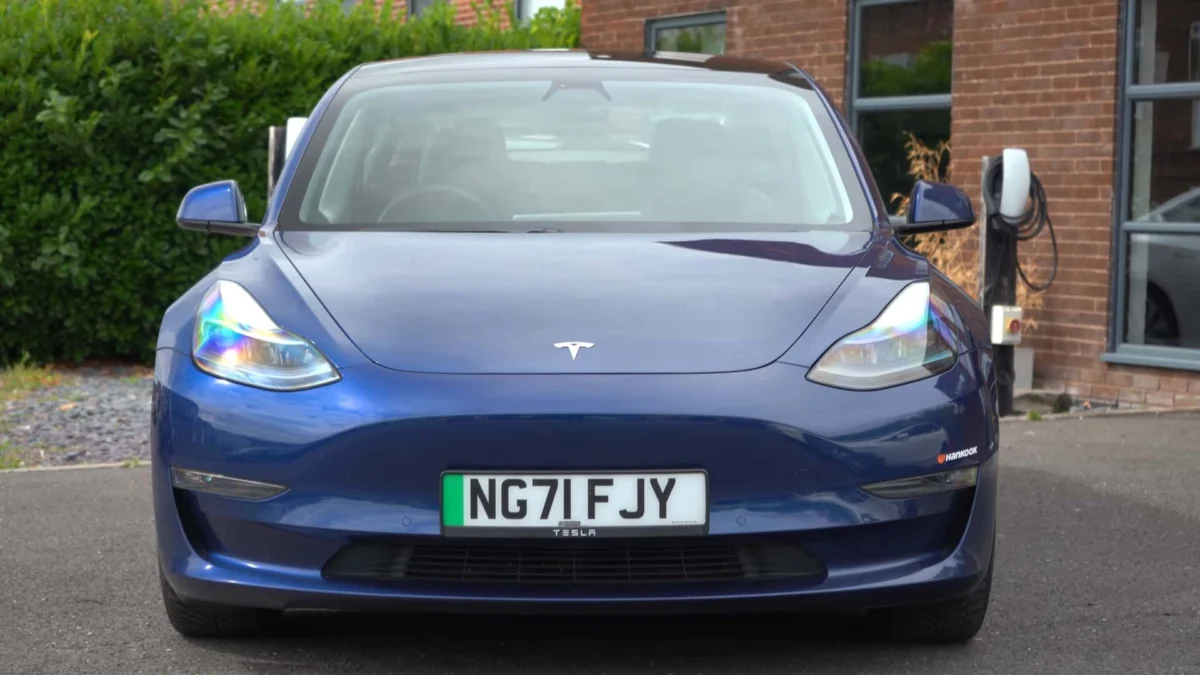
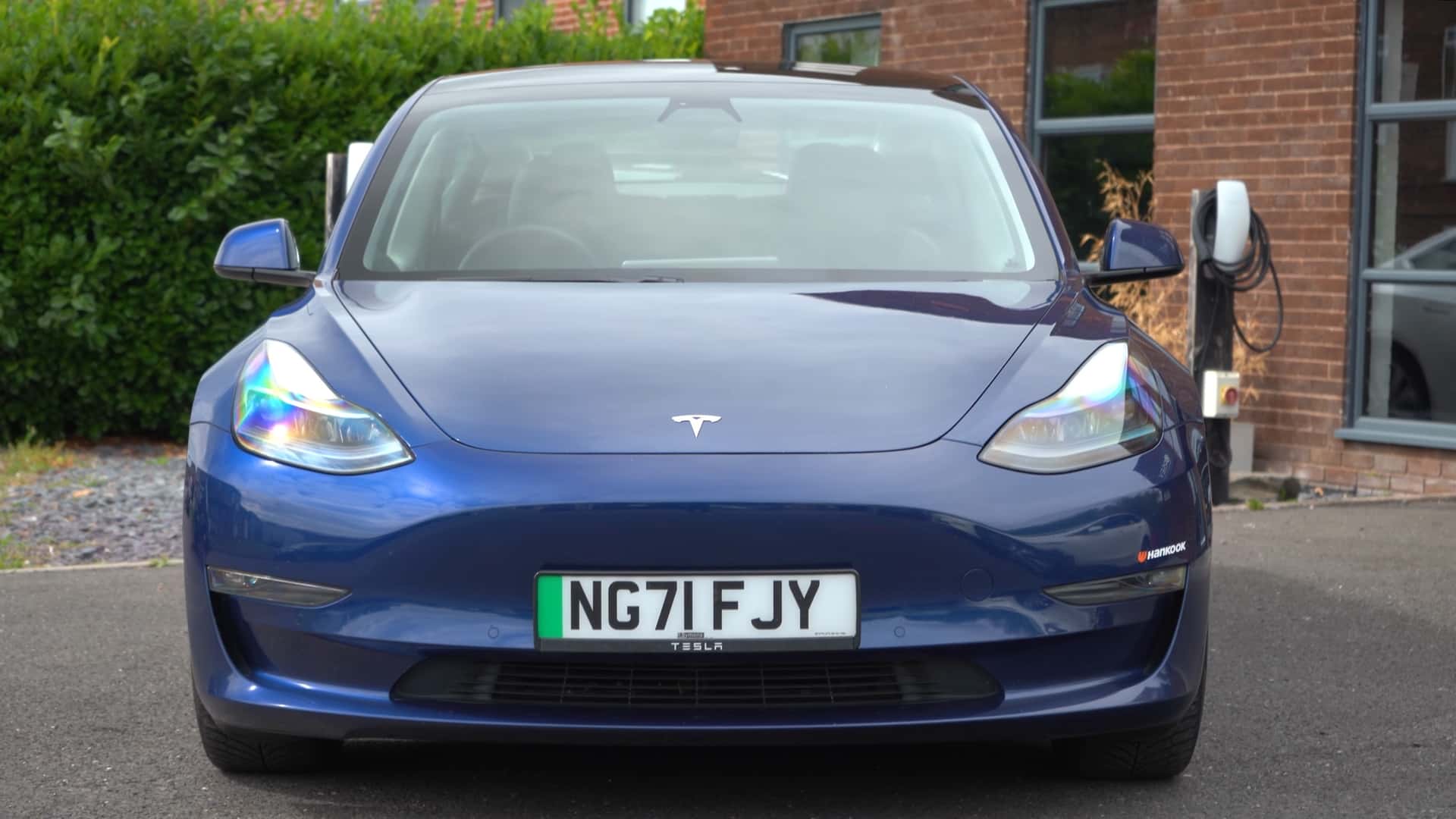
To quantify the performance of a high-mileage EV, Richard Symons, proprietor of the United Kingdom’s largest dedicated used Tesla showroom, conducted an extensive practical evaluation of a 2021 Tesla Model 3 Long Range. This specific vehicle had previously served as a professional taxi, an application known for subjecting automobiles to intense, daily stop-and-go cycles and rapid, frequent charging. By the time the vehicle reached the 250,000-mile mark, it provided a rare opportunity to assess how modern lithium-ion battery architectures and electric drivetrain components withstand extreme, accelerated usage.
The findings from this 250,000-mile milestone challenge the assumption that EVs reach a "terminal" state of degradation after only a few years of high-intensity use. Despite the substantial odometer reading, the vehicle retained approximately 84% of its original battery capacity. In real-world driving conditions, the sedan is still capable of achieving an estimated 284 miles on a full charge, a figure that remains highly competitive with many new, entry-level EVs currently entering the market.
Mechanical Simplicity vs. Complexity
The primary engineering advantage of an electric powertrain lies in its fundamental simplicity. Unlike an internal combustion engine, which comprises hundreds of moving parts—including pistons, valves, fuel injectors, and complex transmission systems—a battery-electric powertrain is significantly more streamlined. This reduction in moving parts naturally leads to fewer points of failure.
In the case of the high-mileage Tesla Model 3, the powertrain—consisting of the battery pack and the electric drive motors—remained entirely original. The only mechanical intervention necessitated by wear and tear was the replacement of secondary components. The vehicle required six sets of tires, multiple sets of wiper blades, and various suspension bushings, all of which are considered standard "consumable" parts in any automotive context. The only notable component failure reported was the external pedestrian warning speaker, a minor peripheral issue that did not impact the vehicle’s primary functionality or range.
The Myth of Rapid Battery Failure
Historical data and industry research provide context to this anecdotal evidence. According to recent technical reports, the failure rate for modern EV battery packs manufactured after 2022 has dropped to approximately 0.3%. This suggests that the battery, once the most feared component of the electric vehicle, has become one of its most reliable.
Battery health is influenced by thermal management and charging habits. While high-mileage vehicles are often subjected to frequent DC fast-charging, modern Battery Management Systems (BMS) are sophisticated enough to protect the chemistry from extreme degradation. In the observed Model 3, the charging performance remained consistent; an 11-minute session at a Supercharger station increased the state of charge by 30%, adding roughly 85 miles of range. This performance level indicates that the battery’s internal resistance and heat dissipation capabilities remain within factory specifications, despite the vehicle having traveled the equivalent of the distance to the moon.
Economic and Environmental Implications
The transition to electric mobility carries significant economic implications for high-mileage users, such as taxi drivers, ride-share operators, and fleet managers. The operational savings are derived from two primary sources: energy efficiency and reduced maintenance requirements.
During the period of ownership analyzed, the Model 3 achieved an average of 4.15 miles per kilowatt-hour (kWh). When combined with off-peak charging or renewable energy sources, such as home solar installations, the per-mile cost of operation is significantly lower than that of a gasoline-powered equivalent. Furthermore, the regenerative braking system on the Tesla, which uses the electric motor to decelerate the vehicle while recouping energy, drastically reduces the wear on traditional friction brakes. The vehicle in question still utilizes its original brake rotors and pads, a testament to the longevity afforded by electric deceleration technology.
Industry Perspectives on Long-Term Reliability
The automotive industry is observing a paradigm shift. Major manufacturers are now extending warranties on battery packs to eight years or 100,000 to 150,000 miles, signaling increased confidence in the durability of these components. However, the data provided by high-mileage "outliers" suggests that these warranties may be conservative estimates.
There are growing numbers of cases where individual owners have exceeded 200,000 miles without significant performance degradation. For instance, reports from owners of 2015-era Model S vehicles with over 160,000 miles show that these older platforms—which lacked the advanced battery chemistry of current models—are still capable of providing daily, reliable transportation. This suggests that the "second life" of an EV, where the battery is repurposed for stationary energy storage after its automotive usefulness is finished, might be delayed by many years, further enhancing the circular economic value of the technology.
Addressing the "Squeak and Rattle" Factor
A common critique of high-mileage vehicles is the inevitable degradation of cabin materials and interior build quality. However, the 250,000-mile Model 3 evaluation noted a lack of interior noise, such as squeaks or rattles, which are often associated with high-mileage internal combustion vehicles. The lack of engine vibration in an EV is a significant factor in this regard; without the constant, high-frequency vibrations produced by a combustion engine, the structural fasteners and interior trim panels of an electric car undergo less stress over time.
This durability extends to the performance of the vehicle’s software and digital infrastructure. While the mechanical components remained robust, the vehicle also retained its dynamic handling characteristics, still capable of reaching 60 mph in 3.8 seconds. This consistent performance indicates that the power electronics and inverters have not suffered from significant thermal fatigue.
Future Outlook and Consumer Confidence
As the secondary market for electric vehicles grows, the availability of data regarding long-term reliability will be critical for consumer confidence. Prospective buyers of used EVs are often hesitant due to the perceived risk of a "hidden" battery replacement cost. However, as more high-mileage case studies enter the public sphere, the stigma surrounding used battery-electric vehicles is likely to dissipate.
The evidence suggests that the industry has moved past the experimental phase. The current generation of battery technology is demonstrating a lifespan that rivals, and in some areas exceeds, the mechanical longevity of traditional powertrains. For the average consumer who drives approximately 12,000 to 15,000 miles per year, a vehicle that can endure 250,000 miles with minimal maintenance represents a significant long-term investment.
Final Assessment
The success of high-mileage electric vehicles, exemplified by the 2021 Model 3, highlights a maturing technology that is increasingly capable of meeting the demands of high-use scenarios. By eliminating the necessity for frequent oil changes, complex transmission repairs, and exhaust system maintenance, electric vehicles offer a cleaner, more efficient, and ultimately more durable alternative to the traditional automobile.
While individual results may vary based on driving habits, climate, and charging patterns, the consensus among industry observers is that the "EV reliability gap" is closing. As manufacturers continue to refine battery chemistries—such as the adoption of Lithium Iron Phosphate (LFP) cells—the lifespan of these vehicles is expected to increase even further. The narrative is no longer about whether an electric car can last, but rather how much more cost-effective it becomes over the long haul.
In conclusion, the data derived from high-mileage testing serves as a cornerstone for the broader adoption of electric vehicles. As the secondary market matures, the transition toward a fully electrified fleet appears increasingly inevitable, backed by a growing body of evidence that proves these machines are built to endure the rigors of the road for the long term. Consumers, fleet operators, and policymakers can view these developments as a definitive marker that the electric transition is sustainable, reliable, and economically sound.