The history of Aston Martin is a narrative of resilience, characterized by radical technological pivots, financial volatility, and the consistent pursuit of automotive perfection. For over a century, the Gaydon-based manufacturer has navigated the precarious intersection of artisanal craftsmanship and high-performance engineering. While the company has frequently flirted with insolvency, its output remains defined by a lineage of grand tourers and sports cars that have set the industry standard for aesthetic elegance and mechanical ambition. Today, as the marque diversifies into luxury SUVs and high-downforce hypercars, it remains essential to analyze the ten models that have anchored its reputation and solidified its status as a pillar of British engineering.
A Chronological Evolution of Excellence
The trajectory of Aston Martin can be categorized into distinct eras: the David Brown glory days, the turbulent but creatively fertile late-20th-century period, and the modern era of platform-driven technical sophistication.
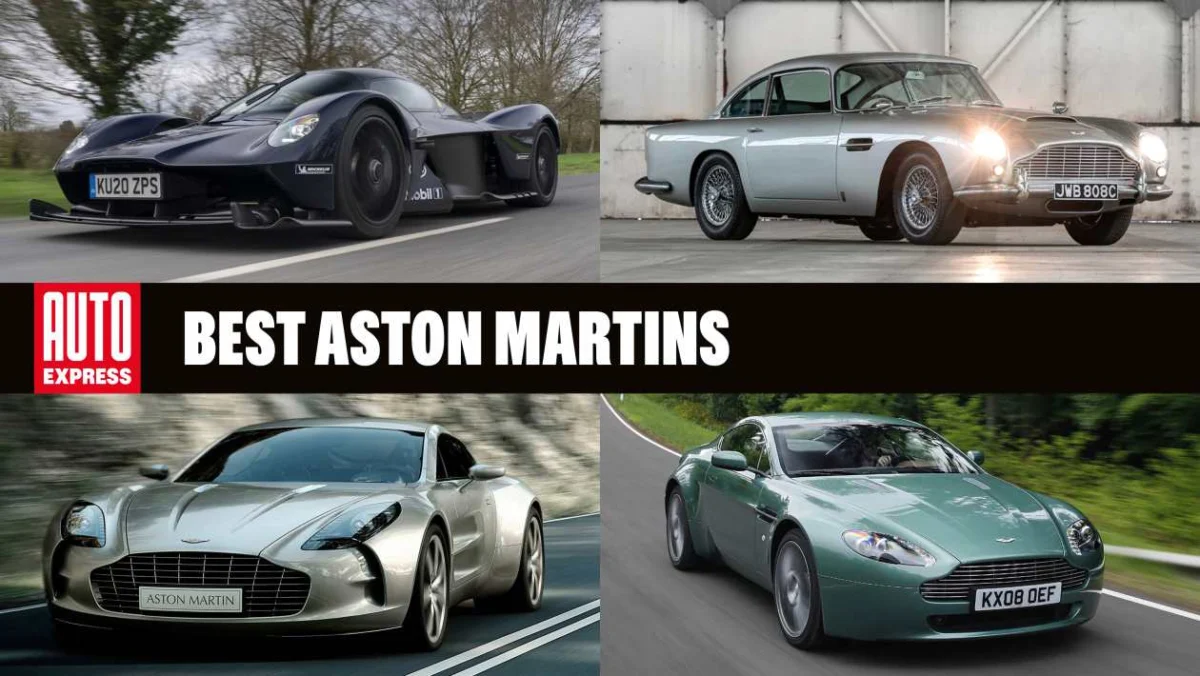
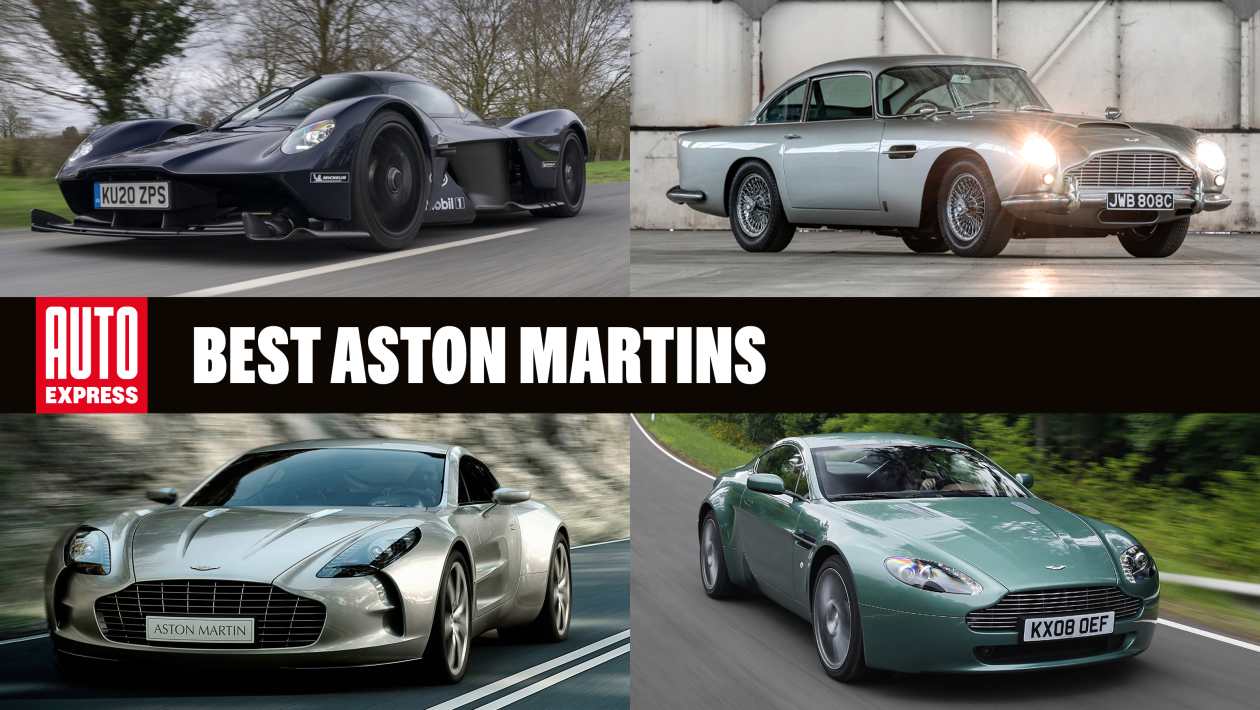
The foundation of the modern brand identity rests heavily on the Aston Martin DB5, introduced in 1963. While its cultural cachet is inseparable from the James Bond film franchise, its engineering legacy is equally significant. Serving as a marked evolution from the DB4, the DB5 featured a 4.0-litre engine producing 282bhp, paired with a five-speed ZF gearbox. It was a bridge between the coachbuilt cars of the 1950s and the performance-oriented machines that followed. By the time the V8 Zagato arrived in 1986, the brand had shifted toward limited-run, bespoke performance. With only 89 units produced, the Zagato—boasting 432bhp and a 186mph top speed—demonstrated that Aston Martin could compete with the mid-engined Italian elite in terms of raw acceleration and aerodynamic agility.
The 1990s represented a period of radical modernization. The 1992 Vantage, powered by a 550bhp twin-supercharged V8, prioritized brute force, while the 1994 DB7 signaled a pivot toward accessibility and mass appeal. The DB7, designed by Ian Callum, utilized a supercharged inline-six and later a V12, successfully stabilizing the company’s financial outlook through high-volume production. This set the stage for the 2001 Vanquish, which served as the inaugural vehicle of the "VH" (Vertical/Horizontal) platform architecture—a modular chassis system that would define the next fifteen years of Aston Martin production.
Technical Milestones and Performance Metrics
The shift toward the "VH" platform marked a transition from craftsmanship-heavy manufacturing to industrialized engineering precision. The 2005 V8 Vantage stands as the most successful application of this period. By opting for a lighter, stiffer, and more compact platform than its GT predecessors, Aston Martin created a direct rival to the Porsche 911. Its 4.3-litre V8 engine offered a distinct sonic signature and a level of handling balance previously unseen in the brand’s history.
The brand’s move into the hypercar segment began with the 2009 One-77. This vehicle, priced at £1.2 million, utilized a bespoke carbon-fibre monocoque and a 7.3-litre Cosworth-developed V12, producing 750bhp. It was not merely a performance exercise; it was a demonstration of the company’s ability to compete with the likes of Pagani and Bugatti. This technical progression culminated in the 2021 Valkyrie, a project developed in collaboration with Red Bull Advanced Technologies. The Valkyrie functions as an authentic track-derived machine for the road, utilizing an 11,100rpm V12 engine and ground-effect aerodynamics that push the limits of legal road-car design.
Contemporary Strategy and Market Positioning
In the current decade, Aston Martin has focused on refining the "Super GT" concept. The 2023 DB12 signifies the brand’s current philosophy: marrying high-output AMG-sourced twin-turbo V8 engines with an interior experience that prioritizes luxury, digital connectivity, and long-distance comfort. The subsequent release of the DB12 S further refined this, focusing on chassis composure and steering precision to maintain its competitive edge in a segment dominated by aggressive rivals.
The 2025 Valhalla represents the brand’s most significant leap into the mid-engined supercar market. By integrating a hybrid-assisted AMG V8 powertrain with all-wheel-drive, the Valhalla provides a modern solution to the demands for high-horsepower, low-emission performance. While the car presents challenges—most notably the lack of luggage capacity—it serves as the brand’s technological flagship, balancing the heritage of the V8 engine with the future of hybrid electrification.
Analysis of Financial and Structural Impact
The persistence of these models has had a profound impact on the brand’s financial health. Historically, the brand’s reliance on specialized engineering meant that development costs were often disproportionate to sales volumes. However, the move toward strategic partnerships—most notably with Mercedes-Benz—has provided the necessary scale to sustain research and development.
Industry analysts often point to the "Vanquish era" as the turning point where Aston Martin ceased to be a boutique manufacturer and began functioning as a global luxury automotive group. This transformation, however, has not been without criticism. Purists often debate whether the integration of shared components (such as switchgear or infotainment systems) dilutes the brand’s unique identity. Yet, from a fiscal perspective, this standardization has been the catalyst for the brand’s ability to survive the global economic headwinds of the early 21st century.
Future Implications and Conclusion
The current product lineup suggests that Aston Martin is moving toward a bifurcated strategy. On one side, the brand continues to develop track-focused, low-volume hypercars like the Valkyrie, which serve as halo products to maintain prestige. On the other, it is doubling down on high-performance GTs and SUVs, such as the DBX, to generate the cash flow necessary for these engineering endeavors.
The evolution from the DB5 to the Valhalla encapsulates the brand’s overarching mission: to produce vehicles that are as much works of art as they are machines of utility. While the brand has faced significant corporate instability, the underlying value proposition—the combination of timeless design and engaging mechanical performance—has remained remarkably consistent. As the automotive industry moves toward full electrification, Aston Martin’s success will depend on its ability to preserve the emotional connection associated with its internal-combustion heritage while mastering the complexities of hybrid and battery-electric drivetrains.
The legacy of the brand is not merely a collection of historical statistics or auction prices; it is the cumulative result of a relentless pursuit of a specific aesthetic and performance ideal. Whether one considers the raw, analog experience of the 1992 Vantage or the hyper-advanced aerodynamics of the 2021 Valkyrie, the core DNA of the brand remains intact: an unwavering commitment to the "Grand Tourer" philosophy, refined for the requirements of the modern era. As the company looks toward its next chapter, the models detailed here serve as the blueprint for what defines a true, legendary Aston Martin.