Asia Gold India Demand Lags Prices Rise Wedding Buying Cools
Gold prices in India, the world’s second-largest consumer of the precious metal, have seen a notable surge in recent months, directly impacting domestic demand. This price appreciation, driven by a confluence of global economic uncertainties and a strengthening US dollar, has dampened consumer enthusiasm, particularly during the crucial wedding season, a traditional period of peak gold purchasing. While the underlying sentiment for gold as a safe-haven asset and a store of value remains robust, the immediate effect of elevated prices is a noticeable cooling in buying activity, forcing jewelers and traders to recalibrate their strategies. The intricate interplay between rising international gold rates, currency fluctuations, and localized consumer behavior is creating a complex market dynamic that warrants close examination.
The surge in gold prices is not an isolated Indian phenomenon but is intrinsically linked to global market forces. The US dollar’s strengthening trajectory, driven by aggressive interest rate hikes by the Federal Reserve and concerns about a potential global recession, has historically been a bearish signal for gold. As the dollar appreciates, gold, typically priced in dollars, becomes more expensive for holders of other currencies, thereby reducing its appeal and consequently its demand. Furthermore, persistent inflation across major economies, coupled with geopolitical tensions such as the ongoing conflict in Ukraine, has amplified the demand for gold as a traditional safe-haven asset. Investors, seeking refuge from market volatility and currency devaluation, have gravitated towards gold, pushing its international prices to multi-month highs. This global price pressure directly translates to higher import costs for India, which relies heavily on overseas supplies to meet its domestic demand. The rupee’s depreciation against the dollar further exacerbates this situation, making imported gold even pricier for Indian consumers.
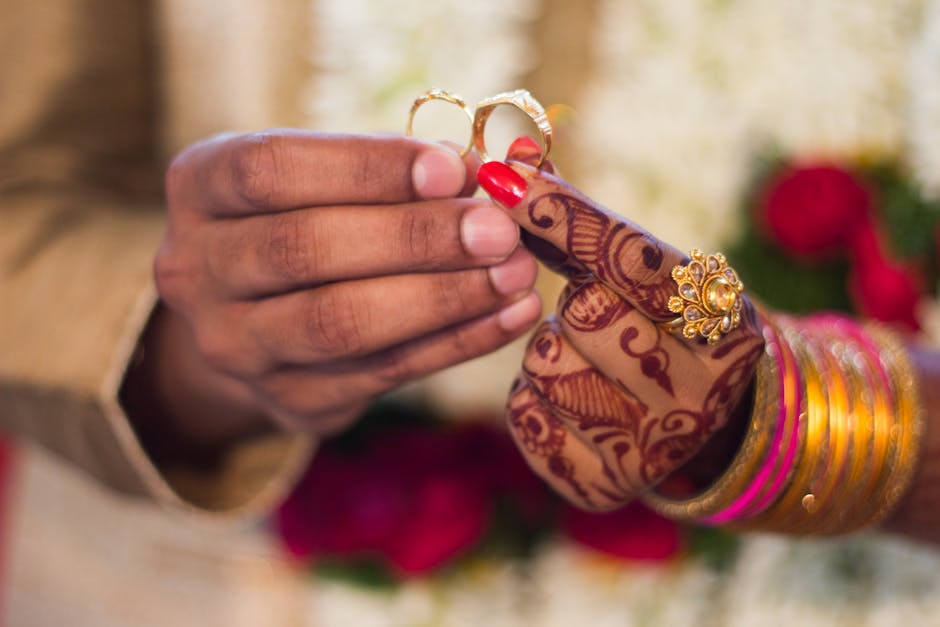
The impact of these rising prices on Indian consumer sentiment is pronounced. Historically, the wedding season, spanning from October to March, represents a significant portion of annual gold demand in India. Gold jewelry holds immense cultural and social significance, serving as a vital component of dowries, gifts, and investments for newlyweds. However, this year, the elevated gold prices have put a considerable strain on household budgets, forcing many families to either postpone their purchases, opt for lighter-weight jewelry, or explore alternative gifting options. The sentiment among jewelers is one of cautious optimism mixed with concern. While they acknowledge the inherent long-term value of gold and the enduring cultural importance of gold during weddings, the immediate affordability challenge is undeniable. Many retailers are reporting a slowdown in footfall and a dip in the average ticket size, reflecting consumers’ increased price sensitivity. The desire to buy gold for auspicious occasions remains, but the economic reality of higher prices is forcing a pragmatic reevaluation of purchasing decisions.
Several factors are contributing to the current price surge. On the demand side, central banks globally have been net buyers of gold, adding to their reserves as a hedge against inflation and geopolitical risks. This sustained institutional buying provides a strong underlying support for gold prices. Concurrently, on the supply side, mining output has faced disruptions due to logistical challenges and environmental concerns in some key producing regions. While the overall supply-demand balance might not be acutely tight, the combination of robust institutional demand and the perception of gold as a reliable asset in uncertain times is creating upward price momentum. This global price momentum, amplified by currency headwinds, directly impacts the landed cost of gold in India.
The Indian government’s gold policies also play a role in shaping the domestic market. Import duties, taxes, and the Goods and Services Tax (GST) levied on gold add to the final retail price. Any changes or adjustments to these fiscal measures can have a significant impact on consumer affordability. While the government has previously implemented measures like the Gold Monetization Scheme and Sovereign Gold Bonds to encourage the import of gold and reduce physical gold imports, their effectiveness in counteracting price-driven demand dips is a subject of ongoing debate. The current scenario highlights how external price pressures can overshadow the potential benefits of such schemes when affordability becomes the primary constraint for consumers.
Jewelers in India are adapting to the challenging market conditions. Many are focusing on promoting lighter-weight jewelry, design innovation to offer perceived value at lower price points, and exploring attractive financing schemes and discounts to lure price-sensitive buyers. The emphasis is shifting from bulk purchases to more considered acquisitions. There’s also a renewed focus on customer engagement and education about gold’s intrinsic value and its role as a long-term investment. Some jewelers are also diversifying their product offerings to include a wider range of price points, catering to different segments of the consumer base. The underlying belief is that the demand for gold, while subdued in the short term due to price, will eventually rebound as economic conditions stabilize and consumer confidence returns.
The import data for gold in India provides a tangible reflection of the current demand slowdown. Reports indicate a significant decline in gold imports in recent months compared to the same periods in previous years. This reduction in imports directly correlates with the reduced consumer demand on the ground. Lower import volumes imply that jewelers and traders are bringing in less gold to meet anticipated sales, a clear indication of a more cautious market. This trend, if it persists, could eventually lead to a recalibration of supply chains and inventory levels within the Indian gold market.
The outlook for Indian gold demand remains nuanced. While the immediate future is likely to be characterized by price sensitivity and a subdued wedding buying season, the long-term prospects for gold in India are still considered positive. The cultural significance of gold, its role as a hedge against inflation, and the increasing disposable incomes of a growing middle class are fundamental drivers of demand that are unlikely to disappear. However, the current price juncture presents a significant hurdle that needs to be overcome. A moderation in international gold prices, coupled with a stabilization of the Indian rupee, would be crucial for a meaningful recovery in domestic demand.
Geopolitical risks and the global economic outlook will continue to be key determinants of gold prices. Any escalation of existing conflicts or the emergence of new global economic threats could further bolster gold’s safe-haven appeal, potentially leading to even higher prices. Conversely, a significant improvement in global economic conditions and a decline in inflation might reduce the appeal of gold as a safe haven, leading to price moderation. For India, the interplay of these global factors with domestic economic conditions and currency movements will dictate the pace of recovery in gold demand. The wedding buying season, a traditional powerhouse of demand, has been significantly impacted, and the ability of the market to recover will depend on these broader economic and financial forces. The current environment is a clear testament to the fact that while gold’s allure is enduring, its accessibility to the average Indian consumer is heavily influenced by the prevailing price levels and the overall economic sentiment.
