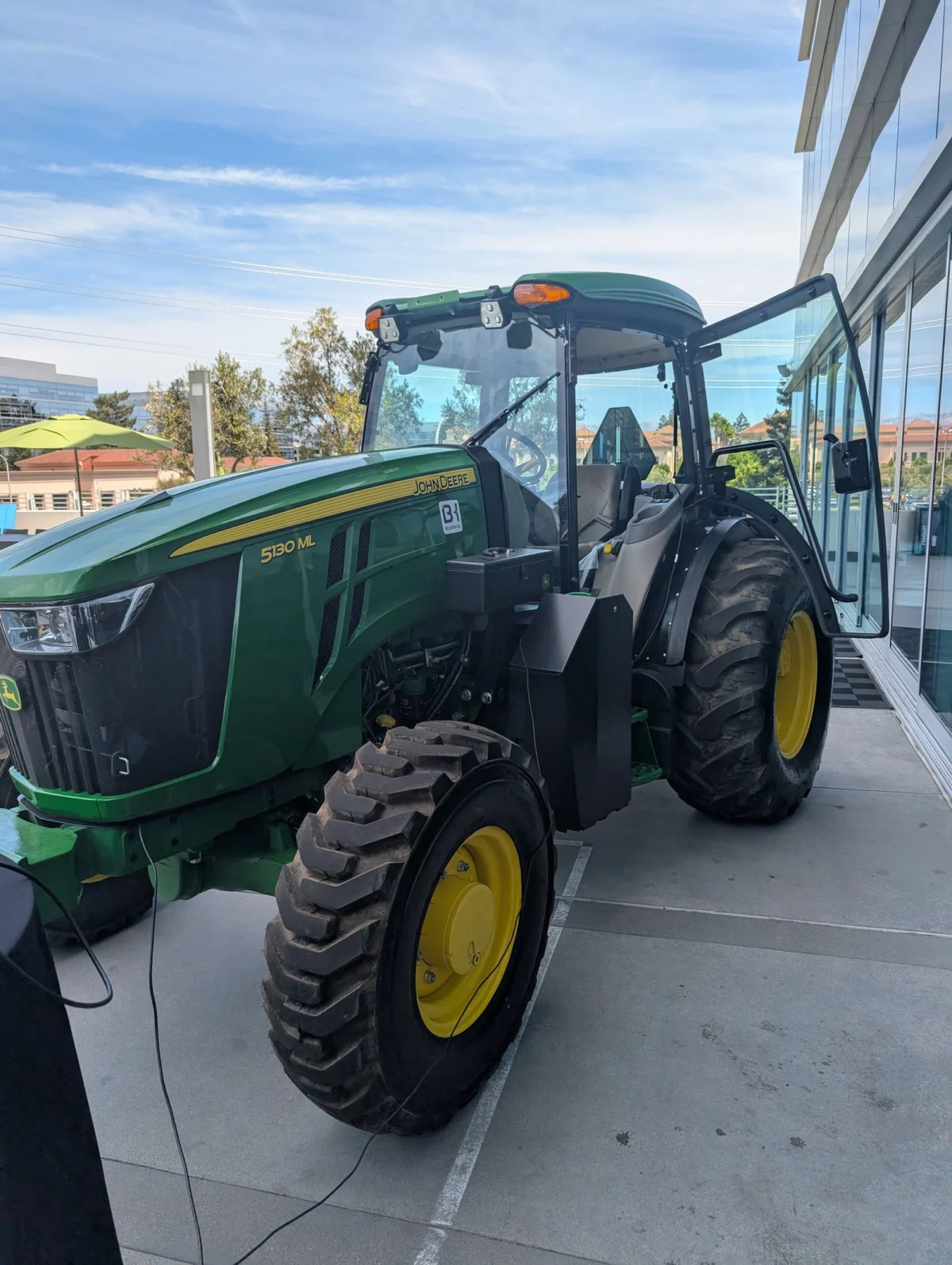
The modern agricultural landscape is undergoing a profound transformation as John Deere, the titan of American farm machinery, attempts to navigate the intersection of proprietary technology and the burgeoning right-to-repair movement. At the company’s corporate facility in Santa Clara, California, the demonstration of their "Operations Center Pro Service" software offers a window into a future where farmers are ostensibly empowered to perform their own diagnostics. However, for a community that has spent the better part of a decade embroiled in legal battles over digital ownership, the efficacy and transparency of these tools remain subjects of intense debate.
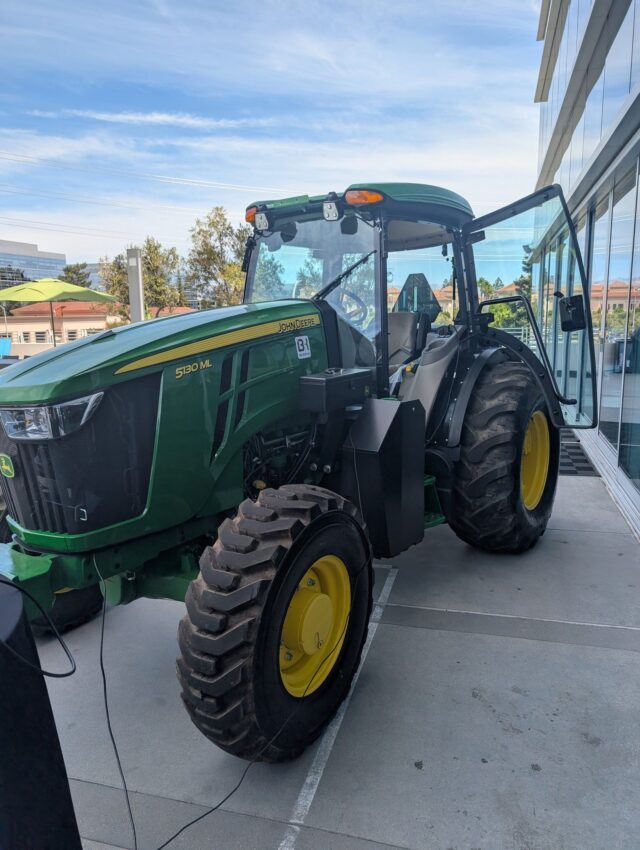
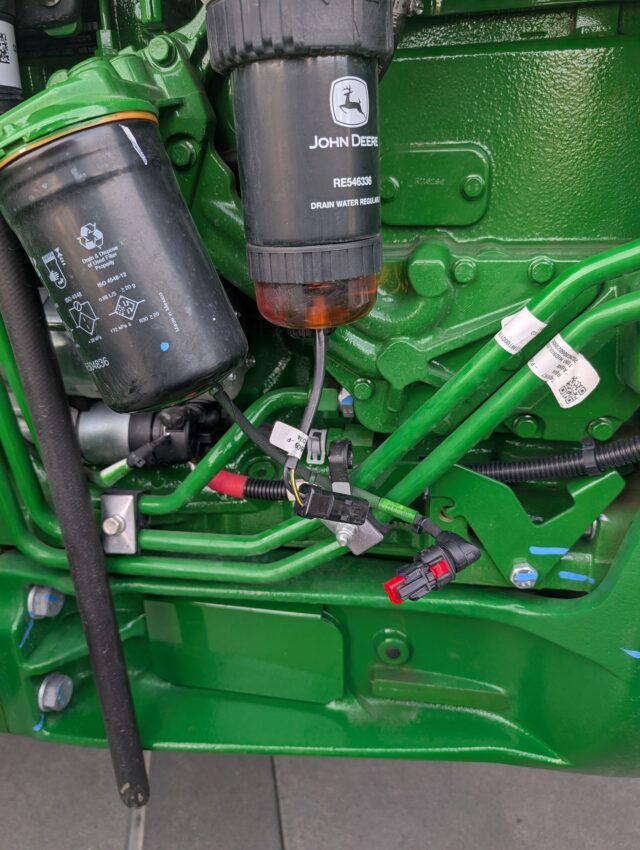
The demonstration involved a straightforward repair: a disconnected water-in-fuel (WiF) sensor on a 5130ML tractor. By connecting a laptop to the machine and utilizing the company’s proprietary diagnostic suite, the repair was completed within minutes. The software, which matches instructions to specific serial numbers, effectively bridges the gap between mechanical failure and resolution. Yet, this controlled environment serves only as the entry point into a far more complex narrative involving millions of dollars in litigation, the evolving nature of precision agriculture, and a deep-seated trust deficit between the manufacturer and the end-users who feed the nation.
A Chronology of Contention
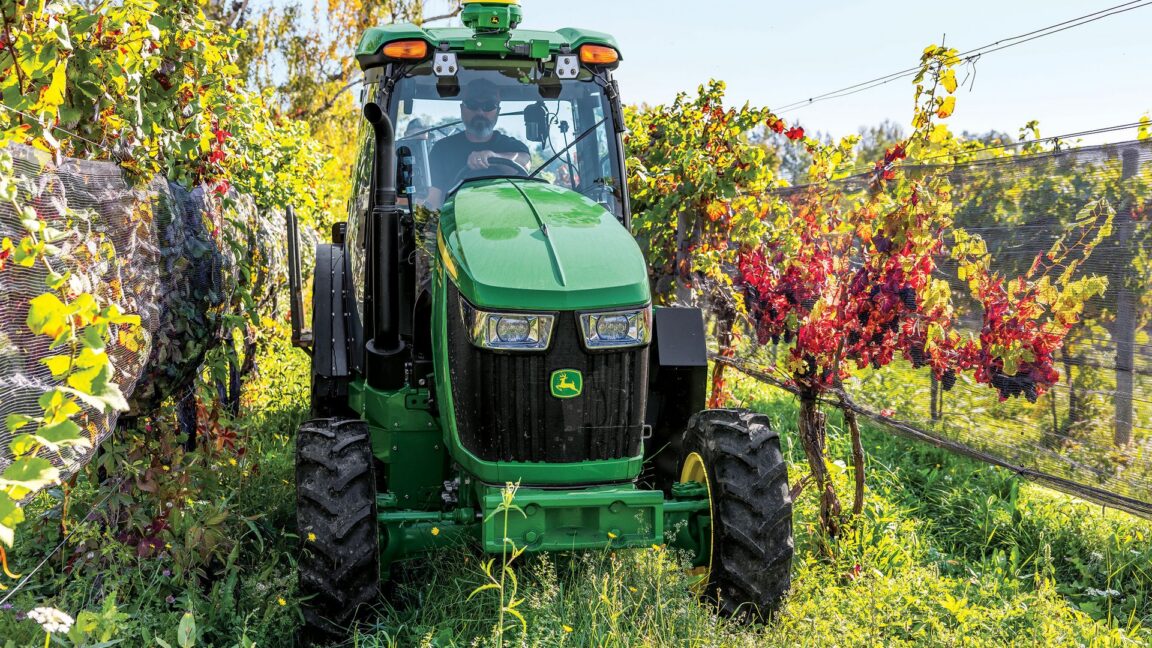
The friction between John Deere and the agricultural community did not emerge overnight. It is the result of years of technological escalation. Since the early 2010s, tractors have evolved from purely mechanical beasts into mobile data centers. Today’s machines are equipped with advanced telematics, GPS-guided autonomous navigation systems, and upwards of 50 distinct electronic controllers.
The turning point for many farmers came when the software embedded in these machines began to act as a gatekeeper. By implementing "digital locks," John Deere effectively restricted the ability of third-party technicians or owners themselves to perform anything beyond the most basic maintenance. If an engine stalled, the machine’s software would often require an official, dealer-sanctioned digital handshake to clear fault codes or recalibrate components.
This led to a series of federal and civil actions. In 2023, the industry saw a significant pivot when John Deere agreed to a $99 million settlement to address claims that the company had monopolized the repair market, forcing farmers to rely on expensive dealership services. This was followed by a July 2025 settlement with the U.S. Federal Trade Commission (FTC), which mandated greater access to repair information. While John Deere maintains that these settlements are not an admission of wrongdoing, the legal pressure has undeniably forced the company to accelerate the public rollout of its self-repair software.
The Economics of the Pro Service Ecosystem
John Deere’s "Operations Center Pro Service" is designed to be the definitive digital tool for equipment management. Introduced in 2025, the platform represents a shift toward a "software-as-a-service" model in the agricultural sector.
The pricing structure is tiered to accommodate different sizes of operations:
- Individual Machine Access: $195 per machine, per year.
- Fleet-wide Access (Independent Shops): Starting at $4,995 per year.
- Agricultural and Turf Service Packages: $5,995 per year.
For the company, this service is presented as an "owner-friendly" solution that consolidates manuals, diagnostics, and parts procurement into a single interface. The recent integration of an AI-powered chatbot, intended to help users navigate complex diagnostic trees, is the latest effort to lower the barrier to entry for non-technicians. According to Kelli Sullivan, a group product manager at John Deere, the system is designed to provide full data sovereignty to the owner, allowing them to choose whether to share diagnostic information with the company or third-party service providers.
The Gap Between Demonstration and Reality
Despite the polished nature of the Santa Clara demonstration, market adoption remains a significant hurdle. One year into the program, John Deere reports approximately 1,000 daily active users. Given that there are approximately 1.8 million farms in the United States, this adoption rate suggests that the majority of the market is either unaware of the tool or uninterested in the paid subscription model.
Jared Wilson, a Missouri-based farmer who manages 3,000 acres of corn and soybeans and serves as a named plaintiff in the class-action litigation against the company, remains skeptical. Wilson argues that the software works well for "trivial" repairs—such as the WiF sensor example—but fails when confronted with the realities of multi-layered mechanical failures.
"If you have three or four different diagnostic codes appearing at once, where do you start in the tree to figure out what is wrong?" Wilson asks. He notes that many in the farming community continue to favor "cracked" or unauthorized versions of diagnostic software found on the gray market, as these tools often provide deeper, more unfiltered access to the machine’s internal systems than the official, sanitized version offered by the manufacturer.
Structural Concerns and Data Parity
A central concern for repair advocates is the concept of "parity." There is a widespread belief among farmers that the software tools provided to authorized dealership technicians are superior to the tools made available to the average owner. Jahmy Hindman, John Deere’s chief technology officer, insists that the software versions are identical. However, the lack of transparency in how John Deere handles "Product Improvement Plans" (PIPs)—internal bulletins that address known defects—remains a sticking point.
When a new, novel mechanical issue arises, the information often remains internal to John Deere until the company verifies it and pushes an update to the Pro Service platform. In the interim, a farmer with a broken machine has no access to the diagnostic data that the manufacturer already possesses. This latency, critics argue, is a feature of the current model that prioritizes controlled information flow over genuine self-reliance.
The Vanguard of a Broader Movement
The debate surrounding John Deere is more than a dispute over tractor maintenance; it is a test case for the broader right-to-repair movement that affects everything from smartphones to medical ventilators. Agricultural equipment is uniquely durable, with machines expected to remain in operation for decades. When the lifespan of a product is artificially shortened by software obsolescence or restrictive repair policies, the environmental and economic impacts are substantial.
Willie Cade, a board member of Repair.org, views the situation through the lens of corporate strategy. "They are acting as monopolists," Cade asserts. "Their real customer is not the farmer; their real customer is Wall Street."

From an analytical perspective, John Deere faces a delicate balancing act. On one hand, the company must protect its intellectual property and the safety of its highly automated, autonomous-ready machinery. On the other, it faces an increasingly mobilized customer base that views the restriction of repair as an existential threat to the family farm.
Looking Toward the Future
As the legal settlements from 2025 move toward finality, the industry is watching closely to see if these tools will actually result in lower costs and increased uptime for farmers. John Deere’s leadership maintains that they are "moving the needle" toward a more collaborative relationship with their customers.
"We have the best intentions of making sure we have the ability to give customers the tools they need," Hindman says. Whether those intentions align with the practical needs of a farmer in the middle of a harvest season remains the core question. For now, the divide between the high-tech, subscription-based vision of the manufacturer and the rugged, DIY-oriented reality of the agricultural sector continues to define the battle for control over the machines that produce the world’s food. As the case of the 5130ML tractor demonstrates, the ability to connect a wire is only a small part of the solution when the software that governs the machine remains under lock and key.