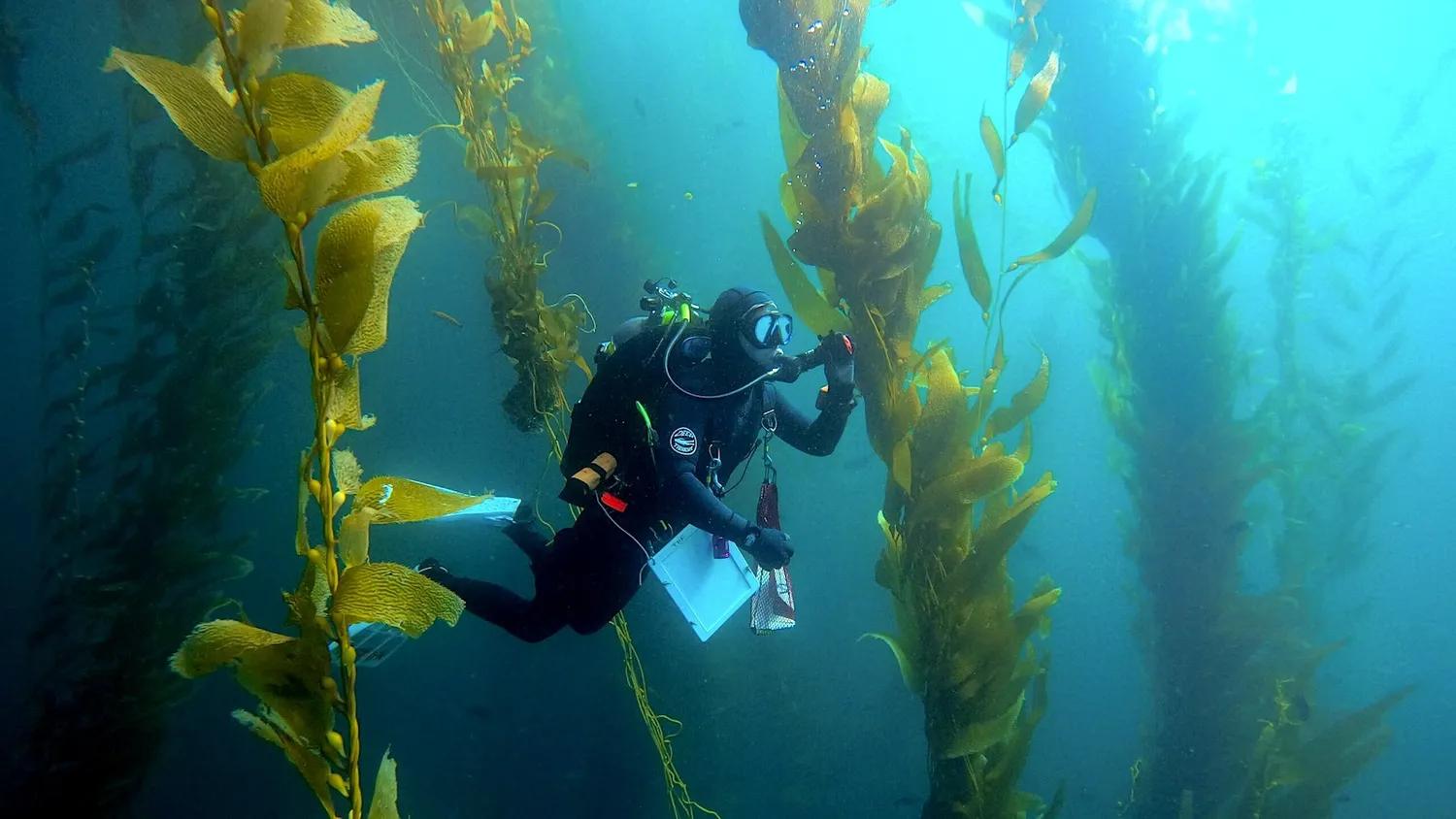
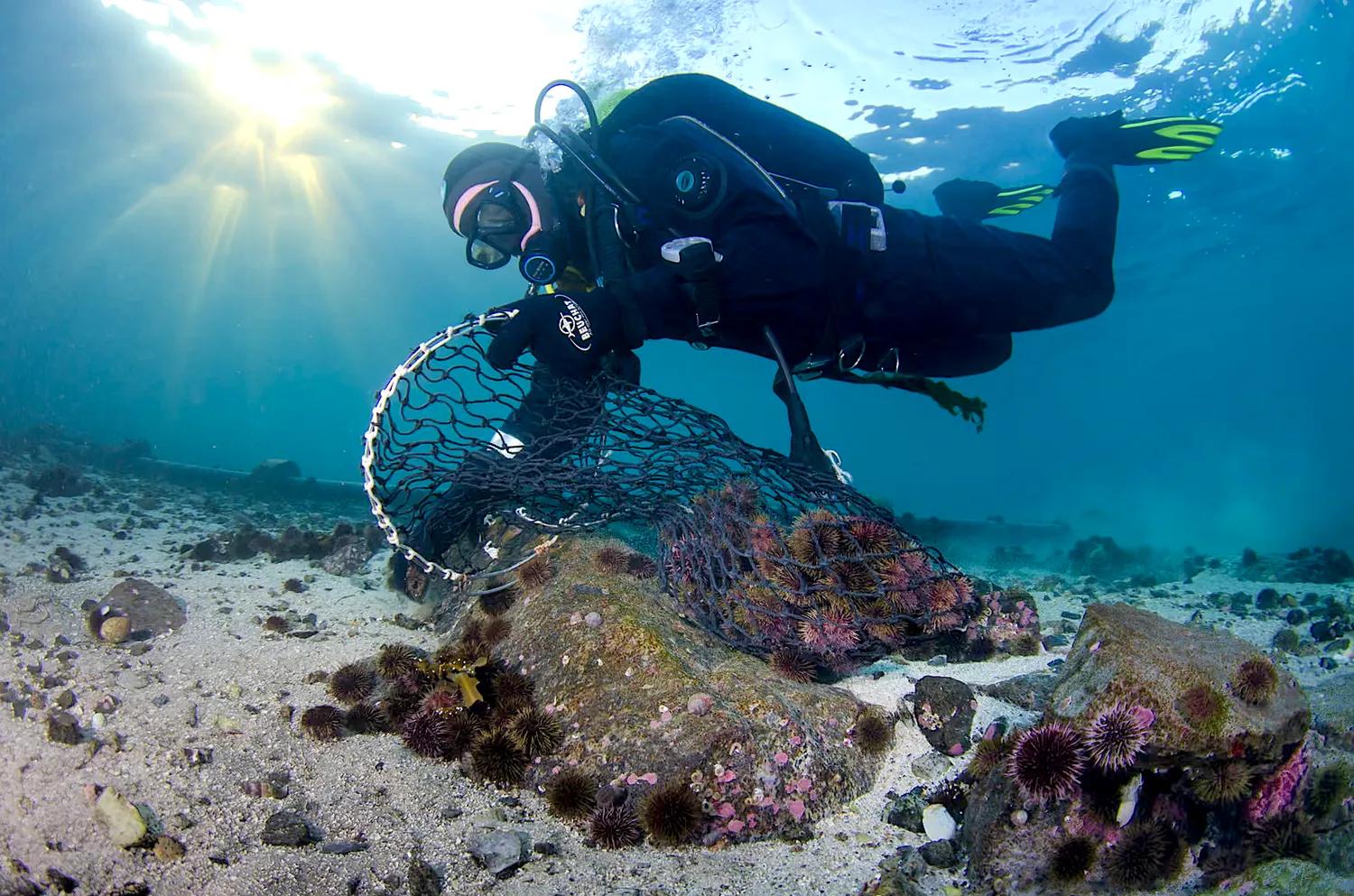
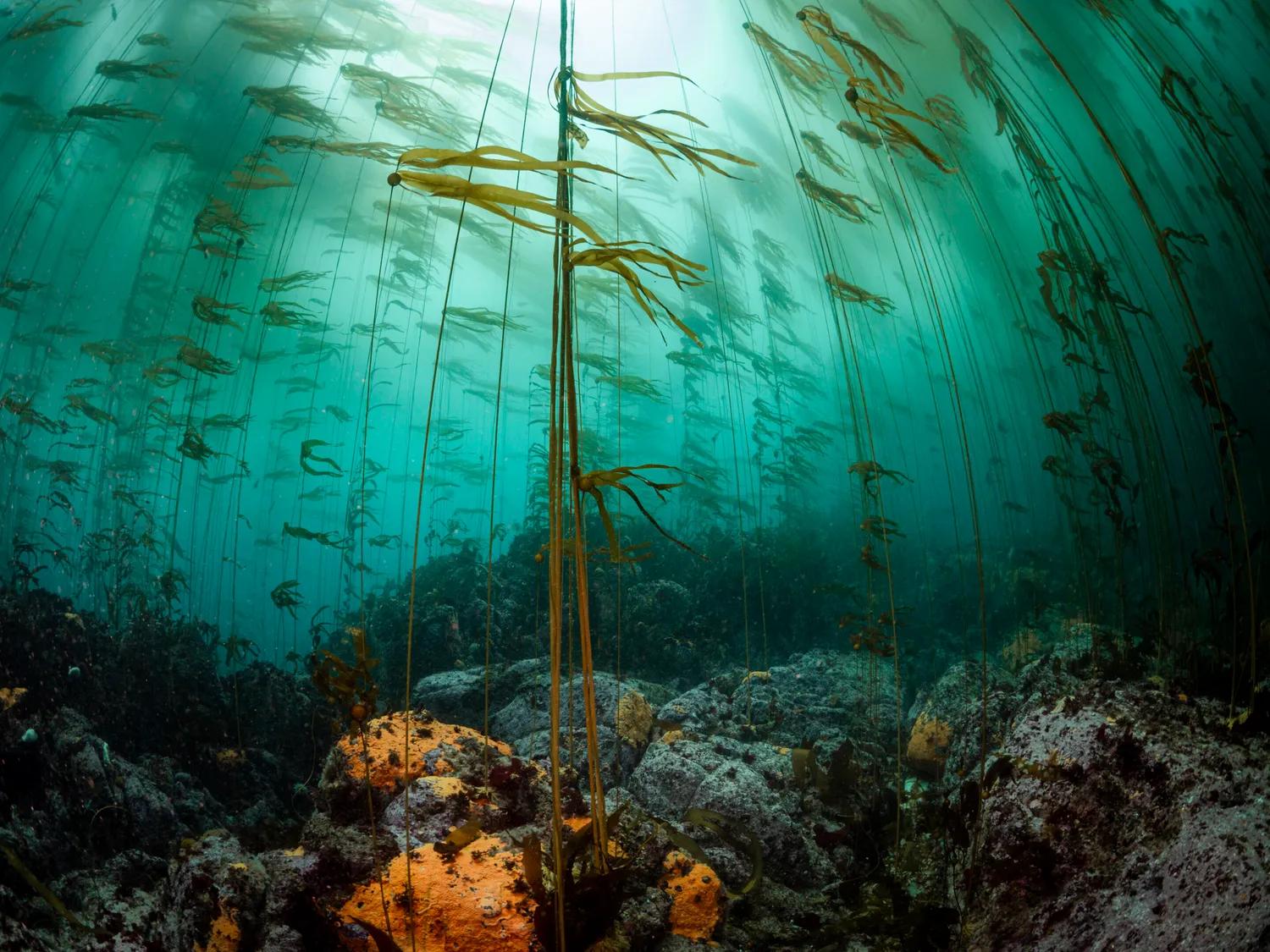
In the emerald and amber depths off the coast of British Columbia, a quiet but urgent battle for the future of the ocean is unfolding. Divers from the Haida Nation descend into the swaying canopies of kelp forests, not to harvest the macroalgae, but to remove the purple sea urchins that have begun to devour these vital ecosystems. This scene, characterized by sunlight filtering through golden-brown fronds and the movement of sea lions and garibaldis, represents a microcosm of a global environmental crisis. Kelp forests, once the sprawling "rainforests of the sea," are facing an unprecedented decline, prompting a massive international effort involving indigenous communities, marine biologists, and high-tech monitoring systems.
Kelp forests are recognized as primary biodiversity hotspots, supporting a vast array of seaweeds, sponges, and crustaceans, many of which are endemic to specific coastal regions. For millennia, these underwater groves have served as essential buffers for coastal communities, absorbing wave energy to minimize erosion and providing a nursery for hundreds of species of fish and marine mammals. However, recent data suggests that these ecosystems are now among the most threatened on the planet, vanishing at a rate twice as fast as coral reefs and four times faster than tropical rainforests.
The Scale of the Decline and the Carbon Imperative
Scientific estimates indicate that between 40 and 60 percent of the world’s kelp forests have been lost or significantly degraded over the last half-century. While localized threats such as water pollution from agricultural runoff, coastal development, and destructive bottom-trawling have long plagued these habitats, the primary driver of the current collapse is the rapid warming of the global ocean. Healthy kelp requires cool, nutrient-dense water to thrive; as marine heatwaves become more frequent and baseline temperatures rise, these forests are being pushed beyond their physiological limits.
The urgency of kelp restoration has gained significant momentum as the scientific community better understands the role of "blue carbon." A 2023 literature review of over 180 scientific papers, led by Albert Pessarrodana of the University of Western Australia, suggests that the climate-mitigation potential of kelp has been "grossly underestimated." Kelp is among the fastest-growing organisms on Earth, capable of sequestering carbon at rates comparable to tropical rainforests per unit of area.
While much of the carbon captured by kelp is eventually recycled into the marine food web through leaf litter and detritus, a critical percentage—roughly 62 million tons annually—is transported by coastal currents into the deep ocean. Once in the deep sea, this carbon can remain sequestered for centuries or even millennia. However, as Pessarrodana notes, the warming of the oceans creates a feedback loop: as kelp dies off due to heat, its ability to sequester carbon diminishes, further exacerbating the climate crisis.
The Urchin Barren Phenomenon and the "Zombie" State
One of the most visible signs of a kelp forest in distress is the transition into an "urchin barren." Under normal ecological conditions, predators such as sea otters and sunflower sea stars keep sea urchin populations in check. When these predators are removed—whether through historical overhunting or modern disease outbreaks—urchin populations explode. These echinoderms act as lawnmowers of the sea, grazing on the holdfasts (the "roots") of the kelp and causing the entire structure to drift away and die.
In Australia, Scott Breschkin of The Nature Conservancy has been documenting this transition along the Great Southern Reef, a 5,000-mile system of rocky kelp reefs. He describes the result as an "urchin desert." Once a reef becomes a barren, it enters a state of ecological stasis. Urchins can persist for decades in a "zombie-like" state, surviving on minimal nutrients but remaining ready to consume any new kelp sprouts that attempt to take hold. This makes natural recovery nearly impossible without human intervention or the return of apex predators.
A Chronology of Crisis and Recovery
The current state of kelp forests is the result of a century-long timeline of ecological shifts:
- 18th – Early 20th Century: The fur trade drives sea otters to near-extinction along the Pacific Coast, removing a primary urchin predator and weakening the resilience of kelp ecosystems.
- Late 1980s: Conservationists begin concerted efforts to reintroduce sea otters to Washington, British Columbia, and California. Where otters return, kelp forests show marked improvement.
- 2013: A massive outbreak of sea star wasting disease decimates populations of the sunflower sea star, a voracious urchin consumer, by 90 percent.
- 2013–2015: "The Blob," an unprecedented marine heatwave, devastates Northern California’s kelp forests, leading to a 95 percent reduction in canopy cover.
- 2015–Present: Average water temperatures in many temperate regions consistently exceed the 57°F (14°C) threshold required for bull kelp to thrive, preventing the recovery of Northern California’s beds.
- 2023–2024: Global restoration projects in South Korea and Japan reach industrial scales, providing a blueprint for potential international efforts.
Technological Innovations in Restoration
To combat these losses, scientists are turning to advanced technology and selective breeding. The Scripps Institution of Oceanography and the San Diego Zoo have pioneered the use of artificial intelligence to create digital twins of kelp ecosystems. These models allow researchers to simulate various climate scenarios and identify "climate refugia"—areas where kelp is most likely to survive the coming decades—enabling more strategic allocation of restoration resources.
At the Woods Hole Oceanographic Institution, researchers are focusing on the genetic level. By selectively breeding kelp strains that exhibit higher tolerance to heat, they hope to create "super-kelp" that can withstand the warming waters of the Atlantic and Pacific. Similar efforts in Australia and China are focused on biobanking genetic diversity to ensure that restoration projects have access to resilient saplings.
Monitoring has also entered the digital age. Jono Wilson of The Nature Conservancy’s California chapter utilizes KelpWatch.org, a platform that synthesizes satellite imagery and drone data to track kelp canopy changes in real-time. This high-level view is essential for understanding the "boom-and-bust" cycles of the macroalgae and determining which restoration interventions are yielding the best results.
International Perspectives: The Industrial Scale of East Asia
While restoration efforts in the United States have largely remained localized—often restricted to projects under 100 acres due to complex zoning laws and high costs—East Asian nations have embraced kelp restoration at an industrial scale.
South Korea, having lost over half of its native kelp forests, has successfully restored more than 71,000 acres through government-funded initiatives. Their goal is to "re-green" 75 percent of the national coastline. This effort is bolstered by a robust commercial seaweed industry that generates nearly a billion dollars annually. Similarly, Japan’s long history of "kombu" cultivation has integrated kelp restoration into the national economy, treating the underwater forests as both an ecological necessity and a vital food source.
The Economic and Ecological Stakes
The loss of kelp is not merely an environmental tragedy; it is an economic one. In California alone, kelp forests are estimated to contribute $250 million annually to the economy through fisheries, tourism, and coastal protection. They serve as essential nurseries for commercially valuable species like rockfish, cod, and abalone.
However, the future remains precarious. In regions like Maine, the decline of kelp has led to a "radical ecological transformation," where the seafloor is increasingly covered by "turf algae"—a carpet-like, low-productivity growth that prevents kelp from re-establishing itself. Shane Farrell of the University of Maine notes that while we now understand the drivers of this shift, the transition to turf algae represents a difficult-to-reverse state of degradation.
Future Implications and Necessary Actions
The consensus among marine scientists is clear: while restoration projects, urchin culling, and predator reintroduction are essential "stop-gap" measures, they cannot succeed in isolation. Kyle Cavanaugh, a coastal geographer at UCLA, warns that without a significant reduction in global greenhouse gas emissions, the long-term prospects for kelp remain bleak. Marine heatwaves will continue to outpace the ability of even the most resilient kelp varieties to adapt.
Furthermore, the "urchin problem" requires creative economic solutions. Companies like Ava Ocean in Norway are attempting to create a market for urchin shells, turning them into mineral-rich fertilizers to incentivize the removal of these pests from the ocean floor.
As the Haida divers continue their work in British Columbia and researchers in laboratories from Cape Cod to Hobart experiment with heat-tolerant strains, the message is one of cautious urgency. The restoration of kelp forests is a multi-front war involving biology, technology, and economics. Success would mean the preservation of one of the planet’s most efficient carbon sinks and the protection of the vast marine life that depends on these golden underwater cathedrals. Failure would signal a permanent shift toward a more barren, less resilient global ocean.