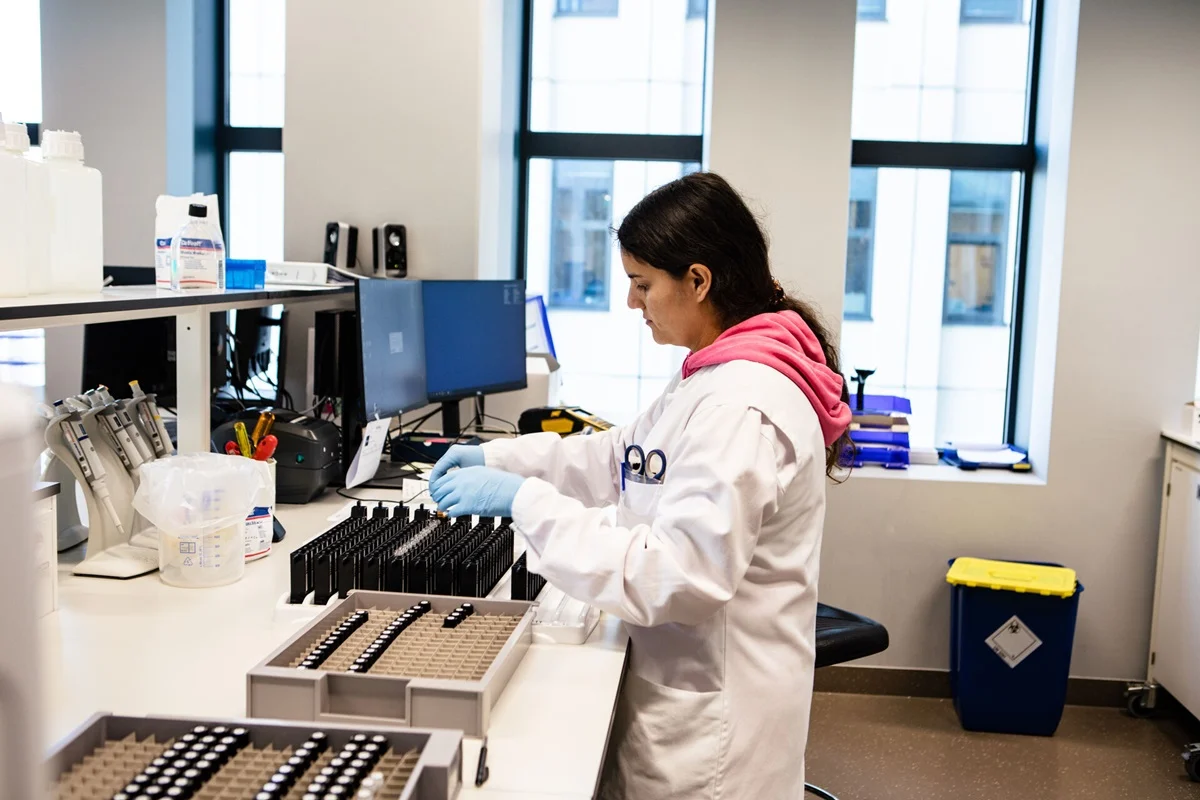
The World Health Organization (WHO) has issued a powerful call to action, urging global citizens to reaffirm their dedication to collective action and robust scientific advancement as the foundational pillars for achieving improved global health. This resonates powerfully with the overarching theme of World Health Day 2026: "Together for Health. Stand with Science." This significant observance, commemorating the WHO’s establishment on April 7, 1948, inaugurates a year-long, multifaceted public health campaign designed to galvanize international cooperation and highlight the indispensable role of scientific endeavor in safeguarding and advancing human well-being.
The past century has witnessed a profound and largely science-driven transformation in human health. Landmark achievements, such as a more than 40% reduction in the global maternal mortality rate since the year 2000 and an over 50% decrease in mortality among children under five, stand as testaments to the efficacy of scientific progress and international collaboration. Continued breakthroughs in technological innovation, the expansion of scientific knowledge and expertise, and interdisciplinary, intersectoral, and international partnerships are steadily converting once-dire health challenges – including elevated blood pressure, cancer diagnoses, and HIV infection – into manageable conditions, thereby extending and enhancing lives across the globe.
Despite these remarkable strides, the landscape of global health is increasingly fraught with escalating threats. These challenges are exacerbated by the multifaceted impacts of climate change, pervasive environmental degradation, persistent geopolitical tensions, and significant demographic shifts. The world continues to grapple with the burden of endemic diseases, the strain on healthcare systems, and the ever-present risk of emerging infectious diseases with the potential for epidemic or pandemic spread. In response, a vast network of scientists, in close partnership with organizations like the WHO, is actively accelerating research initiatives and developing critical policies, essential tools, and innovative solutions to protect communities in the present and secure the health of future generations.
Tedros Adhanom Ghebreyesus, Director-General of the World Health Organization, underscored the critical importance of scientific progress in his remarks. "Science is one of humanity’s most powerful tools for protecting and improving health," he stated. "People in every country live longer and healthier lives on average today than their ancestors did, thanks to the power of science. Vaccines, penicillin, germ theory, MRI machines, and the mapping of the human genome are just some of the achievements that science has delivered that have saved lives and transformed health for billions of people." This sentiment encapsulates the profound impact of scientific discovery on the human condition.
The Scientific Underpinnings of Global Health Progress
The transformative power of scientific innovations is amplified when they are widely embraced and effectively implemented. Every success in elevating human health is a direct reflection of the collective efforts and synergistic collaboration among scientific institutions, policymakers, healthcare professionals, and the public. This intricate web of cooperation ensures that scientific breakthroughs translate into tangible improvements in people’s lives.
For instance, the development and widespread deployment of vaccinations have been instrumental in eradicating or significantly controlling devastating diseases like smallpox and polio, saving millions of lives and preventing untold suffering. The advent of antibiotics, such as penicillin, revolutionized the treatment of bacterial infections, transforming previously fatal illnesses into manageable conditions. Advances in diagnostic technologies, from sophisticated imaging techniques like MRI and CT scans to genetic sequencing, enable earlier and more accurate detection of diseases, paving the way for more effective and timely interventions. Furthermore, the mapping of the human genome has opened new frontiers in understanding genetic predispositions to diseases and developing targeted therapies, ushering in an era of personalized medicine.
Over its 78-year history, the WHO has consistently positioned itself at the vanguard of global health and scientific advancement, fostering crucial collaborations among international scientific organizations. This has enabled the organization to coordinate responses to health crises, set global health standards, and promote research into pressing health challenges. The WHO’s convening power has been instrumental in bringing together diverse stakeholders to tackle complex health issues, from combating pandemics to addressing the health impacts of climate change.
A Timeline of Progress and Emerging Challenges
The history of global health is punctuated by significant milestones, often driven by scientific discovery and international cooperation.
- 1948: The World Health Organization is founded, marking a pivotal moment in establishing a global framework for health governance and collaboration.
- Mid-20th Century: The widespread adoption of antibiotics and the development of vaccines against diseases like polio and measles begin to dramatically reduce infectious disease mortality.
- Late 20th Century: Significant progress is made in understanding and managing chronic diseases, with advancements in cardiovascular health, cancer treatment, and HIV/AIDS therapies. The development of antiretroviral therapies (ART) transformed HIV from a death sentence into a manageable chronic condition for many.
- Early 21st Century: The Human Genome Project is completed, opening new avenues for genetic research and personalized medicine. Global efforts to combat infectious diseases like malaria and tuberculosis intensify, with renewed focus on drug resistance.
- 2000s-2020s: Significant reductions in child and maternal mortality are achieved globally, though disparities persist. The COVID-19 pandemic highlights the critical need for rapid scientific response, vaccine development, and global coordination in the face of emerging infectious threats. Simultaneously, the escalating impacts of climate change on health become increasingly evident, leading to a greater focus on environmental determinants of health.
Despite these successes, new and persistent challenges demand urgent attention. The rise of antimicrobial resistance (AMR) threatens to undermine decades of progress in treating infectious diseases. The growing burden of non-communicable diseases (NCDs), such as heart disease, diabetes, and cancer, requires sustained efforts in prevention and management. Mental health conditions are increasingly recognized as a major global health challenge, necessitating greater investment in services and destigmatization. Furthermore, the interconnectedness of planetary health and human health is becoming undeniable, with climate change, biodiversity loss, and pollution posing significant threats to well-being.
Standing with Science for a Healthier Future: Global Initiatives
In alignment with the World Health Day 2026 theme, a series of high-level international events are being convened to underscore the imperative of collective action and scientific leadership.
From April 5-7, 2026, the WHO, in conjunction with the G7 Presidency of France, will host a pivotal One Health Summit in Lyon, France. This landmark gathering will convene Heads of State, leading scientists, and influential community leaders to foster strengthened, coordinated action across human, animal, and environmental health sectors. The One Health approach recognizes the interconnectedness of these domains and seeks to address health challenges holistically, acknowledging that the health of people is inextricably linked to the health of animals and the environment.
Following this, the WHO will host its Global Forum of Collaborating Centres from April 7-9, 2026. This forum will bring together representatives from over 800 academic and research institutions spanning more than 80 countries. These Collaborating Centres are vital partners, providing essential support for WHO’s research endeavors, technical assistance, and capacity-building initiatives worldwide. Their collective expertise is indispensable in translating scientific knowledge into actionable public health strategies.
Dr. Sylvie Briand, WHO Chief Scientist, emphasized the foundational role of scientific inquiry. "Science transforms uncertainty into understanding and reveals the pathways to protect and heal our communities," she stated. "Without the clarity of rigorous scientific inquiry, we risk being led by bias and misconception – and too often toward treatments that fail us or even place us in harm’s way. Today, we must stand together with science so that our collaboration is sustained, supported, and enhanced for the better health of generations to come." Her words highlight the crucial distinction between evidence-based decision-making and approaches that are susceptible to misinformation or unfounded beliefs.
The WHO advocates for the unwavering principle that science must continue to serve as the guiding compass for health decision-making at all levels of governance and practice. The organization, in collaboration with its extensive network of partners, is dedicated to generating, synthesizing, and disseminating evidence across a broad spectrum of health priorities. This includes, but is not limited to, infectious diseases, chronic conditions, mental health, nutrition, and environmental risks. By providing robust, evidence-based guidance, the WHO supports countries in their efforts to deliver effective, equitable, and sustainable healthcare services to their populations.
Broader Implications and a Call to Action
The historical trajectory of global health achievements unequivocally demonstrates that when nations unite behind scientific principles and collaborative action, they not only enhance their capacity to respond effectively to health crises but also cultivate more resilient, equitable, and robust health systems for the future. The WHO’s renewed call to governments, institutions, and individuals is a clarion for sustained support and enhanced collaboration in scientific endeavors. It is a plea to ensure that evidence-based approaches consistently inform health policies, shape public health interventions, and guide everyday decisions that impact well-being.
The implications of this call to action are far-reaching. By fostering a culture that values and invests in science, societies can unlock innovative solutions to complex health challenges, from developing novel therapies for intractable diseases to creating sustainable public health infrastructure capable of withstanding future shocks. Furthermore, embracing scientific evidence in policymaking can lead to more effective resource allocation, targeted interventions, and ultimately, a greater return on investment in health.
In an era increasingly defined by rapid technological advancement and complex global interconnectedness, the synergy between collective action and scientific rigor is more critical than ever. World Health Day 2026, under the banner "Together for Health. Stand with Science," serves as a vital reminder that our shared future health and prosperity depend on our unwavering commitment to these twin engines of progress. The ongoing commitment to scientific research, open dissemination of knowledge, and collaborative global health initiatives will be paramount in navigating the challenges of today and building a healthier, more equitable world for all. The success of this endeavor rests not only on the shoulders of scientists and policymakers but on the active engagement and informed participation of every individual.