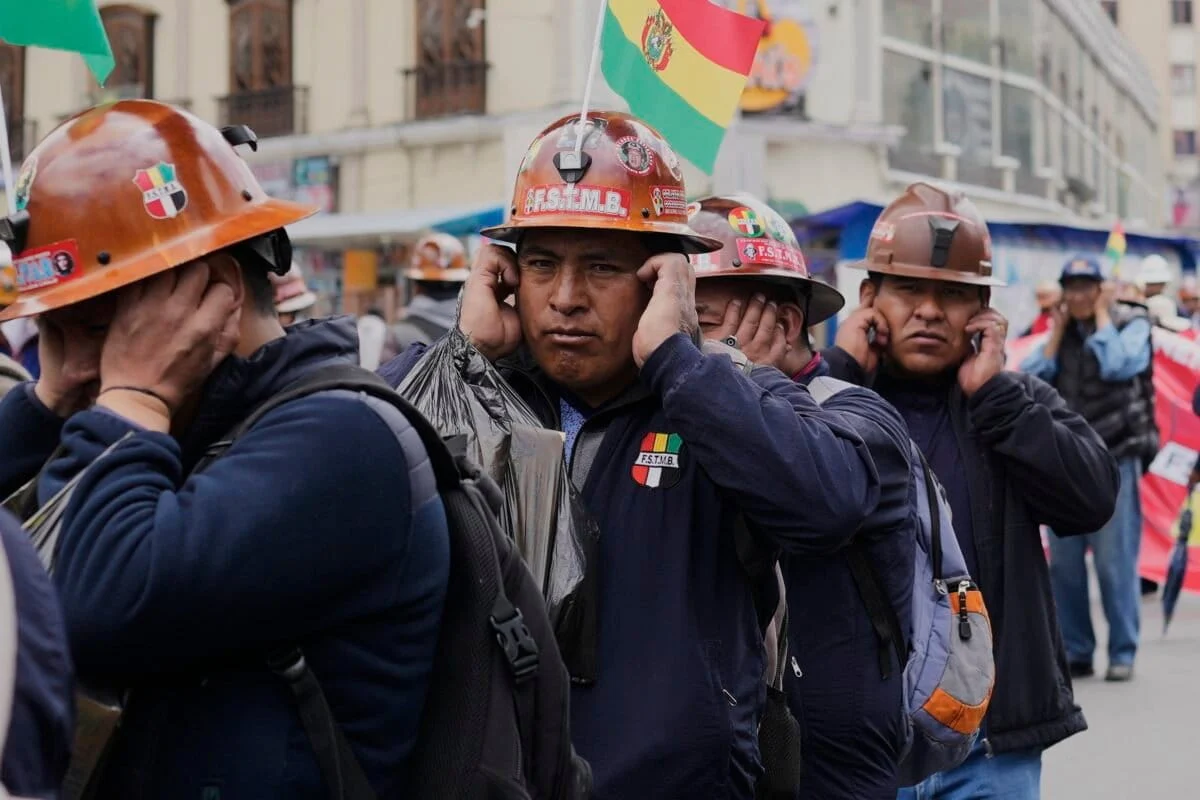
The Plurinational State of Bolivia has officially embarked on a comprehensive legislative overhaul of its primary mining framework, signaling a significant shift in how the nation manages its vast mineral wealth. The initiative, aimed at modernizing the industry, seeks to replace the existing Law 535—which has governed the sector since 2014—with a new, updated mining code. Government officials argue that the reform is essential to generate legal certainty, incentivize foreign and domestic investment, and streamline operational procedures in a sector that remains a cornerstone of the Bolivian economy. However, the process has ignited a fierce debate, drawing sharp criticism from Indigenous organizations and environmental advocacy groups who fear that the drive for profitability will come at the expense of fragile ecosystems and the rights of ancestral communities.
Chronology of the Legislative Shift
The current legislative process follows months of intensifying pressure from various mining stakeholders, including cooperatives and private firms, to address perceived bottlenecks in the 2014 law. Throughout 2025 and into early 2026, the Ministry of Mining and Metallurgy held a series of regional and national "mining summits." These dialogues were intended to serve as the foundation for the new regulatory framework.
By mid-2026, the ministry formally activated a technical committee tasked with synthesizing the proposals gathered during these summits. This committee, which includes representatives from the government, mining cooperatives, and private sector entities, is now responsible for drafting a preliminary bill to be submitted to the Plurinational Legislative Assembly. While the government has not provided a definitive timeline for the completion or passage of the bill, the acceleration of the drafting process suggests a desire to implement these changes before the end of the current legislative cycle.
Economic Objectives and Proposed Structural Changes
At the heart of the government’s proposal is the goal of creating a "modern" mining sector. Minister of Mining and Metallurgy, Marco Antonio Calderón de la Barca Quintanilla, has emphasized that the existing framework is no longer adequate to meet the complexities of the global commodities market.
While the finalized text of the bill remains under wraps, reports emerging from the technical committee meetings indicate several potentially radical shifts:
- Contractual Longevity: There are discussions regarding the removal of the current 30-year limit on mining contracts, with proposals floating the idea of indefinite extensions. Proponents argue this will provide the long-term stability necessary for large-scale capital-intensive projects.
- Tax and Royalty Reform: Industry actors have pushed for a restructuring of tax regimes, including the possibility of a "single tax" system for gold, which supporters argue would simplify compliance while boosting state revenue.
- Institutional Restructuring: The government is considering a significant reorganization of the Ministry of Mining and the various state agencies that oversee the sector, potentially centralizing oversight to reduce bureaucratic friction.
- Formalization of Illegal Mining: A contentious element of the discussions involves creating clearer pathways to formalize small-scale mining operations, which currently exist in a legal grey area, often leading to environmental degradation.
The Human and Environmental Cost
The push for legislative change does not occur in a vacuum. Bolivia’s mining sector has long been associated with severe environmental impacts, particularly in the Amazonian river basins and the high-altitude Andean regions.
Data from environmental watchdogs indicates that the use of mercury—primarily by artisanal and small-scale gold miners—has reached crisis levels. Mercury contamination has been detected in over 160 communities along the Beni River basin, resulting in significant public health risks, including neurological damage and reproductive health issues for local populations. Furthermore, large-scale projects, particularly those related to lithium extraction, have faced ongoing criticism for their intensive use of water resources in arid regions, threatening the agricultural viability of Indigenous lands.

Critics, such as Ruth Alipaz of the National Coordinator for the Defense of Indigenous and Peasant Territories and Protected Areas, argue that the government’s rhetoric regarding "responsible environmental management" is merely a veneer. Alipaz and other activists contend that by prioritizing the voices of mining cooperatives and private companies, the state is systematically sidelining those most affected by pollution and habitat loss. The most significant concern raised by these groups is the potential removal of "prior consultation" requirements. Under current law, Indigenous communities possess the right to be consulted regarding projects on their ancestral lands; any weakening of this legal mechanism could fundamentally alter the power balance between the state and local communities.
Analysis of Implications
The tension in Bolivia reflects a broader global struggle: the attempt to balance the demand for minerals necessary for the "green energy transition" (such as lithium) and the traditional extractive industry (gold and silver) with the imperative of environmental sustainability.
From an economic perspective, the proposed changes are aimed at addressing the stagnation in foreign direct investment (FDI). Compared to regional peers like Peru and Chile, Bolivia has often been viewed as a high-risk environment for mining due to complex regulatory hurdles and social unrest. If the new code successfully creates "legal certainty," it could trigger a surge in exploration and production.
However, the risk of a "race to the bottom" in environmental standards is significant. If the government proceeds with the proposed removal of restrictive consultation processes, it may face an uptick in social conflict. Historically, when communities feel their rights are ignored by central authorities, the resulting protests and blockades have effectively halted major mining projects, sometimes for years. Therefore, the long-term success of the new mining code may depend less on its technical efficiency and more on its perceived legitimacy among the public.
The Role of Stakeholders
The inclusion of the Unified Confederation of Peasant Workers of Bolivia in the technical committee is seen by the government as an effort to ensure broader representation. However, many independent environmental NGOs remain skeptical. They argue that the committee structure is inherently weighted toward extraction-focused groups.
For the international community, the unfolding legislative process serves as a case study in resource nationalism. Bolivia’s attempt to assert greater control over its mining industry while simultaneously trying to attract private capital is a delicate balancing act. As the draft bill moves closer to the legislature, the debate will likely intensify, centering on whether the law will truly modernize the sector or simply facilitate a new era of unbridled exploitation.
Conclusion
As the Bolivian government moves toward finalizing the new mining code, the nation stands at a crossroads. The promise of economic development, tax revenue, and technological modernization is weighed against the lived reality of communities suffering from mercury poisoning, deforestation, and the loss of land rights.
The ultimate test for the new mining code will be its ability to harmonize these competing interests. Without a robust, transparent, and inclusive process that genuinely addresses the grievances of those at the front lines of environmental degradation, the new law may struggle to achieve the "legal certainty" the ministry so desires. For now, the eyes of the nation—and of global observers concerned with the ethics of mineral extraction—remain fixed on the technical committee’s progress, waiting to see if the final document will prioritize the health of the land and its people, or the bottom line of the mining industry.