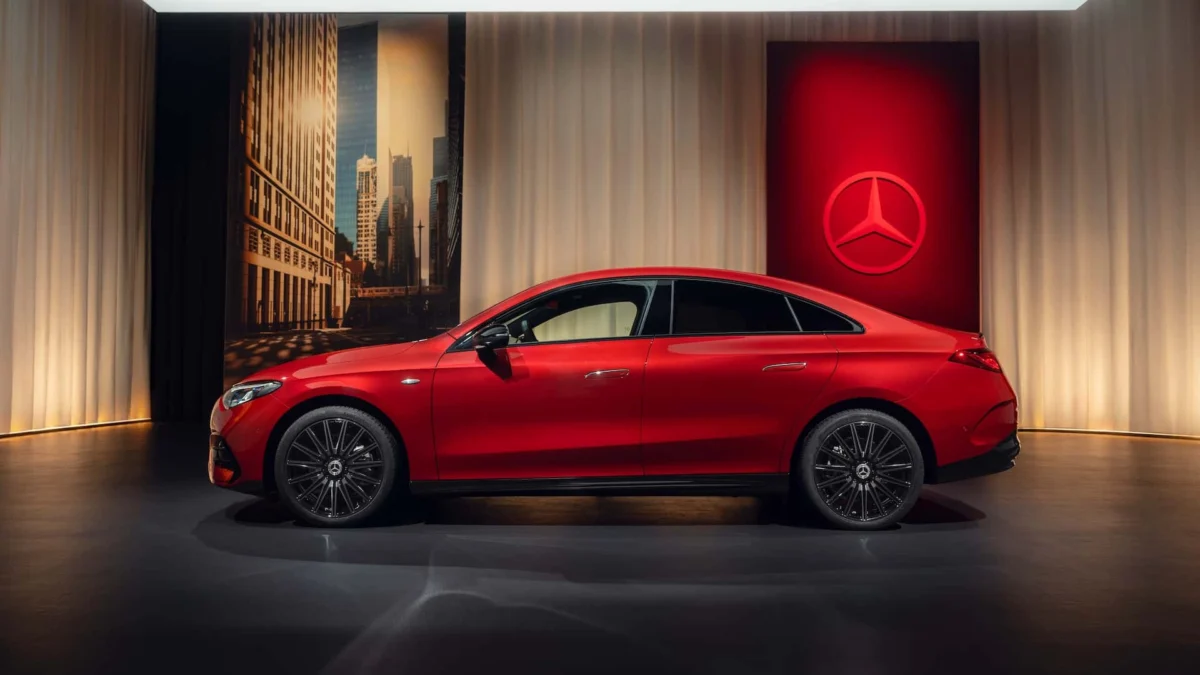
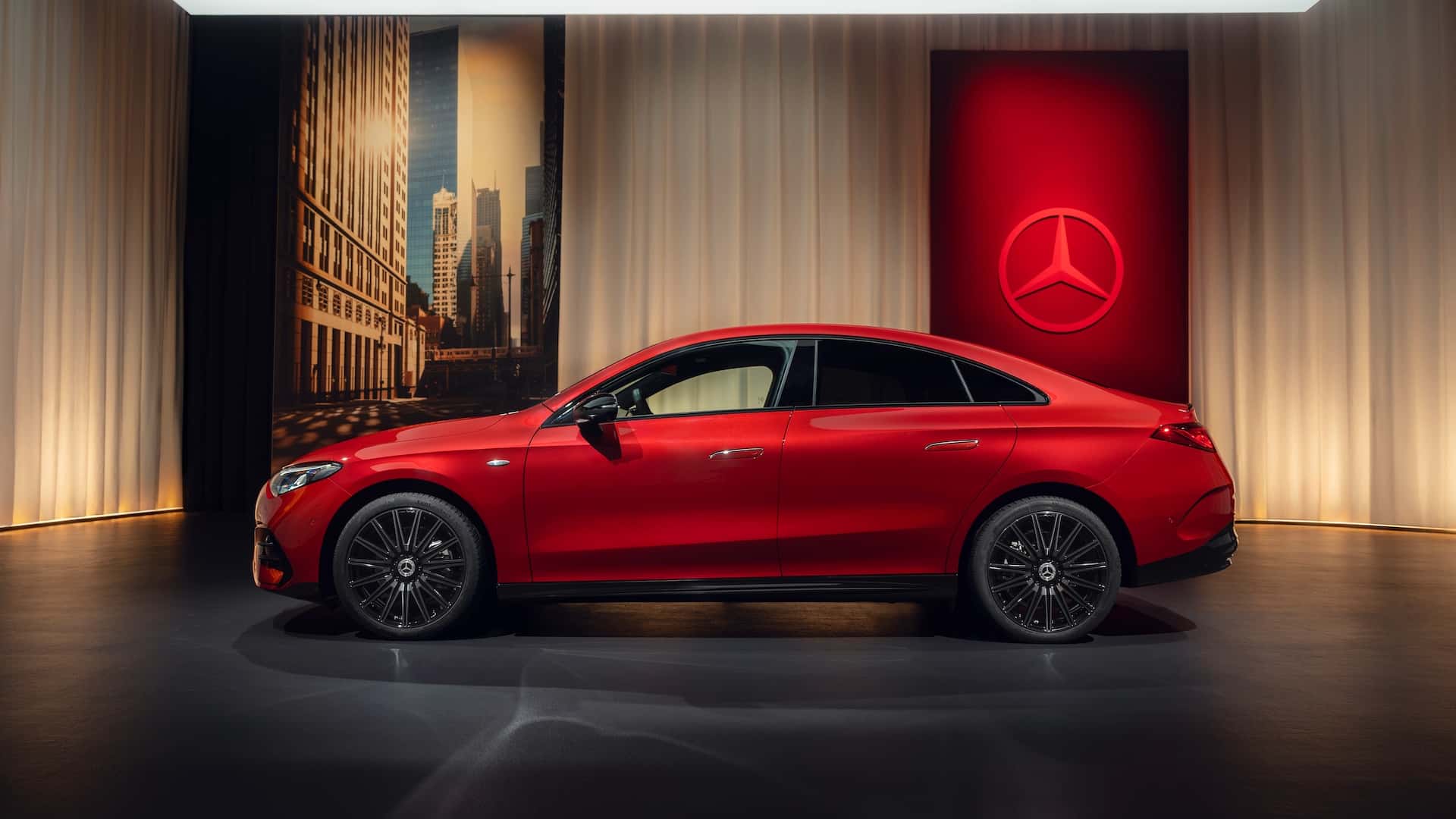
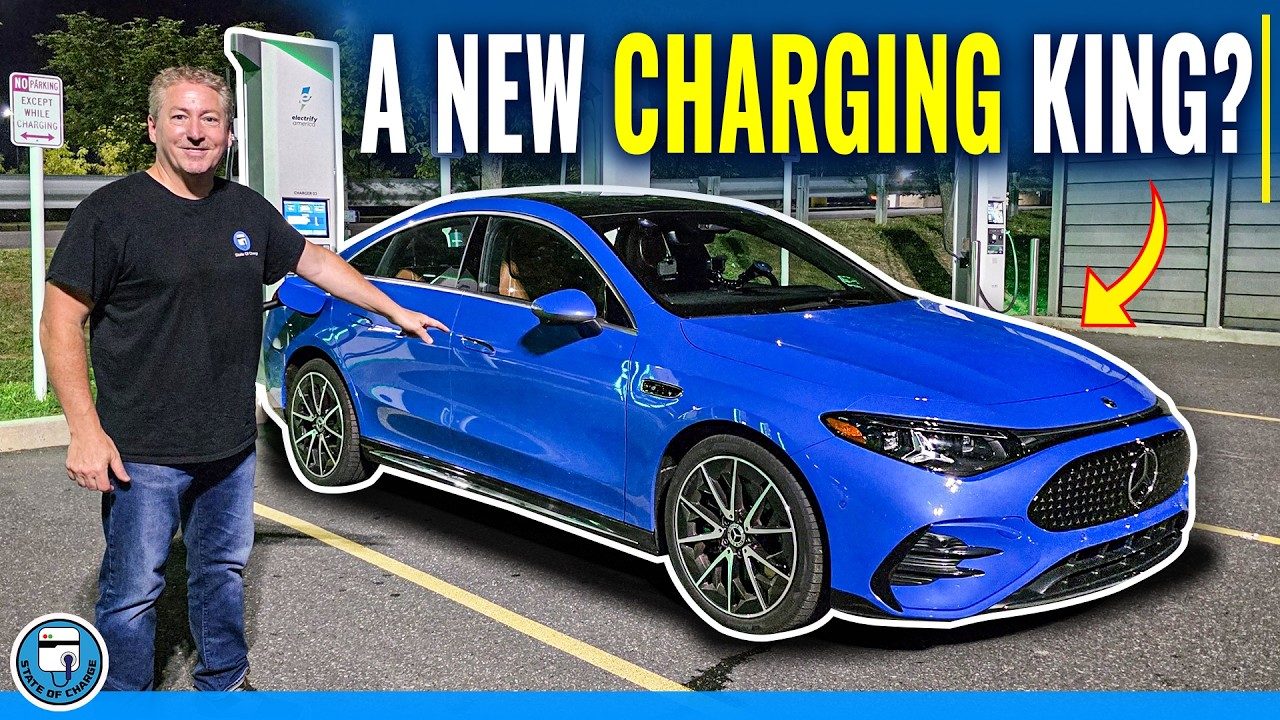
The automotive landscape is undergoing a radical shift as legacy manufacturers like Mercedes-Benz refine their electric vehicle architectures to address the primary consumer pain points of range anxiety and charging downtime. Recent empirical testing of the new Mercedes CLA has demonstrated that the vehicle is not merely a design-forward luxury sedan but a highly efficient, high-speed charging powerhouse. According to data documented by Tom Moloughney of the State of Charge YouTube channel, the CLA has proven capable of significantly exceeding its EPA-rated highway range, while simultaneously securing a position among the fastest-charging electric vehicles currently available in the North American market.
The Methodology of Real-World Range Testing
To understand the significance of the CLA’s performance, one must look at the rigorous testing conditions employed by industry observers. Moloughney subjected the Mercedes CLA to multiple real-world range tests, pushing the vehicle to its absolute limit by depleting the battery to 0% state-of-charge. This approach provides a granular look at how the vehicle behaves under extreme conditions, rather than relying solely on the laboratory-standard EPA cycles, which often struggle to account for variables such as aerodynamic drag at sustained highway speeds.
The CLA 350 4Matic, the specific trim utilized in these tests, demonstrated an impressive real-world range of approximately 385 miles when traveling at a constant 70 mph. This figure is notable because the aerodynamic profile of the CLA is clearly optimized for efficiency. By maintaining such high efficiency at sustained speeds, the vehicle effectively reduces the frequency of stops required during cross-country travel.
Comparative Analysis of Charging Infrastructure
A significant portion of the recent investigation focused on the vehicle’s charging curve, specifically testing the impact of battery preconditioning. In the automotive industry, preconditioning involves heating or cooling the battery pack to an optimal temperature before reaching a fast-charging station. This process is generally considered essential for maximizing the charging speed of lithium-ion batteries.
In this study, two distinct charging scenarios were compared:
- The Preconditioned Session: Conducted at an Ionna 400 kW high-power charger.
- The Unconditioned Session: Conducted at an Electrify America 350 kW charger at a retail location.
Counterintuitively, the data revealed that the session without active preconditioning performed marginally better, with the battery state-of-charge tracking about 1% ahead of the preconditioned session. However, it is vital to contextualize these findings: the tests were performed during summer months with stable, warm ambient temperatures. Under such conditions, the battery pack likely remained within its optimal thermal operating window without needing active thermal management. In sub-zero or extreme heat conditions, the vehicle’s preconditioning software would remain a critical component for maintaining high power intake.
Chronology of the Charging Curve
The charging behavior of the Mercedes CLA is defined by a steep, aggressive power delivery that tapers off as the battery reaches higher states of capacity. In both observed sessions, the vehicle reached its peak charging power of approximately 350 kW in under 60 seconds. This initial "burst" phase is crucial for drivers who only need a short charge to reach their next destination.
The power delivery curve followed a predictable, yet efficient, decline:
- 0% to 10%: The system sustained maximum intake, reaching 10% in just two minutes.
- 10% to 25%: The vehicle maintained high power levels, reaching 25% in approximately five and a half minutes.
- 25% to 50%: The total time to reach 50% state-of-charge was 15 minutes.
- 50% to 75%: After 25 minutes of continuous charging, the vehicle remained above 150 kW, indicating a strong mid-to-high state-of-charge performance.
- Full Cycle: The complete 0% to 100% charge required 52 minutes at the Electrify America station and 56 minutes at the Ionna station.
From a practical perspective, this means that a driver stopping for a standard rest break—a coffee or a quick meal—can easily add over 200 miles of range in less than 20 minutes. This level of utility brings electric vehicle ownership much closer to the convenience of refueling a traditional internal combustion engine vehicle.
Technical Implications for the EV Market
The Mercedes CLA is currently positioned with a starting MSRP of approximately $49,400. In the current market, this price point, combined with the charging performance observed, places the vehicle in a competitive tier. While it may not hold the title of the absolute fastest-charging vehicle ever tested, it consistently ranks within the top five, marking a significant success for Mercedes-Benz’s current electric architecture.
The broader implication here is the maturation of 800-volt (or similar high-voltage) architectures. By enabling the battery to accept massive amounts of energy in such a short window, manufacturers are effectively reducing the physical size of the battery required for long-distance travel. If a car can charge from 10% to 80% in roughly 22 to 26 minutes, the need for a massive, heavy, and expensive battery pack is diminished. This trend suggests that future iterations of the CLA and other Mercedes-Benz EVs will focus on weight reduction and software optimization rather than simply increasing raw battery capacity.
Industry Context and Future Outlook
This performance data comes at a critical time for the electric vehicle industry. As charging infrastructure continues to expand across North America, the focus is shifting from "where can I charge" to "how fast can I charge." The performance of the CLA underscores that the hardware—the battery chemistry, the cooling systems, and the power electronics—is now capable of meeting the demands of the modern consumer.
Mercedes-Benz has not yet issued a formal statement regarding these specific independent tests, but the data aligns with the brand’s stated goals for its modular EV platforms. Industry analysts suggest that the efficiency demonstrated by the CLA is a direct result of the manufacturer’s commitment to thermal management and proprietary battery management systems (BMS). As the software governing these systems is updated via over-the-air (OTA) patches, it is possible that the charging curves could be further optimized in the future.
Conclusion: A New Standard for Value and Utility
The combination of a 385-mile real-world highway range and a sub-30-minute charging window for a significant portion of the battery capacity makes the Mercedes CLA a compelling case study in modern engineering. For consumers who have previously avoided electric vehicles due to concerns over charging times, the data provided by independent testers like Moloughney offers a compelling counter-narrative.
While the "best" charging EV remains a moving target as new models are introduced, the CLA’s performance at this price point sets a high bar. It proves that luxury and efficiency do not have to be mutually exclusive and that high-performance charging is becoming a standard feature rather than an outlier. As the transition to electrification continues, vehicles that can offer this level of predictable, fast-charging performance will likely lead the market in both adoption and owner satisfaction. Whether for daily commuting or long-distance touring, the CLA effectively demonstrates that the gap between internal combustion engine convenience and electric vehicle capabilities is closing rapidly.