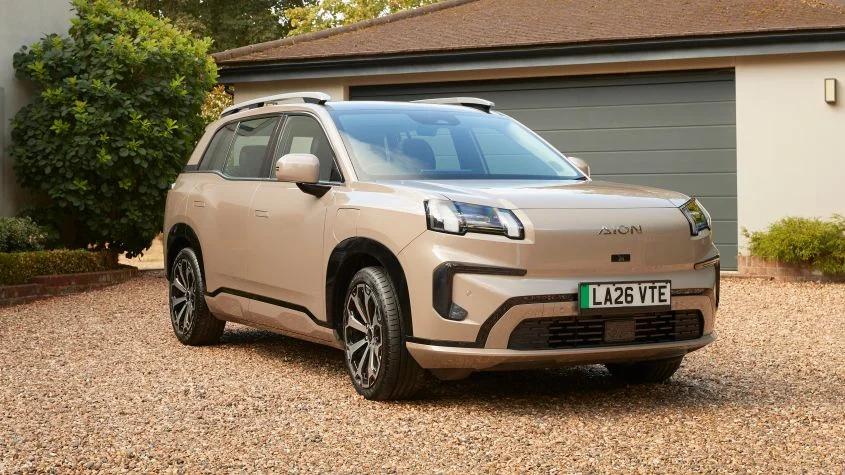
The arrival of the AION V marks a significant milestone in the ongoing electrification of the British automotive market, signaling a shift toward vehicles engineered with local nuances in mind. As the transition to battery-electric vehicles (BEVs) accelerates, the challenge for manufacturers has moved beyond mere range and charging speeds toward the delivery of localized driving dynamics and long-term ownership confidence. By launching with a competitive finance package and a comprehensive support ecosystem, AION is positioning the V as a serious contender in the mid-size electric SUV segment.
The Engineering Philosophy: A Purpose-Built Platform
Unlike many legacy automotive manufacturers that have historically repurposed platforms originally designed for internal combustion engines, the AION V is constructed on a bespoke electric-only architecture. This distinction is critical in the current market, as it dictates the spatial efficiency and weight distribution of the vehicle. By utilizing a dedicated EV platform, engineers have been able to position the battery pack at the lowest possible point within the wheelbase, effectively lowering the center of gravity.
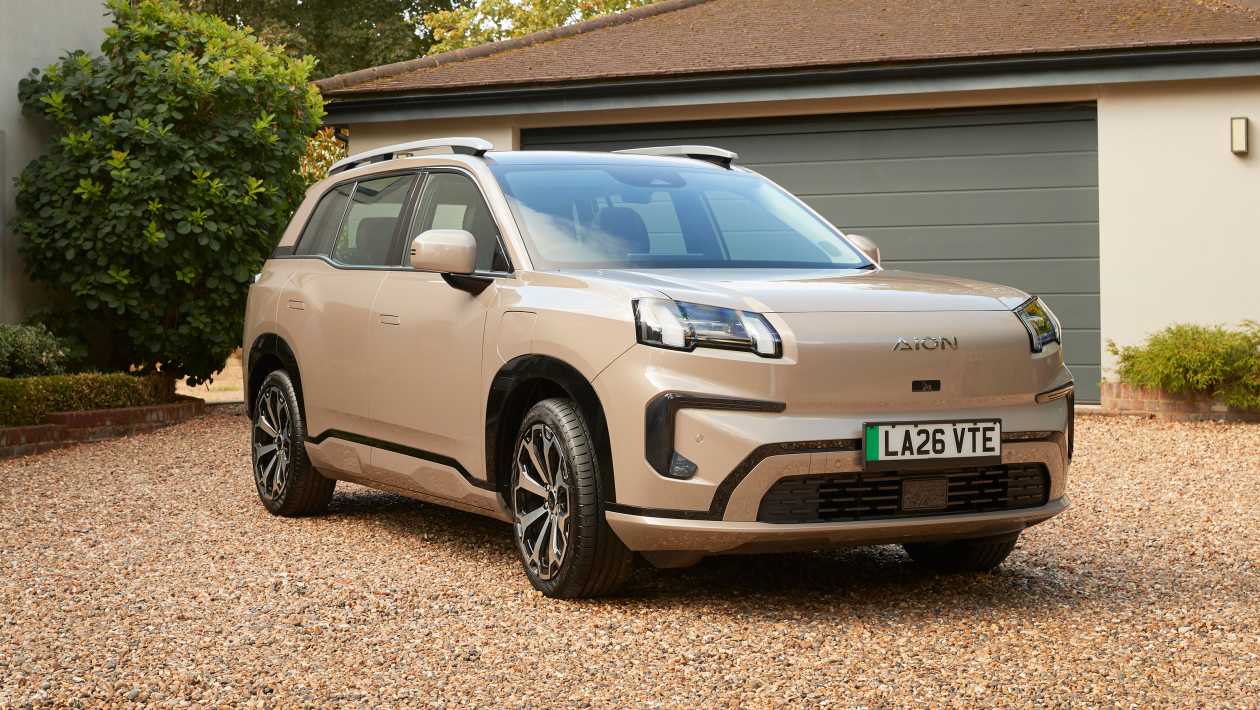
For the UK driver, this technical choice yields tangible benefits. The vehicle’s handling characteristics have been specifically tuned to cope with the idiosyncratic nature of British roads, which are frequently characterized by inconsistent surfacing, tight urban corners, and high-speed motorway transit. The result is a ride quality that minimizes body roll and absorbs the impact of uneven road surfaces, providing a level of cabin composure that is often missing from vehicles that were not initially conceived as electric.
Performance and Charging Infrastructure
Efficiency and range remain the primary benchmarks for consumer adoption, and the AION V addresses these concerns with a 317-mile range capability. This figure, calculated under standardized test conditions, positions the vehicle as a viable option for both daily commuting and long-distance touring. To mitigate the anxiety often associated with long-range travel, the vehicle supports rapid DC charging, which is capable of replenishing the battery from 30% to 80% in approximately 18 minutes.
This charging performance is complemented by a strategic approach to home energy integration. AION has established a certified installation network, addressing a frequent friction point for new EV owners: the installation of home wall-box chargers. By streamlining the procurement and installation process, the brand is effectively lowering the barrier to entry for prospective buyers who may have been hesitant to switch to electric due to concerns over infrastructure.

Interior Design and Spatial Versatility
Inside the cabin, the AION V adheres to a design language that favors minimalism and high-end material quality. The interior environment has been engineered for acoustic isolation, utilizing sound-dampening materials to reduce road noise, while the integration of a panoramic glass roof contributes to a sense of interior volume.
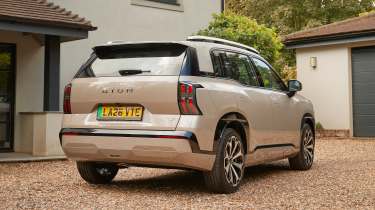
Practicality is a cornerstone of the vehicle’s design. With a 500-litre boot capacity, the vehicle provides sufficient cargo space for standard family usage. The flexibility of the rear cabin is further enhanced by seats that fold entirely flat, expanding the cargo area to accommodate larger items or to function as a temporary sleeping platform. Furthermore, the inclusion of heated seating for both front and rear occupants reflects a commitment to year-round comfort, a necessity in the temperate but often damp British climate.
The "Great 8" Support Package
Perhaps the most significant aspect of the AION V launch is the "Great 8" package, which serves as a strategic response to concerns regarding the long-term reliability and residual value of electric vehicles. The package encompasses an eight-year warranty, eight years of servicing, eight years of roadside assistance, and eight years of MOT cover.

Crucially, this support is VIN-locked to the vehicle rather than the owner. This is an important distinction for the second-hand market, as it ensures that the vehicle retains a higher level of assurance throughout its lifecycle. By effectively eliminating hidden maintenance costs for nearly a decade, AION is attempting to disrupt the traditional ownership model and provide the market with a "stress-free" transition to electric mobility.
Market Context and Economic Implications
The timing of this launch coincides with a broader shift in the UK automotive landscape. As the government continues to refine its roadmap toward the 2030 and 2035 phase-out targets for non-zero-emission vehicles, manufacturers are under increased pressure to provide affordable, high-quality alternatives to traditional petrol and diesel cars.
Data from the Society of Motor Manufacturers and Traders (SMMT) indicates that while the total volume of EV registrations is growing, consumers are increasingly discerning regarding value for money. The introduction of 0% APR finance offers and monthly payment structures starting at £399 represents an aggressive pricing strategy aimed at capturing market share from more established European and Asian brands.

This financial incentive structure is limited to the month of September, creating a sense of urgency that is typical of aggressive market entry tactics. However, industry analysts suggest that the success of such campaigns is rarely defined by the initial sales figures alone, but rather by the subsequent reliability of the vehicles and the quality of the after-sales network, which the "Great 8" package seeks to solidify.
Technological Integration and Connectivity
Beyond the physical mechanics of the car, the AION V incorporates a suite of digital features designed to integrate the vehicle into the owner’s daily life. A dedicated remote control app allows for the management of the charging process, enabling owners to schedule charging during off-peak energy tariff hours. This not only reduces the cost of operation but also assists in grid management, a growing priority for the UK’s energy infrastructure.
Additionally, the ability to pre-condition the cabin temperature via the app ensures that the vehicle is comfortable upon entry, regardless of external weather conditions. This, in turn, can contribute to range efficiency, as the energy required for climate control is drawn from the grid while the vehicle is plugged in, rather than from the battery during the initial stages of a journey.
Strategic Outlook and Future Challenges
The parent company, GAC, brings significant manufacturing scale and vertical integration to the table. By controlling a larger portion of the supply chain—including battery technology development—AION is better positioned to manage production costs and supply stability than smaller, boutique EV manufacturers.
However, the brand faces a crowded and competitive marketplace. Established players like Skoda, Kia, and Hyundai have already secured significant brand loyalty in the UK. The success of the AION V will depend on its ability to prove that its "Great 8" promise is backed by a robust and responsive service network across the country.
The implications for the wider market are clear: as more manufacturers adopt comprehensive warranty and maintenance packages, the burden of "hidden" EV ownership costs is being shifted back onto the producers. This is a positive development for the consumer, as it forces competition on the basis of long-term value rather than just initial purchase price.

Conclusion
As the automotive industry continues to pivot toward an electric future, the AION V emerges as a case study in how to approach the UK market with a blend of localized engineering and strong ownership incentives. Whether it can maintain this momentum beyond the initial September offer period will be a key indicator of its long-term viability. For now, the combination of a purpose-built platform, a range that meets the requirements of most drivers, and a bold, eight-year support commitment suggests that AION is making a concerted effort to move beyond the experimental phase of EV adoption and into the mainstream.
For those currently in the market for a mid-size SUV, the AION V presents a compelling case, not merely as an electric alternative, but as a vehicle that aims to redefine the expectations of what a modern, premium-adjacent family car should offer in terms of reliability, comfort, and, ultimately, peace of mind. As of late 2026, the data suggests that such comprehensive, value-driven offerings are exactly what the British consumer is seeking to justify the shift away from internal combustion.