The rapid, unbridled expansion of artificial intelligence infrastructure across the United States has ignited a fierce national debate, though tech executives and Silicon Valley oligarchs have largely focused public attention on abstract, distant horizons. On congressional stages and at high-profile technology summits, industry leaders routinely grandstand about the existential dangers of hypothetical AI superintelligence, warning lawmakers about runaway algorithms, autonomous cyber weapons, and the long-term science-fiction scenarios of machine dominance.
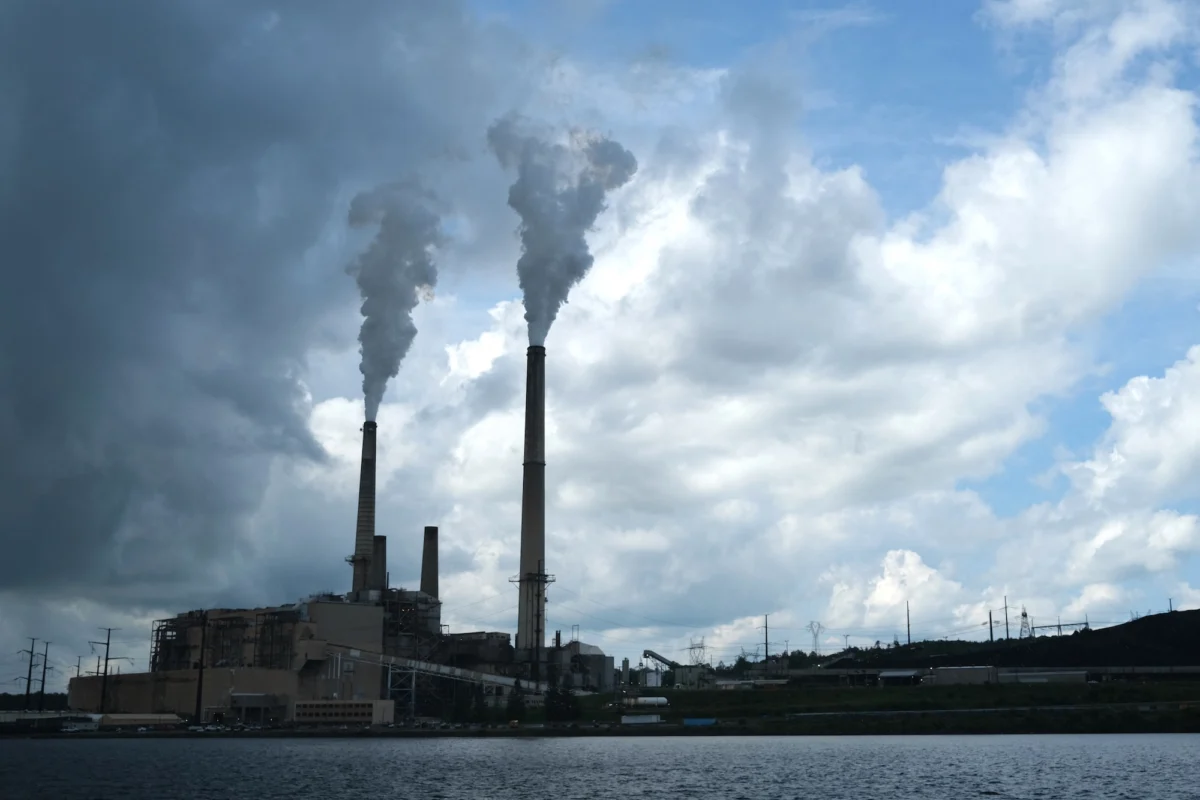
Yet, according to a sweeping new report compiled by the Environmental Protection Network (EPN)—a non-profit organization comprised of former Environmental Protection Agency officials and career civil servants—the most pressing and dangerous threat posed by the artificial intelligence revolution is not coming from the code itself. Instead, it is emanating directly from the physical smokestacks, gas turbines, and strained electrical grids required to power the vast network of data centers underpinning the AI boom.
As developers race to construct thousands of massive, energy-hungry computing facilities, the federal oversight mechanisms designed to protect public health are being systematically dismantled. Since January 2025, the Trump administration’s EPA has engaged in a sweeping deregulation campaign. According to the EPN report, the agency has enacted at least 30 distinct policy changes that weaken pollution safeguards, streamline permitting processes, and scale back routine environmental inspections. Environmental experts warn that these combined rollbacks are creating a regulatory vacuum just as the nation experiences an unprecedented industrial buildout, exposing millions of Americans to heightened health risks from industrial air pollution.
The Scale of the Boom and the Erosion of Oversight
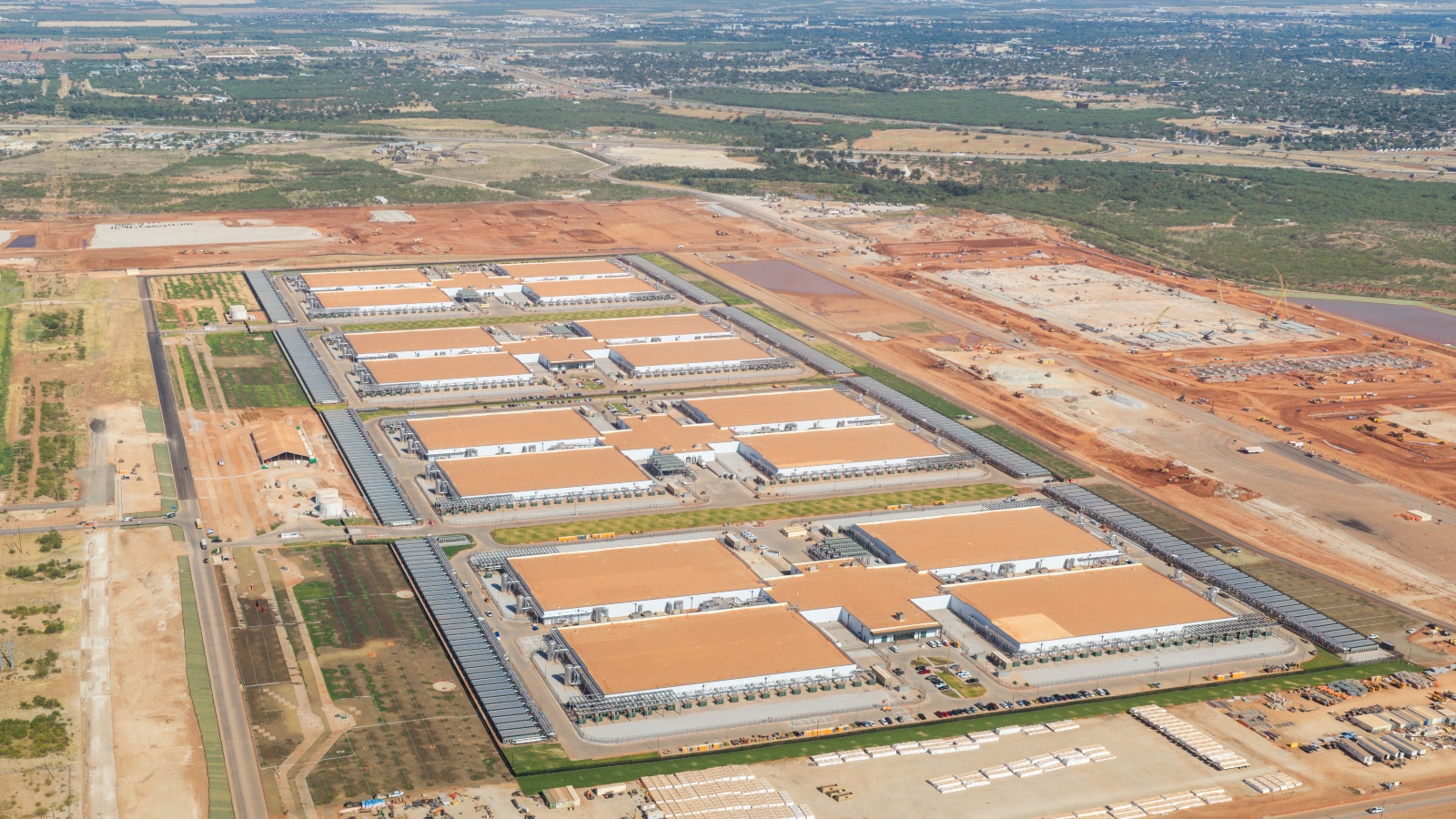
The United States is currently home to approximately 3,000 operational data centers, but this footprint is expanding at a dizzying pace. Real estate and tech developers have more than 1,500 new facilities currently in the planning or construction phases. Driven by the massive computational requirements of training and running large language models, hyperscale data centers require staggering amounts of electricity—often consuming as much power in a single day as a small city.
However, this industrial expansion is colliding with a severely weakened federal regulatory apparatus. Dan Costa, a career scientist who spent 35 years studying air pollution at the EPA, emphasized the gravity of the institutional dismantling during a recent press briefing. For decades, Costa noted, the agency operated with a dedicated corps of independent researchers who investigated emerging pollution sources and evaluated environmental threats on behalf of the public rather than corporate interests.
“Over the decades, toxicologists, chemists, atmospheric scientists, modelers, and engineers worked in concert with academic colleagues on behalf of the American people—not on behalf of industry,” Costa said. “We wanted to carry out EPA’s mission of protecting people’s health from industrial air pollution.”
That institutional capacity, however, has been profoundly compromised. The Trump administration has dismantled the EPA’s central research office and redirected the agency’s overarching mission away from strict enforcement and toward a posture of regulatory accommodation. Costa sharply criticized this trajectory, pointing out the inherent contradiction of overhauling the nation’s energy system while simultaneously blinding the government to its environmental consequences. “Transforming the nation’s energy system, while diminishing its scientific capacity to understand what the impacts are going to be, makes no sense,” he noted.
A Chronology of Deregulation: The Policy Shift of 2025 and 2026
The systematic rollback of environmental protections did not happen in a vacuum; it is the result of a deliberate, coordinated strategy by the current administration to position the United States as the undisputed global leader in artificial intelligence.
The policy pivot became official early in the administration when EPA Administrator Lee Zeldin issued a foundational internal memo. In the document, Zeldin outlined the agency’s primary objective: positioning America as the global epicenter of AI development by actively cutting through what the administration termed “heavy-handed regulations.” The goal, Zeldin wrote, was to ensure that developers could build and power the necessary computing infrastructure without administrative delays, explicitly prioritizing speed over traditional compliance frameworks.
Throughout 2025 and into 2026, this philosophy materialized in a series of concrete regulatory retreats. The agency systematically altered or proposed changes to air quality rules, shifting enforcement priorities toward a "compliance-first orientation" that explicitly instructs regional offices and inspectors to avoid taking actions that might “unduly burden or significantly disrupt” energy production or power generation.
Furthermore, the agency has advanced proposed rule changes that would permit developers to break ground on data centers and their associated backup or primary power plants before securing final air pollution permits. This "build-first, permit-later" approach has alarmed environmental lawyers and public health advocates, who argue it strips local communities of their legal right to contest polluting infrastructure before construction locks hazardous facilities into place.
Fossil Fuels Making a Comeback to Power the Cloud
To meet the insatiable energy demands of modern data centers—which often require uninterrupted baseload power that renewable sources like wind and solar cannot always reliably provide on demand—developers and utility companies have increasingly turned back to fossil fuels.
In numerous regions across the country, this energy crunch has short-circuited long-term environmental planning. Across several states, energy companies have abandoned plans to retire aging coal-fired power plants, keeping high-emission facilities online years past their scheduled decommissioning dates specifically to feed the energy grid supplying tech campuses.
In other instances, tech companies have bypassed the traditional utility grid entirely, opting instead for onsite power generation. High-profile hyperscale facilities—such as xAI’s massive "Colossus" supercomputing cluster—have faced intense scrutiny from community advocates and environmental groups over the deployment of heavy-duty, fossil fuel-powered gas turbines directly adjacent to residential areas. Under the administration’s revised enforcement guidelines, federal oversight of these onsite combustion turbines has been relaxed, shielding tech companies from rigorous Clean Air Act compliance reviews under the banner of national security and economic competitiveness.
Public Health Implications and the Human Toll
The convergence of massive industrial expansion and lax federal oversight carries profound implications for human health. According to an independent study cited by the former EPA researchers in the EPN report, the surge in particulate matter and nitrogen oxides associated with the AI energy boom could result in up to 1,300 additional premature deaths annually across the United States.
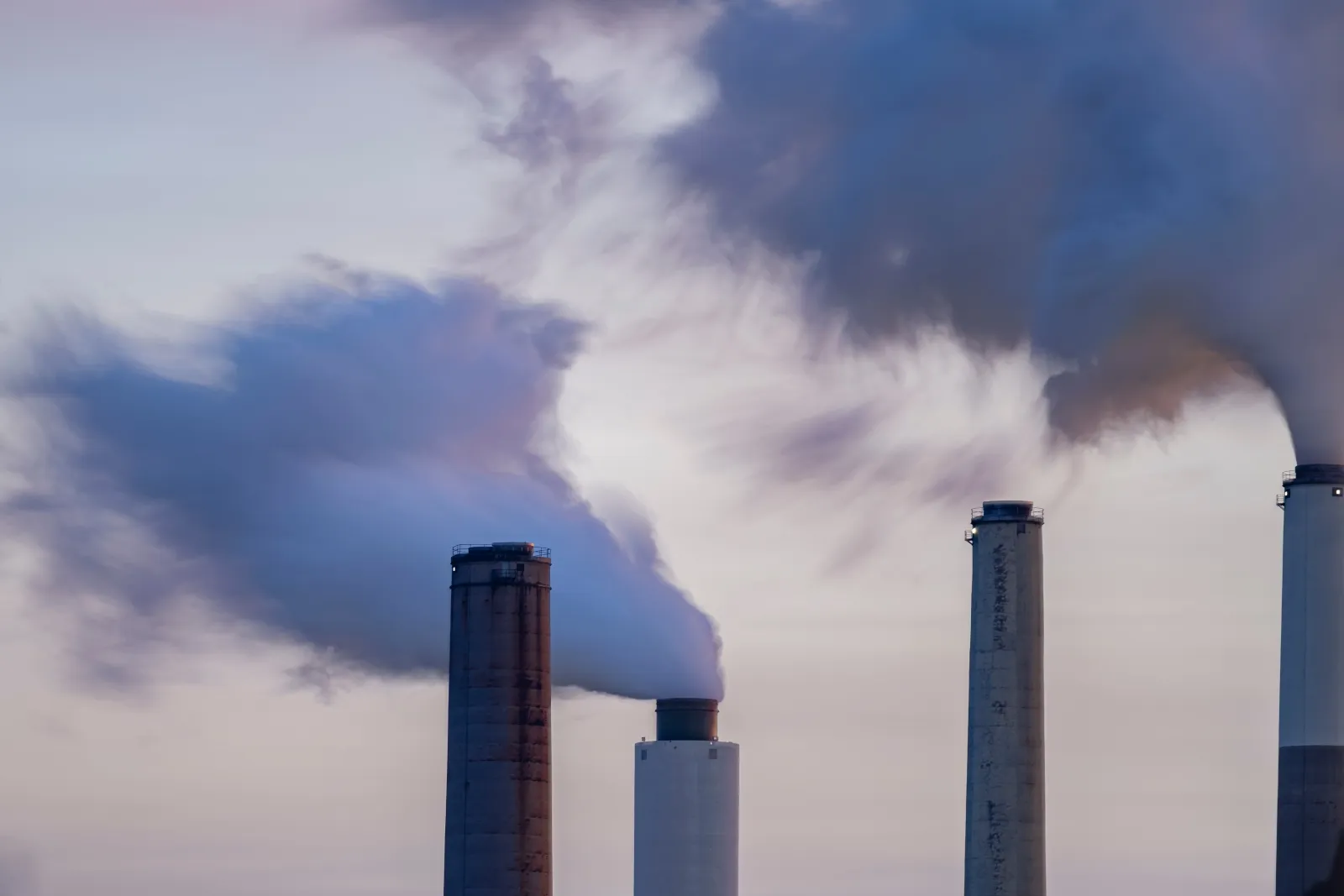
Dr. Lynn Goldman, a pediatrician and former EPA assistant administrator for toxic substances, emphasized that the biological consequences of this pollution will be immediate for vulnerable populations and long-lasting for the broader public. Exposure to fine particulate matter ($PM_2.5$) and smog precursors is directly linked to acute cardiovascular events, asthma attacks, and adverse birth outcomes, including low birth weight and premature births. Other chronic conditions, such as cancers and degenerative pulmonary diseases, may take years or decades to manifest.
“The AI industry’s race for advantage should not be a matter of life or death,” Goldman stated during the press briefing. “Families shouldn’t have to pay for the AI boom with their health.”
The geographic distribution of these hazards exacerbates existing environmental injustices. According to recent demographic analyses by organizations like the Pew Research Center, the vast majority of new data centers are not being built inside major urban tech hubs; instead, they are sited in rural areas and semi-rural exurbs where land is cheap, transmission infrastructure is accessible, and local zoning boards often lack the technical resources or legal muscle to challenge well-funded corporate developers. Consequently, lower-income communities and rural populations are disproportionately bearing the environmental burdens of urban-centric technological consumption.
Fact-Based Analysis of Broader Implications
The policy trajectory established by the current EPA administration signals a fundamental philosophical shift in American environmental governance: the subordination of public health and ecological safety to geopolitical and industrial competitiveness. While the United States remains locked in a high-stakes technological race with global competitors like China for supremacy in artificial intelligence, the chosen strategy relies on externalizing the true costs of that race onto the lungs and lives of everyday citizens.
By dismantling the scientific infrastructure of the EPA and diluting the enforcement mechanisms of the Clean Air Act, the federal government is effectively operating blind. Without comprehensive monitoring, rigorous emissions modeling, and uncompromising permitting standards, the true cumulative toll of the data center boom may remain undocumented until public health crises erupt in affected regions.
Ultimately, the debate over AI safety must expand beyond the theoretical risks of autonomous machine intelligence. As the physical infrastructure of the digital age takes shape across the American landscape, the most immediate danger is not a science-fiction dystopia, but the very real, measurable accumulation of industrial pollution in the air breathed by millions of Americans.