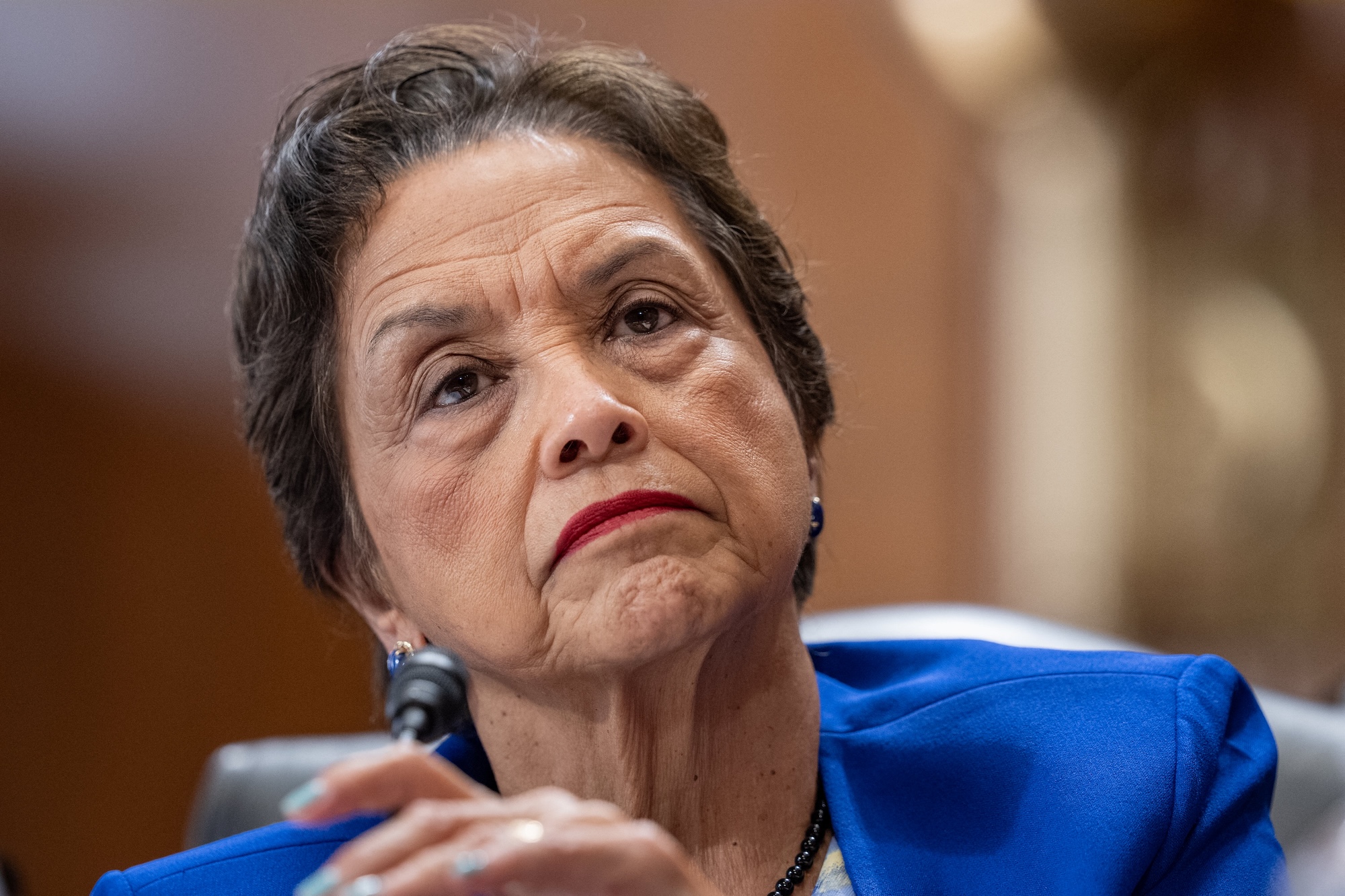
When Governor Lou Leon Guerrero of Guam first learned that the federal government intended to lease millions of acres of surrounding seafloor to private mining corporations, she did not receive a briefing from Washington, nor an advance diplomatic warning. She found out the exact same way her constituents did: by reading a news article forwarded by an advisor on November 12. A journalist had reached out for comment, prompting her to open a web page that revealed an aggressive Trump administration initiative to auction off vast swaths of the Pacific continental shelf for critical mineral extraction.
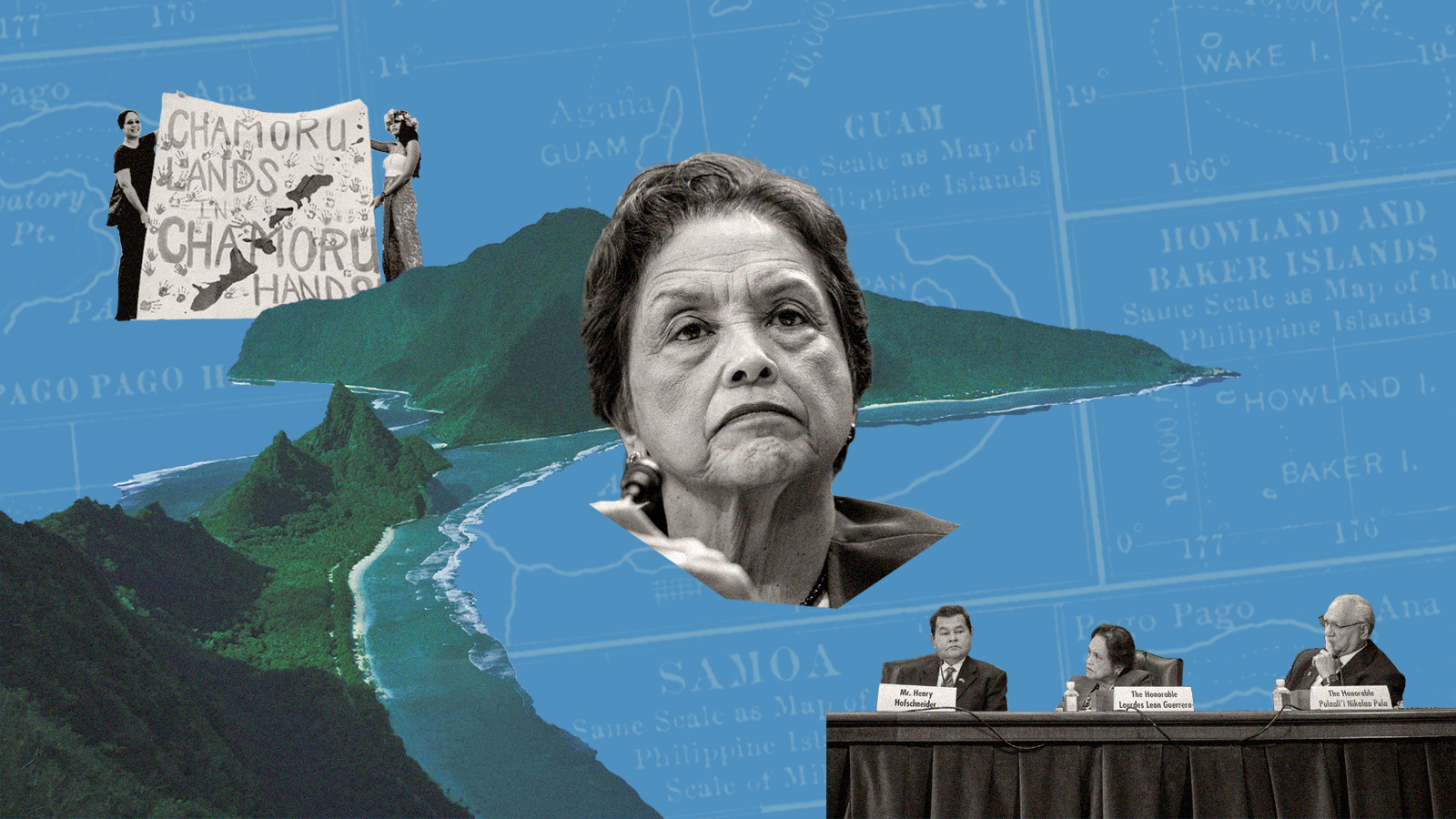
The revelation stunned local leadership across the region. "I’ll never forget the date," Leon Guerrero reflected from her office overlooking Agana Bay, noting that despite governing an American territory, she had received zero prior communication. Immediately, she dialed David Apatang, the governor of the neighboring Commonwealth of the Northern Mariana Islands (CNMI), who shared her profound alarm. She then contacted Bill Hague, a Department of the Interior official handling federal relations with territorial leaders. Though Hague reportedly reassured her that mining would never proceed without community backing, the subsequent unfolding of federal policy has laid bare a systemic disconnect between Washington’s geopolitical ambitions and the lived realities of Pacific Islanders.
The Geopolitical Push for Critical Minerals
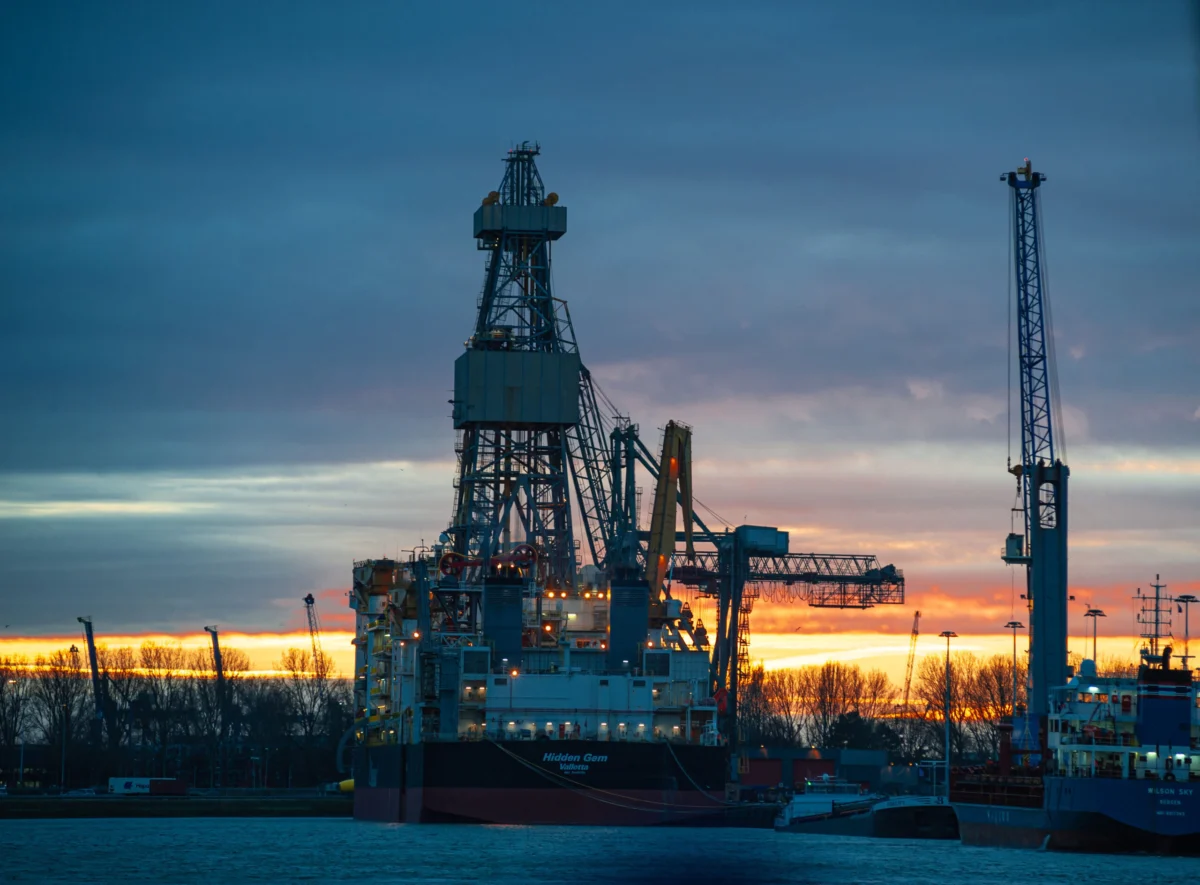
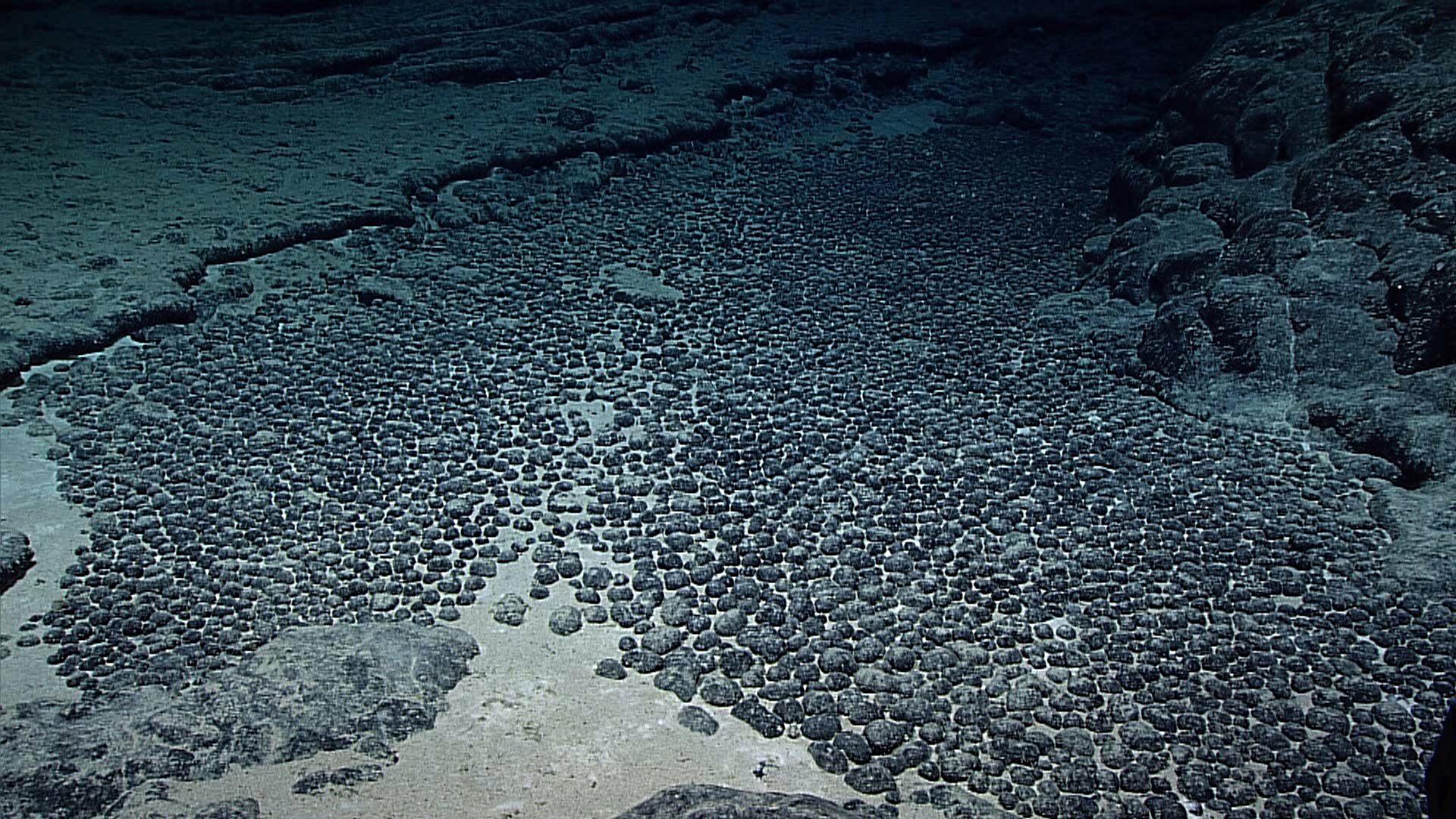
At the heart of the federal government’s urgency is a high-stakes race to secure critical minerals—including copper, manganese, nickel, and rare earth elements—which are vital for military hardware, telecommunications, and the global transition to renewable energy storage. Dominated globally by China, the supply chain for these resources has become a primary national security focus for Washington. To counter this dominance, the administration has turned its sights offshore, targeting the mineral-rich abyssal plains and continental shelves of the Pacific.

The strategy rapidly materialized through the Marine Minerals Administration (MMA), a division of the Bureau of Ocean Energy Management (BOEM). In July, federal regulators announced plans to auction access to 31 million acres around American Samoa by mid-November. Just one month later, the agency unveiled sweeping proposals to lease more than 67 million acres flanking the Marianas archipelago—encompassing both Guam and the CNMI. Roughly half of these designated tracts directly border a national marine monument established by President George W. Bush, sparking immediate outrage from conservationists and Indigenous advocates.
A Chronology of Exclusion and Resistance
The acceleration of the federal leasing program has been met with consistent local resistance, punctuated by a timeline of hurried consultations and administrative roadblocks:
- November 12: Guam Governor Lou Leon Guerrero discovers the proposed leasing plans via media reports.
- February 28: Local residents and Indigenous Carolinian-Chamorro environmental advocates stage protests in the CNMI as federal officials visit the governor’s office.
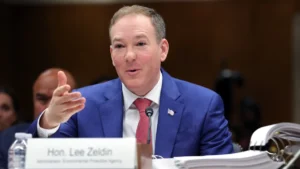
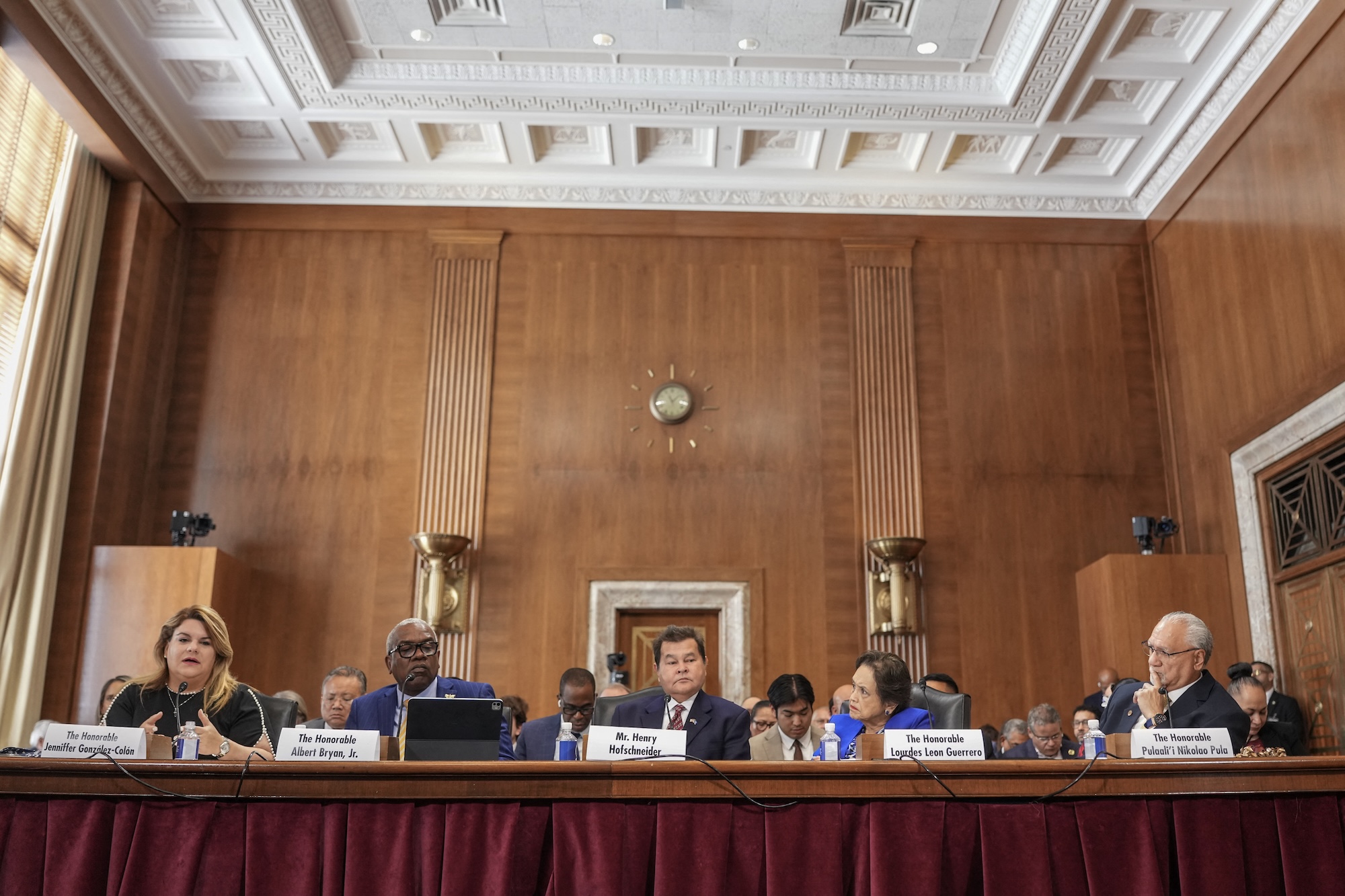
- June: Governors from various U.S. territories testify before a full congressional committee hearing in Washington, D.C., titled "The State of the US Territories," explicitly outlining their opposition to uncoordinated seabed extraction.
- July 16: On Manu’a Flag Day in American Samoa, attorney J.V. Langkilde receives alerts about the advancement of lease sales while celebrating local heritage.
- Late Summer/Fall: Earthjustice files federal lawsuits on behalf of regional conservation groups, challenging the administration’s failure to adequately evaluate environmental threats to species protected under the Endangered Species Act, such as whales and sea turtles.
Despite formal requests from island governors for a 120-day extension on public comment periods to allow proper holiday-season review, federal regulators granted a mere 30 days. Compounding local frustration, the administration subsequently doubled the proposed lease areas near Guam and the Marianas without notifying local executive offices beforehand.
The Colonial Framework and the Democratic Deficit
Unlike independent neighboring island nations, U.S. territories operate under a distinct legal and political disadvantage. Under international law, Indigenous peoples maintain the right to free, prior, and informed consent regarding industrial projects affecting their ancestral waters. However, because Guam, American Samoa, and the CNMI are subject to U.S. federal jurisdiction, Washington asserts the authority to bypass local statutes.
This dynamic highlights what legal scholars and advocacy groups term an enduring colonial framework. Adi Martínez-Román, co-director of the Right to Democracy initiative, notes that residents of these territories are effectively disenfranchised on the national stage. They cannot vote in presidential elections, possess no voting representation in Congress, and see their rights to self-determination systematically sidelined.
"The territories are practically invisible to the general U.S. society and to public officials," Martínez-Román said. "It is an insidious result of the colonial framework."
While independent sovereign neighbors like Samoa—situated just 40 miles northwest of American Samoa—exercise total control over their maritime zones and have committed to protecting at least 30 percent of their waters, U.S. territories maintain jurisdiction only within three nautical miles of their shores. The federal government claims authority over the remaining 197 miles of the surrounding 200-mile exclusive economic zone.
Economic Desperation Versus Environmental Threats
Proponents of deep-sea mining argue that extraction could provide a transformative economic windfall for developing island economies. In American Samoa, the private sector is heavily dependent on a single StarKist tuna cannery that employs approximately 2,000 workers and accounts for roughly 80 percent of local jobs. Meanwhile, the CNMI has faced a protracted tourism slump exacerbated by severe climate impacts, including back-to-back super typhoons that recently battered the islands. In Guam, pandemic-related economic shifts have deepened reliance on federal military spending.

Some independent Pacific nations, such as the Cook Islands, Nauru, and Tonga, have embraced the industry, viewing sponsored exploration contracts as a viable path toward financial independence and national resilience.
Conversely, local leaders and environmental analysts question the actual economic return for U.S. territories. Recent feasibility studies suggest that deep-sea mining operations in regions like American Samoa would face immense operating costs and might ultimately yield negligible profits. Furthermore, proposed financial-sharing agreements often return little revenue to local communities.
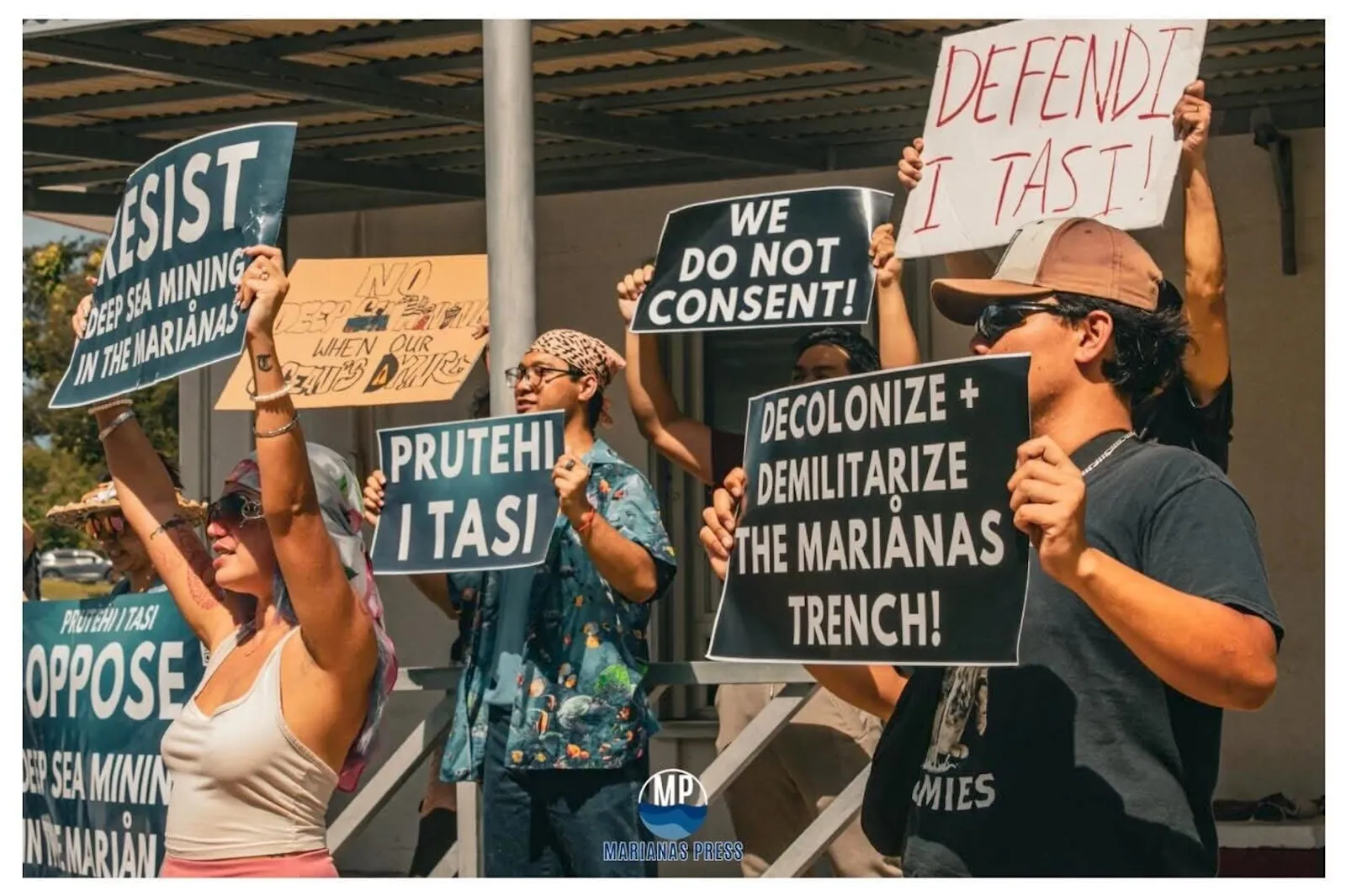
Recognizing that the federal government is likely to push forward despite local protests, territorial leaders have shifted part of their strategy toward securing mandatory financial safeguards and revenue-sharing models. Kimberlyn King-Hinds, the U.S. House delegate for the CNMI, has pledged to introduce legislation guaranteeing a 50-50 revenue split for the commonwealth should extraction proceed. Similarly, American Samoa Governor Pula’ali’i Nikolao Pula testified before the Senate that if the federal government forces the issue, the territory demands a direct seat at the table and binding revenue-sharing mechanisms to fund environmental protection bonds and infrastructure.
Cultural and Ecological Imperatives
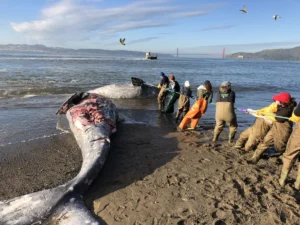
Beyond economics, opponents emphasize the irreversible cultural and ecological costs of disturbing fragile deep-sea ecosystems. Scientific research indicates that abyssal plains and seamounts host delicate, slow-growing organisms that could take centuries to recover from the sediment plumes generated by mining machinery.

For Indigenous communities, the ocean is not merely a resource zone, but an integral component of cultural identity, traditional navigation, and sustenance. John Castro, a traditional canoe house builder and cultural coordinator in Saipan, warns that industrial activities could disrupt marine migratory pathways vital for traditional wayfinding across the Pacific.
"If deep-sea mining happens, and that thing kind of drives whales in a different course, then we’re going to get lost, too," Castro said, reflecting a broader sentiment of resignation among residents who feel dwarfed by the unilateral authority of Washington.
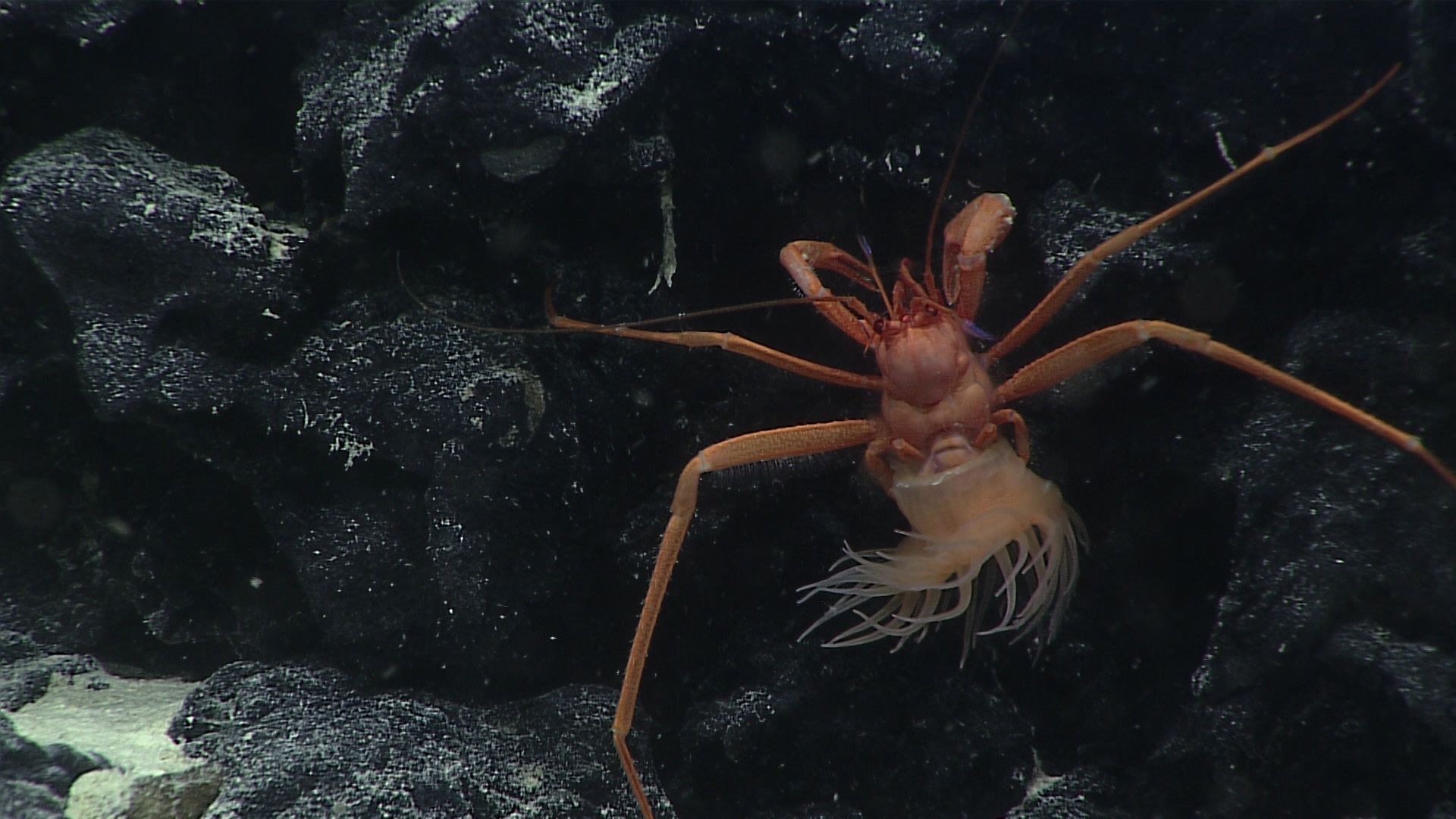
As legal battles mounted by Earthjustice progress through federal courts, the fundamental question remains whether the United States will reconcile its aggressive push for critical minerals with the fundamental rights and sovereignty of the Indigenous populations who have stewarded these Pacific waters for generations.