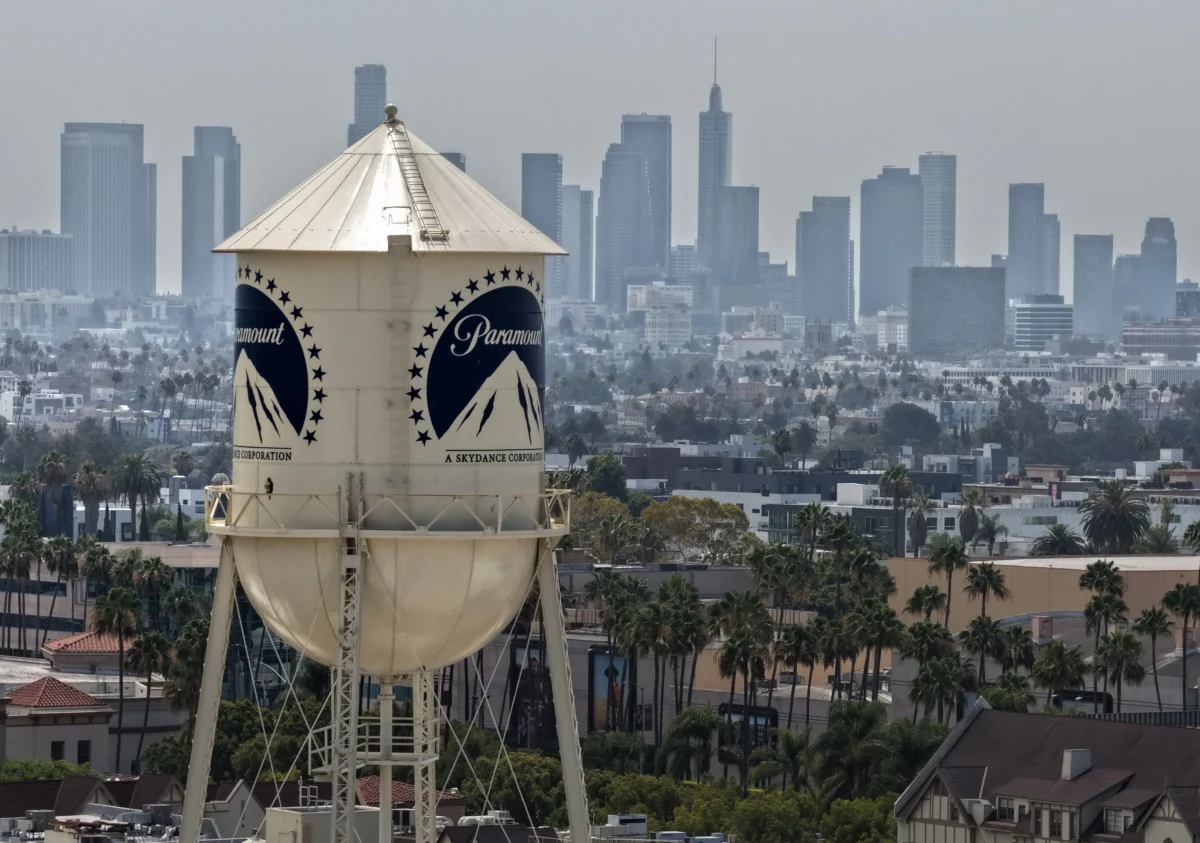
The regulatory path toward one of the largest media consolidations of the modern era reached a significant milestone as federal regulators officially signed off on the foreign capital structure of the proposed mega-merger between Paramount and Warner Bros. Discovery. The Federal Communications Commission issued a declaratory ruling determining that the public interest would be served by approving the transaction’s foreign ownership stakes, which will comprise a substantial portion of the combined enterprise. The decision removes a major regulatory hurdle for the multi-billion-dollar deal, though it arrives amid ongoing debates regarding foreign investment in critical American media infrastructure, national security protocols, and the future governance of legacy broadcasting assets.
Under standard United States telecommunications law, any foreign ownership stake exceeding 25 percent in a company holding broadcast licenses requires explicit regulatory clearance. Because Paramount owns and operates a vital portfolio of local CBS television stations across the country, the FCC held direct jurisdiction over the transaction. Paramount had formally petitioned the agency to review and approve foreign investment components tied heavily to sovereign wealth funds and investment entities based in the Middle East, specifically from Saudi Arabia, Qatar, and Abu Dhabi.
Comprehensive Breakdown of the Foreign Ownership Structure
According to filings submitted by Paramount during the regulatory review process, the total foreign ownership interest in the newly combined corporate entity will reach 49.5 percent. Of that aggregate figure, approximately 38.5 percent will originate from investment funds located in Saudi Arabia, Qatar, and Abu Dhabi. This substantial influx of international capital has drawn intense scrutiny from lawmakers, media watchdogs, and regulatory officials concerned about the growing influence of foreign sovereign wealth in domestic media ecosystems.
Despite the high percentage of financial participation from Middle Eastern entities, Paramount has repeatedly emphasized that financial contribution does not equate to operational control. In its submissions to the FCC and other federal oversight bodies, the company stressed that the Ellison family—alongside key financial partners like RedBird Capital—will retain 100 percent of the voting shares and operational governance rights. Under the proposed structure, the Ellison family will hold the largest equity stake in the combined company and maintain absolute authority over editorial policies, corporate strategy, executive leadership appointments, and day-to-day operations. The foreign investors, by contrast, are strictly structured as passive limited partners with no voting power, board seats, or governance rights whatsoever.
To alleviate potential concerns regarding foreign influence over domestic broadcasting and communications infrastructure, Paramount entered into a formal letter of agreement following a rigorous national security review. This assessment was conducted by the Committee for the Assessment of Foreign Participation in the United States Telecommunications Services Sector—an interagency body often referred to informally as Team Telecom. The agreement formalizes strict boundaries, outlining robust protections for domestic data privacy, cybersecurity, and information sharing, while explicitly restricting the access rights of the international financial backers.
Chronology and Regulatory Timeline
The path to securing this crucial FCC clearance has unfolded through a meticulous series of filings, national security reviews, and strategic corporate maneuvers. Understanding the timeline of the merger and its regulatory components highlights the complexity of modern media transactions:
- Early Phase Announcements: Paramount and Warner Bros. Discovery initiate preliminary discussions regarding a transformative merger aimed at combining two Hollywood powerhouses to better compete in the fiercely contested streaming and entertainment marketplace.
- Petition for Foreign Ownership Approval: Recognizing that combined foreign ownership would significantly exceed the statutory 25 percent threshold due to anticipated Middle Eastern capital injections, Paramount formally petitions the FCC for a declaratory ruling.
- Team Telecom National Security Review: The proposed transaction undergoes a rigorous interagency national security review led by the Committee for the Assessment of Foreign Participation in the United States Telecommunications Services Sector. Paramount submits compliance agreements and data protection protocols to satisfy federal security demands.
- Detailed Capital Disclosures: Paramount publicly discloses that the total foreign ownership of the combined entity will settle at 49.5 percent, with 38.5 percent coming directly from investment funds in Saudi Arabia, Qatar, and Abu Dhabi.
- FCC Declaratory Ruling: The Federal Communications Commission issues its formal declaratory ruling, concluding that the public interest is best served by granting the petition, albeit with strict ongoing compliance provisions.
Official Responses, Dissent, and Corporate Statements
While the majority of the commission voted to advance the ruling, the decision was not unanimous, reflecting deep divisions surrounding the appropriate balance between global capital access and domestic media sovereignty. Anna Gomez, the sole Democratic commissioner on the FCC, raised significant concerns regarding the massive foreign ownership stake. Her reservations echoed those voiced by various progressive and national security-focused lawmakers on Capitol Hill, who have repeatedly questioned the wisdom of allowing foreign sovereign wealth funds to hold multi-billion-dollar financial stakes in foundational American media institutions.
In response to these criticisms, a corporate spokesperson for Paramount defended the integrity and safety of the transaction, emphasizing the strict division between economic investment and voting control.
When the proposed transaction with Warner Bros. Discovery closes, the Ellison family and RedBird will collectively hold the largest equity stake in the combined company and 100 percent of the voting shares, with no other equity participant having any governance rights, the Paramount spokesperson noted. The spokesperson further underscored that the FCC ruling and the accompanying national security clearances validate the company’s rigorous safeguards, noting that the agreement with federal security agencies provides ironclad protections for domestic data and strictly limits the operational scope of foreign participants.
Crucially, the FCC ruling includes an explicit enforcement provision. The regulatory agency mandated that Paramount must seek formal, advance permission from the commission if aggregate foreign voting interests ever exceed 25 percent—a safeguard designed to maintain structural compliance—or if the company proposes altering the specific voting interests of any of the approved foreign investors under the terms of the newly issued declaratory ruling.
Broader Industry Implications and Future Outlook
The FCC’s approval of the foreign ownership stake marks a pivotal turning point for the Paramount and Warner Bros. Discovery merger, but the transaction still faces additional layers of regulatory oversight, antitrust scrutiny, and shareholder votes before it can reach a formal closing date.
The broader implications of this decision stretch far beyond the boardroom of the two merging companies. As traditional Hollywood studios face relentless financial pressures from the ongoing transition to streaming, cord-cutting, and shifting consumer habits, access to massive pools of international capital—particularly from sovereign wealth funds in the Gulf region—has become increasingly vital for executing multi-billion-dollar corporate consolidations.
However, this growing reliance on foreign capital introduces complex geopolitical and regulatory questions. Critics argue that even passive financial stakes held by foreign governments or state-backed funds can create subtle conflicts of interest or exert indirect influence over content production, news reporting, and public discourse. Conversely, proponents maintain that global investment is essential for maintaining the competitiveness of American media giants against international tech titans and streaming monoliths.
As the merger process continues to unfold, industry analysts will be watching closely to see how federal antitrust regulators—such as the Department of Justice or the Federal Trade Commission—approach the broader competitive impacts of combining two of the industry’s most storied studios. While the FCC has given the green light to the foreign ownership structure, the road ahead remains complex as the companies navigate the remaining domestic and international regulatory clearances required to finalize the historic union.