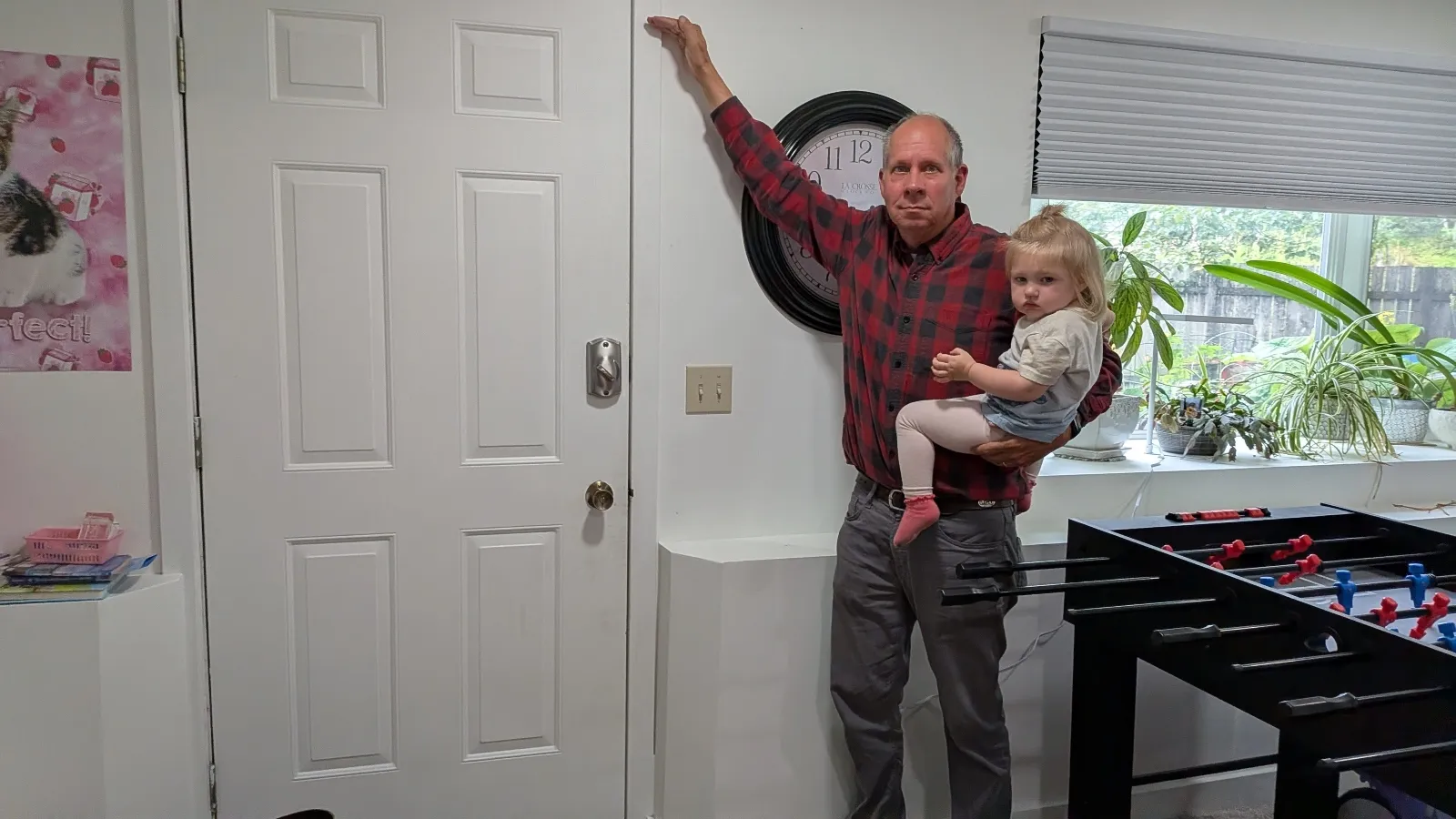
The morning John Lowrey woke to the catastrophic sound of rushing water, he had no reason to suspect that his home’s peaceful proximity to the Mendenhall Glacier was actually a front-row seat to an unprecedented climate crisis. Two years ago, the 65-year-old retiree and father of five rushed toward his basement just as a three-foot wave slammed through the door, tearing it entirely from its hinges. Water surged through the bay windows, instantly destroying the family’s piano, heirloom cedar chests, and vital structural insulation. His 29-year-old daughter frantically piled family photographs onto a bed until the mattress itself began to float. By the time the inundation subsided, the damage to documents, appliances, and the home’s foundation totaled $150,000.
"We lost everything," Lowrey recalled. What he did not know then was that the devastating floodwaters would return the following summer—and the summer after that.
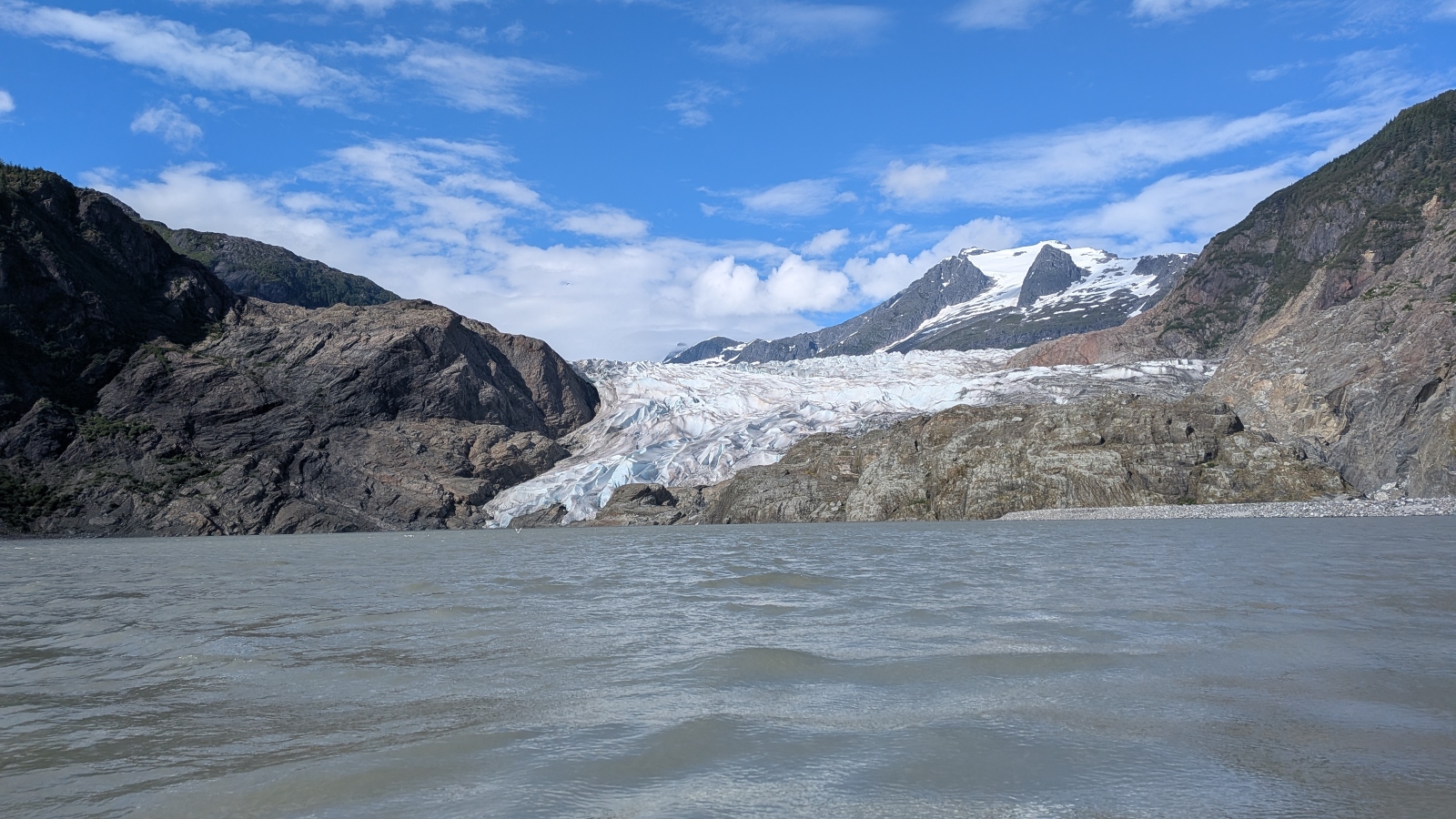
Juneau, the remote capital of Alaska, is warming at a staggering two to three times the global average. This rapid climatic shift has transformed the surrounding geography, creating a recurring, high-stakes natural disaster threat that is forcing local residents, scientists, and municipal leaders to completely rethink emergency preparedness. As climate change accelerates glacial melt worldwide, Juneau’s struggle offers a sobering glimpse into the future of hazard mitigation for communities living in the shadow of the world’s changing ice fields.
The Anatomy of a Glacial Outburst
The root of Juneau’s recurring crisis lies just beyond the sprawling, blue-and-gray expanse of the Mendenhall Glacier. Nestled beside the glacier is a side basin known locally as Suicide Basin. Since 2011, meltwater and heavy seasonal rains have collected in this natural bowl, using the glacier itself as an unstable ice dam. As water accumulates, the tremendous hydrostatic pressure eventually lifts the glacial ice, carving out a subterranean drain that sends a torrential volume of water rushing down into the Mendenhall River.
During a major outburst flood, Suicide Basin can release upward of 15 billion gallons of water—enough to fill roughly 22,000 Olympic-sized swimming pools. For more than a decade after the phenomenon was first observed, these floods remained relatively small and intermittent. However, the situation escalated dramatically in 2023, when the river reached a record-shattering high of nearly 15 feet, inundating dozens of homes and sweeping at least one house entirely into the river.
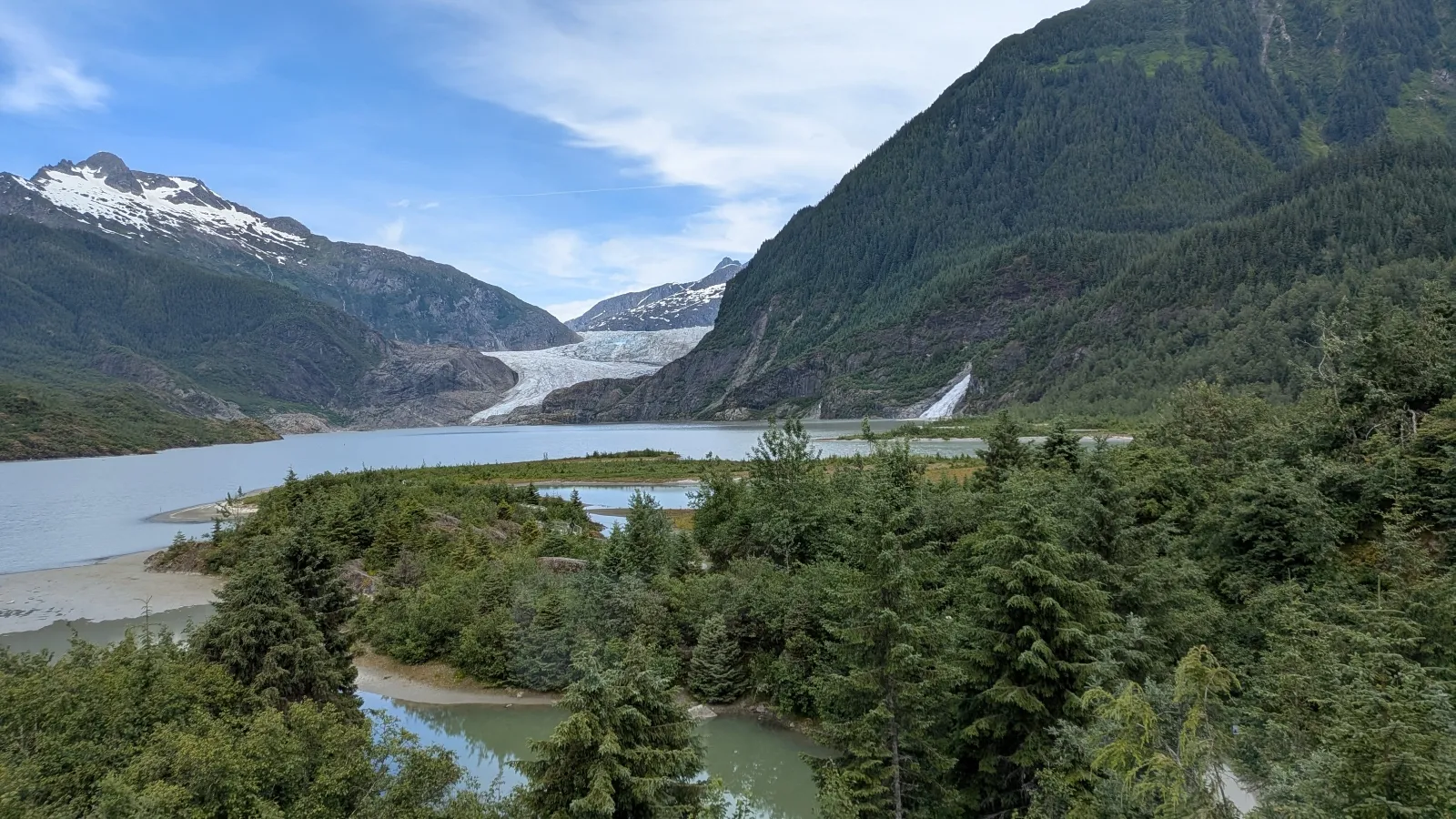
The escalation continued with new benchmark highs recorded in 2024 and 2025, culminating in yet another severe flood event last month. Hydrological scientists warn that these catastrophic summer outburst floods are no longer anomalies; they are expected to recur annually for decades to come, threatening thousands of residents living in the Mendenhall Valley flood zone.
Empowering Residents Through Advanced Forecasting
Faced with an annual natural disaster of escalating severity, Juneau has had to innovate rapidly. Because the city of 32,000 people is isolated, accessible only by air or sea, traditional large-scale federal evacuation and rapid-response logistics can face severe delays. Recognizing that municipal intervention alone was insufficient, local researchers and officials shifted their focus toward community empowerment and hyper-local data sharing.
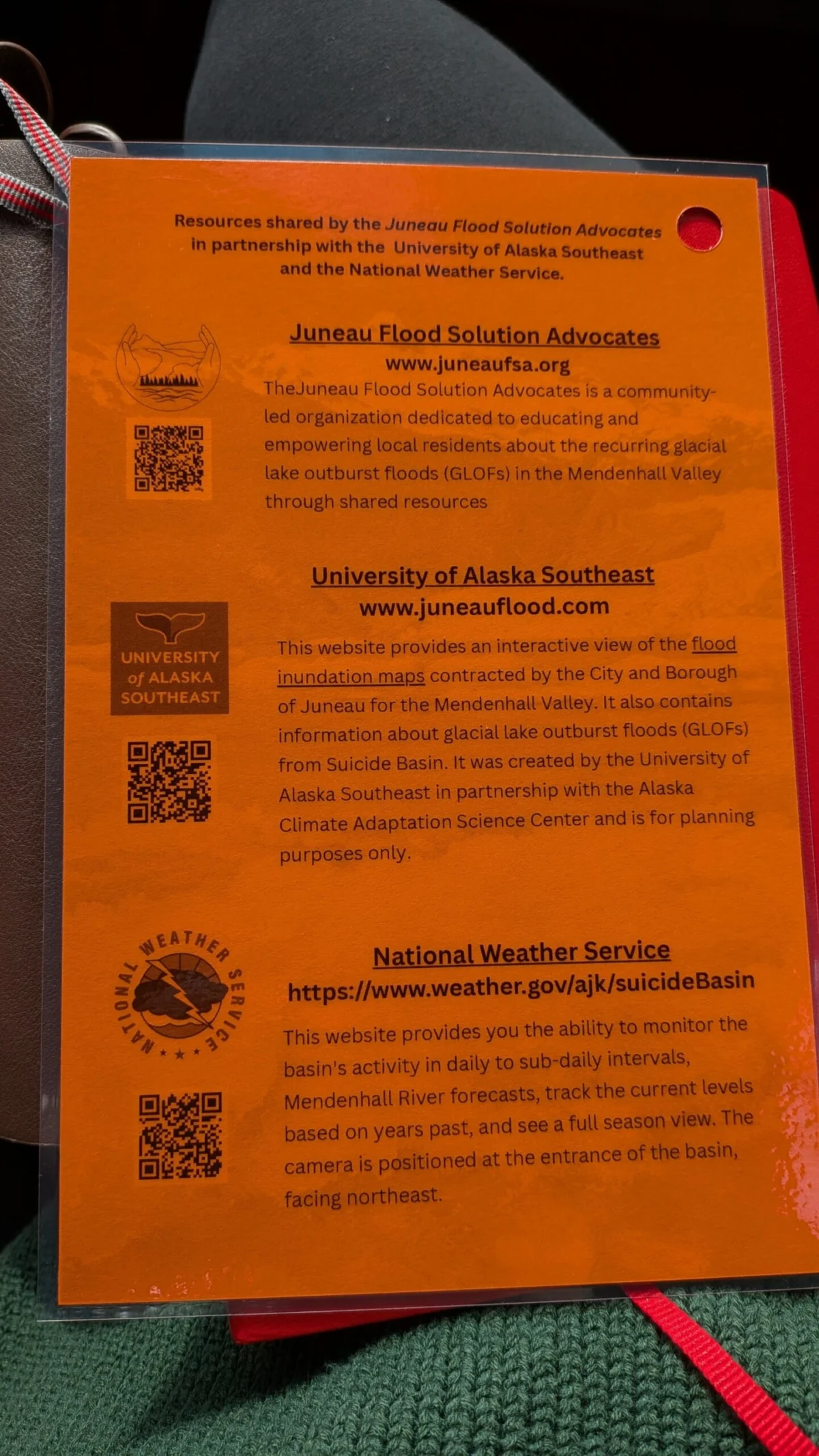
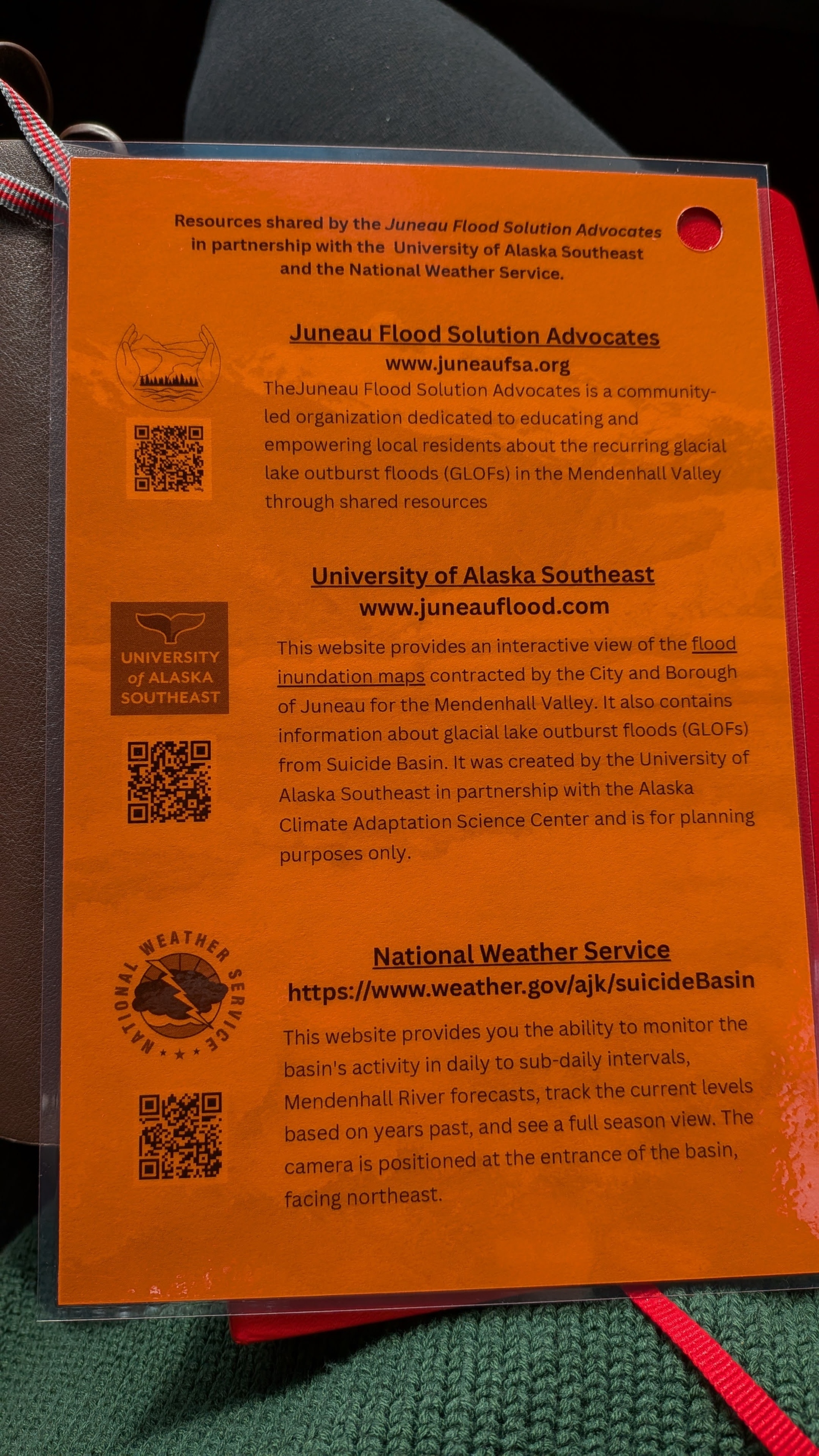
In 2025, a collaborative team from the University of Alaska Southeast, the Alaska Climate Adaptation Science Center, and municipal agencies rolled out a specialized online flood-forecast dashboard. The tool translates complex glacier melt, weather, and hydrology data into accessible, real-time metrics for the public. More than 15,000 people utilized the platform last year alone, tracking flood maps, basin water levels, and predicted crest times down to the hour.
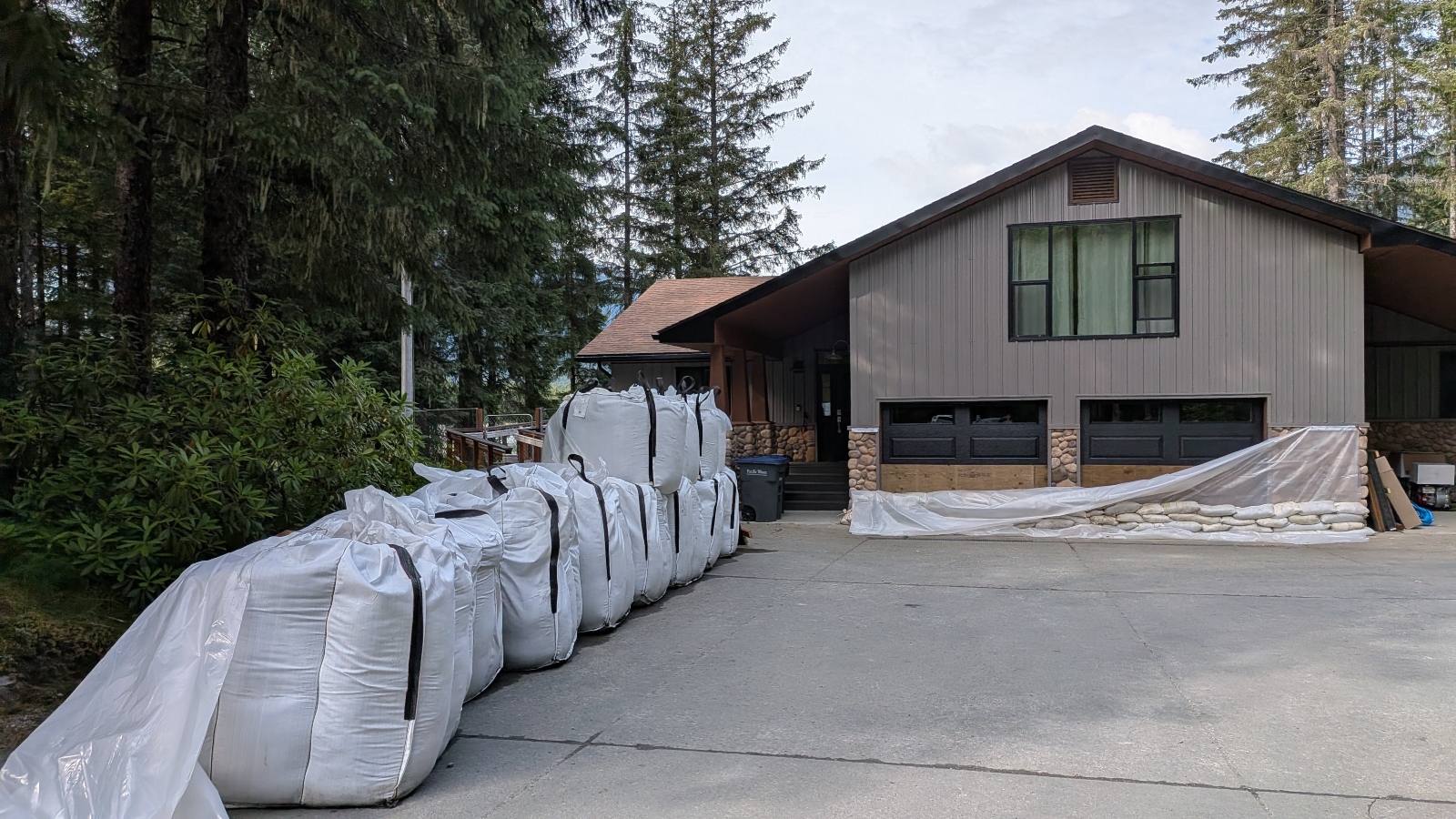
For residents like Mark Miller, a 75-year-old homeowner whose garage was inundated with 16 inches of gray glacial silt two years ago, the dashboard has become an indispensable lifeline. Miller, who now routinely deploys sandbags against his doorways to counter water pressure, checks the portal daily.
"It can accurately predict the height of glacial floods within hours, which is pretty amazing," Miller said. "It’s pretty much on my mind constantly."
Community-led initiatives have dovetailed with the scientific effort. Residents have distributed informational flyers and refrigerator magnets featuring QR codes that link directly to the forecasting dashboard. This grassroots information campaign has ensured that even elderly or technologically hesitant homeowners can quickly access critical evacuation and preparation warnings.
Engineering Defenses Along the Mendenhall River
While public awareness and forecasting tools have improved individual survival and asset protection, the city of Juneau has simultaneously undertaken massive engineering projects to physically alter the landscape of the valley. Nate Rumsey, deputy director of engineering and public works, has spearheaded efforts to establish structural defenses in partnership with the U.S. Army Corps of Engineers.
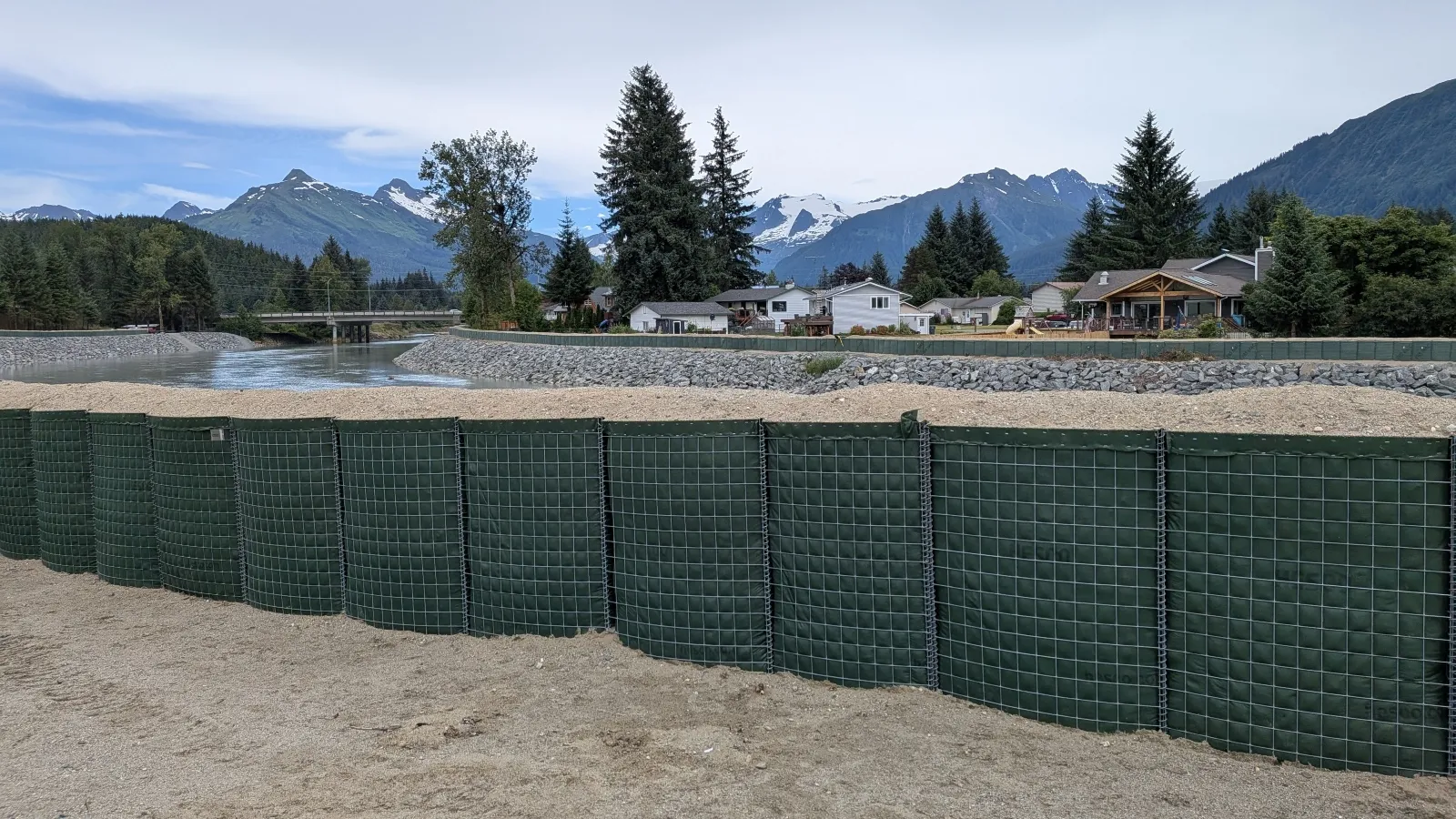
Over the past two years, the city has overseen the installation of roughly six miles of temporary and semi-permanent flood barriers along the Mendenhall River. These defensive structures, known as Hesco barriers, consist of fabric-lined, wire-mesh baskets filled with tons of gravel and dirt. Connected like interlocking blocks and stacked up to four tiers high, the green walls snake through residential neighborhoods, running directly behind local schools, libraries, and private backyards—sometimes coming within mere inches of living room windows.
Rumsey notes that the forecasting dashboard played a crucial role during the installation phase, helping homeowners understand the scale of the threat and the specific protective thresholds the barriers were engineered to meet. Nevertheless, Rumsey remains realistic about the fragility of the community’s current standing. Another severe flood, he cautions, "could put the viability of our community at risk."
Psychological Toll and Economic Realities
The psychological impact on Juneau’s residents is profound. "For Sale" signs now dot the Mendenhall Valley, but the real estate market within the designated flood zone has effectively stalled into a buyer’s market. Homeowners have been forced to adapt through radical architectural and defensive modifications: some have excavated moats around their properties, others have hoisted entire houses several feet into the air on stilts, and many maintain stacks of sandbags year-round.
Alyssa Fischer, a 33-year-old single mother, learned the raw fury of the glacier firsthand when she woke up at 2 a.m. to find her street transformed into a roaring river. Carrying her young children through knee-deep, icy currents while her front porch was swept away, Fischer managed to evacuate her family—alongside pet ducks, quail, and geese placed safely in the bed of her pickup truck as water surpassed the vehicle’s wheels.
Today, Fischer’s relationship with the natural landscape has fundamentally shifted. During the summer flood season, she monitors the forecasting dashboard on an hourly basis, tracking rainfall totals and cubic-foot discharge rates.

"Before it impacted my life, it was like, ‘Oh, that’s interesting,’" Fischer said. "Now, I want to know what’s happening. It’s your life, it’s your money and your investment, and understanding what’s actually happening in the world around you and how it’s going to affect you is essential."
Broader Implications for Global Climate Adaptation
The lessons forged in Juneau’s river valley carry profound implications for communities worldwide that are grappling with recurring climate-driven disasters. Eran Hood, one of the environmental scientists instrumental in developing Juneau’s forecasting tool, argues that the model is entirely scalable to other hazards.
"You can do the same thing with hurricanes, storm surges," Hood said. "You could do the same thing with floods on rivers like the Mississippi."
Ultimately, Juneau’s experience demonstrates that as global temperatures rise and extreme weather events transition from once-in-a-century anomalies to predictable, annual occurrences, structural engineering alone is insufficient. True climate resilience requires marrying advanced, transparent science with community-wide access to information, giving vulnerable populations the power to make informed decisions long before the rising waters arrive at their doors.