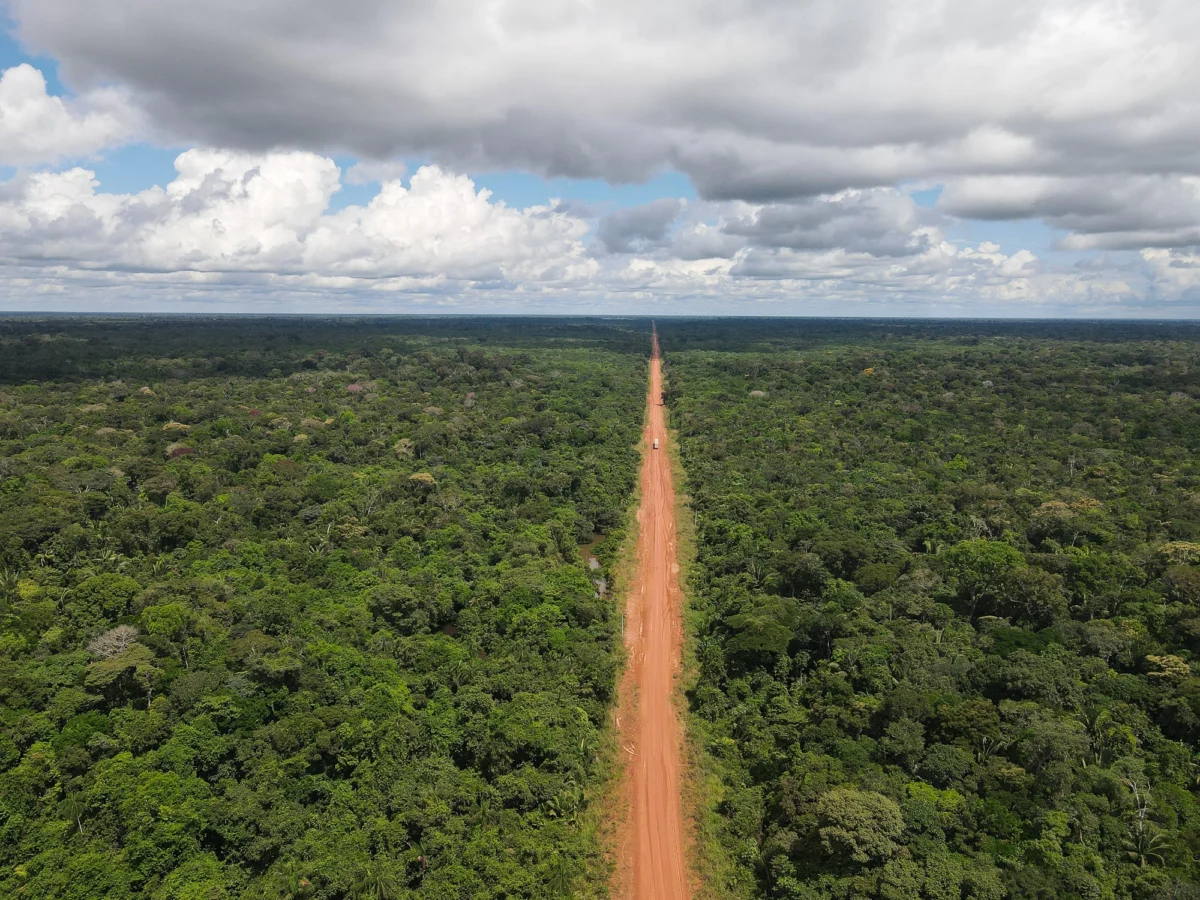
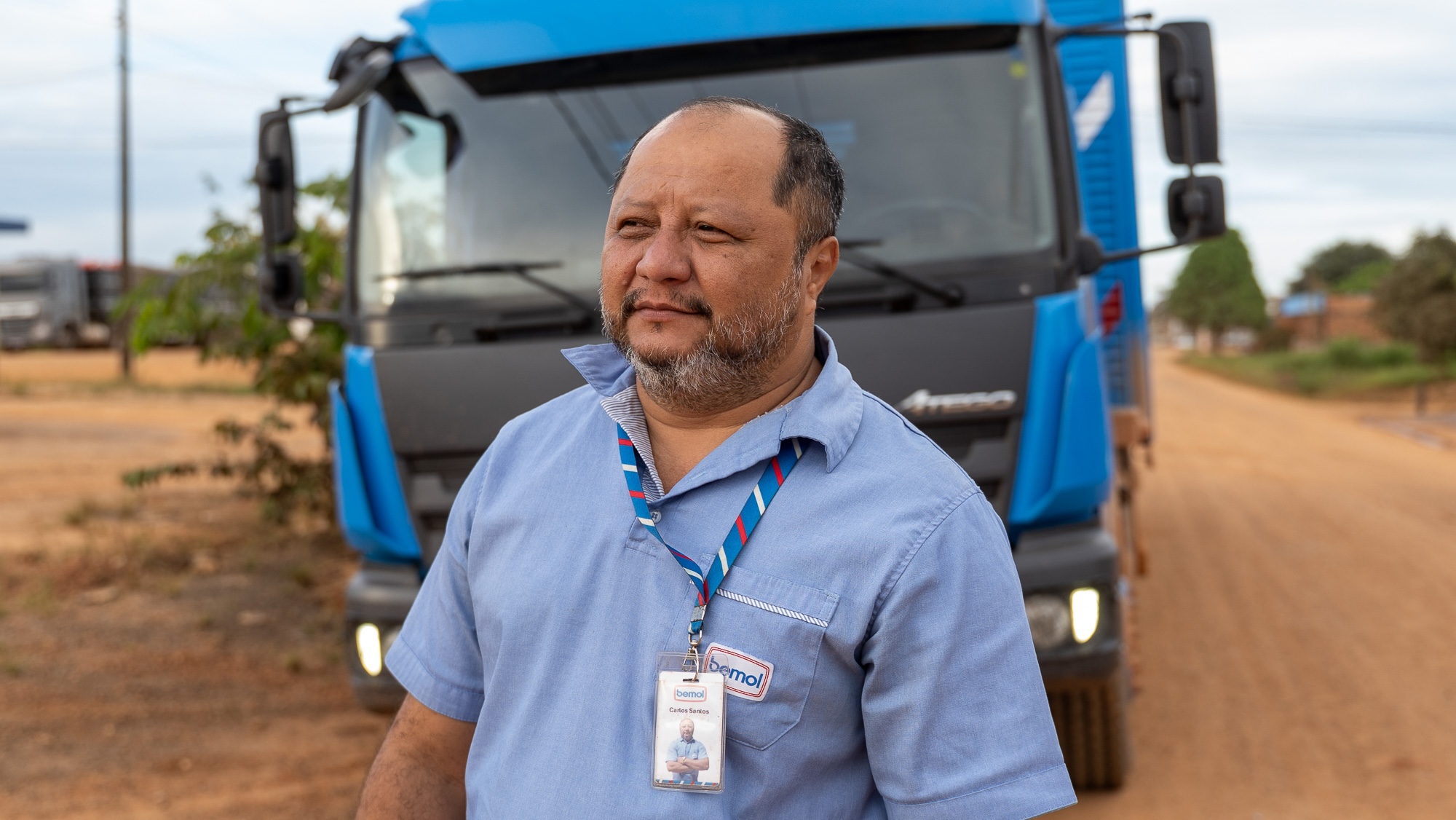
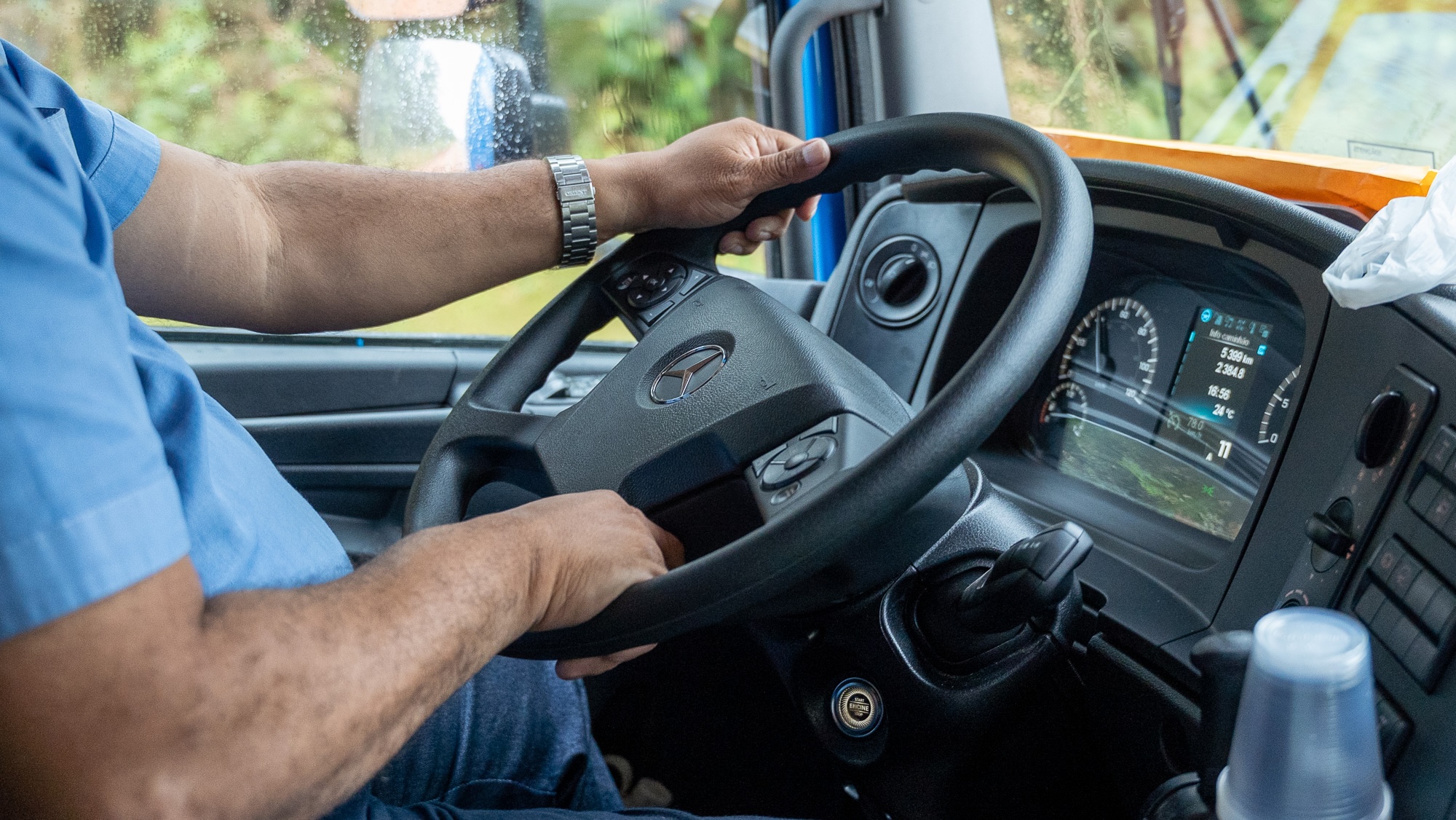
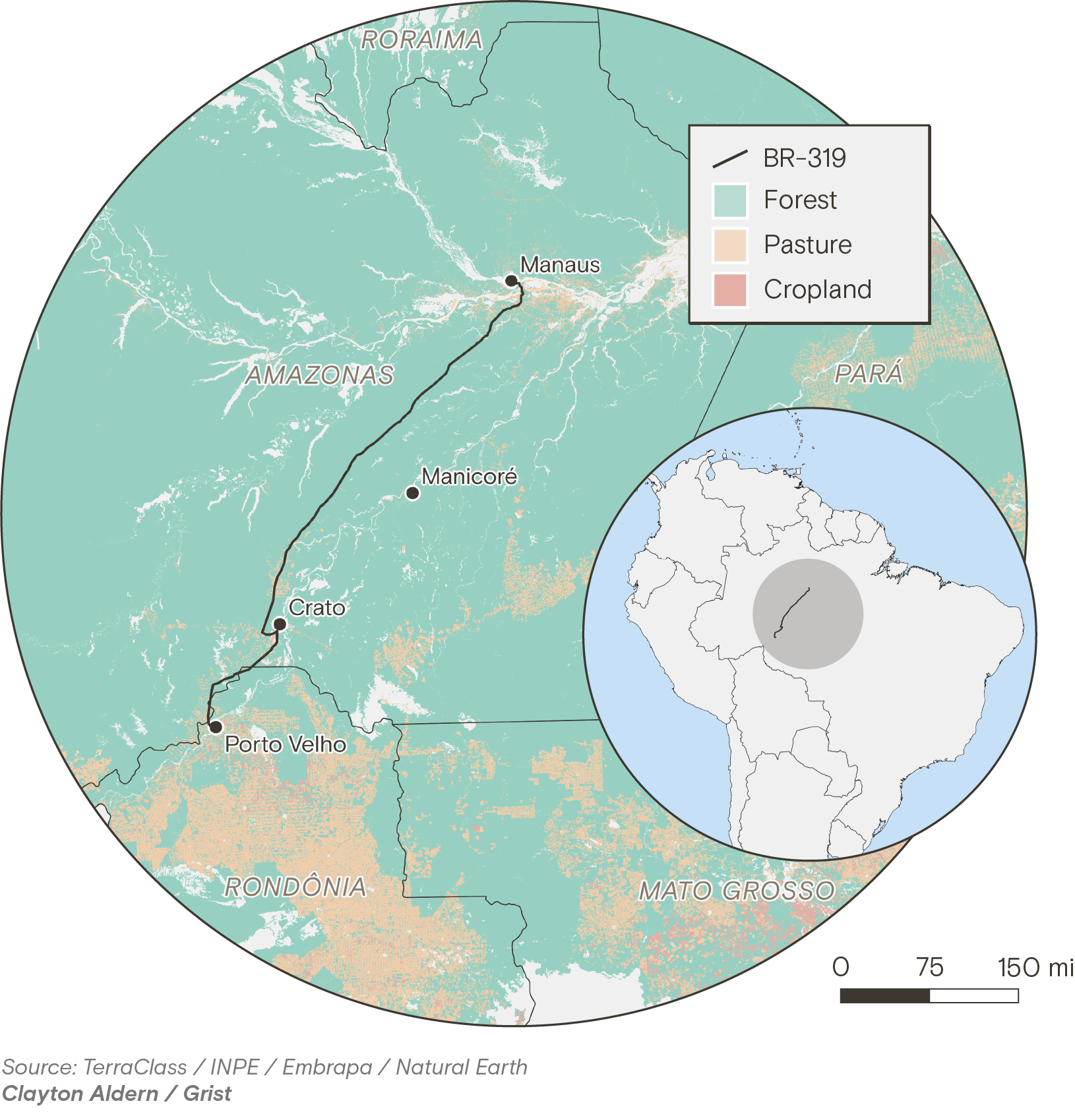
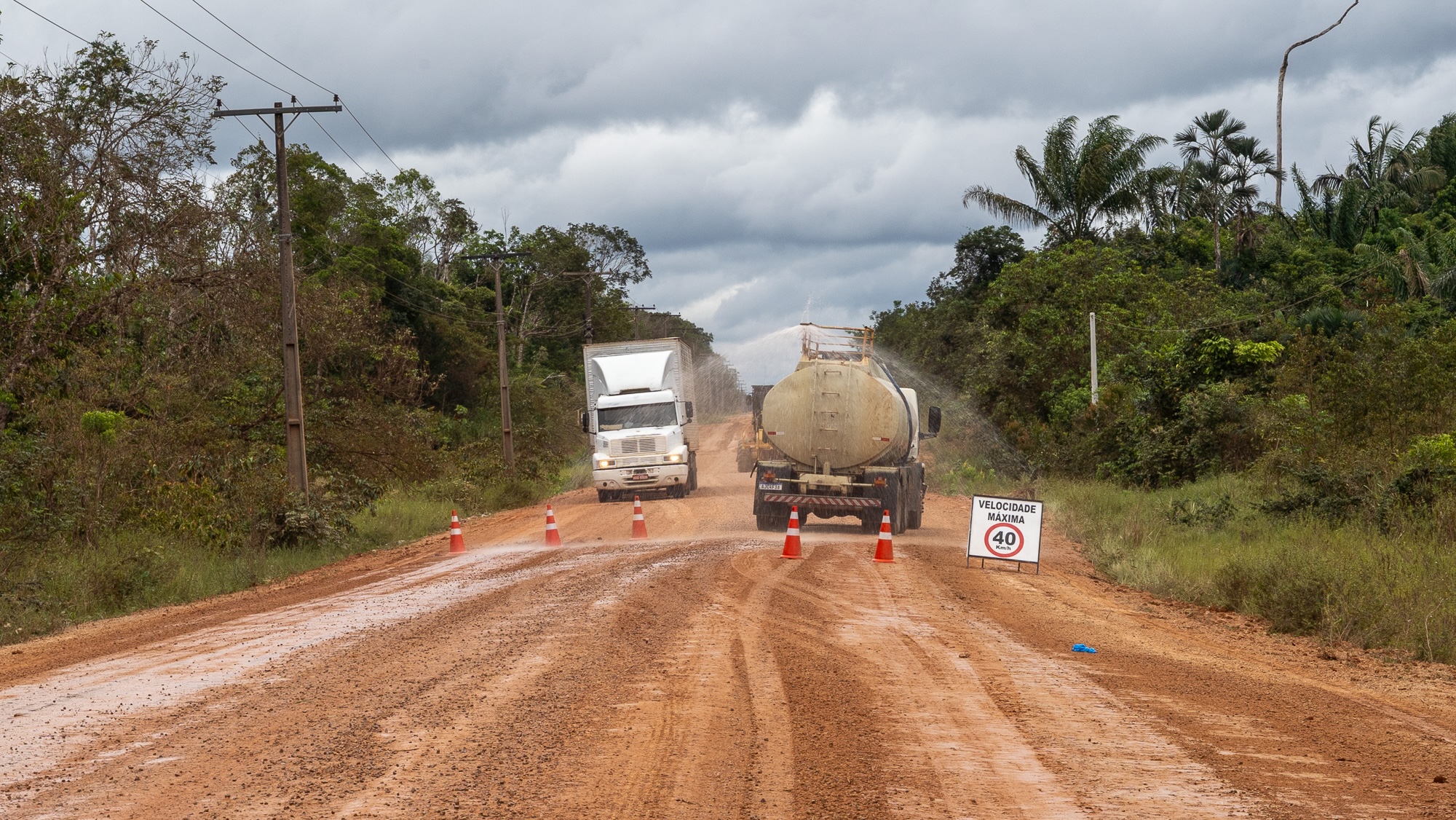
For decades, the journey of veteran truck driver Carlos Santos has served as a grueling microcosm of Brazil’s eternal struggle between regional economic integration and ecological preservation. Traversing the BR-319—a notoriously hazardous, 540-mile dirt highway cutting through the heart of the Amazon rainforest—is rarely a simple logistical assignment. During peak seasonal transformations, a sudden downpour can trap heavy transport convoys in vast expanses of red clay and mud for weeks. Drivers must ration food, string hammocks inside their truck cabs at night while jaguars and tapirs cross the path, and wait for heavy machinery to pull rigs out one by one.
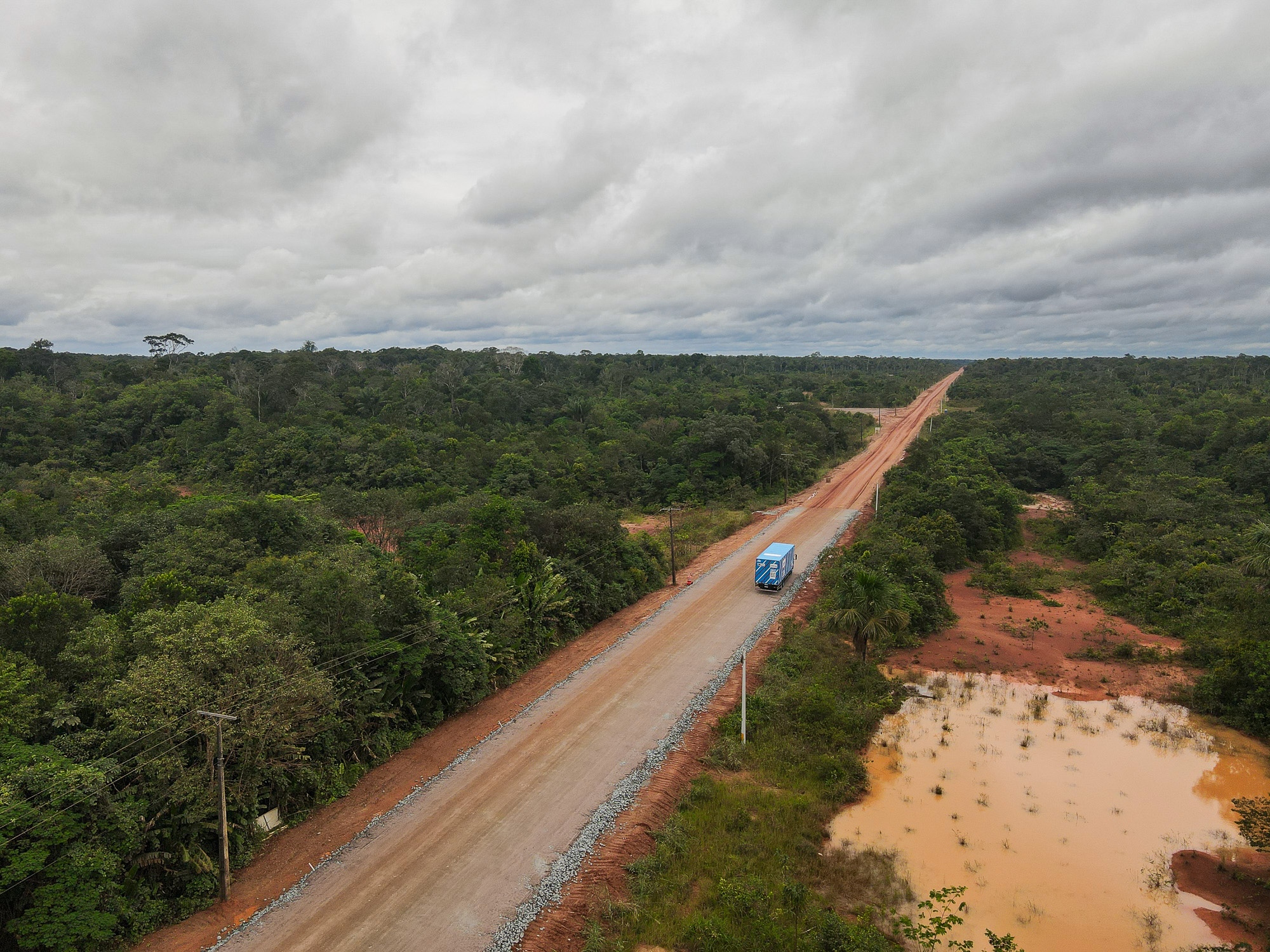
Yet, despite the physical toll, the endurance of Santos and other transport workers highlights a deeper socioeconomic reality: the BR-319 is the sole overland link connecting the vast state of Amazonas—an area twice the size of Texas, home to 4.2 million people—to the rest of Brazil. Now, following decades of fierce legal battles, bureaucratic gridlock, and intense lobbying by agricultural and industrial sectors, federal authorities are moving forward with plans to completely asphalt the route. While proponents argue the project is essential to lift regional isolation and lower the cost of living, scientists and Indigenous advocates warn that paving the highway will unlock an unprecedented wave of deforestation in the world’s largest tropical rainforest, accelerating global climate change.
Historical Chronology of the BR-319
The geopolitical history of the Brazilian Amazon is inextricably tied to infrastructure development, a pattern established during the 1970s under the nation’s military dictatorship.
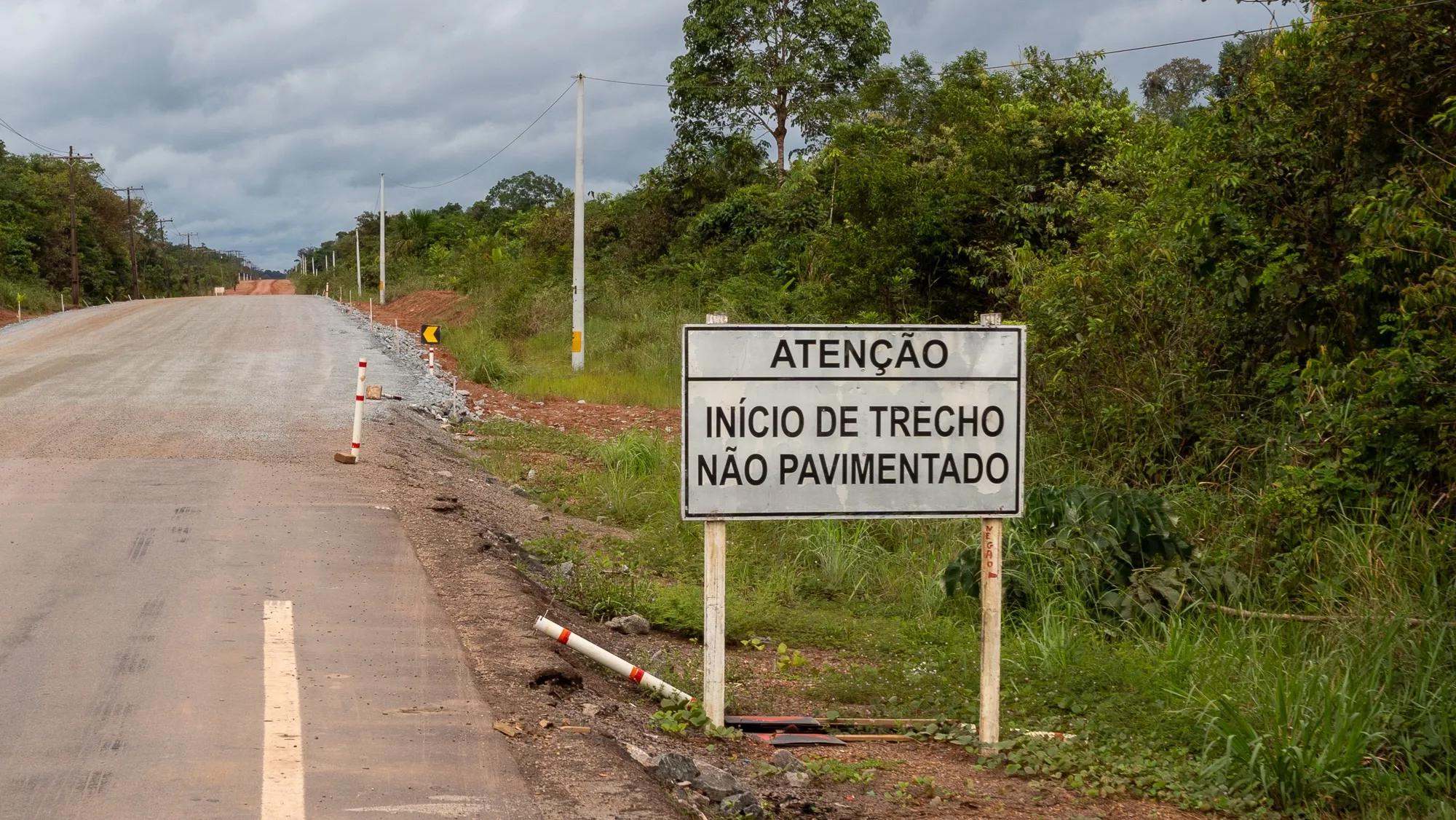
- 1976: The BR-319 was originally fully paved, opening up overland transit between Manaus and Porto Velho. However, maintaining asphalt in a low-lying tropical environment proved exceptionally costly and logistically burdensome.
- 1988: Due to severe erosion, inadequate drainage, and government neglect, the asphalt deteriorated beyond repair. Bus services ceased, commercial transport abandoned the corridor, and the surrounding jungle rapidly reclaimed the roadway, rendering it virtually impassable for decades.
- 2015: Federal regulators issued a limited license allowing for basic maintenance, bridge reconstruction, and debris clearing, permitting regular, albeit perilous, commercial truck traffic to resume on the unpaved surface.
- 2018–2022: Following the election of former President Jair Bolsonaro, environmental protections were systematically rolled back. Bolsonaro’s aggressive pro-development rhetoric triggered a staggering 122 percent spike in deforestation along the corridor between 2020 and 2022.
- 2025: Brazil’s Congress passed legislation allowing infrastructure work on existing roads to bypass traditional environmental licensing requirements, overriding presidential vetoes and clearing the path for new paving contracts.
- Late 2025 – Present: The current administration under President Luiz Inácio Lula da Silva opened formal bidding for paving contracts, promising accompanying environmental safeguards while balancing intense electoral pressure from Amazonas residents who overwhelmingly support the highway’s completion.
Economic Necessity Versus Isolation
Supporters of the paving initiative argue that Amazonas’s heavy reliance on river navigation and air freight creates systemic economic vulnerabilities. Manaus, the state capital housing over two million residents, operates as a major manufacturing and industrial hub propelled by tax incentives established in the 1960s. However, severe droughts—exacerbated by ongoing climate shifts—frequently disrupt river transport, driving up consumer prices, delaying the delivery of critical supplies like medicine and food, and isolating the local population.
Polling data underscores the overwhelming popular backing for the project. According to a 2025 survey conducted by the Instituto de Pesquisa do Norte, approximately 90 percent of residents in Amazonas favor asphalting the BR-319. Proponents argue that the state’s low relative GDP per capita and lagging developmental metrics are direct consequences of geographic isolation. For working-class residents and regional entrepreneurs, the road represents basic citizenship, economic parity, and the right to be connected to the broader national economy.
Ecological Implications and the Fishbone Phenomenon
Conversely, the scientific community views the full asphalting of the BR-319 as a critical ecological tipping point. The Amazon biome currently stores an estimated 150 to 200 billion tons of carbon in its vegetation and soils, functioning as a vital global carbon sink. When forested land is cleared and burned, that trapped carbon is released into the atmosphere, intensifying global greenhouse gas emissions.
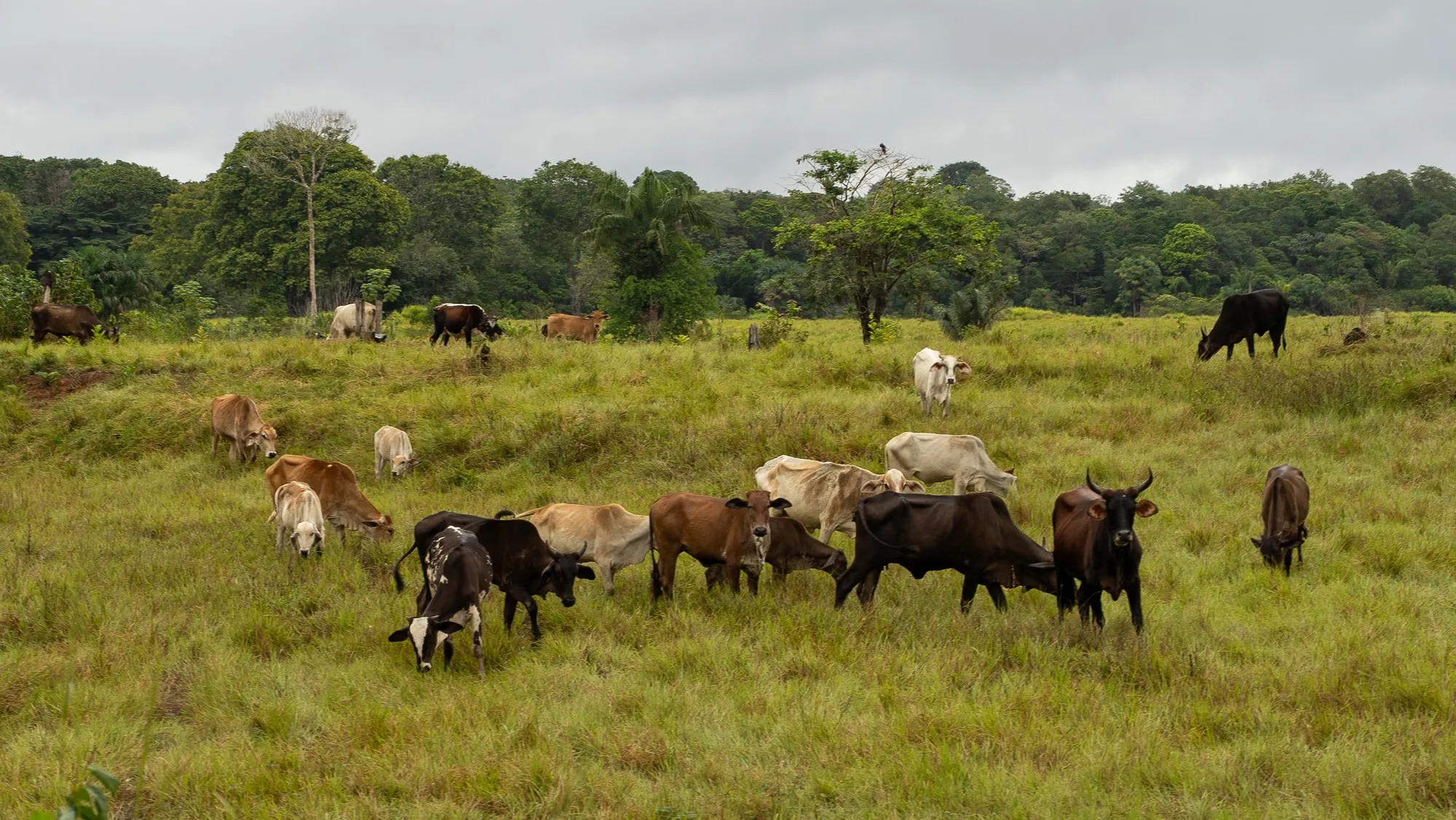
Researchers point to the well-documented "fishbone phenomenon," wherein major highways act as primary spines from which illegal logging roads, land-grabbing tracks, and wildcat mining paths branch out. Satellite data reveals that the network of unauthorized side roads branching off the BR-319 already exceeds the length of the highway itself.
Modeling studies led by prominent Brazilian scientists, including Britaldo Soares-Filho of the Federal University of Minas Gerais, indicate that asphalting the route could drive massive regional deforestation, potentially releasing billions of tons of carbon dioxide by 2050. Furthermore, researchers warn that connecting the largely pristine central Amazon basin to active deforestation hotspots in the south could disrupt critical atmospheric moisture cycles—the famous "flying rivers"—ultimately precipitating severe water shortages in major metropolitan centers like São Paulo.
Government Mitigation Efforts and Criticisms
In response to mounting pressure from environmental coalitions, the federal government announced plans to allocate a portion of the project’s budget toward an environmental governance framework. This plan includes the establishment of protected conservation units, wildlife overpasses, and intensified ecological monitoring within a designated buffer zone. On September 8, President Lula officially decreed the creation of four new protected areas encompassing roughly 2,600 square miles along the corridor.
However, environmental watchdogs argue these measures fall short of what is necessary. Critics note that the newly protected acreage is significantly smaller than initially promised in closed-door meetings and that vital oversight infrastructure remains largely conceptual.
Suely Araújo, public policy coordinator for the Climate Observatory (Observatório do Clima), emphasized that enforcement agencies such as IBAMA are chronically understaffed and lack a tangible physical presence along the highway. "The plan being drawn up needs to be translated into documents with feasible, credible targets," Araújo noted. "You need structural measures that are actually implemented, not just promised."
The Human Cost: Indigenous Communities Under Threat
Beyond broader environmental concerns, the BR-319 project poses direct existential threats to the Indigenous populations inhabiting the region. Official figures indicate that roughly 69 Indigenous territories—housing at least 13 distinct ethnic groups comprising more than 18,000 people, including groups living in voluntary isolation—fall within the direct zone of influence.
Despite constitutional mandates requiring prior consultation on major infrastructure projects impacting native lands, Indigenous leaders report that meaningful dialogue has been bypassed. Increased traffic and reduced administrative oversight have already fueled a surge in aggressive land-grabbing, illegal timber extraction, and contamination of local waterways. Incidents of chemical pollution—such as the reported illegal use of agricultural herbicides near traditional nut-harvesting grounds—highlight the severe vulnerabilities faced by communities living adjacent to the expanding frontier.
Conclusion: A Precarious Path Forward
As construction contracts move forward and heavy machinery reshapes the terrain, the BR-319 remains a stark symbol of Brazil’s complex modern dilemmas. Balancing the legitimate developmental and economic aspirations of millions of isolated citizens against the imperative to safeguard the world’s most critical ecological buffer will require unprecedented administrative discipline, robust enforcement, and genuine cross-sector collaboration. Without rigorous, pre-emptive safeguards, the paving of the BR-319 risks unlocking irreversible environmental degradation with profound global consequences.