Beneath the dramatic topographies of the American West—stretching from the jagged peaks of the Rocky Mountains and the Sierra Nevada down to the scorching expanses of the Great Basin—lies an immense, carbon-free energy source largely untapped by modern civilization: the Earth’s inner heat. Driven by ancient tectonic collisions that fractured and separated continental plates, thermal energy from the planet’s molten core rises extraordinarily close to the surface across the Mountain West and Pacific states. Today, this geologic anomaly is sparking a massive commercial gold rush. An aggressive wave of next-generation geothermal energy companies is deploying advanced drilling techniques to harvest subterranean heat for zero-carbon electricity. Their timing is no coincidence; they have found a deep-pocketed, intensely energy-hungry customer base desperate for around-the-clock power: the booming artificial intelligence and data center industry.
For years, tech giants have aggressively pursued ambitious climate goals, committing to power vast networks of servers with 100 percent renewable energy. However, traditional wind and solar farms—while vital to the clean energy transition—suffer from intermittency, relying entirely on the whims of weather and sunlight. To keep data centers operating reliably twenty-four hours a day without resorting to carbon-emitting natural gas peaker plants, tech companies require "firm" clean power. Geothermal energy provides precisely that steady baseload generation. Consequently, Silicon Valley has thrown its financial weight behind geothermal start-ups. Meta and Google have recently inked high-profile supply agreements in New Mexico and Utah. Notably, Google finalized a landmark agreement to purchase 396 megawatts of power from Fervo Energy’s upcoming Cape Station facility in southwest Utah, an output sufficient to electrify approximately 430,000 homes.
This corporate appetite has injected unprecedented momentum into a sector that historically struggled to attract venture capital. Federal land auctions in the Mountain West have shattered previous records, with developers submitting historic per-acre bids to secure geothermal leases on public lands. By borrowing high-tech directional drilling, hydraulic fracturing, and seismic imaging techniques pioneered by the oil and gas industry, modern developers are breathing new life into a technology that was once geographically restricted and financially prohibitive. Yet, as this subterranean energy revolution collides with the ecological realities of the arid West, it faces an ironic and formidable obstacle: an insatiable thirst for water.
The Geothermal Paradox: Thirsty Technology in Arid Landscapes
The fundamental physics of geothermal power generation have always revolved around water. Traditional geothermal energy plants operate by sinking deep wells into naturally occurring underground hydrothermal reservoirs—essentially tapping into subterranean hot springs. The hyper-heated water or resulting steam is brought to the surface to spin industrial turbines, generating electricity before being injected back into the earth to reheat. Because this conventional method relies heavily on finding the precise geological trinity of intense heat, permeable rock, and abundant natural water, its geographical viability has historically been limited to a tiny fraction of the global landscape.
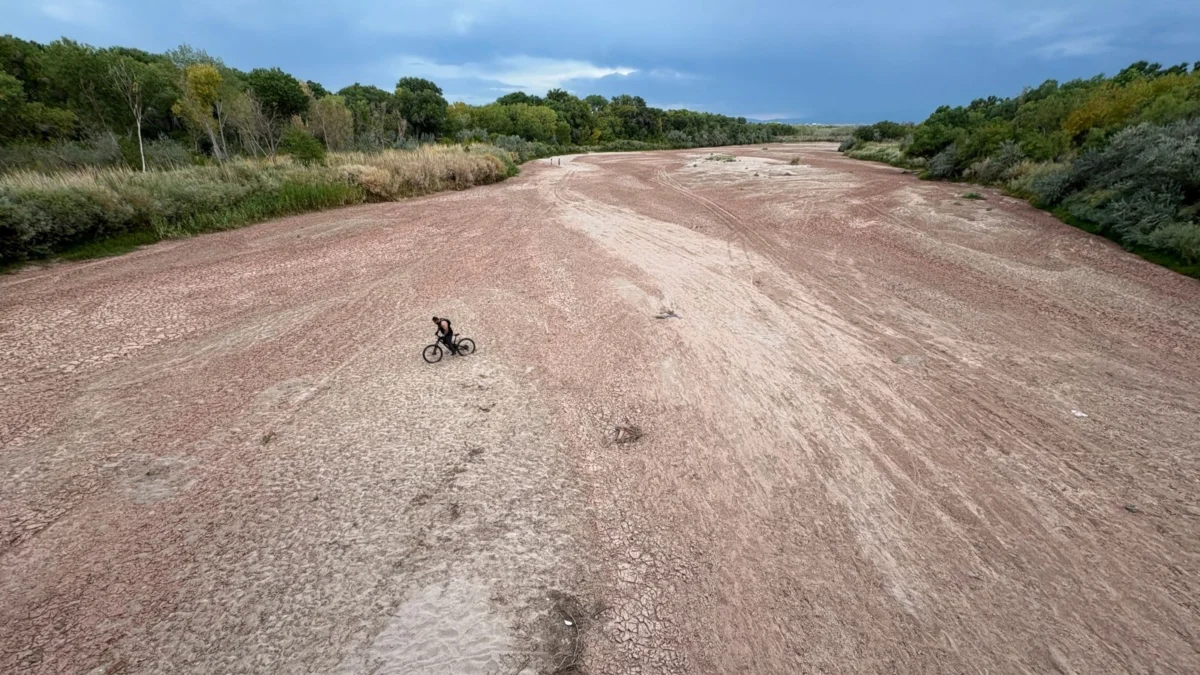
To break past these geographic boundaries, developers created "next-generation" or enhanced geothermal systems (EGS). These modern technologies can unlock heat in dry, impermeable hot rocks by intentionally introducing water from the surface. However, the volume of water consumed during this process varies dramatically depending on the engineering approach. This reality creates a profound policy and environmental friction point: the exact region possessing the prime geological heat required for these projects—the American West—is simultaneously enduring multi-decade droughts, shrinking river basins like the Rio Grande, and severe municipal water scarcity.
Furthermore, these geothermal facilities are being built specifically to feed data centers, which themselves require millions of gallons of water daily for evaporative cooling towers to prevent overheating. When a thirst-inducing data center pairs with a water-dependent geothermal plant in a desert environment, the cumulative strain on local aquifers can trigger intense public pushback and regulatory scrutiny.
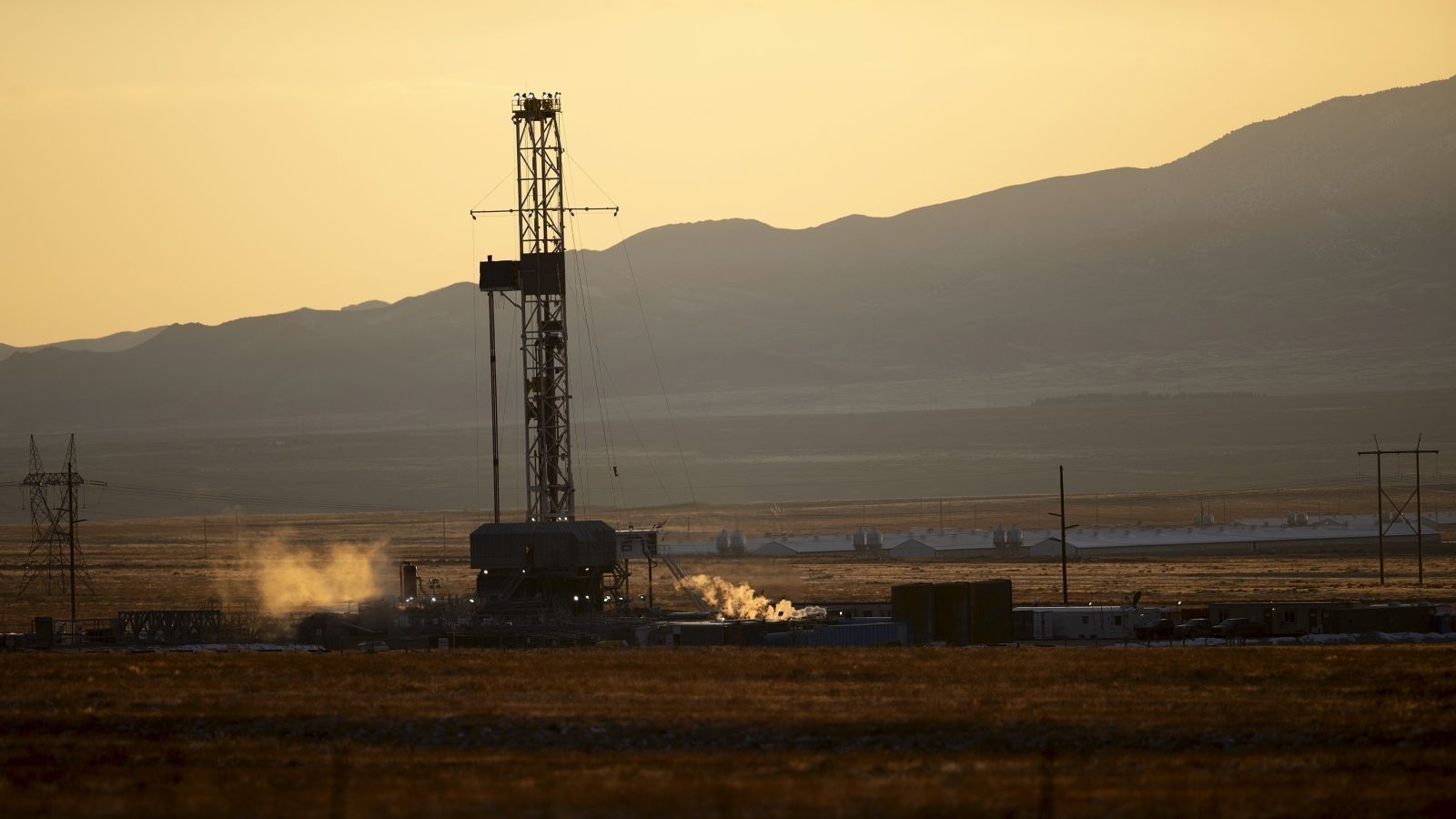
Diverging Engineering Paths: Closed-Loop Systems vs. Enhanced Geothermal
To address the water scarcity crisis, geothermal innovators have split into two distinct technological camps, each presenting its own trade-offs between water conservation, scalability, and economic efficiency.
On one side are companies advocating for "closed-loop" systems, which function essentially like a giant subterranean radiator. A prominent example is XGS Energy, a clean-energy firm partnering with Meta to deploy a 150-megawatt project in New Mexico. XGS utilizes a closed-loop pipe network that cycles heat-transfer fluid continuously through the Earth without letting it mix with subterranean aquifers or escape via evaporation. By coating the pipes with specialized thermal-conductive materials, the system captures the earth’s heat, vaporizes a secondary working fluid at the surface to run a turbine, and recycles the exact same water indefinitely.
XGS argues that this near-zero-water design is essential for scaling geothermal across parched western states without depleting precious municipal and agricultural resources. However, leading academic researchers caution that closed-loop designs face economic hurdles. According to Dr. Roland Horne, director of the geothermal program at Stanford University, closed-loop systems currently generate lower power yields per well and experience shorter operational lifespans compared to open-loop alternatives. Unless technology matures rapidly or corporate buyers are willing to absorb higher capital expenditures, water-free geothermal may struggle to compete on a gigawatt scale.
Conversely, the more dominant and commercially advanced approach is enhanced geothermal systems (EGS), which utilize industrial hydraulic fracturing—or "fracking"—to engineer artificial reservoirs in hot, dry basement rock. While EGS projects use far less water over their operational lifetime than traditional fossil-fuel gas plants used for identical power outputs, the process inherently loses a portion of the injected fluid deep underground.
At Fervo Energy’s pioneering Project Red site in Nevada—the first enhanced geothermal facility to successfully produce commercial power—operators reported losing roughly 30 percent of the water injected underground during initial phases. While Fervo maintains that advanced design adjustments at its newer Cape Station project in Utah will slash loss rates to around 5 percent, scaling this technology to meet massive tech-sector demands will still require staggering volumes of liquid.
The Data Center Backlash and Municipal Water Strains
The tension between digital infrastructure growth and natural resource limits is perhaps nowhere more visible than in New Mexico. Recently, software giant Oracle proposed building up to 2 gigawatts of new renewable generation—potentially incorporating geothermal—to offset the heavy carbon footprint of a massive new data center complex under construction in the state. While the initiative was framed as a major green commitment, back-of-the-envelope calculations by Kristie McLin, principal investigator at the Department of Energy’s Utah FORGE geothermal laboratory, revealed a sobering metric: supplying a 2-gigawatt data center load entirely through standard enhanced geothermal could consume approximately 42 million gallons of water every single day. That volume equates to roughly half of the total daily municipal water demand of Albuquerque.
"This is a real problem that the industry absolutely needs to try to figure out," McLin warned. "When it’s additive and all your other water sources are already allocated to other uses, it can be challenging to find the volume of water you need to start up and sustain enhanced geothermal."
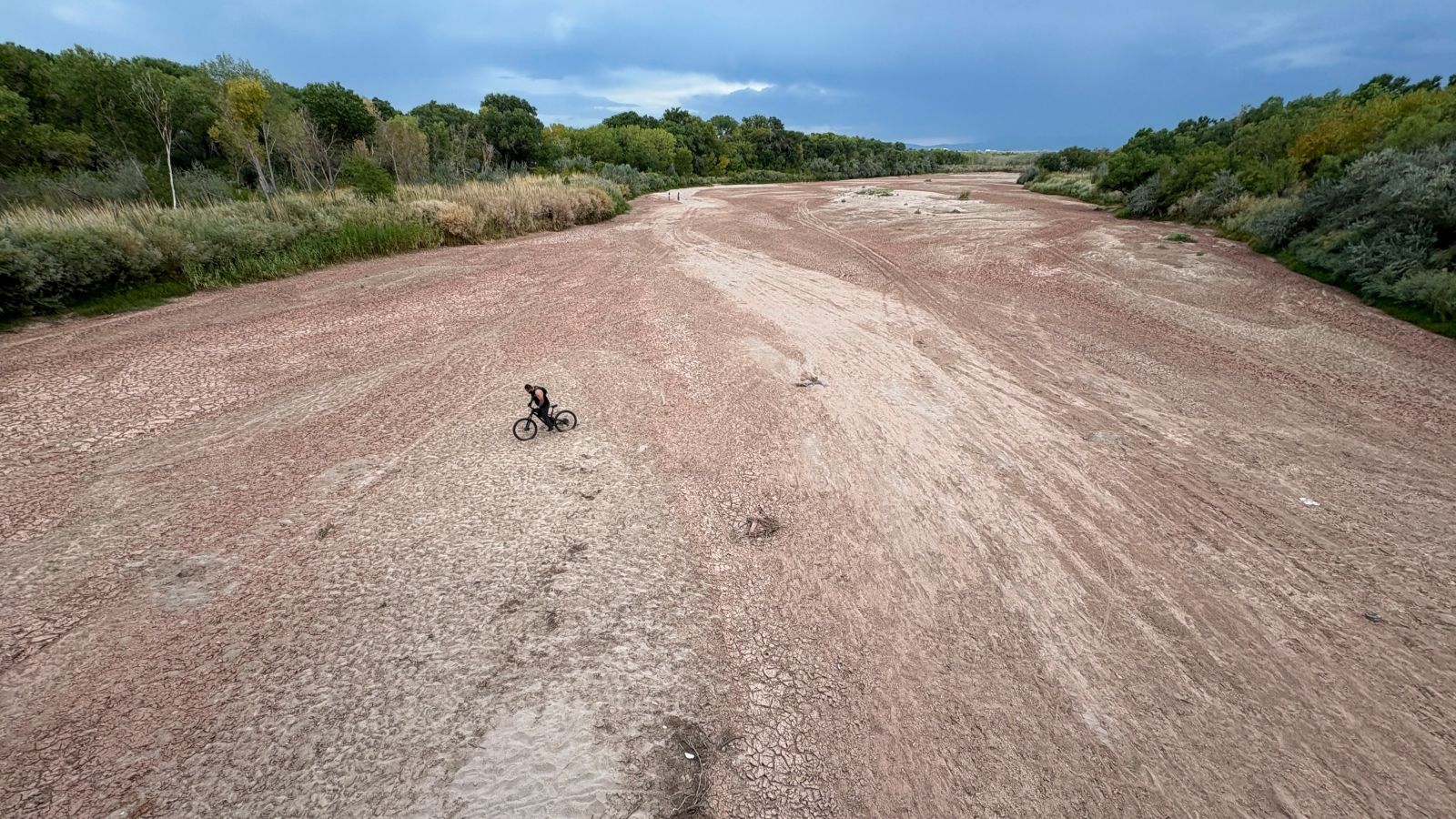
Although developers like Fervo emphasize that they intentionally avoid using potable drinking water—opting instead for non-potable, highly saline brackish groundwater—the mere optics of drawing millions of gallons of fluid from fragile desert basins during a historic drought can poison public opinion. Anti-data-center protests have erupted outside state environmental agencies in Santa Fe, with local communities voicing deep anxiety over industrial resource extraction.
Financial Uncertainties and the Broader Clean Energy Transition
Beyond hydro-geological hurdles, the modern geothermal sector continues to battle systemic financial and logistical headwinds. Blending the high-risk exploratory drilling characteristic of the oil and gas sector with the complex electrical engineering of utility-scale power generation has historically frightened traditional institutional investors. While the influx of deep-pocketed tech clients seeking power purchase agreements has dramatically eased capital acquisition, industry experts emphasize that financing mechanisms must continue to evolve. Mike O’Connor, director of the Mountain West Geothermal Consortium, notes that researchers are actively designing novel funding structures to insulate investors from subsurface exploration risks.
Concurrently, at facilities like the federally funded Utah FORGE research site sitting adjacent to Fervo’s Cape Station, scientists are experimenting with advanced well-spacing geometries, precise injection pressures, and fluid-recovery additives to minimize subsurface water loss and maximize long-term thermal draw.
Ultimately, the stakes for the geothermal industry extend far beyond satisfying the immediate power cravings of Silicon Valley’s artificial intelligence infrastructure. California, for instance, has locked into an aggressive statutory mandate requiring 100 percent zero-carbon electricity by 2045. Having already successfully transitioned its grid so that more than half of its total electricity generation comes from variable renewables like wind and solar, the state faces a widening reliability gap during evening hours and low-generation months. California regulators have formally mandated that utilities procure at least one gigawatt of "clean firm power" by 2026, triggering major procurement deals such as California Edison’s commitment to buy 320 megawatts from Cape Station.
As policymakers, engineers, and corporate titans navigate the delicate balance between high-tech energy innovation and environmental stewardship, the overarching consensus remains clear. The race to harness the Earth’s inner fire is no longer a speculative scientific experiment; it has become a central pillar of the modern energy economy. Whether addressing the climate footprints of data centers today or underpinning entire state grids for decades to come, geothermal energy has secured its place as an indispensable frontier in the global clean energy transition.