The United States Forest Service stands at a critical regulatory crossroads as the federal government advances proposals that would fundamentally alter how millions of acres of public lands are managed, accessed, and protected. At the heart of the debate is a potential reversal of the decades-old Travel Management Rule, a policy that currently dictates that all forest trails and roads are closed to motorized vehicles unless explicitly designated open.
Under the new regulatory framework proposed by the Trump administration and backed by the U.S. Department of Agriculture (USDA), that standard would be inverted. Trails, service roads, and certain backcountry airfields would default to open for off-highway vehicles (OHVs), side-by-sides, dirt bikes, and e-bikes unless explicitly designated as closed by forest managers. While proponents of the change argue it will streamline regulations, reduce bureaucratic red tape, and enhance recreational access for elderly visitors and individuals with mobility challenges, a broad coalition of conservationists, sportsmen, scientists, and watershed managers are raising alarms. They warn that the shift could degrade fragile ecosystems, reverse hard-won restoration gains, and trigger widespread conflict among public land users.
Understanding the Travel Management Rule and Proposed Changes
Enacted to curb the unmitigated proliferation of cross-country vehicle travel, the modern Travel Management Rule requires national forests to craft exhaustive travel management plans. These documents establish clear, enforceable guidelines determining which types of recreation—ranging from hiking and horseback riding to mountain biking and motorized off-roading—are permissible on every specific trail, dirt road, and two-track route.
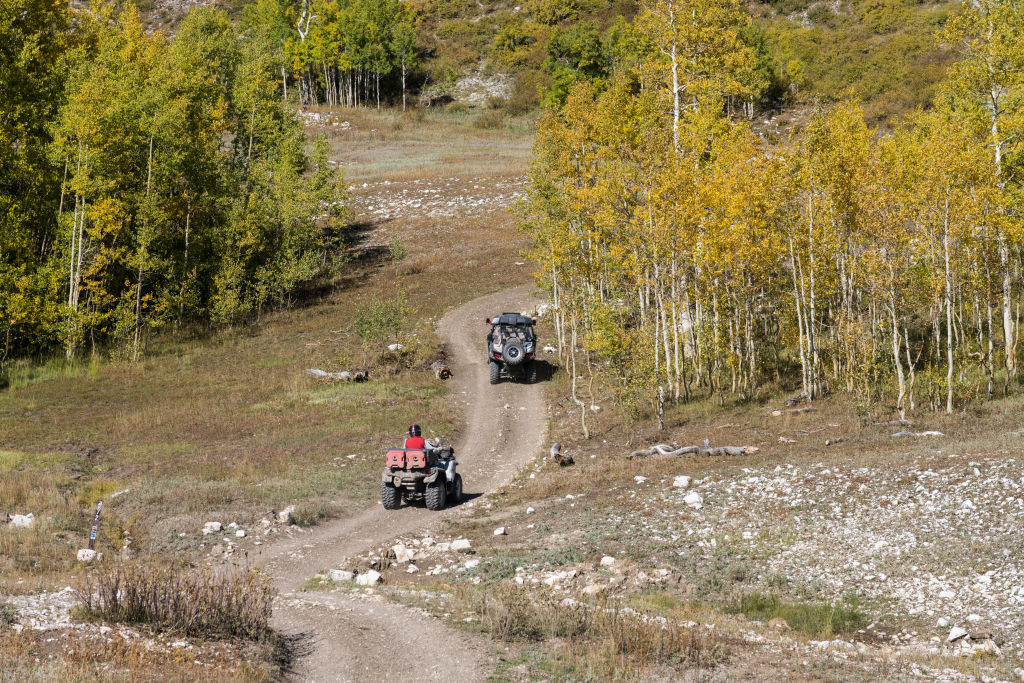
The rationale behind the existing "closed unless designated open" policy was born out of necessity. Unregulated motorized recreation historically led to severe habitat fragmentation, soil compaction, trail erosion, and the introduction of invasive noxious weeds. By establishing designated routes, the Forest Service sought to balance the growing popularity of motorized recreation with its statutory mandate to preserve watershed health and wildlife habitats.
The administration’s proposed revision flips this presumption. According to documents published by the USDA, the policy change is intended to simplify regulatory requirements and expand recreational access. However, public land advocates argue that the new text is ambiguous and poorly defined. Critics like Hillary Eisen, federal policy director for Wild Montana, contend that under the revised rule, any landscape feature that could conceivably be interpreted as a trail or road would immediately become open to motorized use. This ambiguity, advocates fear, could invite rampant off-trail riding, undermining the enforcement capabilities of already stretched forest staff.
Environmental and Ecological Impacts: Lessons from the Middle Fork
The physical impacts of motorized recreation on sensitive terrain are not merely theoretical; they have been documented extensively across America’s 193 million acres of National Forest System lands. A prime illustration of the ecological stakes is found along the Middle Fork of the Judith River in the Little Belt Mountains of central Montana.
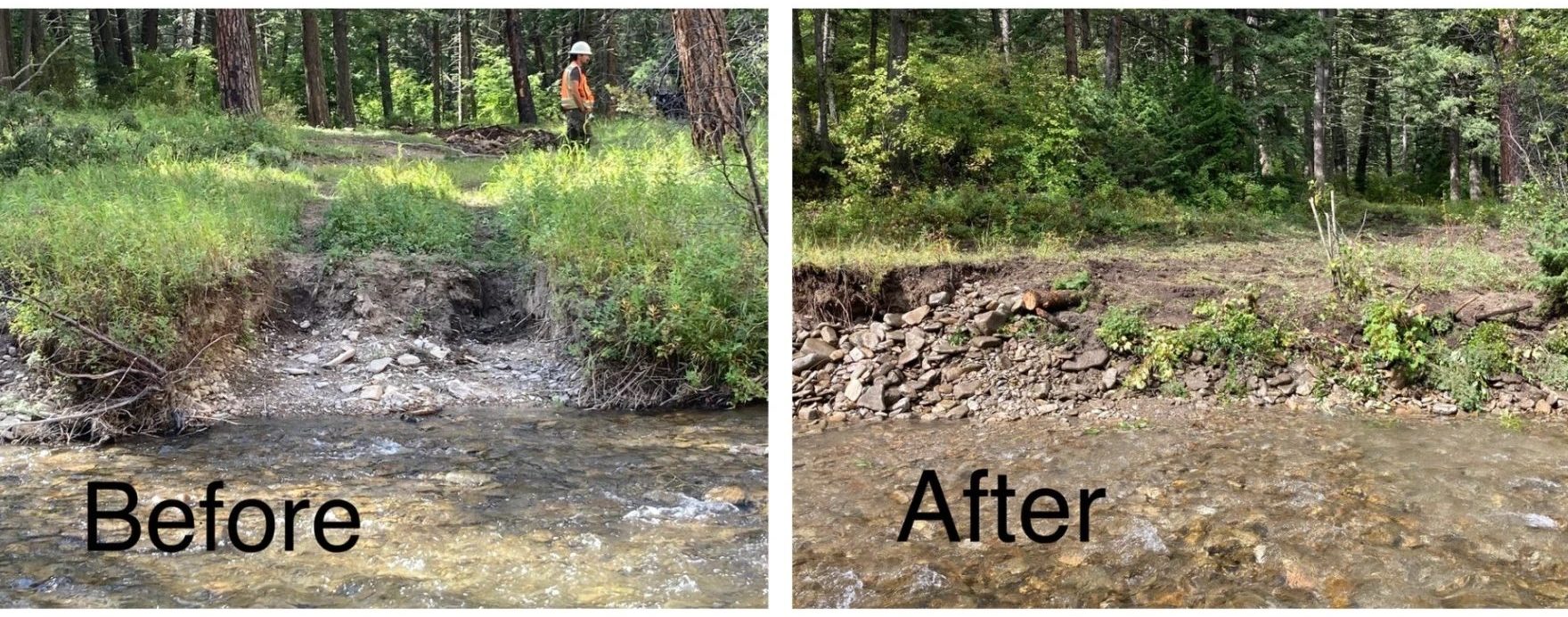
Prior to 2023, a six-mile stretch of the Middle Fork featured more than 80 vehicle entrances and 27 shallow water crossings where cars, trucks, and side-by-sides routinely forded the river. The cumulative impact of these crossings was catastrophic for the aquatic ecosystem. Sediment runoff choked the riverbed, coating gravel beds essential for fish spawning and smothering aquatic insect life. By 2020, fisheries biologists estimated that native cutthroat trout populations had plummeted to less than 10 percent of historical expectations for a waterway of that size. The river channel had become unnaturally wide and shallow, losing its capacity to manage sediment loads.
To salvage the fishery, Chris Edgington, a watershed project manager with Montana Trout Unlimited, spearheaded a collaborative restoration initiative. Partnering with the off-highway vehicle community, the Great Falls Trail Bike Riders Association, environmental groups, and government agencies, the coalition rebuilt 1,000 feet of eroded riverbank, eliminated 80 percent of the unauthorized crossings, and rerouted motorized trails away from the immediate river corridor.
The project yielded positive results, with monitoring data showing a rebound in water quality and fish populations. Yet, Edgington cautions that such complex, costly restoration efforts—funded heavily by federal taxpayer dollars—depend entirely on the regulatory backstop of travel management plans and protective designations like Wilderness Study Areas and Inventoried Roadless Areas. A generalized policy that defaults to open motorized access, he argues, threatens to undo these conservation victories and ignite friction among user groups.
A Broader Regulatory Rollback
The proposed changes to the Travel Management Rule do not exist in a vacuum. They form part of a broader wave of federal policy shifts targeting public land management across the United States.
In late summer, Agriculture Secretary Brooke Rollins announced that the USDA was moving forward with efforts to rescind the 2001 Roadless Rule. That foundational conservation policy has long protected approximately 45 million acres of national forest lands from commercial logging and road construction. Extensive peer-reviewed scientific research compiled by the Forest Service and academic institutions underscores that forest roads act as vectors for noxious weeds, fragment crucial wildlife corridors, and significantly increase the risk of human-caused wildfires. When the initial iteration of the roadless rollback was introduced, public opposition was fierce, with analytical summaries indicating that roughly 99 percent of public comments opposed removing the protections.
Faced with intense pushback regarding compressed administrative timelines, the Forest Service extended the public comment window for the roadless rule proposal through October 6, while the public comment period for the travel management revisions drew intense engagement ahead of its initial deadlines.
The Divide Over Access and Equity
Supporters of the administration’s push to ease motorized restrictions argue that the changes are essential for ensuring that public lands remain accessible to all citizens.
Kerry White, executive director of the Bozeman-based nonprofit Citizens for Balanced Use and a former Montana state legislator, maintains that current regulations have unfairly locked out segments of the population. He points out that elderly citizens and individuals with physical disabilities—such as those suffering from chronic respiratory illnesses or mobility impairments—rely heavily on motorized transport, ATVs, and e-bikes to access remote backcountry vistas that would otherwise be beyond their physical reach.
Furthermore, proponents contend that making trails open unless posted closed places a reasonable administrative burden on the Forest Service to clearly mark and maintain trail closures, thereby eliminating confusion for recreationists. White dismisses concerns that the policy changes will lead to industrial exploitation or severe ecological degradation, emphasizing that federal environmental laws and localized review processes remain robustly in place.
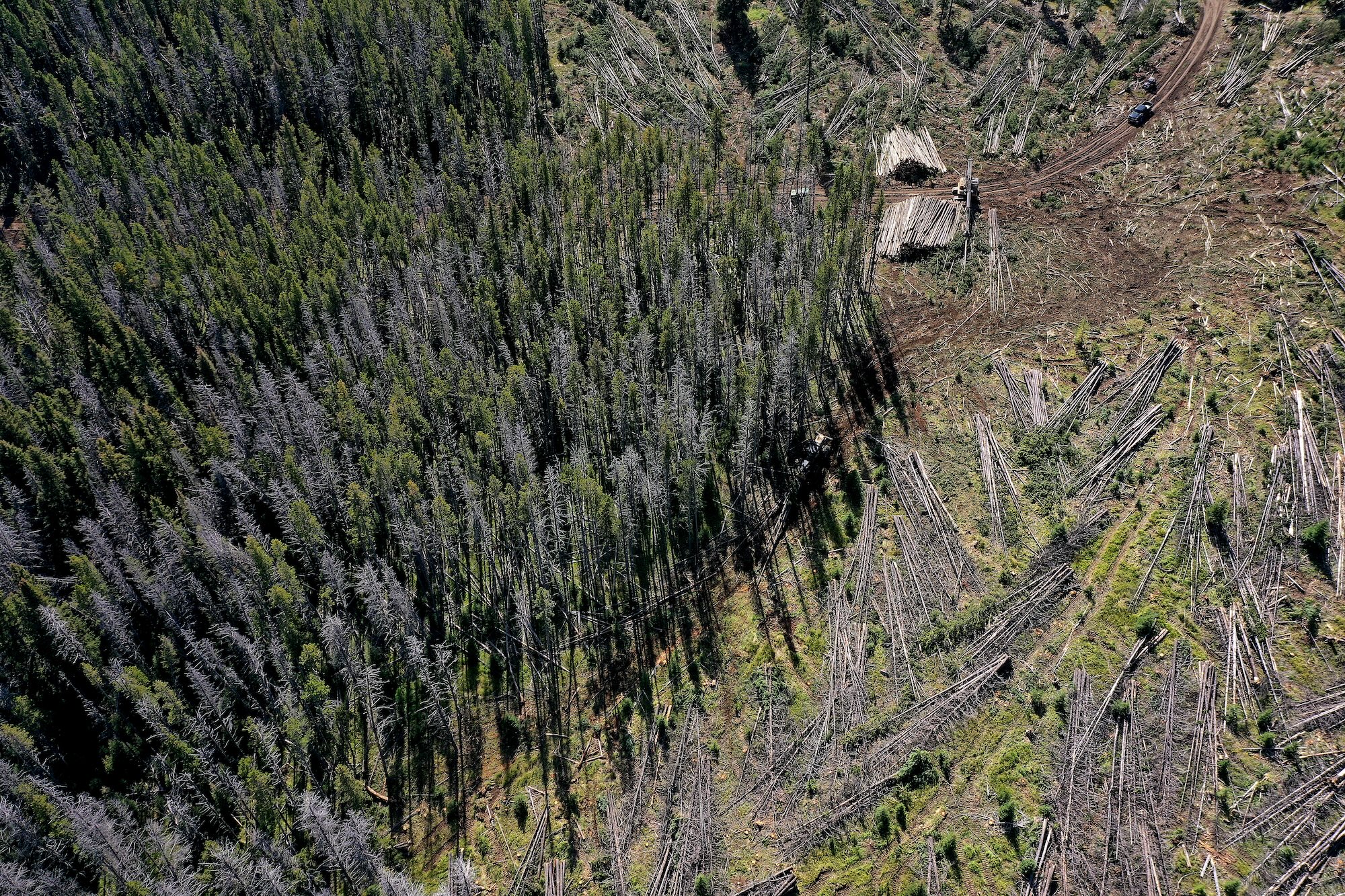
Conversely, conservation organizations view these administrative revisions as an existential threat to the conservation ethos that has guided the U.S. public land system for over a century. Eisen argues that the collective rollback of the Travel Management Rule, the Roadless Rule, and modifications to bedrock statutes like the National Environmental Policy Act (NEPA) and the Endangered Species Act signal a philosophical departure from sustained-yield conservation. Rather than managing public lands for intergenerational ecological integrity, critics argue the current trajectory prioritizes expedited commercial and recreational extraction at the expense of clean water, stable wildlife populations, and climate resilience.
Implications for the Future of Public Lands
As the federal government reviews public feedback and navigates the protracted rulemaking process, the outcome of these policy debates will reverberate across nearly every national forest in the country.
For local communities, state economies dependent on outdoor recreation, and conservation scientists, the stakes involve more than just administrative efficiency. They touch upon the core identity of public lands as a shared, protected heritage. Whether the Forest Service ultimately proceeds with a wholesale restructuring of its travel management framework or preserves localized, science-based route designations will determine the ecological health of America’s watersheds and the character of backcountry recreation for generations to come.