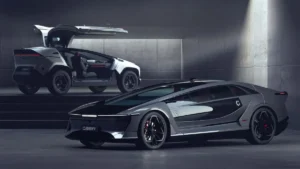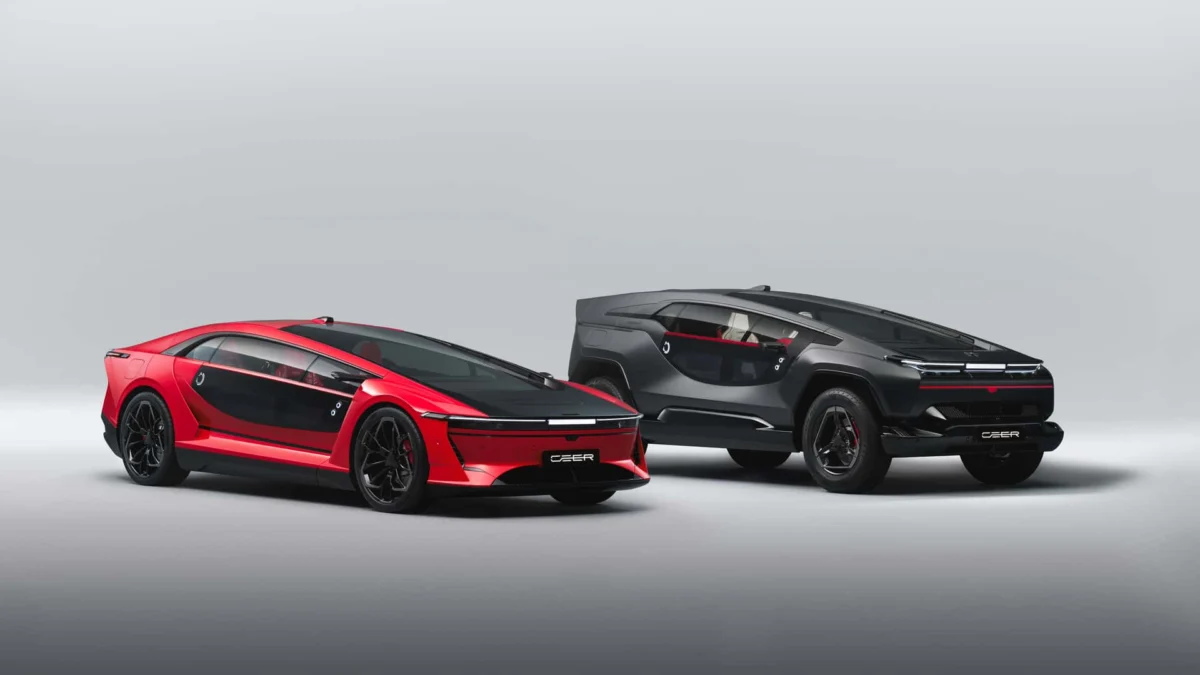
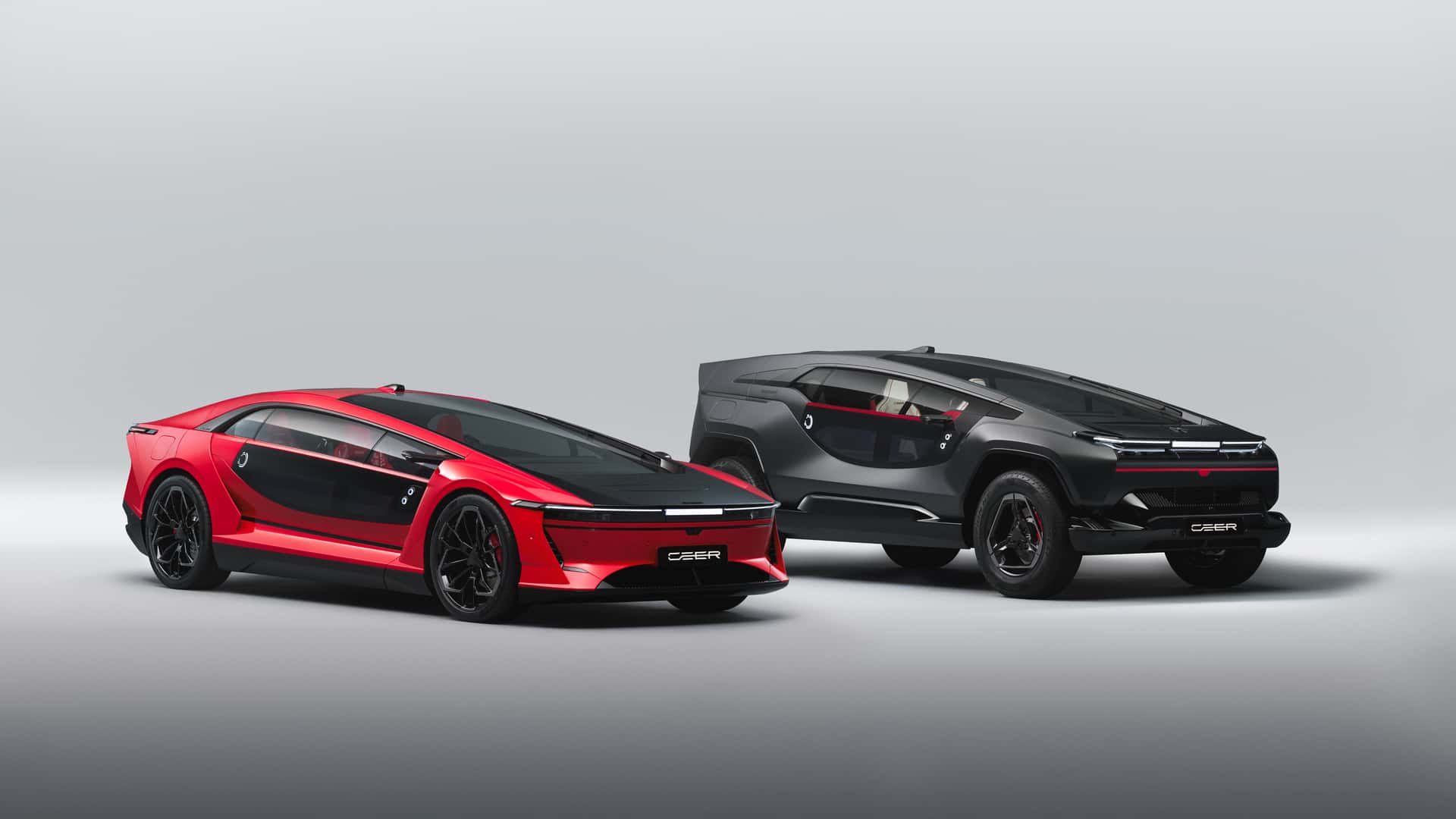
Saudi Arabia’s national electric vehicle brand, Ceer, has officially unveiled the initial fruits of its development efforts, marking a pivotal moment in the Kingdom’s industrial evolution. Established in 2022 as a joint venture between Saudi Arabia’s Public Investment Fund (PIF) and the Taiwanese manufacturing powerhouse Foxconn, Ceer has moved beyond conceptualization, presenting two high-performance electric vehicles (EVs) based on a shared "Exobot" architecture. This reveal, consisting of a sedan and an SUV, serves as the cornerstone of the brand’s ambitious seven-model portfolio, which the company intends to roll out over the next five years.
A Strategic Pivot Toward Non-Oil Industry
The launch of Ceer is not merely an automotive milestone; it is a fundamental component of Saudi Arabia’s Vision 2030, a comprehensive economic reform program designed to decouple the national economy from its historical reliance on fossil fuel exports. By establishing a domestic automotive manufacturing ecosystem, the Kingdom aims to foster a high-tech industrial base, create thousands of skilled jobs for its youth, and contribute directly to the diversification of its Gross Domestic Product (GDP).
The collaboration with Foxconn—the world’s largest contract manufacturer, renowned for its assembly of consumer electronics—provides Ceer with an immediate advantage in scaling production and integrating complex software systems. This partnership signals a departure from traditional automotive manufacturing, emphasizing a tech-first approach that prioritizes software integration, connectivity, and modular production cycles.
Chronology of Development
The inception of Ceer followed an intensive period of planning and cross-border cooperation. In November 2022, the PIF announced the launch of the brand, positioning it as the first national automotive company to produce electric vehicles in Saudi Arabia. Throughout 2023 and 2024, the company focused on infrastructure, including the establishment of manufacturing facilities in the King Abdullah Economic City.
The reveal of the Exobot-based prototypes follows months of industry speculation. Spy shots captured in test environments had previously teased the radical aesthetics of these vehicles, but the official unveiling confirms a design philosophy that eschews conventional automotive styling in favor of futuristic, angular geometries. The design process was spearheaded by Rob Melville, the former design director at McLaren, who was tasked with creating a brand identity that was "new, unique, and different" rather than derivative of existing Western or Asian market trends.
Engineering and Technical Specifications
Beneath the unconventional exteriors of the Ceer Exobot models lies a high-performance 800-volt electrical architecture designed to compete with the current global standard-bearers in the EV sector. The vehicles are equipped with a potent three-motor drivetrain, capable of producing a combined output of approximately 850 horsepower. This power is supported by a 112-kilowatt-hour battery pack, which is intended to provide long-distance capability and rapid power delivery.
Technical data provided by the manufacturer highlights a distinct focus on performance:
- Acceleration: The sedan variant is capable of reaching 62 mph (100 km/h) in 2.6 seconds, while the SUV variant achieves the same benchmark in 2.9 seconds.
- Range: The sedan offers an estimated range of 416 miles, and the SUV offers 348 miles, according to the NEDC testing cycle.
- Charging Infrastructure: The vehicles utilize a 250 kW peak DC fast-charging capacity, allowing a charge from 10% to 80% in approximately 30 minutes.
While these figures represent a competitive offering, the reliance on the NEDC cycle—which is widely considered less stringent than the EPA standards used in the United States or the WLTP cycle used in Europe—suggests that real-world range may vary depending on the climate and driving conditions of the Middle East. Furthermore, Ceer has secured a strategic supply agreement with the Croatian hypercar manufacturer Rimac, which will provide the electric drive systems, further underscoring the brand’s commitment to high-performance technology.
Design Philosophy and Aesthetic Intent
The aesthetic direction of the Ceer lineup draws heavily from the wedge-shaped design language of the 1970s, modernized with contemporary touches such as gullwing doors and expansive glass surfaces. A distinctive feature of the exterior design is the implementation of light bars consisting of 32 individual lighting elements, a symbolic nod to the unification of Saudi Arabia in 1932.
Inside, the cabin prioritizes a minimalist, tech-centric experience. A yoke-style steering wheel replaces the traditional circular design, and the dashboard is dominated by an 8K ultra-high-definition screen spanning the entire width of the windshield. The interior geometry is heavily influenced by hexagonal motifs, maintaining a sharp, angular continuity with the exterior. According to reports from Autocar, the design process was subject to significant oversight from the highest levels of the Saudi government, including Crown Prince Mohammed bin Salman, who reportedly urged the design team to avoid mimicking existing international models.
Industry Reactions and Market Implications
The emergence of a new domestic automaker in the region has been met with significant attention from the global automotive industry. By combining the manufacturing scale of Foxconn, the design expertise of former supercar engineers, and the deep financial resources of the PIF, Ceer is positioned to potentially disrupt the local market.
However, industry analysts note that the path to success for a new automotive brand is fraught with challenges. Establishing a robust supply chain, building a dealership and service network, and proving the reliability of a newly developed platform are hurdles that even established companies struggle to overcome.
James DeLuca, the CEO of Ceer, has emphasized that the primary focus of the initial rollout is to cater to the specific requirements of the Saudi market and the broader Gulf Cooperation Council (GCC) region. "His Royal Highness pushed us to not look at what the rest of the world is doing," DeLuca stated, reflecting the mandate to create a vehicle that resonates with the specific tastes and environmental conditions of the Kingdom.

The Broader Impact on the Saudi Economy
The presence of Ceer is expected to have a synergistic effect on the Kingdom’s industrial sector. With Lucid Motors already operating an assembly plant in the country, the addition of Ceer creates a critical mass of manufacturing expertise. This could lead to the development of a local supplier base for components such as battery materials, power electronics, and lightweight chassis materials, further anchoring the automotive supply chain within the borders of Saudi Arabia.
Moreover, the focus on electric vehicles aligns with global trends toward decarbonization. While the Saudi economy remains a major exporter of oil, the government is simultaneously investing heavily in solar and hydrogen energy projects. The adoption of EVs, supported by the development of a national charging infrastructure, serves as a testbed for the Kingdom’s domestic energy transition.
Future Outlook
Ceer’s roadmap is aggressive. With two models revealed, the company plans to introduce five additional vehicles over the next five years, covering a diverse array of segments and propulsion types. The brand’s ability to execute this ambitious timeline will be the ultimate test of the PIF-Foxconn partnership.
While international observers may be curious about the potential for global export, current communications suggest that Ceer’s immediate goal is to establish its footprint within the domestic market. For the Saudi consumer, the prospect of an "outlandish," high-performance vehicle designed specifically for their environment represents a shift from being a mere consumer of global automotive products to being a participant in a localized, high-tech manufacturing success story.
As the company moves from the prototype phase to full-scale production, it will face the scrutiny of the global market. However, for now, the debut of the Exobot platform serves as a clear signal that Saudi Arabia is determined to become a significant player in the future of the global electric vehicle industry, leveraging its capital and strategic partnerships to define its own automotive identity.