Deep beneath the jagged peaks of the Rocky Mountains, the sweeping expanses of the Sierra Nevada, and the arid basins stretching between them lies an immense, carbon-free resource that has remained largely untapped throughout human history. This massive reservoir of subterranean thermal energy is not a fossil fuel, nor is it subject to the unpredictable whims of the sun and wind. Instead, it is the direct byproduct of ancient geological violence—the shifting, colliding, and separating of tectonic plates that carved the dramatic landscapes of the American West and simultaneously pushed the blistering heat of the Earth’s core tantalizingly close to the surface.
Today, this geological treasure chest is sparking an unprecedented industrial and technological boom. A new wave of pioneering geothermal energy companies is deploying advanced drilling techniques, heavily borrowed from the oil and gas sector, to puncture the Earth’s crust and harvest this relentless heat for zero-carbon electricity. Coinciding with this subterranean renaissance is a massive, energy-hungry customer base that has fundamentally altered the commercial viability of renewable energy: the artificial intelligence and cloud computing industries.
Tech behemoths, racing to construct sprawling networks of data centers while simultaneously bound by stringent corporate climate pledges, have rapidly identified geothermal power as the holy grail of grid reliability. Unlike solar and wind installations, which fluctuate based on weather patterns and the setting sun, geothermal generation operates as a baseload power source, pumping out steady, uninterrupted electricity twenty-four hours a day, seven days a week.
The convergence of corporate urgency and geological potential has triggered a flurry of high-stakes commercial agreements across the Mountain West. Meta and Google have finalized landmark procurement contracts with advanced geothermal start-ups in New Mexico and Utah. Among the most notable is a massive deal in which Google agreed to purchase 396 megawatts of power from Fervo Energy’s forthcoming Cape Station facility in southwest Utah, a capacity footprint sufficient to electrify approximately 430,000 residential households. Concurrently, the federal government has reported record-shattering per-acre bids from energy developers fiercely competing for geothermal leases on public lands throughout the region.
The Geopolitical and Technological Evolution of Modern Geothermal
The roots of the current geothermal explosion trace back to a confluence of state-level environmental mandates, most notably California’s aggressive decarbonization targets, and the rapid maturation of drilling technology. For decades, traditional geothermal energy production was severely constrained by geography. Conventional plants required a rare and precarious geological trifecta: intense underground heat, permeable rock formations, and naturally occurring water reservoirs trapped close to the surface. Operators would drill a well into these subterranean hot springs, bring the boiling water or steam to the surface to spin a turbine, and then reinject the fluid back into the earth. Because these ideal conditions existed in only a handful of locations worldwide, geothermal energy struggled to achieve broad, national scalability.
This limitation inspired the development of "next-generation" or enhanced geothermal systems (EGS). Borrowing horizontal drilling and hydraulic fracturing methodologies pioneered by the hydraulic fracking boom in the oil and gas industry, modern developers can now manufacture their own subterranean reservoirs. By injecting fluids into impermeable, super-hot dry rock, companies can artificially create the pathways necessary to circulate water, harvest thermal energy, and generate commercial electricity almost anywhere beneath the Earth’s crust.
This technological leap has transformed the American West into a modern-day energy frontier. However, it has also introduced a profound irony and a significant operational hurdle: despite being situated in some of the most arid, drought-stricken regions of the United States, the vast majority of next-generation geothermal technologies are critically dependent on water.
The Water Paradox in the Arid American West
For data-center operators, water consumption is already a central environmental flashpoint. Massive server farms require millions of gallons of water daily to operate cooling systems that prevent sensitive hardware from overheating. When tech companies attempt to power these facilities using enhanced geothermal energy, the resource demands stack up.
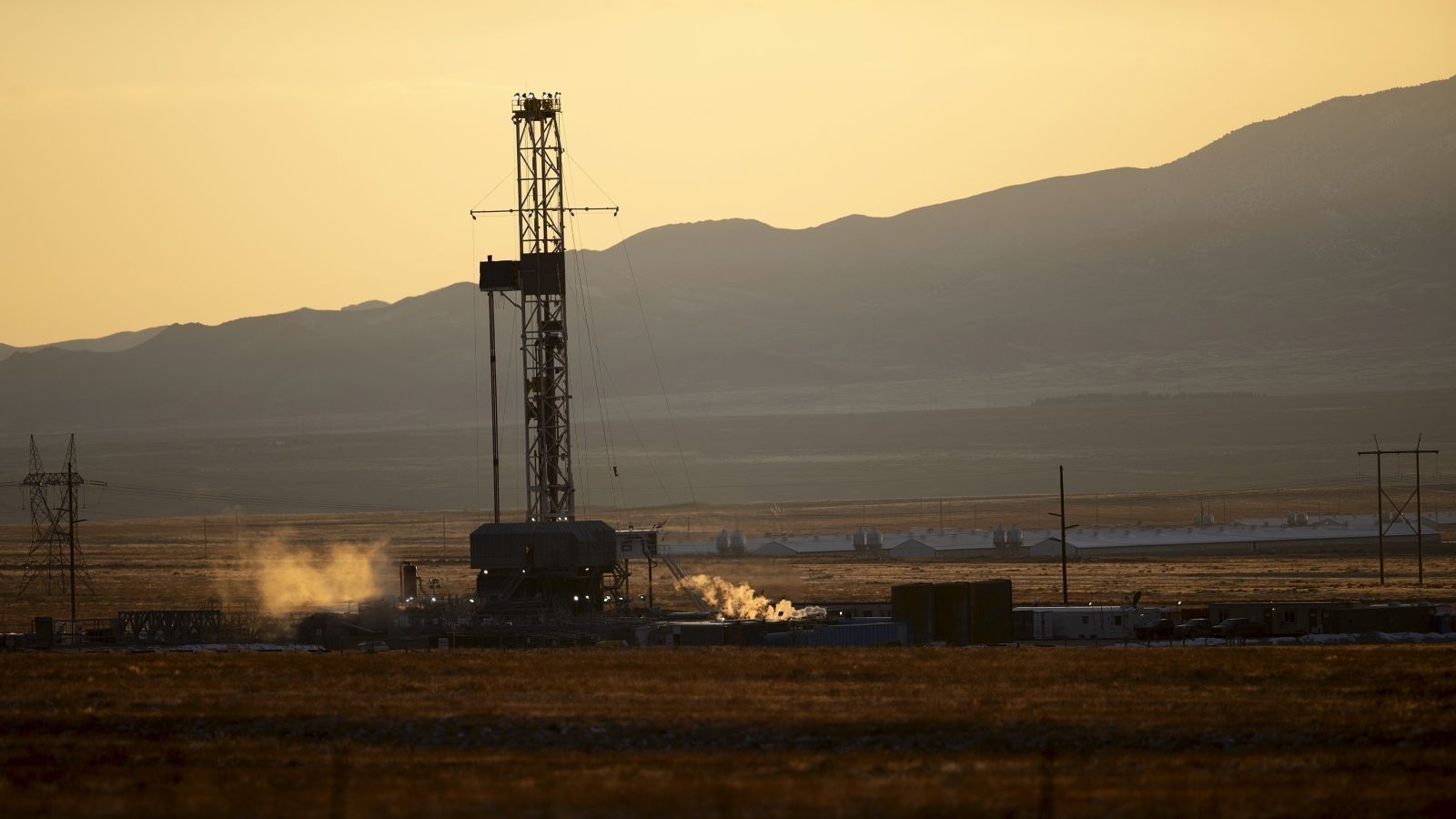
The baseline consumption rates of enhanced geothermal can be substantial. For example, at Fervo Energy’s Project Red site in Nevada—widely celebrated as the first enhanced geothermal project to produce commercial power—operators documented losing approximately 30 percent of the water injected underground during the initial operational phases. While Fervo and other developers have emphasized that subsequent projects, such as the Cape Station facility, employ improved designs projected to slash loss rates down to 5 percent or lower, the sheer scale of modern data center development means that cumulative water consumption remains a high-stakes variable.
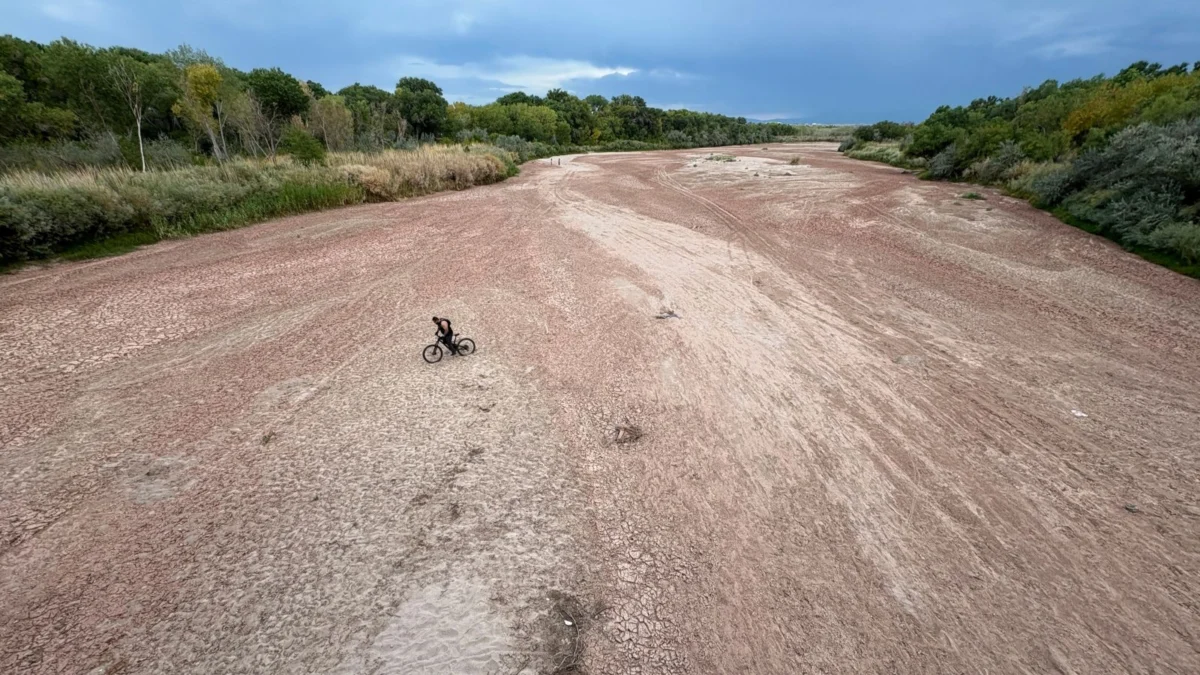
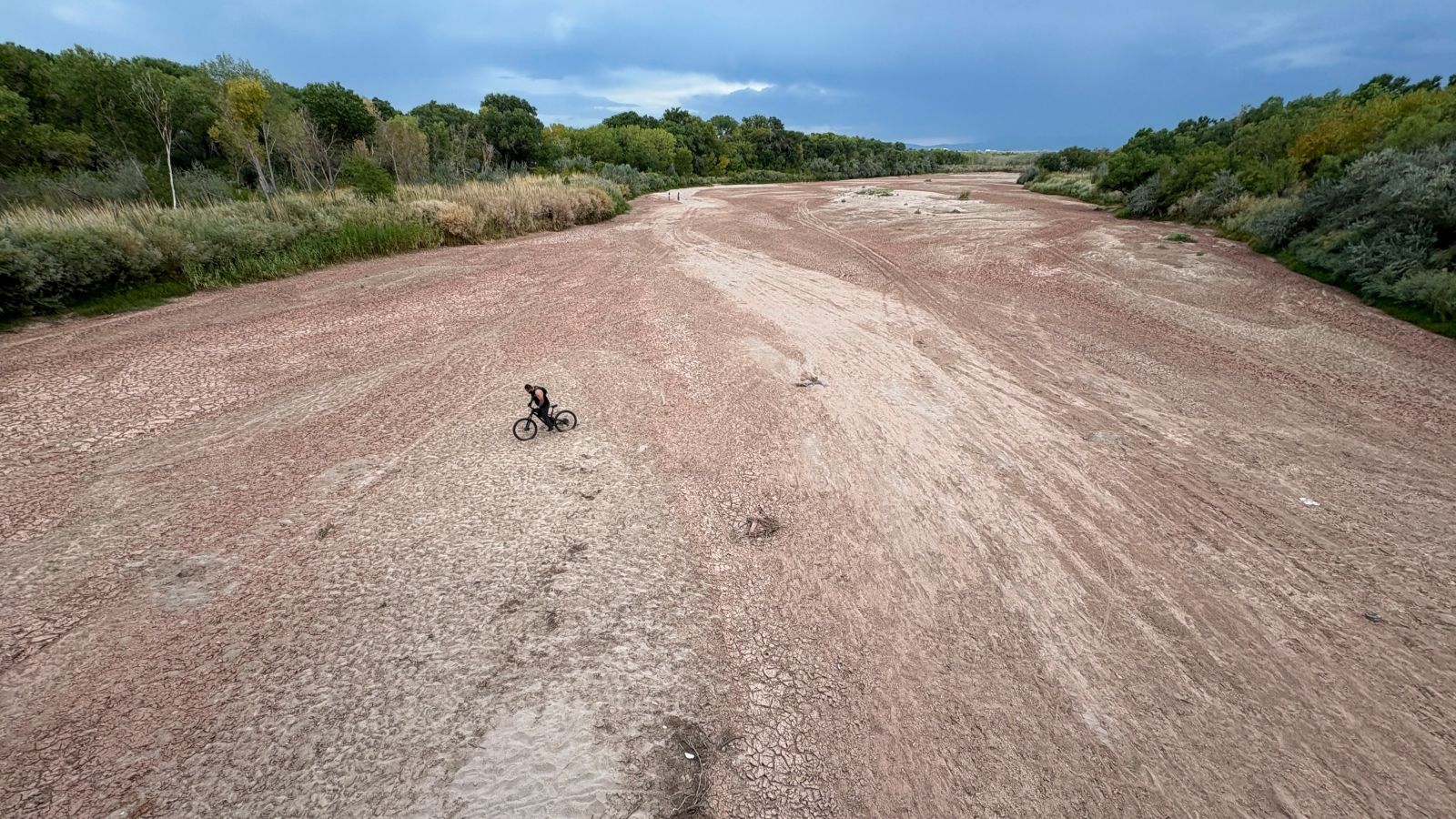
The friction between tech-driven energy demand and regional water scarcity is perhaps nowhere more visible than in New Mexico. The state has endured a grueling, decades-long drought along the Rio Grande, straining agricultural, municipal, and ecological water allocations.
Against this backdrop of ecological stress, software giant Oracle recently proposed the development of up to 2 gigawatts of new renewable energy generation—potentially incorporating geothermal sources—in New Mexico. The corporate announcement was widely interpreted as an effort to mitigate fierce public criticism over the massive climate footprint of a gas-powered data center Oracle is constructing, a facility critics warn could become one of the single largest greenhouse gas emitters in the state.
Independent calculations conducted by Kristie McLin, principal investigator at the federal geothermal laboratory Utah FORGE, present a sobering statistical reality. Supplying a 2-gigawatt power demand entirely through conventional enhanced geothermal systems could consume an estimated 42 million gallons of water per day—a volume equivalent to roughly half of the average daily municipal water demand of Albuquerque, New Mexico.
"This is a real problem that the industry absolutely needs to try to figure out," McLin noted regarding the resource constraints facing project developers. "When it’s additive and all your other water sources are already allocated to other uses, it can be challenging to find the volume of water you need to start up and sustain enhanced geothermal."
Recognizing these acute vulnerabilities, some developers are actively attempting to engineer the water dependency entirely out of the equation.
Closed-Loop Innovation Versus Scalability Realities
In New Mexico, a clean-energy start-up named XGS Energy is championing a water-efficient alternative known as "closed-loop" geothermal technology. Rather than pumping fluids into fractured rock formations where water can be lost to deep geological seepage or surface evaporation, XGS utilizes a continuous, sealed pipe network.
The closed-loop system circulates a specialized working fluid through the Earth, absorbing subterranean heat through an engineered thermal-conductive material layered onto the exterior of the pipe. Once heated, the fluid rises to the surface to vaporize a secondary medium, which subsequently drives a turbine. Because the primary fluid remains entirely enclosed within the pipe infrastructure, the system recycles the exact same water indefinitely, registering virtually zero consumption losses. Meta recently partnered with XGS to support a 150-megawatt closed-loop geothermal project slated for development at an undisclosed location in New Mexico.
"For geothermal to broadly scale across the United States, communities need geothermal systems that actively conserve water," corporate representatives for XGS stated in a press release. "This design enables us to develop in more locations across the West, and consistently win competitive contracts."
Despite the clear environmental appeal of water-free closed-loop systems, academic experts caution that trade-offs remain. Roland Horne, director of the geothermal program at Stanford University, points out that closed-loop configurations currently face significant economic and physical hurdles when deployed at the massive scale required by modern tech infrastructure. Because heat transfer is limited by the surface area of the pipes rather than direct fluid contact with fractured rock, closed-loop wells typically yield significantly less power per well and can experience shorter operational lifespans than their enhanced geothermal counterparts. Unless material sciences advance dramatically or corporate buyers are willing to absorb higher capital expenditure costs, water-free systems may struggle to compete on a pure gigawatt-for-gigawatt economic basis.
Financing, Regulation, and the Broader Grid Implications
Beyond the localized debate over water conservation, the geothermal sector continues to navigate complex structural hurdles. Financing remains a formidable barrier. The unique hybrid nature of geothermal projects—combining the speculative, capital-intensive drilling risks associated with the oil and gas industry with the long-term utility-scale financial structures of renewable power generation—frequently spooks traditional institutional investors.
While the sudden and aggressive influx of capital from cash-rich technology companies has injected much-needed liquidity into the market, it has not completely resolved systemic funding shortfalls. Mike O’Connor, director of the Mountain West Geothermal Consortium, emphasizes that researchers are actively working to design novel public-private financing mechanisms to derisk early-stage exploration.
Concurrently, research hubs like the Utah FORGE facility—situated adjacent to Fervo’s Cape Station—are conducting rigorous field experiments to minimize subsurface water losses. Researchers are testing advanced well-spacing configurations, modified injection pressures, and novel recovery algorithms to optimize long-term operational performance.
The success or failure of these engineering and financial endeavors carries profound consequences that extend far beyond the immediate power needs of Silicon Valley data centers. California, for instance, remains tethered to aggressive statutory mandates requiring 100 percent zero-carbon electricity statewide by 2045. Having already surpassed the milestone of generating more than half of its total electricity from variable renewables like solar and wind, the state faces a widening reliability gap during evening hours and prolonged low-generation weather events.
To bridge this gap, the California Public Utilities Commission mandated that state load-serving entities procure at least 1 gigawatt of clean, firm baseload power by 2026. This regulatory pressure prompted major utility providers, including California Edison, to secure major procurement commitments from projects like Fervo’s Cape Station.
As the American West navigates an era defined by overlapping crises of ecological drought, rapid industrial expansion, and an urgent mandate to decarbonize electrical grids, next-generation geothermal energy stands at a critical crossroads. Whether navigating public protests over data center footprints, battling for transmission access across federal public lands, or engineering around the physical limitations of subsurface water loss, the geothermal industry is being forced to mature at breakneck speed.
"There was an argument for geothermal power before data centers," O’Connor observed, "and there will be an argument for geothermal power after these data centers are built."