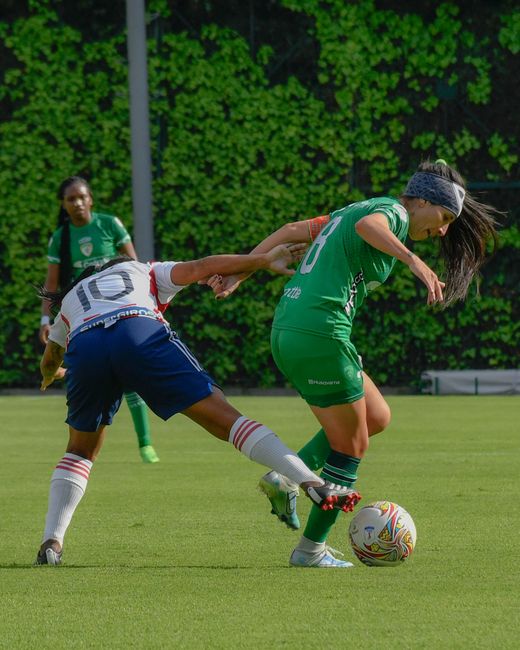
Women’s Soccer: A Comprehensive Guide to the World’s Fastest Growing Sport
Women’s soccer, a dynamic and rapidly evolving sport, has witnessed an unprecedented surge in popularity and professionalization over the past few decades. From grassroots participation to elite professional leagues and international competitions, the game offers a compelling narrative of athletic prowess, strategic depth, and unwavering dedication. Understanding the multifaceted landscape of women’s soccer requires an exploration of its history, key competitions, significant teams and players, the burgeoning professional infrastructure, and its profound cultural impact.
The genesis of women’s soccer can be traced back to the late 19th and early 20th centuries, with informal matches played by women often linked to industrial factories or as charity events. However, the sport faced significant societal and institutional barriers, including outright bans and a general lack of support. Despite these challenges, a persistent spirit fueled its growth. The mid-20th century saw the emergence of organized women’s teams and tournaments, primarily in Europe and North America. The establishment of the Fédération Internationale de Football Association (FIFA) in 1904, while initially male-dominated, eventually paved the way for the formal recognition and governance of women’s football. The pivotal moment arrived in 1991 with the inaugural FIFA Women’s World Cup, hosted by China. This landmark event served as a global stage for showcasing the burgeoning talent and competitive spirit of women’s national teams, igniting a spark that would grow into a global phenomenon. Subsequent World Cups, held every four years, have consistently raised the bar in terms of viewership, participation, and media coverage, solidifying its status as the premier international competition in women’s soccer.
Beyond the World Cup, a rich tapestry of continental championships and international friendlies further enriches the women’s soccer calendar. The UEFA Women’s Championship (often referred to as the Women’s Euros) is a highly anticipated event for European nations, mirroring the prestige of its male counterpart and often delivering thrilling, high-quality football. Similarly, the CONCACAF W Championship (North, Central America, and Caribbean), the Copa América Femenina (South America), the Africa Women Cup of Nations, and the AFC Women’s Asian Cup showcase regional rivalries and emerging talent. These tournaments not only determine continental champions but also serve as crucial qualifiers for the FIFA Women’s World Cup, adding an extra layer of intensity and significance to each match. The Olympic Games also feature a women’s soccer tournament, providing a prestigious platform for national pride and athletic achievement.
The professionalization of women’s soccer has been a transformative force, moving the sport from amateur status to a sustainable professional career for many athletes. Major professional leagues have emerged and grown in strength across the globe. The National Women’s Soccer League (NWSL) in the United States is widely regarded as one of the strongest and most competitive leagues globally, attracting top talent from around the world. England’s Women’s Super League (WSL) has also experienced a meteoric rise in quality and fan engagement, with established clubs investing heavily in their women’s programs. Other notable leagues include Spain’s Liga F, France’s Division 1 Féminine, Germany’s Frauen-Bundesliga, and Australia’s A-League Women. These leagues provide vital opportunities for players to hone their skills, gain match experience, and earn a living from the sport. The increasing investment from clubs, sponsors, and broadcasters has been instrumental in this growth, leading to improved infrastructure, higher salaries, and greater media exposure.
Numerous iconic players have etched their names in the annals of women’s soccer, inspiring legions of fans and aspiring athletes. The Brazilian legend Marta Vieira da Silva, widely considered the greatest female footballer of all time, has captivated audiences with her dazzling skill, goal-scoring prowess, and longevity. American stars like Mia Hamm, Abby Wambach, and Alex Morgan have been instrumental in the development and popularization of the sport, both domestically and internationally. European luminaries such as Germany’s Birgit Prinz, England’s Steph Houghton, and France’s Wendie Renard have consistently performed at the highest level, demonstrating exceptional leadership and technical ability. The current generation of talent is equally breathtaking, with players like Sam Kerr (Australia), Ada Hegerberg (Norway), and Alexia Putellas (Spain) consistently pushing the boundaries of the game. These athletes are not just skilled footballers; they are also powerful role models, advocating for gender equality in sports and inspiring a new generation of female athletes.
The strategic and tactical aspects of women’s soccer are as sophisticated and evolving as in the men’s game. While there might be perceived differences in physicality, the sport emphasizes intricate passing, intelligent movement off the ball, creative attacking plays, and disciplined defensive structures. Coaches meticulously analyze opponents, develop game plans, and adapt tactics throughout matches. Formations like the 4-3-3, 4-4-2, and 3-5-2 are commonly employed, with variations and adjustments made based on player strengths and opponent weaknesses. The rise of advanced analytics and sports science has also contributed to a deeper understanding of player performance, injury prevention, and tactical optimization within women’s soccer. The game demands not only individual brilliance but also seamless team coordination, strategic foresight, and mental resilience.
The growth of women’s soccer is intrinsically linked to its significant cultural impact. It has become a powerful platform for challenging gender stereotypes and promoting equality. As more women and girls participate in the sport, it normalizes female athleticism and demonstrates that athletic achievement knows no gender. The visibility of female athletes in the media and on global stages provides aspirational figures for young girls, encouraging them to pursue their dreams in sports and beyond. Furthermore, women’s soccer has fostered strong fan communities and a sense of belonging, with passionate supporters creating vibrant atmospheres at matches. The sport’s growing commercial appeal has also led to increased investment and opportunities for women in various roles, from coaching and management to sports marketing and media.
The infrastructure supporting women’s soccer continues to expand, though challenges remain. Many professional clubs are now investing in dedicated training facilities, medical support, and developmental academies for their women’s teams, mirroring the resources allocated to their male counterparts. However, disparities in funding, stadium access, and media coverage persist in some regions, highlighting the ongoing need for continued advocacy and investment. The development of robust youth programs is crucial for nurturing future talent, ensuring a continuous pipeline of skilled players for leagues and national teams. Grassroots initiatives, school programs, and community outreach play a vital role in making the sport accessible and enjoyable for young girls, fostering a lifelong love for the game.
The commercial landscape of women’s soccer is also flourishing. Sponsorship deals from global brands are becoming more significant, recognizing the sport’s growing audience and market potential. Major broadcasters are dedicating more airtime to women’s soccer matches, increasing viewership and revenue streams. The growth of merchandise and fan engagement platforms further solidifies the economic viability of the sport. However, achieving true parity with men’s professional soccer in terms of commercial revenue remains a long-term goal, requiring sustained effort and strategic partnerships.
The future of women’s soccer appears exceptionally bright. With continued investment, media attention, and fan engagement, the sport is poised for further exponential growth. The development of new leagues, the expansion of existing ones, and the increasing professionalism of national teams all point towards a sport that will continue to captivate audiences and inspire generations. The ongoing push for gender equality within sports will undoubtedly benefit women’s soccer, leading to more equitable resources and opportunities. As more young girls are exposed to the excitement and camaraderie of the game, the participation rates will continue to climb, ensuring a vibrant and sustainable future for women’s soccer on the global stage. The evolution of tactics, the emergence of new stars, and the unwavering passion of its fanbase all contribute to making women’s soccer one of the most compelling and dynamic sporting narratives of our time. Its journey from the margins to the mainstream is a testament to the dedication of its players, coaches, administrators, and fans, who are collectively shaping the future of the beautiful game.
