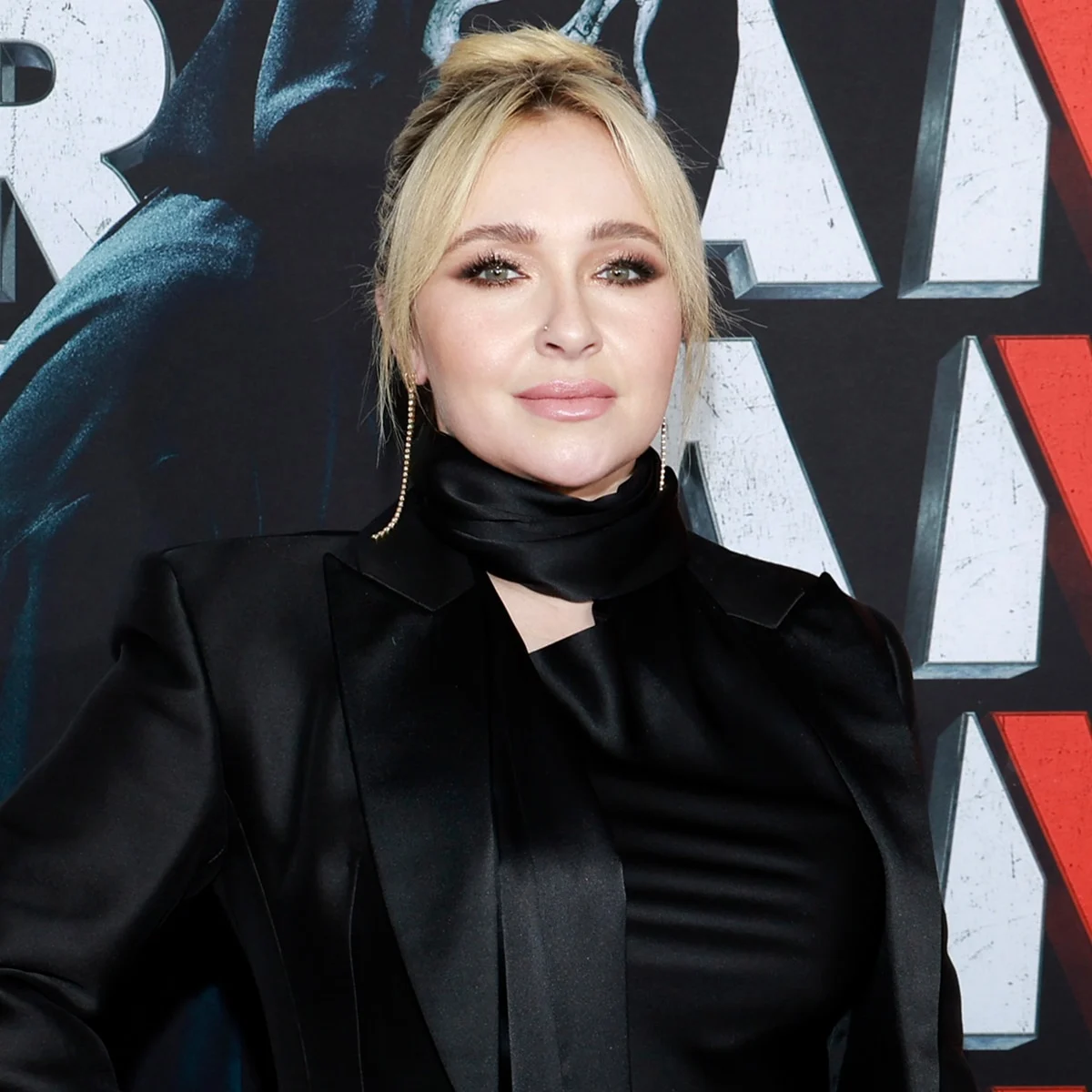
The entertainment world continues to mourn the sudden and tragic loss of actress Hayden Panettiere, best known for her iconic roles in the television series Heroes and Nashville. Weeks after her untimely passing on August 16 at a residence in Greenville, South Carolina, official medical examiners have released the definitive cause of her death. While toxicological reports have provided clarity on the physical mechanisms of her passing, local authorities, legal representatives, and loved ones emphasize that the broader investigation into the complex circumstances surrounding the event remains very much active.
The official ruling from the Greenville County Coroner’s Office brought a somber closure to initial widespread speculation, confirming that Panettiere died from the toxic effects of multiple substances, headlined by illicitly manufactured fentanyl. As friends, family, and former colleagues process their grief, the unfolding narrative sheds light not only on the heartbreaking final moments of the 36-year-old star’s life, but also on the enduring vulnerabilities faced by individuals navigating the pressures of lifelong celebrity.
Official Autopsy and Toxicological Findings
On September 22, the Greenville County Coroner’s Office officially ruled Hayden Panettiere’s death an accident resulting from the toxic effects of a combination of five substances. The primary agent identified in the medical report was fentanyl, accompanied by 4-ANPP—a chemical precursor explicitly noted by the Drug Enforcement Administration (DEA) as a marker indicating that the fentanyl was non-pharmaceutical and illicitly manufactured. In addition to fentanyl and its precursor, the toxicology panel detected three prescription medications in her system: Alprazolam, Methocarbamol, and Quetiapine.
This comprehensive toxicology report followed an initial autopsy performed shortly after her death on August 17, which confirmed that there were no signs of physical trauma or foul play that contributed to the incident. Emergency medical responders and the Greenville City Police Department initially arrived at the scene following a 911 call placed during the early afternoon hours of August 16. Despite prompt administration of advanced cardiac life support measures—including the use of Narcan, an opioid overdose reversal medication—resuscitation efforts proved unsuccessful. Panettiere was pronounced dead at the scene at approximately 2:30 p.m.
Chronology of Events: August 16 and Beyond
The sequence of events leading up to and immediately following the actress’s death has been meticulously pieced together through police reports, emergency dispatch audio, and official statements.
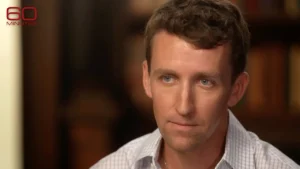
August 16 (The Tragic Incident): At approximately 1:51 p.m., emergency services received a 911 dispatch call from a residence in Greenville, South Carolina, where Panettiere was renting a home. According to police reports, the call was placed by an acquaintance at the scene. It was later revealed that Brian Hickerson—Panettiere’s on-again, off-again boyfriend—and his brother, Zach Hickerson, were present at the residence. Zach Hickerson later stated that upon discovering the actress unresponsive, Brian administered Narcan while both brothers jointly performed cardiopulmonary resuscitation (CPR) while maintaining an open line with 911 dispatchers until emergency personnel arrived. Despite these emergency interventions, responders were unable to revive her.
August 17–21 (Immediate Aftermath and Initial Findings): The Greenville County Coroner’s Office and the Greenville City Police Department released preliminary statements confirming that an autopsy had been conducted, ruling out physical trauma or immediate signs of foul play. Audio recordings from emergency dispatch surfaced in media reports, indicating that first responders suspected a potential overdose upon arrival.
August 20–22 (Statements from Legal Counsel and Family): Legal representatives for Brian Hickerson issued statements urging patience and emphasizing that police found no evidence of foul play. Simultaneously, members of Panettiere’s family broke their silence. Her father, Skip Panettiere, remembered her as an "incredible light and a force of nature." Conversely, her mother, Lesley Vogel, expressed public concern over the presence of Brian Hickerson at the time of her death, highlighting long-standing tensions and concerns regarding the individuals in her daughter’s inner circle.
September 16–22 (Memorial Services and Cause of Death Confirmation): Close friends, family members, and former costars—including Connie Britton—gathered in Malibu, California, for a private memorial service to honor Panettiere’s life and career. Days later, on September 22, the Greenville County Coroner’s Office officially released the comprehensive toxicology and cause of death report, prompting representatives to reiterate that the overarching investigation remains ongoing due to the complexity of the circumstances.
Perspectives from Family, Friends, and Representatives
The sudden loss of Hayden Panettiere has reverberated deeply across Hollywood, prompting heartfelt tributes from those who worked alongside her. Connie Britton, her former costar on the hit drama series Nashville, joined other notable entertainment figures at a private memorial service in Malibu in mid-September. Britton later shared a poignant tribute on social media, writing, "I have no words for this sad song. Just heartbreak. I love you girl. Sleep easy now."
Other figures from the entertainment industry, as well as family members, have spoken candidly about the unique pressures Panettiere faced. Having stepped into the spotlight at a very young age—gaining early acclaim in films like Remember the Titans and television series like Heroes—she grew up under intense public scrutiny. Her mother, Lesley Vogel, noted in interviews following her passing that individuals who rise to fame in the entertainment industry often confront immense systemic challenges and struggles.
Wladimir Klitschko, Panettiere’s former partner and the father of her daughter, Kaya, also released a statement expressing profound shock and grief, pledging to honor the actress’s memory and ensure her legacy lives on for their child. Meanwhile, family representatives and publicists, including spokesperson Kasey Kitchen, have consistently asked the public and media outlets to exercise restraint, avoid speculation, and allow investigators adequate time to conclude their work.
Broader Impact and Public Health Implications
The tragic circumstances surrounding Hayden Panettiere’s death highlight a broader, devastating public health crisis involving illicitly manufactured fentanyl and accidental overdoses. Fentanyl, a synthetic opioid significantly more potent than morphine, has increasingly permeated drug supplies across the United States, frequently appearing in adulterated forms or combined with other substances—often without the user’s explicit knowledge, as indicated by the presence of the precursor 4-ANPP in toxicological findings.
Public health advocates and addiction specialists point out that accidental overdoses involving synthetic opioids affect individuals across all socioeconomic strata, including high-profile public figures. The presence of multiple prescription medications alongside illicit substances underscores the complex intersection of pharmaceutical management, personal health challenges, and the ubiquitous danger of contaminated or unverified substances. Experts continue to stress the critical importance of widespread access to opioid reversal agents like Narcan, education regarding safe medication disposal, and destigmatizing conversations surrounding mental health and substance use disorders.
As the legal and administrative inquiries into Hayden Panettiere’s death continue to unfold, her enduring body of work, her advocacy for various social causes, and the indelible mark she left on television and film remain central to how she is remembered by millions of fans worldwide.